

• Skip to main content
  • Skip to primary sidebar

Schisandra & Bergamot logo

menu icon
go to homepage
  • Index
  • Subscribe
  • About
  • Contact
  • Daily Plant
    • Facebook
    • Instagram
    • Pinterest
  • subscribe
    search icon
    Homepage link
    • Index
    • Subscribe
    • About
    • Contact
    • Daily Plant
    • Facebook
    • Instagram
    • Pinterest
  • ×
    Home » Trending

    Published: Sep 25, 2025 by Kristen Wood · This post may contain affiliate links. If you make a purchase through links on our site, we may earn a commission. ·

    The 13 Best Plants to Attract Birds This Winter

    13 shares
    • Facebook
    • Reddit

    Winter can be a tough season for birds as food sources grow scarce and shelter becomes harder to find. By planting the right trees, shrubs, and perennials, you can provide both nourishment and protection for feathered friends. A bird-friendly yard not only helps wildlife but also brings color and life to your winter landscape.

    Whether you’re an experienced gardener or just starting out, adding a few of these plants can make a big difference. Here are 13 of the best plants to attract birds during the coldest months of the year.

    Holly

    Close-up of bright red berries clustered on a branch with sharp, spiky dark green leaves.
    Photo Credit: GAIMARD/Pixabay

    With its bright red berries and glossy green leaves, holly is both festive and functional. Birds like robins and cedar waxwings love the fruit. Its dense branches also offer shelter from winter winds.

    Winterberry

    A branch with clusters of bright red berries and green leaves, set against a blurred outdoor background.
    Photo Credit: Peggychoucair/Pixabay

    A native shrub, winterberry produces clusters of berries that last well into the season. These vibrant fruits are a vital food source when insects are scarce. Their striking appearance also adds beauty to a snowy garden.

    HERB OF THE DAY · Explore today’s herb →

    Serviceberry

    Close-up of tree branches with clusters of small white flowers and buds against a blurred blue sky background.
    Photo Credit: jhenning/Pixabay

    This hardy shrub or small tree provides berries that persist through early winter. Birds flock to the fruit, and its branches create natural perches. It’s a low-maintenance choice that offers year-round appeal.

    Crabapple

    Tree branches with clusters of small red apples against a clear blue sky.
    Photo Credit: extremis/Pixabay

    Crabapple trees hold onto their small, colorful fruits long after leaves have fallen. Birds such as cardinals, blue jays, and finches eagerly feed on them. The tree also provides excellent cover in winter.

    Sumac

    Branches with clusters of red sumac berries set against a white background.
    Photo Credit: krappweis/Deposit Photos

    Sumac produces clusters of red seed heads that stay intact throughout the cold months. Many bird species rely on them when other foods are gone. Its striking form also adds interest to the winter garden.

    Juniper
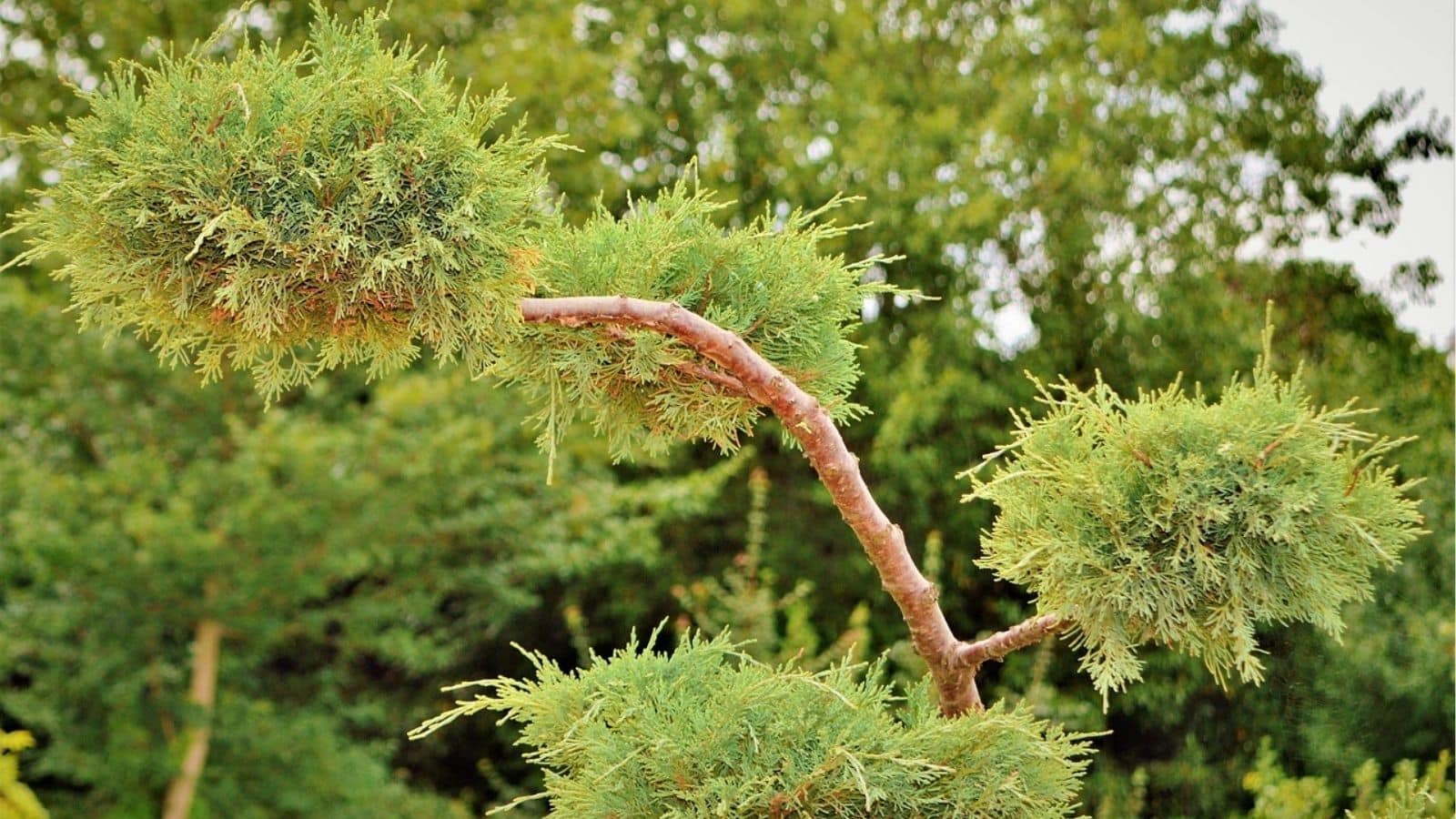
    A tree with a curved trunk and three clusters of dense, green foliage, set against a blurred background of other green trees.
    Photo Credit: Ralphs_Fotos/Pixabay

    Junipers produce berry-like cones that are a favorite for thrushes and cedar waxwings. Their evergreen foliage provides shelter and nesting spaces. They’re also drought-tolerant and hardy.

    Dogwood

    Leafless red shrubs grow in a foggy field with dry grass and bare trees in the background.
    Photo Credit: Juliedeshaies/Deposit Photos

    Dogwood shrubs not only display colorful winter stems but also hold onto nutritious berries. These attract a wide range of bird species. Their dense growth gives excellent cover from predators.

    Elderberry

    Elderberry plant with clusters of small white flowers and green leaves against a clear blue sky.
    Photo Credit: Hans/Pixabay

    Though much of its fruit is eaten in summer, elderberry bushes often hold onto a few clusters into winter. Birds appreciate every remaining berry. Their branching also provides safe roosting sites.

    Viburnum

    Branches of pink cherry blossoms against a clear blue sky.
    Photo Credit: Couleur/Pixabay

    Viburnums produce berries that persist into the colder months, drawing in hungry flocks. The shrub also offers excellent shelter. With many varieties available, they fit into different garden styles.

    Rose Hips

    Close-up of three red rose hips growing on a branch with green leaves, set against a blurred outdoor background.
    Photo Credit: NickyPe/Pixabay

    Wild roses and shrub roses produce rose hips that last through winter. Birds like grosbeaks and finches feast on them. They’re also visually appealing against snow.

    Hawthorn

    Cluster of small, round red berries with green leaves growing on a branch, photographed outdoors in natural light.
    Photo Credit: manfredrichter/Pixabay

    Hawthorn trees provide small fruits that cling to branches through winter. Birds are drawn to the bright berries, and the thorny branches offer safe refuge. Their sculptural look makes them a standout in any yard.

    Mountain Ash

    A dense eucalyptus forest with tall, slender trees, light brown trunks, and sparse undergrowth visible on the forest floor.
    Photo Credit: Vijayanarasimha/Pixabay

    Also called rowan, this tree produces bright orange-red berries that birds love. The fruit often hangs on well into winter, providing a crucial food source. Its elegant form adds beauty to the landscape.

    Black-Eyed Susan (Seed Heads)

    Close-up of vibrant yellow flowers with dark centers in a garden setting, surrounded by green foliage and blurred background.
    Photo Credit: MabelAmber/Pixabay

    While not a shrub or tree, leaving black-eyed susan seed heads standing offers winter food. Goldfinches and other seed-eaters love them. It’s a simple way to support birds without extra effort.

    By planting a mix of fruiting trees, berry shrubs, and seed-bearing perennials, you can turn your yard into a winter haven for birds. These plants not only help wildlife survive but also bring movement, color, and song to your garden during the quietest season of the year.


    More Trending

    • A woman talking on a cell phone.
      15 overlooked spots in your home that need winter attention
    • Person holding a potted plant and a spray bottle stands in a kitchen with green cabinetry and wooden shelves in the background.
      15 indoor gardening habits that pay off year-round
    • An older woman and a young girl sit on a couch smiling at each other while looking at an open book in the girl's lap.
      15 practical skills grandparents learned early that still matter
    • A woman in an apron holds a potted plant in one hand and makes a peace sign with the other, standing against a pink background.
      15 plants that symbolize renewal, rest, and winter wisdom

    About Kristen Wood

    Kristen is a plant lover, gardener, certified functional nutritional expert, cookbook author, writer, and photographer. Her work has been featured in many online and print publications including Willow & Sage Magazine, Forbes, NBC, New York Daily News, Healthline, MSN, Elle, Yoga Journal, and many more. She is also a syndicated writer for The Associated Press.

    Reader Interactions

    Comments

    No Comments

    Leave a Reply Cancel reply

    Your email address will not be published. Required fields are marked *

    Recipe Rating


    Primary Sidebar

    A close up of a woman's face in the sun, radiating with the gentle glow of schisandra and bergamot home.

    About Kristen Wood

    Kristen is a plant lover, gardener, certified functional nutritional expert, cookbook author, writer, and photographer. Her work has been featured in many online and print publications including Willow & Sage Magazine, Forbes, NBC, New York Daily News, Healthline, MSN, Elle, Yoga Journal, and many more. She is also a syndicated writer for The Associated Press.

    Learn more about me →

    Herb of the Day

    Meet today’s featured herb with gentle kitchen ideas, botanical notes, folklore, and a quiet reflection to take with you.

    Explore Today’s Herb

    Follow us!

    Footer

    ↑ back to top

    About

    • Privacy Policy
    • Google Web Stories
    • Accessibility Statement
    • Disclaimer

    Newsletter

    • Sign up for our newsletter to receive our latest posts!

    Contact

    • Contact

    Copyright © 2026 Schisandra & Bergamot
    Disclaimer: As An Amazon Associate I Earn From Qualifying Purchases.

    Herb of the Day

    Discover today’s featured herb with simple kitchen ideas, botanical notes, folklore, and a reflective message.

    Explore
    13 shares