
Many grandparents grew up learning practical skills not as hobbies, but as everyday necessities. These skills were passed down through observation, repetition, and quiet responsibility. They helped families save money, reduce waste, and stay resilient through changing seasons.
While modern conveniences have replaced many of these habits, their value hasn’t disappeared. These 15 practical skills still matter today, offering simplicity, self-reliance, and confidence.
Basic Sewing and Mending

Jump to a Section
Grandparents learned to sew early to extend the life of clothing. Simple repairs prevented unnecessary replacements. This skill still saves money and reduces waste.
Cooking From Scratch

Meals were built from basic ingredients rather than packaged foods. Cooking from scratch encouraged creativity and efficiency. It remains one of the best ways to eat well on a budget.
Gardening for Food

Growing food provided reliability and independence. Even small gardens contributed fresh produce. Today, gardening still supports health and sustainability.
Food Preservation

Canning, drying, and fermenting prevented food from going to waste. These methods stretched harvests through winter. They’re still useful for saving money and reducing spoilage.
Basic Home Repairs

Grandparents often fixed small problems themselves. Simple maintenance prevented larger issues later. This skill builds confidence and saves repair costs.
Budgeting Carefully

Money was tracked closely and spent intentionally. Needs were prioritized over wants. Careful budgeting remains essential in any economy.
Making Do With What’s Available

Resourcefulness was a daily habit. Items were reused or repurposed instead of replaced. This mindset reduces clutter and unnecessary spending.
Reading Instructions and Labels

People took time to understand tools and products. This prevented mistakes and waste. It’s still important for safety and efficiency.
Seasonal Living

Daily routines changed with the seasons. Work, meals, and rest followed natural rhythms. Seasonal living supports balance and well-being.
Handwashing and Line-Drying Clothes

Laundry was done with care and patience. Line-drying saved energy and extended fabric life. These methods remain practical and eco-friendly.
Meal Planning Ahead

Meals were planned around what was available. Planning reduced waste and stress. It’s still one of the simplest ways to save time and money.
Growing and Using Herbs

Herbs were grown for flavor and simple remedies. This reduced reliance on store-bought options. It remains a low-cost, useful skill.
Respecting and Maintaining Tools
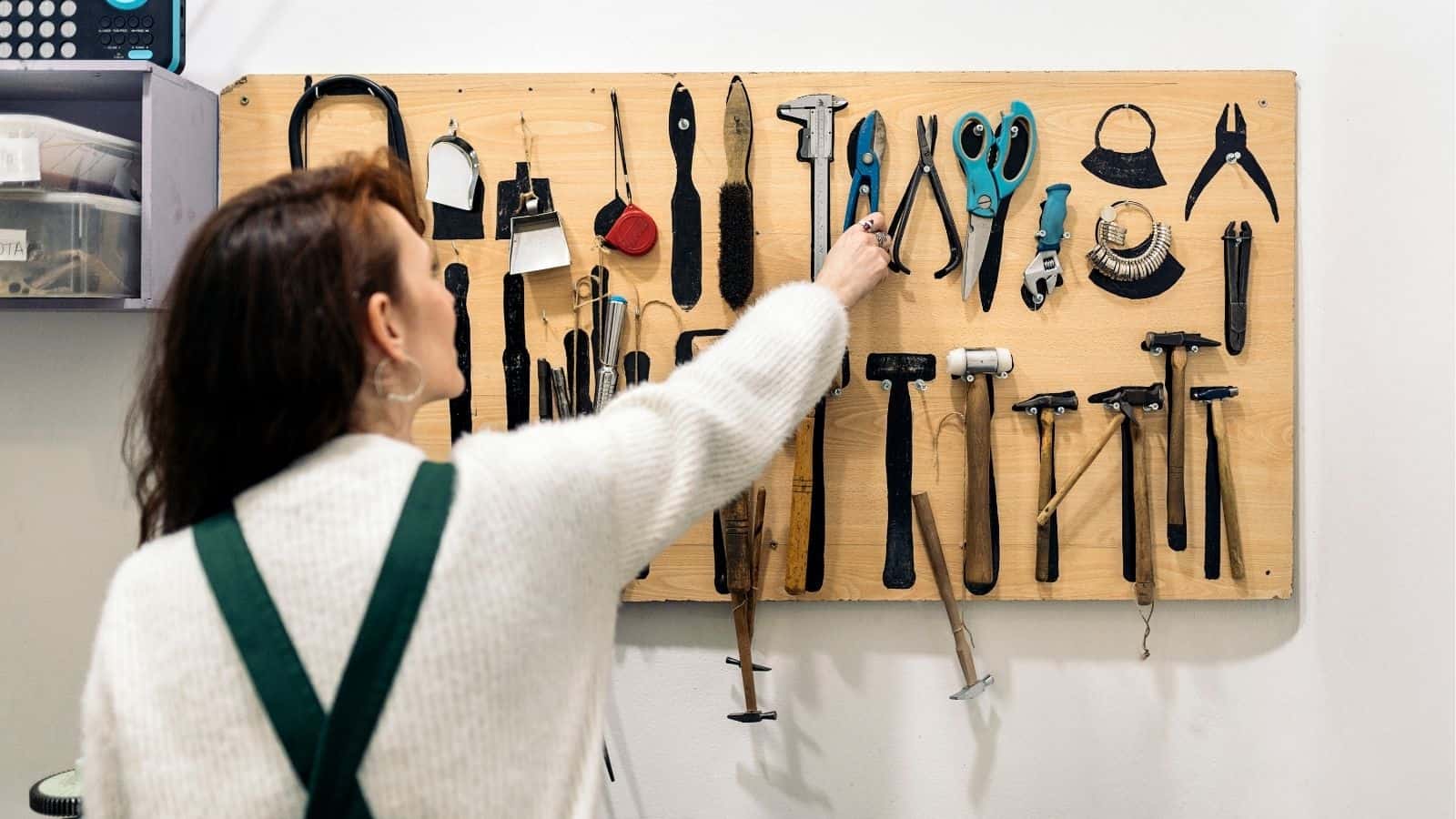
Tools were cleaned, stored, and repaired properly. Good care ensured long-term use. This habit extends the life of everyday items.
Conserving Resources

Nothing was wasted unnecessarily. Water, fuel, and food were used thoughtfully. Conservation is just as important today.
Learning Through Observation

Skills were learned by watching and doing. Patience and repetition built confidence. This hands-on learning still creates lasting knowledge.
These practical skills helped past generations live with intention and resilience. Bringing even a few of them back can simplify modern life and build lasting confidence.



Comments
No Comments