

Winter has long been associated with rest, reflection, and quiet renewal rather than emptiness. Across cultures, certain plants came to symbolize endurance, wisdom, and the promise of life beneath the surface.
These meanings helped people make sense of the coldest, darkest months. These 15 plants are rich with symbolism tied to renewal, rest, and winter wisdom. Their stories remind us that growth often begins in stillness.
Snowdrop

Jump to a Section
Snowdrops symbolize hope and renewal at winter’s edge. They often bloom through frozen ground, signaling resilience. Their appearance marks the quiet return of life.
Holly

Holly represents protection and enduring life during winter. Its evergreen leaves and bright berries stood for strength. Many traditions used holly to guard homes.
Pine

Pine trees symbolize longevity and inner strength. Their evergreen needles endure snow and cold. Pine reflects wisdom gained through patience.
Yew

Yew trees are associated with immortality and transformation. Their long life spans inspired reverence and caution. Winter emphasized their role in cycles of renewal.
Ivy

Ivy symbolizes persistence and faithful rest. It clings and survives even during harsh weather. This endurance made it a sign of quiet strength.
Juniper

Juniper represents cleansing and protection. Its berries and branches were used in winter rituals. The plant symbolized renewal through purification.
Fir
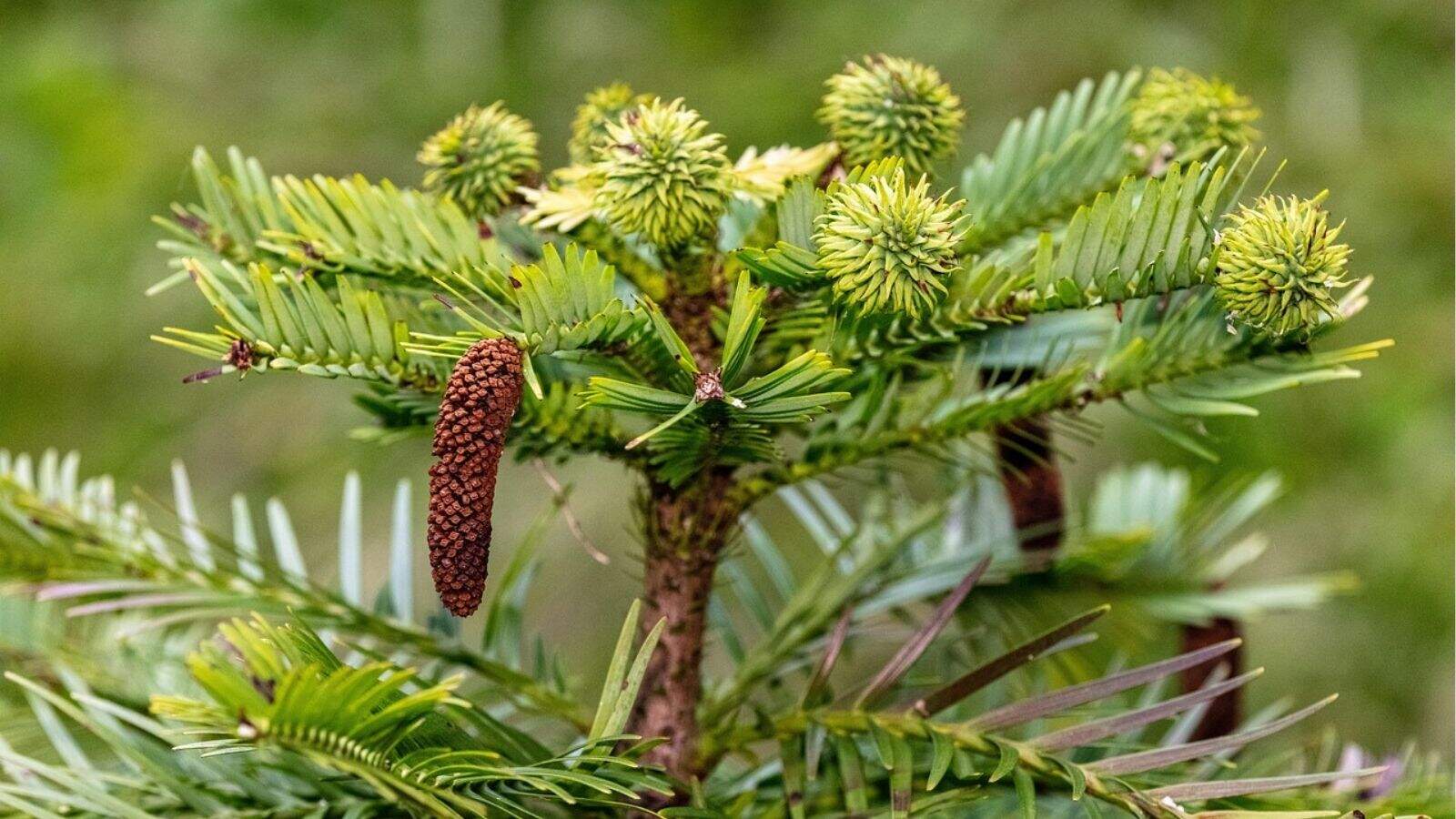
Fir trees symbolize steadiness and resilience. They remain upright and green in deep winter. Fir reflects calm strength in adversity.
Rosemary

Rosemary represents remembrance and clarity. It was used in winter to honor ancestors and reflection. The plant symbolizes wisdom carried forward.
Bay Laurel

Bay laurel symbolizes perseverance and inner victory. Its evergreen leaves endure seasonal change. Winter emphasized its connection to quiet strength.
Mistletoe

Mistletoe represents peace and renewal. Its winter growth made it seem magical. Traditions linked it to harmony during dark months.
Boxwood

Boxwood symbolizes stability and continuity. Its evergreen form endures frost and snow. The plant represents lasting presence through rest.
Cedar

Cedar represents grounding and spiritual protection. It was burned or used for cleansing in winter. Cedar symbolizes strength rooted in stillness.
Hellebore

Hellebore blooms during winter’s depth. It symbolizes hope and renewal against hardship. Its flowers remind us that life persists quietly.
Birch

Birch symbolizes renewal and new beginnings. Even bare, its white bark stands bright in winter. It represents readiness for rebirth.
Sage

Sage represents wisdom and thoughtful rest. It was used to cleanse spaces and minds. Winter heightened its role in reflection and balance.
Plants tied to winter symbolism teach us that rest is not an ending, but a preparation. Their quiet presence carries lessons of patience, renewal, and enduring wisdom.





Comments
No Comments