
Throughout history, cultures around the world have shared stories of mysterious beings that blur the line between the natural and the supernatural. These creatures often symbolize human fears, hopes, and the mysteries of the world we couldn’t yet explain. Passed down through generations, they remain some of the most captivating parts of mythology.
Whether inspiring caution, offering protection, or simply sparking wonder, these legendary creatures continue to fascinate. Here are 13 creatures long associated with folklore and myth, each with its own unique tale to tell.
Dragons
Jump to a Section
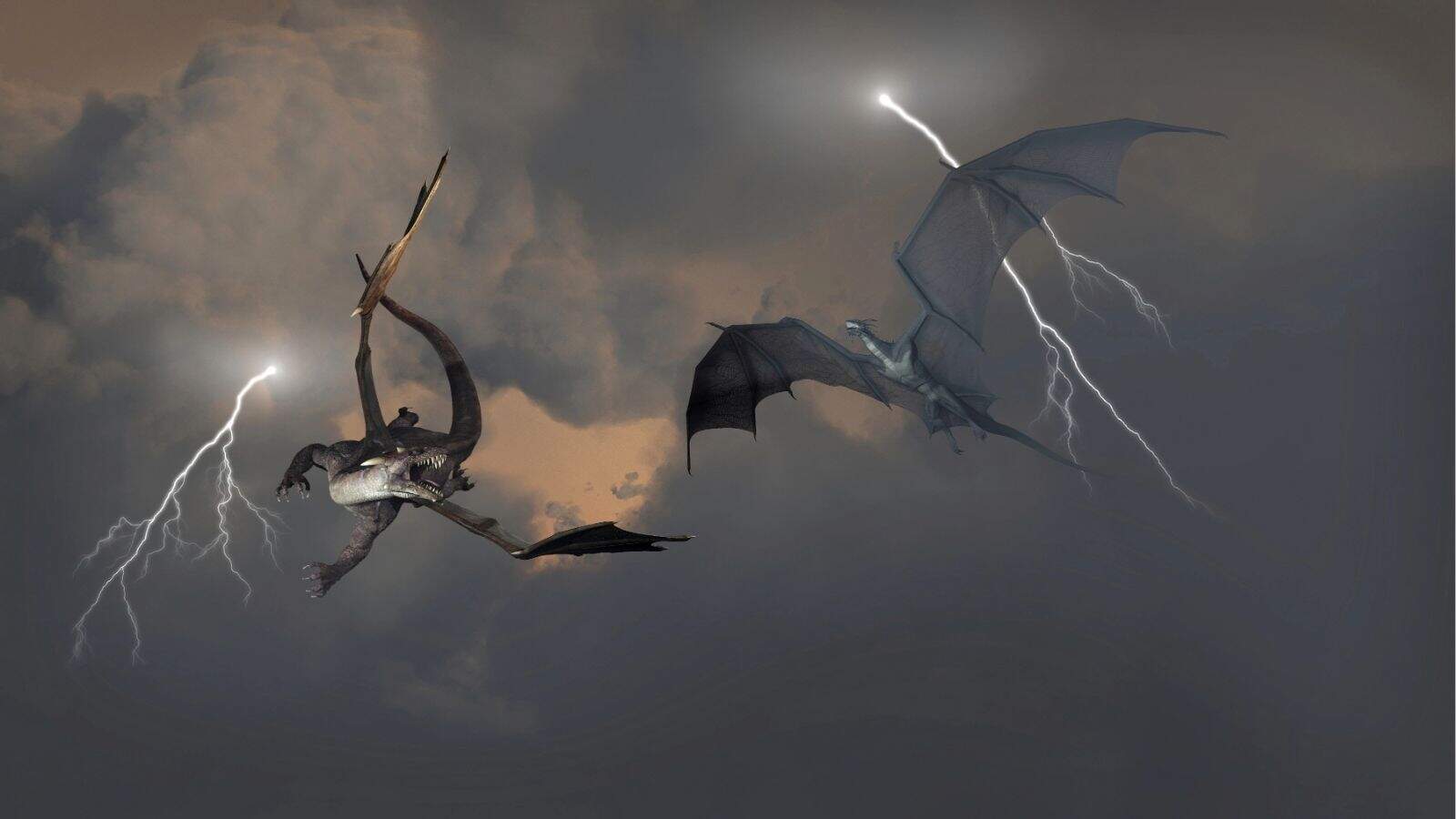
Dragons appear in myths across Europe and Asia, often symbolizing power, chaos, or wisdom. In Western tales, they were usually seen as dangerous beasts guarding treasure. In Eastern traditions, they were revered as protectors and bringers of rain.
Phoenix
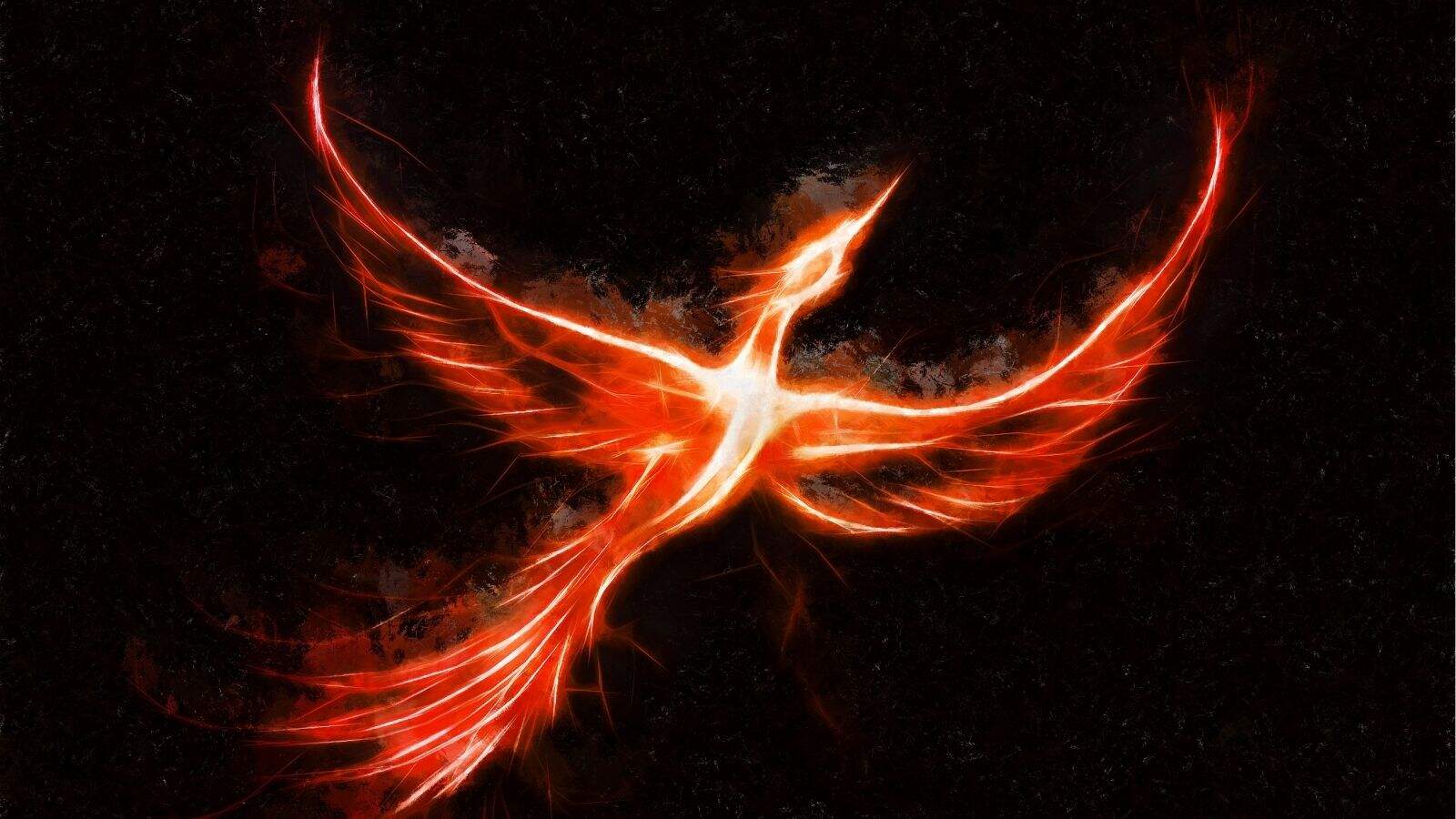
The phoenix is a mythical bird that bursts into flames and is reborn from its ashes. It represents renewal, immortality, and the cycles of life. Many cultures embraced it as a symbol of hope and resilience.
Unicorn
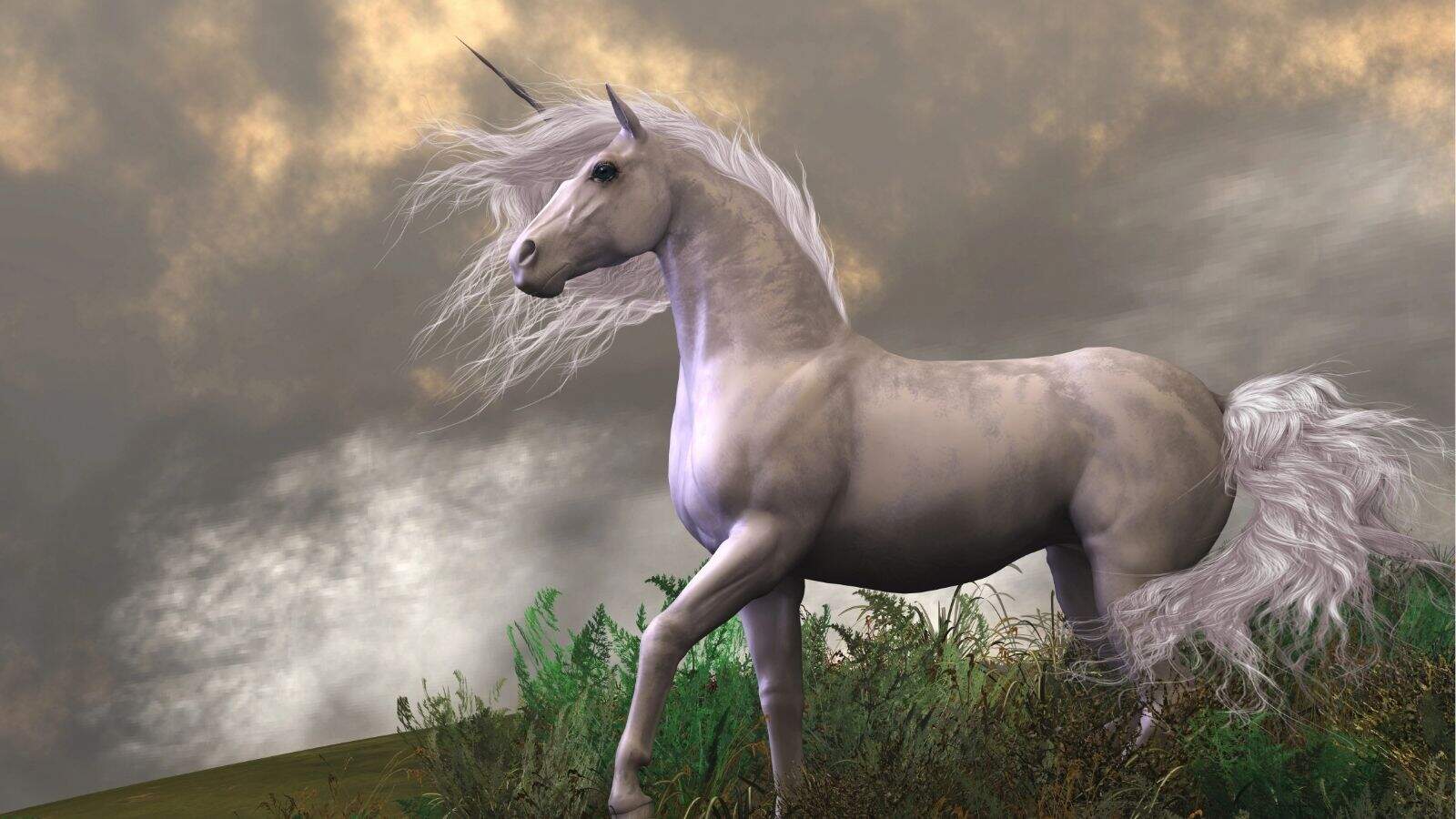
Unicorns were thought to be rare, pure creatures with magical healing powers. In European folklore, only the innocent could tame them. Their image became a lasting symbol of purity and grace.
Werewolves
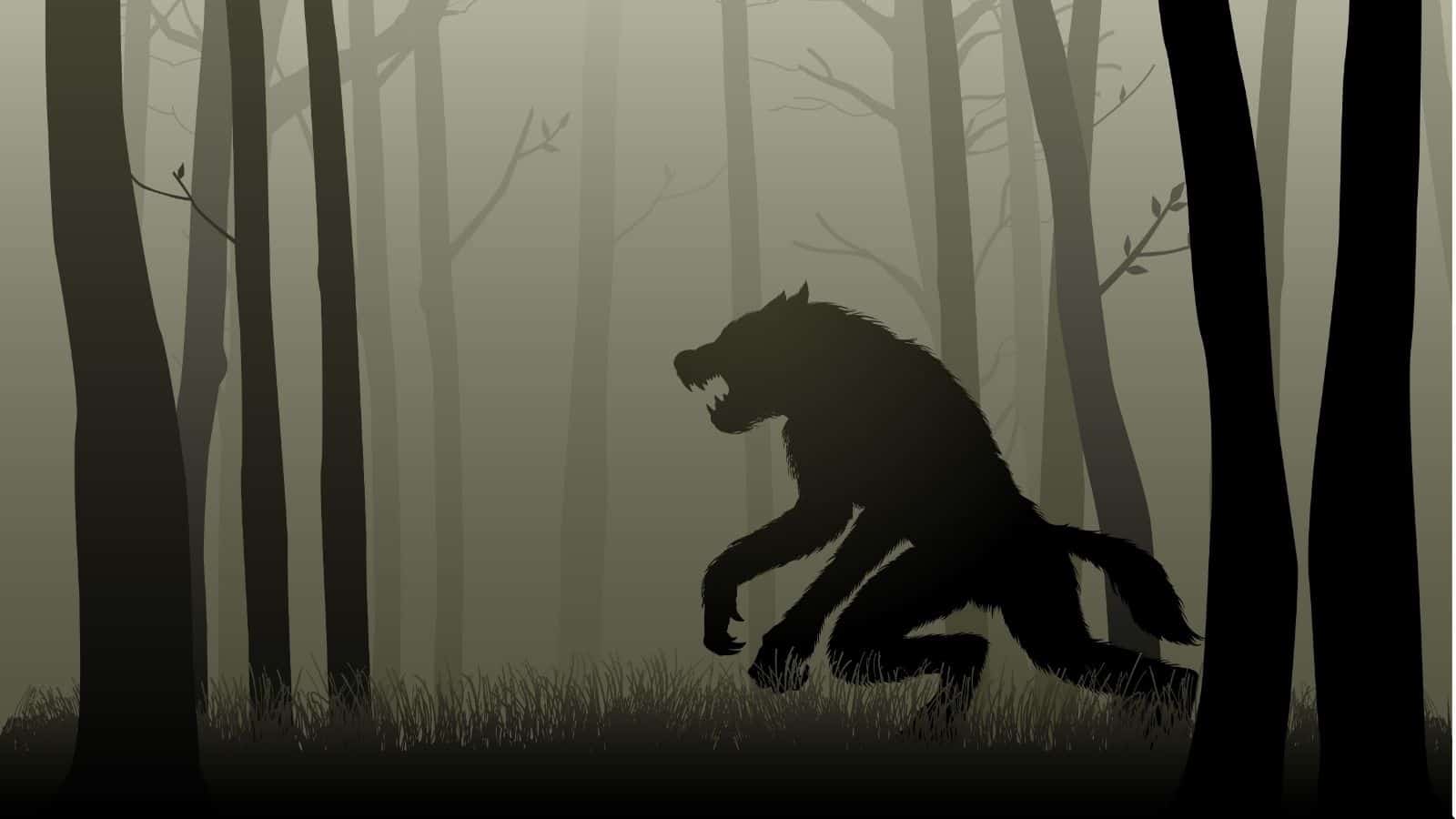
Legends of humans turning into wolves under the full moon date back centuries. They were often linked to fears of wild animals and uncontrollable instincts. Werewolf stories still thrive in popular culture today.
Mermaids
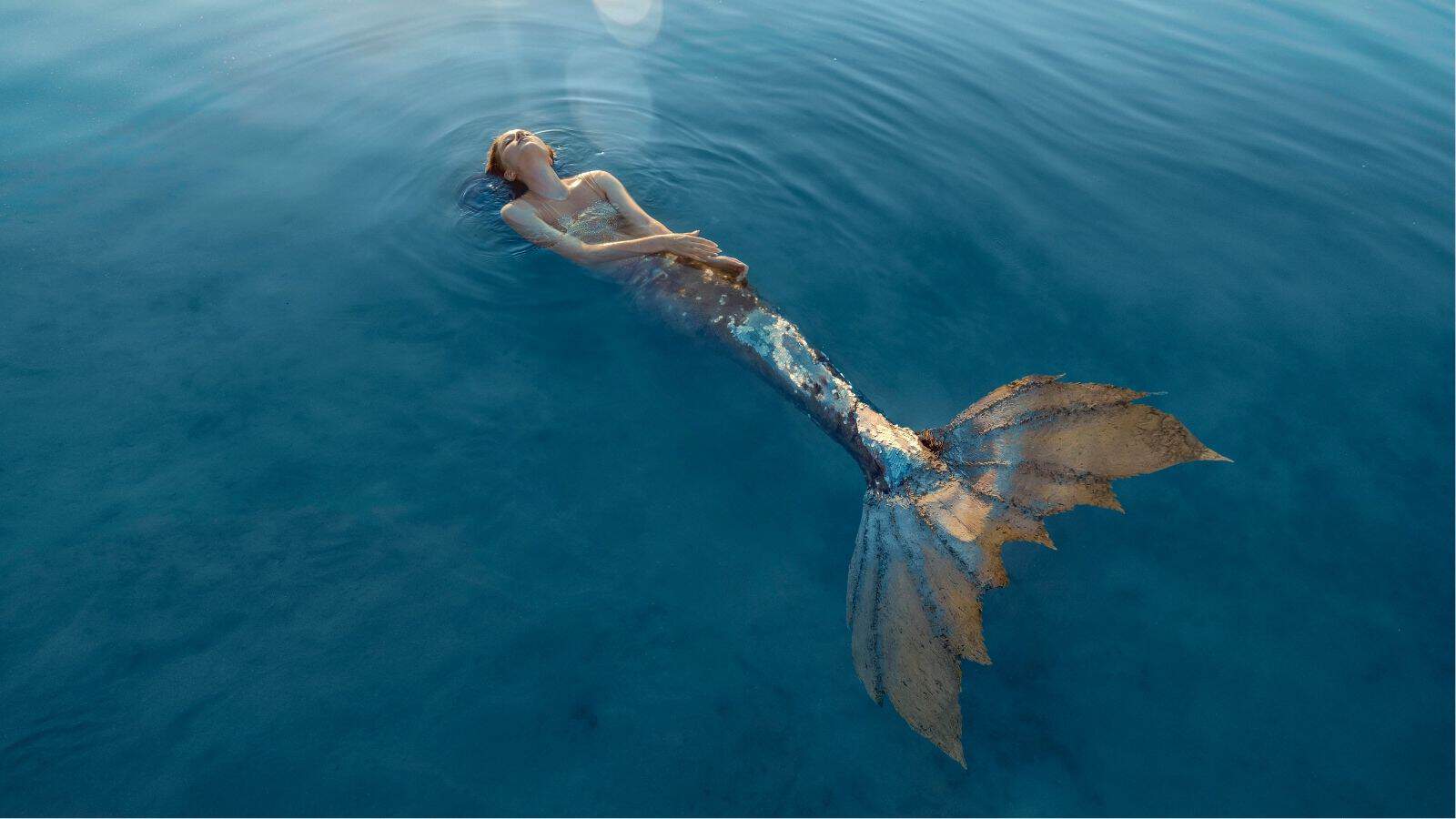
Mermaids were said to lure sailors with their beauty and song. Some tales described them as benevolent, while others painted them as dangerous tricksters. Their dual nature made them both fascinating and feared.
Fairies
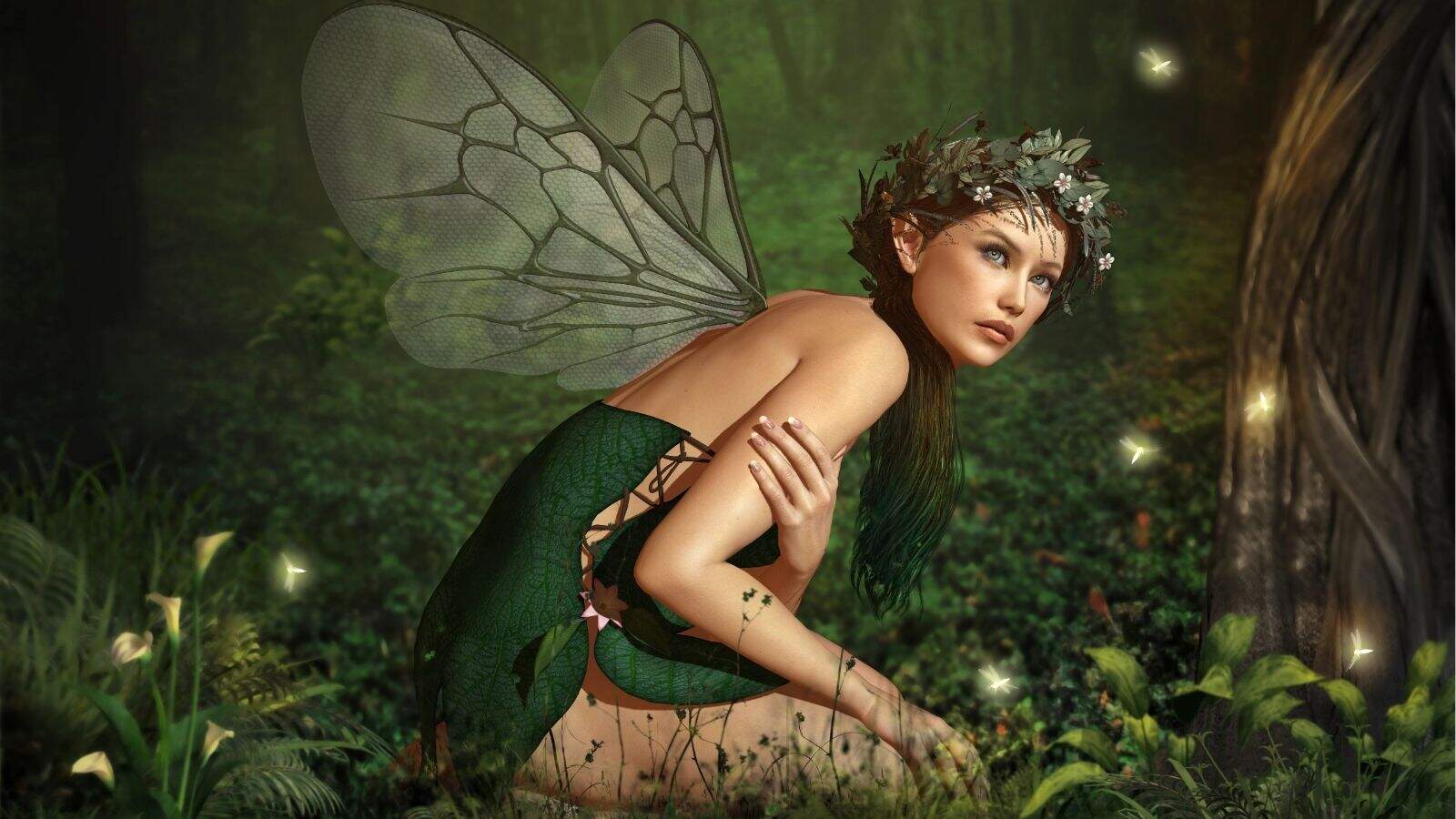
Fairies have been described as magical, mischievous beings living in hidden realms. In some stories, they offered blessings, while in others they caused trouble. They remain a staple of European folklore and fantasy.
Vampires
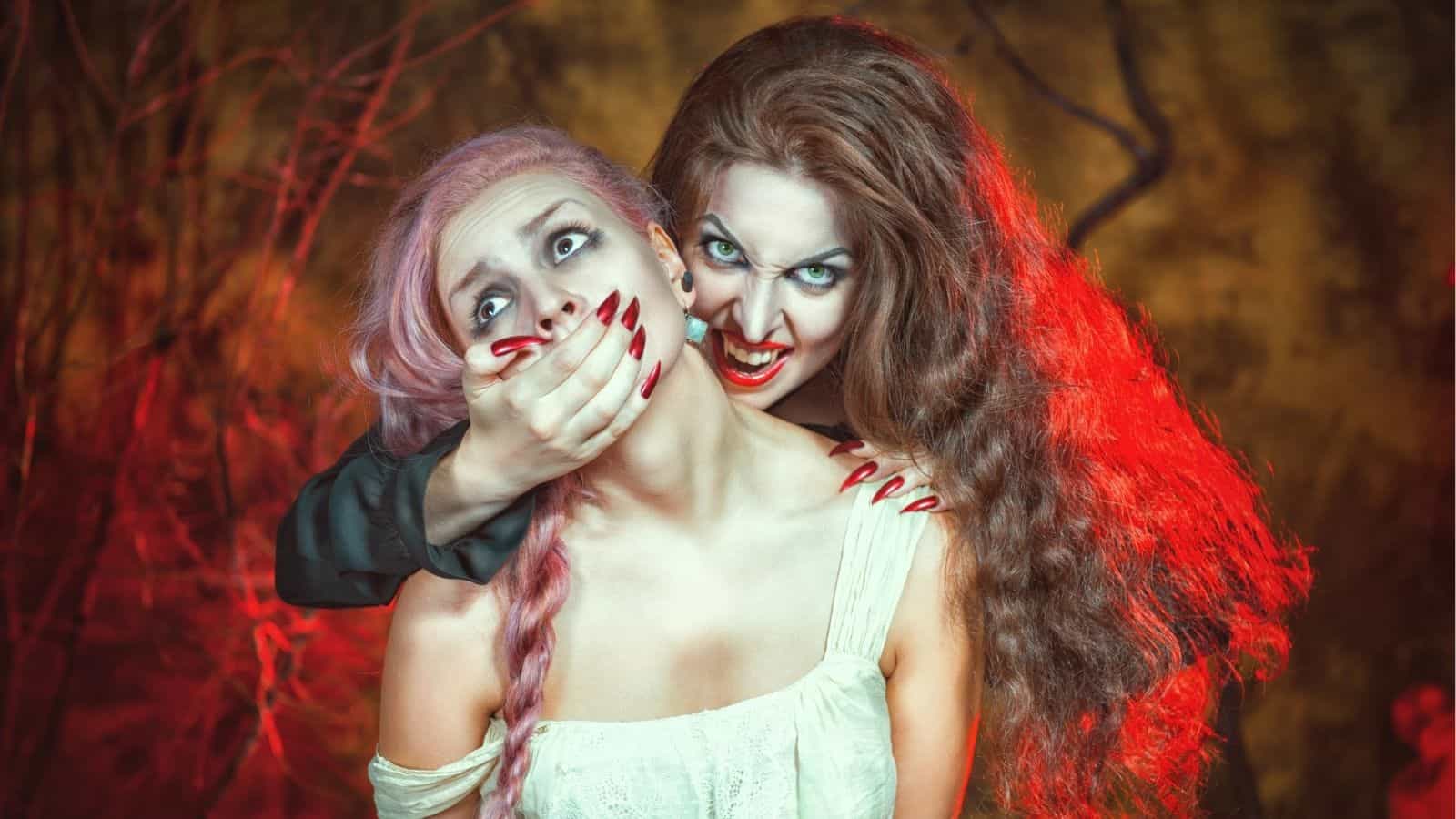
Vampires are undead beings that feed on human blood, often representing fear of death and disease. Legends of similar creatures exist in cultures worldwide. They have since evolved into one of the most popular figures in modern storytelling.
Kraken
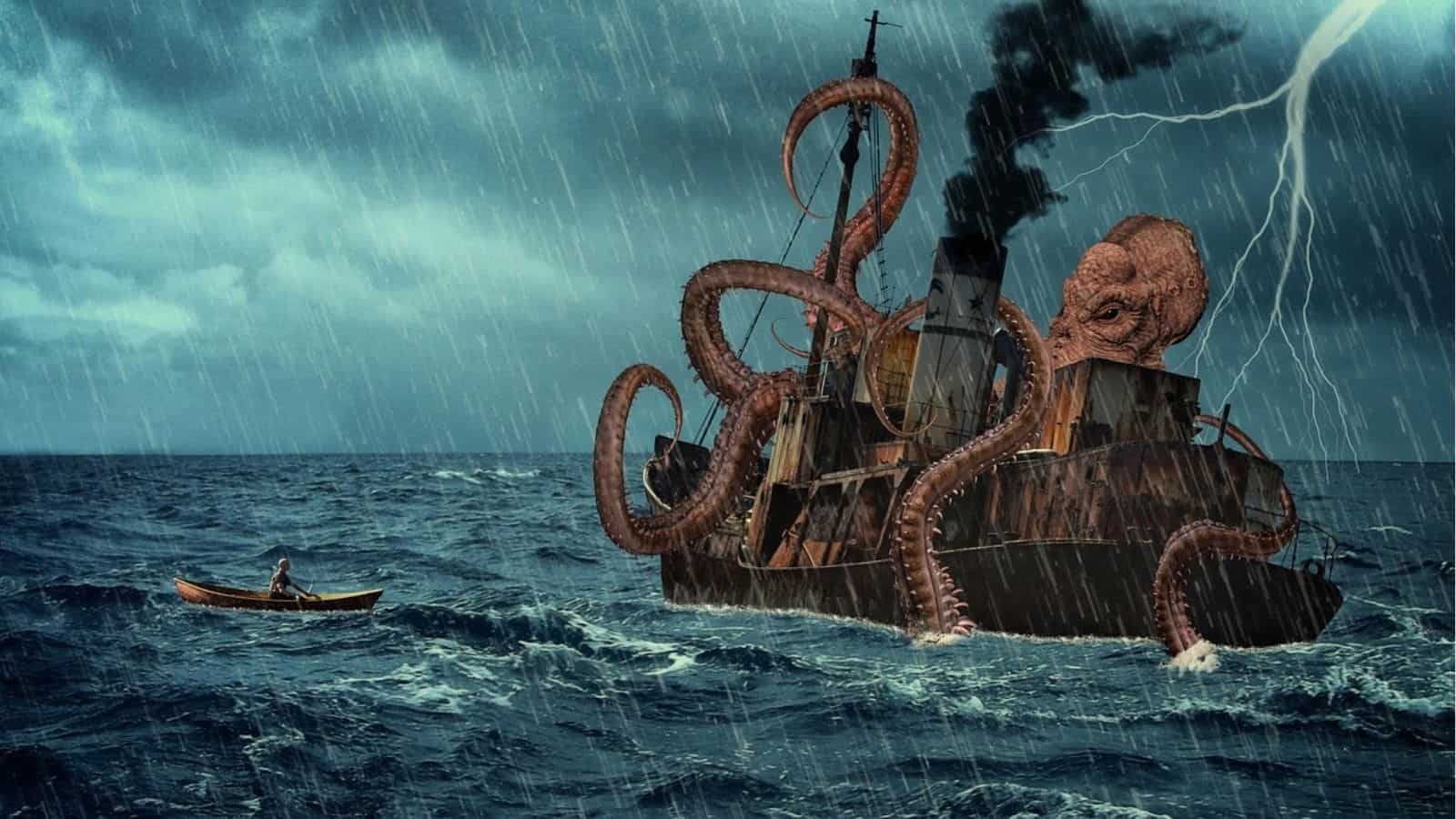
The kraken was a massive sea monster said to dwell off the coasts of Norway and Greenland. Sailors believed it could drag entire ships beneath the waves. It symbolized the dangers and mysteries of the deep sea.
Griffins
Griffins, with the body of a lion and the head and wings of an eagle, represented strength and guardianship. They were often depicted guarding treasures and sacred places. Their dual nature embodied both courage and vigilance.
Banshees
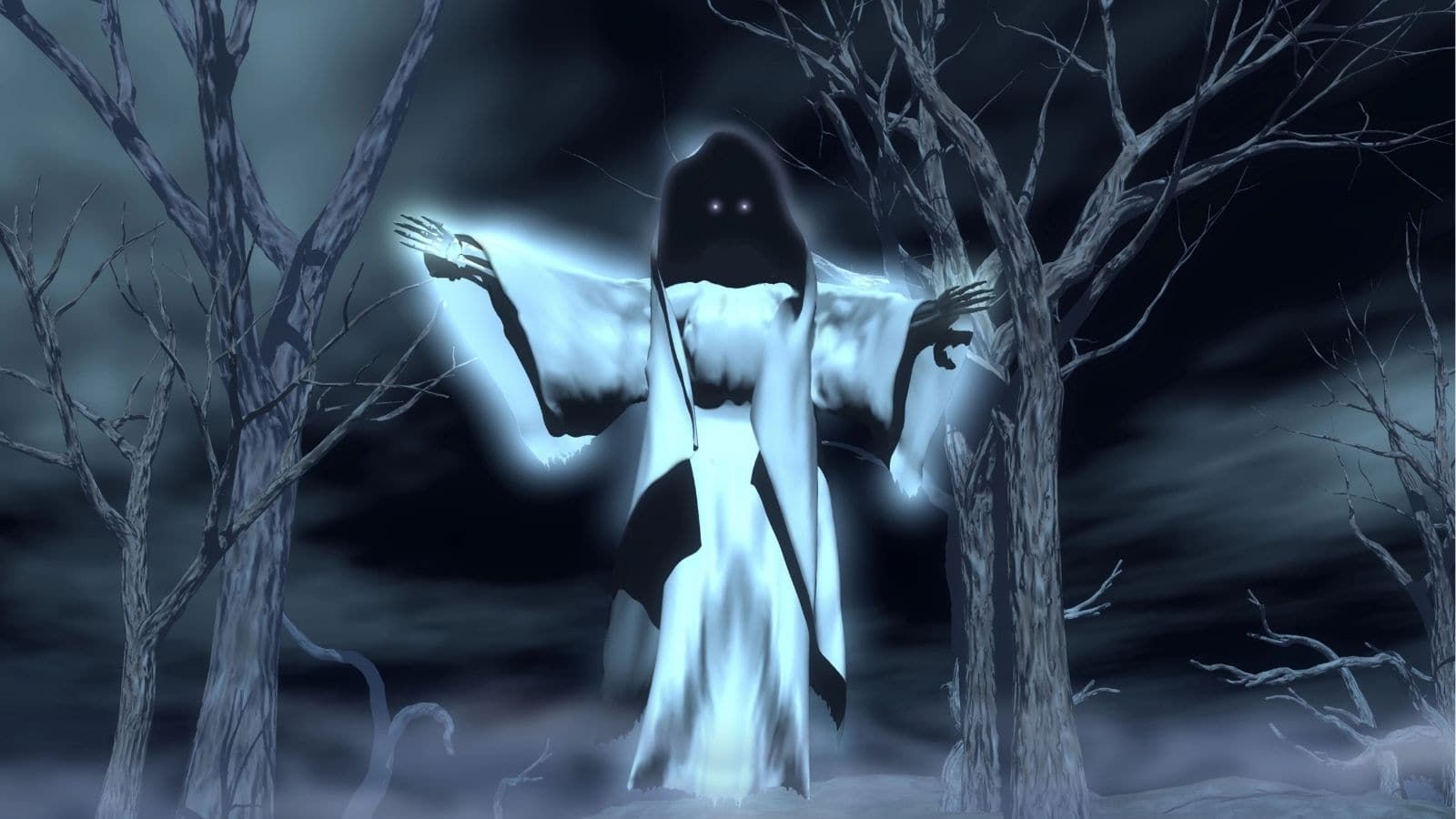
In Irish folklore, the banshee was a spirit whose wailing foretold death. Though feared, she was not seen as evil but as a messenger of fate. Her chilling cries remain one of the most haunting images in myth.
Chupacabra
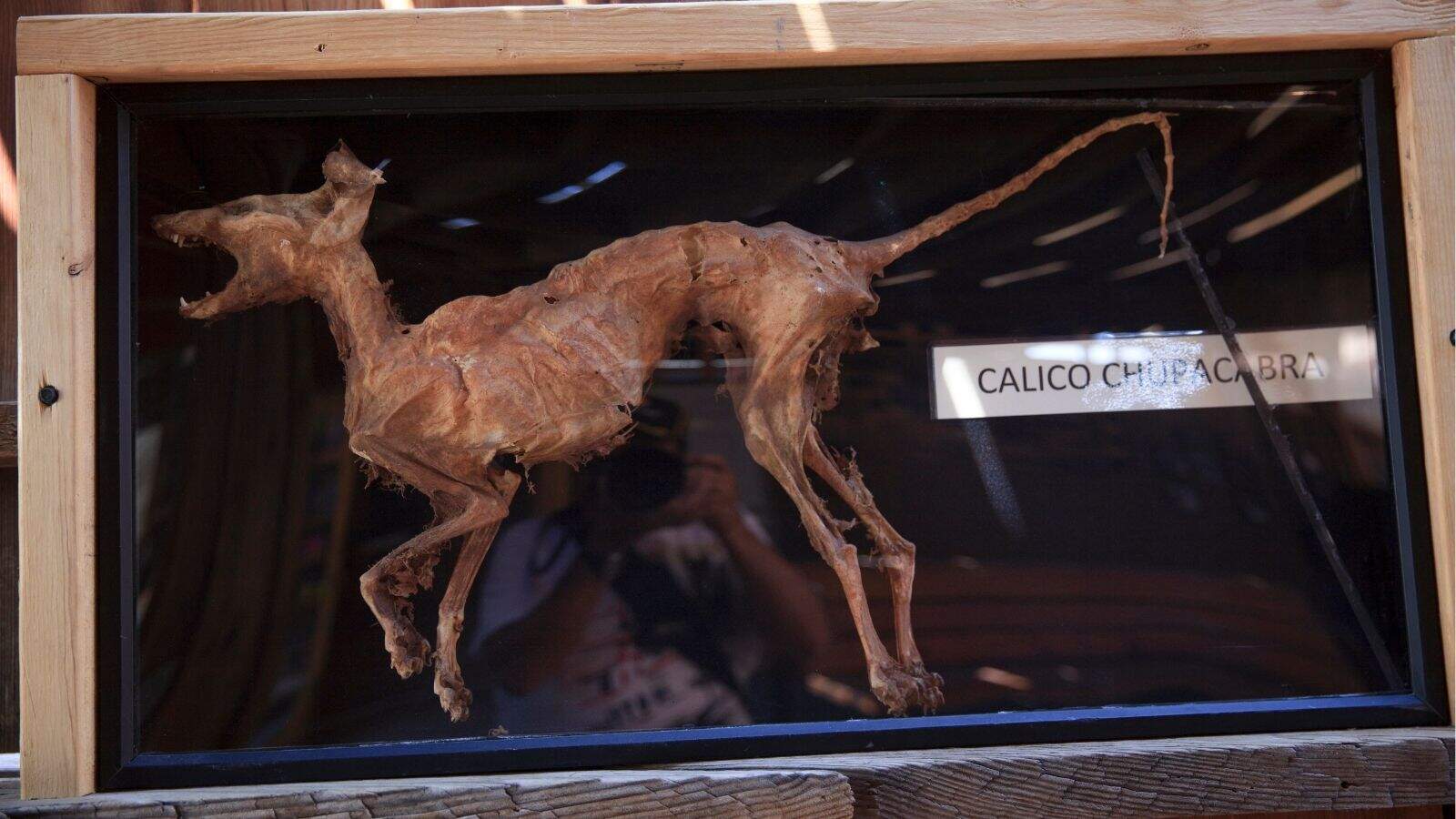
A more modern legend, the chupacabra is said to prey on livestock, especially goats. Stories of this creature began in Latin America in the 1990s. Its mysterious nature made it a lasting figure in cryptid lore.
Ravens
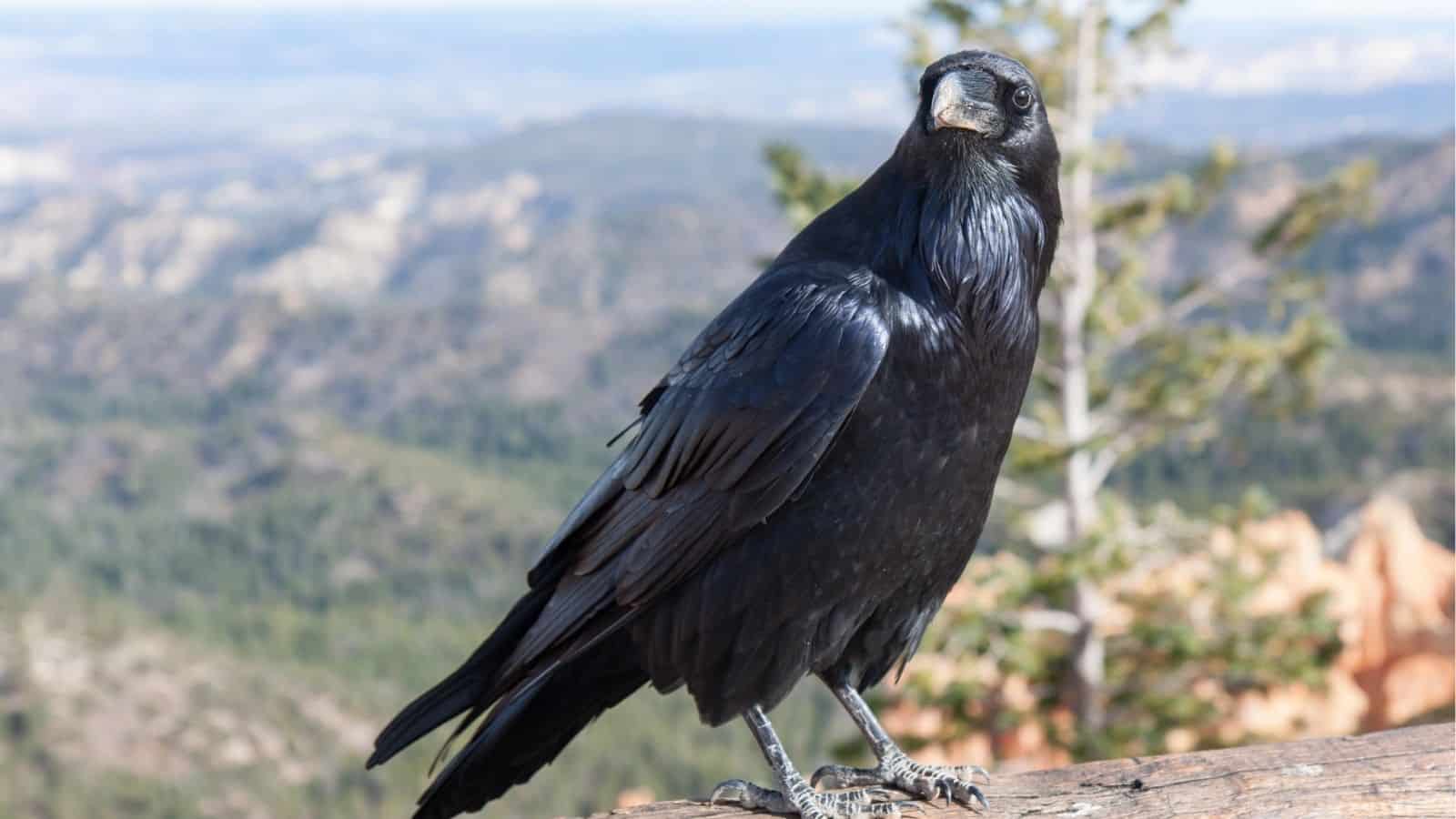
Ravens appear in many myths as symbols of mystery, prophecy, and intelligence. In Norse mythology, Odin’s ravens flew across the world to bring him knowledge. They continue to be seen as powerful omens in folklore.
Selkies
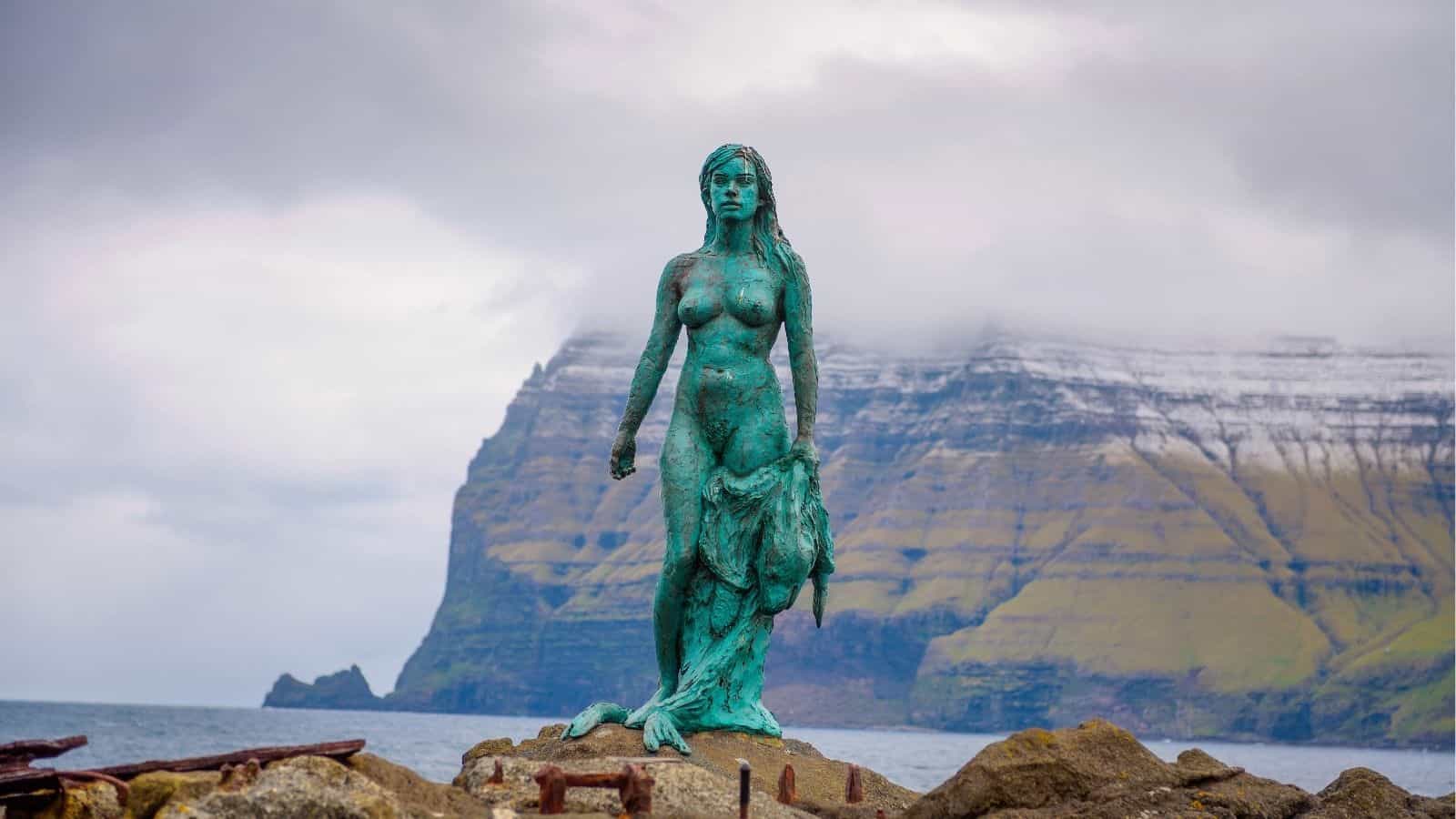
In Scottish and Irish folklore, selkies were seals that could shed their skins and become human. Their stories often explored themes of love, loss, and longing. These shapeshifters reflected the deep ties between people and the sea.
Folklore creatures carry more than just entertaining tales—they embody cultural values, fears, and the imagination of generations. From the fiery breath of dragons to the haunting song of mermaids, these beings remind us of the enduring power of myth. Even today, they continue to inspire stories, art, and wonder around the world.





Comments
No Comments