

For centuries, people around the world have found meaning in plants, seeing them as symbols of life, love, strength, and renewal. Whether through myth, religion, or tradition, plants have carried stories that connect nature to human experience. These timeless symbols remind us that beauty and meaning often bloom side by side.
Across different lands and generations, certain plants continue to hold special significance. Here are 13 plants that carry powerful symbolism across many cultures.
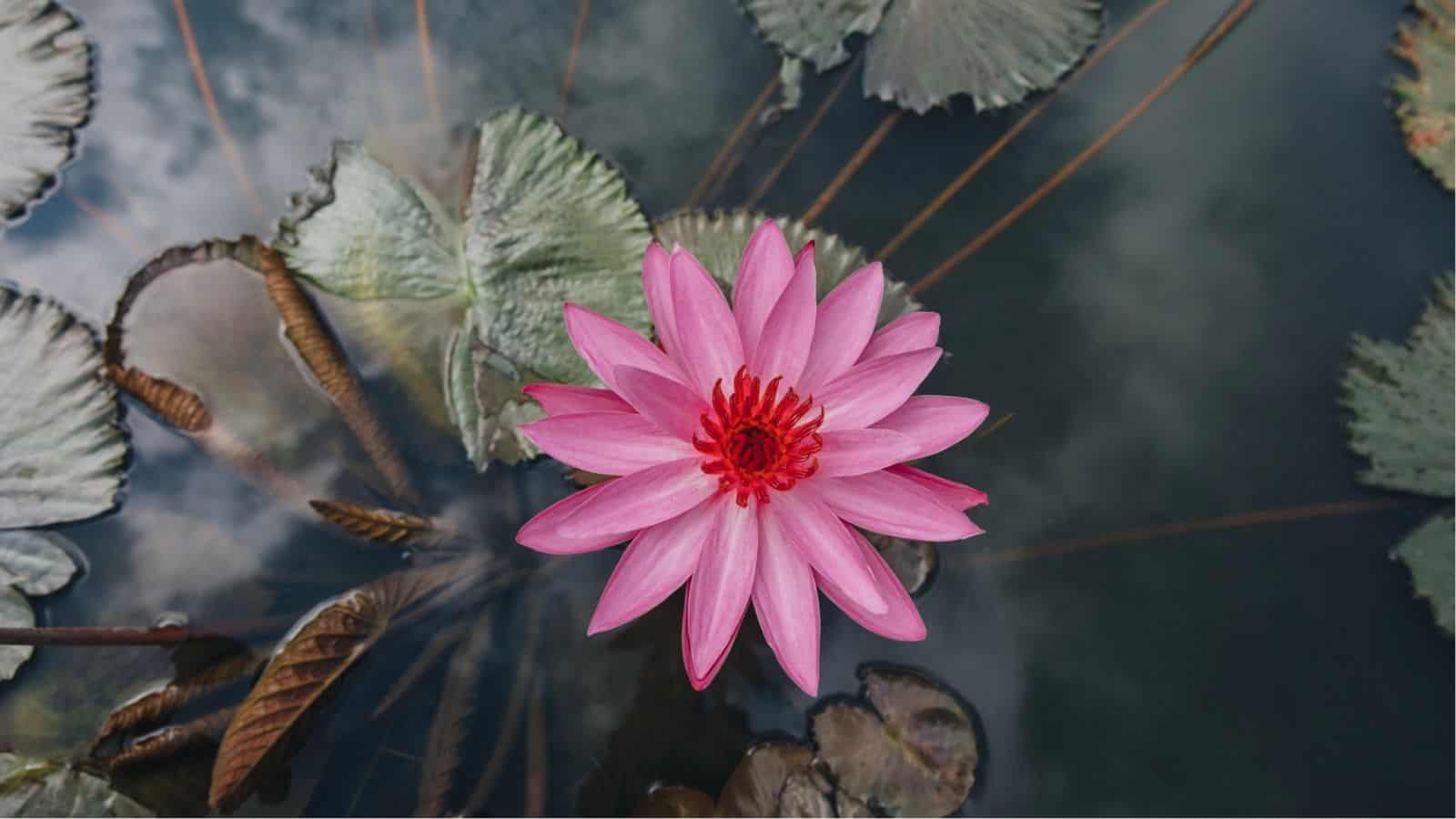
Lotus Flower
Jump to a Section
The lotus is a universal symbol of purity and enlightenment. In Buddhism and Hinduism, it represents spiritual awakening as it rises clean from muddy waters. Its journey from darkness to light mirrors personal growth and transformation.
Olive Tree

The olive tree stands for peace, wisdom, and endurance. Ancient Greeks believed it was a gift from the goddess Athena, symbolizing prosperity and protection. Its ability to thrive for centuries makes it a symbol of resilience and renewal.
Bamboo

Bamboo embodies strength, flexibility, and harmony. In many Asian cultures, it’s seen as a reminder to stay grounded yet adaptable. Its hollow core also represents humility and inner peace.
Rose

The rose has long symbolized love, beauty, and passion. In Western culture, red roses often express romantic love, while white ones signify purity. Across traditions, the rose reminds us of both beauty and fragility.
Oak Tree

The oak is a symbol of power, stability, and courage. It was sacred to ancient Celts and Greeks, representing endurance through life’s storms. Its deep roots and strong branches reflect wisdom and protection.
Lavender

Lavender represents calm, healing, and devotion. Its fragrance has been used in rituals to promote peace and clarity. Across cultures, it’s a gentle reminder to find serenity in simplicity.
Cherry Blossom

In Japan, cherry blossoms symbolize the fleeting beauty of life. Their short-lived bloom is a reminder to appreciate each moment. They represent renewal, hope, and the delicate balance of existence.
Sunflower

Sunflowers turn toward the sun, symbolizing warmth, optimism, and loyalty. In many cultures, they’re seen as emblems of happiness and energy. Their bright faces remind us to look toward the light even in difficult times.
Fern

Ferns are often linked to new beginnings and protection. In Maori culture, the unfurling fern frond represents growth and new life. Their quiet resilience makes them symbols of renewal and endurance.
Sage

Sage has long been associated with wisdom and cleansing. Indigenous cultures use it in smudging ceremonies to purify spaces and restore balance. It’s both a practical herb and a spiritual symbol of clarity.
Ivy

Ivy symbolizes loyalty, friendship, and eternal life. Its ability to cling and climb shows persistence and connection. In ancient times, it was also seen as a sign of lasting love and devotion.
Willow Tree

The willow tree represents resilience, intuition, and healing. It bends with the wind but rarely breaks, symbolizing emotional strength. Across cultures, it’s seen as a tree of comfort and quiet wisdom.
Pomegranate
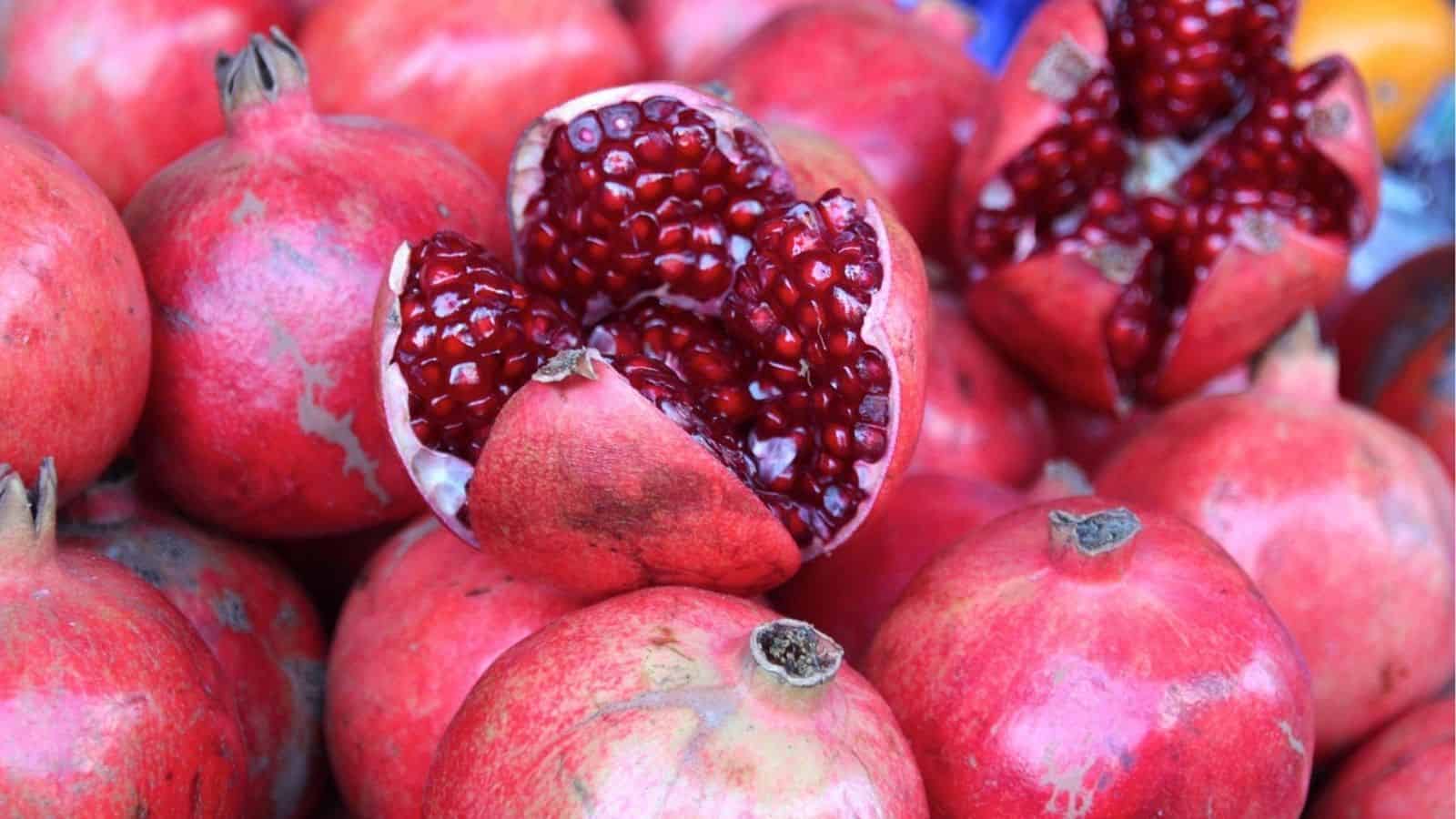
The pomegranate symbolizes fertility, abundance, and rebirth. In Greek mythology, it’s linked to Persephone and the changing of seasons. Across cultures, its many seeds represent life’s richness and renewal.
From sacred trees to healing herbs, plants have always carried meanings that connect people across time and culture. Their stories remind us that nature’s language is universal—rooted in growth, balance, and the beauty of life itself.





Comments
No Comments