

As colder weather settles in, your home may start showing subtle signs that something needs attention. These small clues are easy to overlook but can help you prevent bigger issues later in the season. Paying attention now can save money, stress, and unexpected repairs.
With a little observation and quick action, you can keep your home comfortable and running smoothly all winter long. Here are 15 quiet signs that your home is hinting for care as temperatures fall.
Drafts You Suddenly Notice

Jump to a Section
A light chill near windows or doors can mean the weatherstripping is failing. Small drafts let warm air escape and cold air creep in. Fixing them early can reduce heating costs and improve comfort.
Windows Fogging More Than Usual
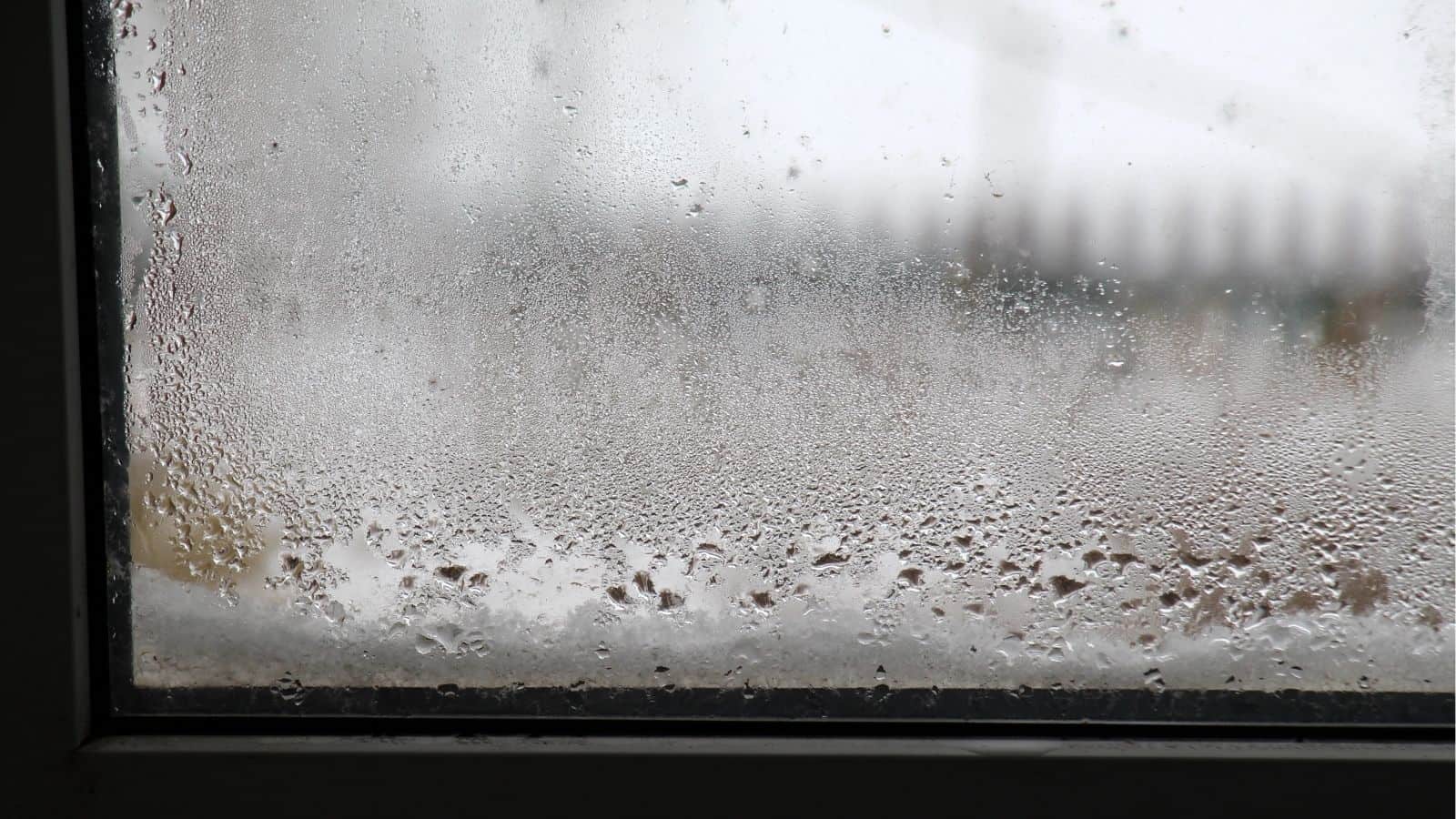
Foggy windows can signal poor ventilation or humidity imbalances. Excess moisture can lead to mold growth if ignored. Clearing the air helps protect both your home and your health.
Floors Feeling Colder
If your floors suddenly feel icy, insulation beneath them might be thinning or inadequate. Cold floors can also point to gaps around the foundation. Addressing this helps keep your home warmer with less energy.
Furnace Kicking On More Frequently

Rapid furnace cycling means your heating system is working harder than normal. It could be caused by clogged filters, weak insulation, or thermostat issues. Early troubleshooting helps prevent breakdowns in freezing weather.
Strange Smells When Heat Turns On

A musty or dusty smell when the heater starts can indicate buildup in vents or ducts. It might also point to moisture issues or dirty filters. Cleaning the system improves air quality and efficiency.
Hot and Cold Spots in Rooms

Uneven temperatures throughout your home suggest airflow problems. Vents may be blocked or ducts could be leaking. Balancing the airflow helps your HVAC system run smoothly.
Cracks Widening in Walls or Ceilings

Small cracks can expand as temperatures drop and materials contract. While often harmless, some may indicate shifting or moisture problems. Keeping an eye on them helps catch structural issues early.
Doors Suddenly Sticking
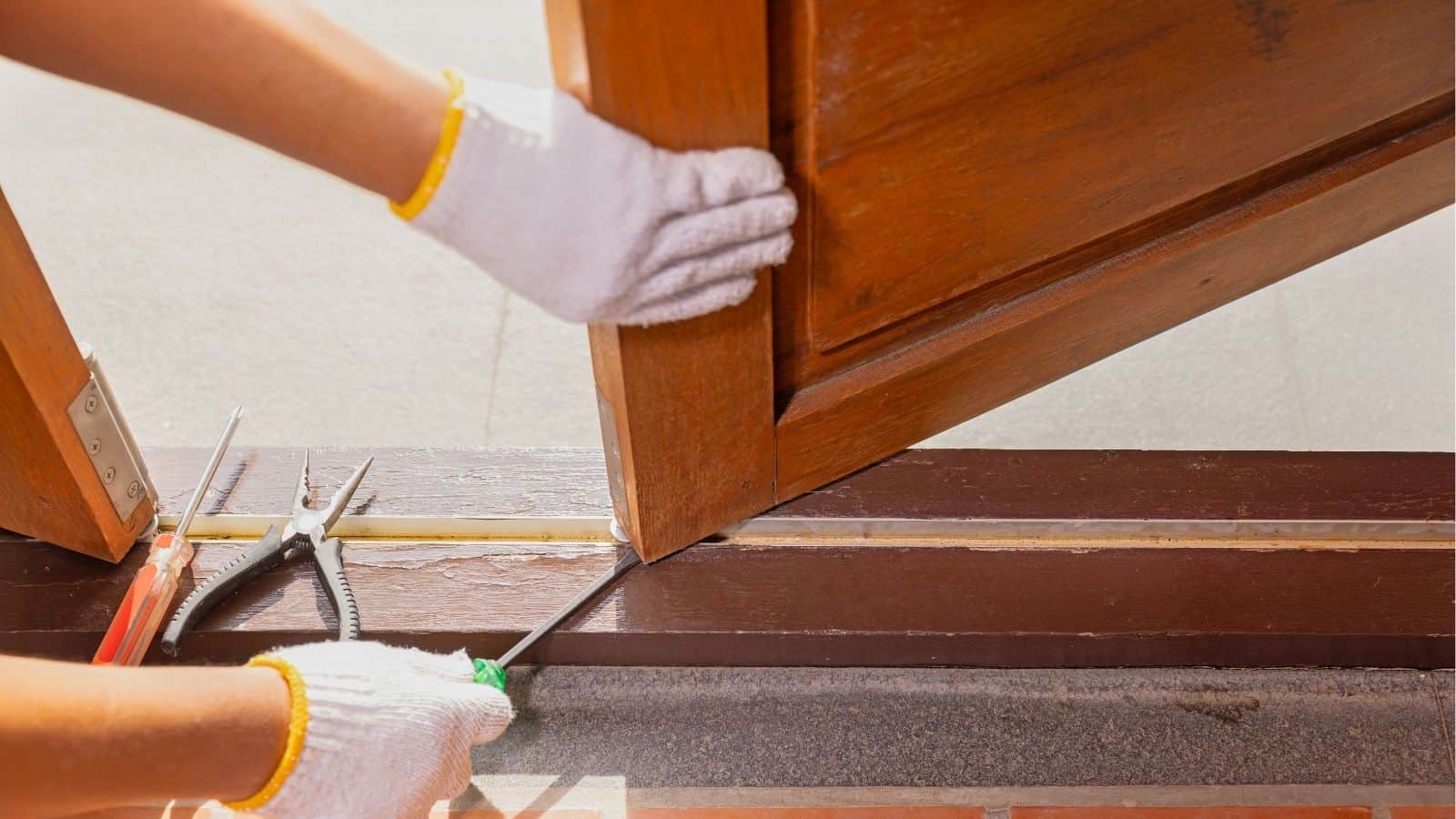
When doors swell or stick, it can signal rising humidity or shifting frames. These small changes may mean moisture is creeping where it shouldn’t. Fixing the source protects your home’s structure.
Higher Energy Bills Without Reason
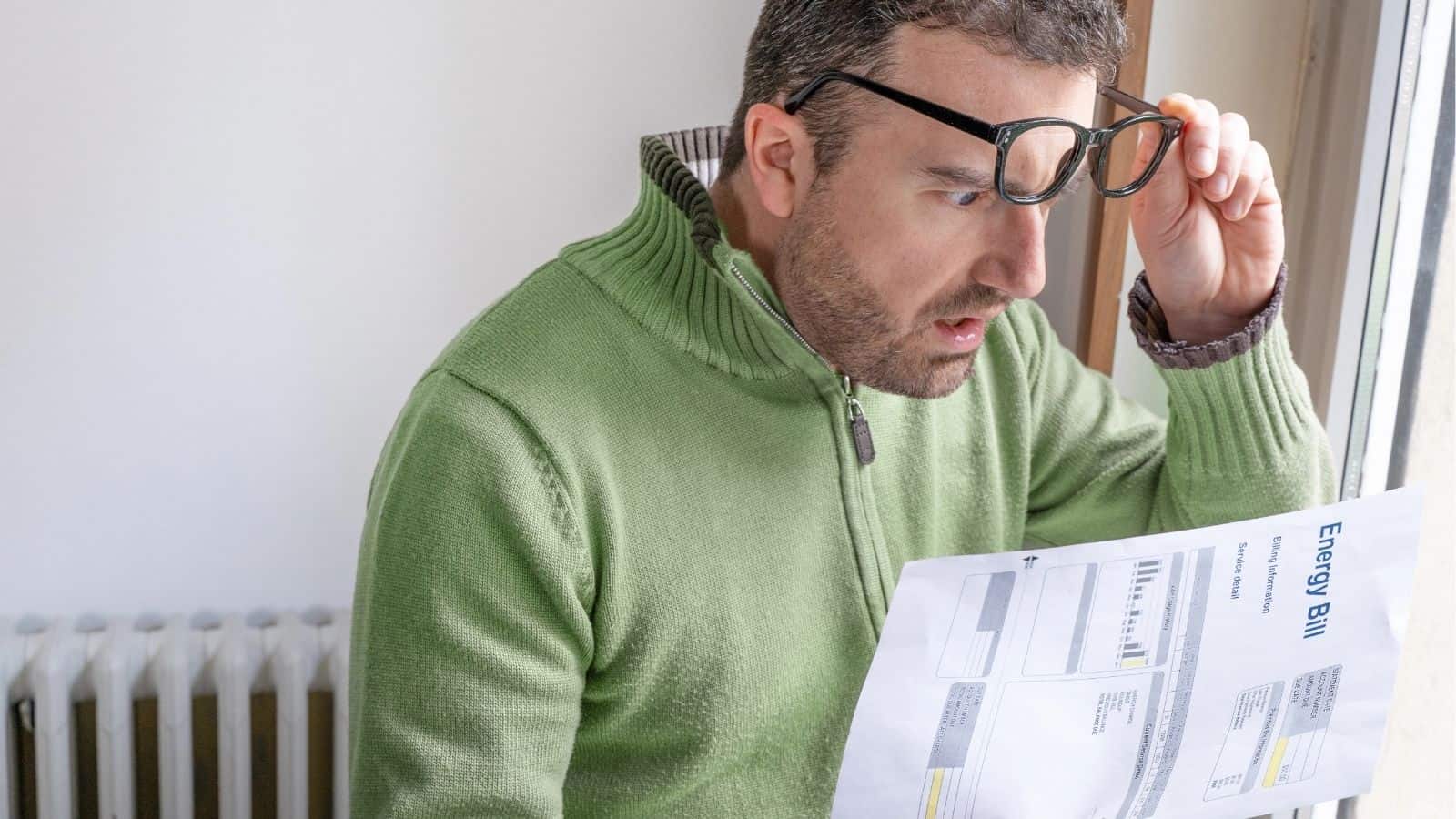
A sudden energy increase is a quiet warning of heat loss. Poor insulation, leaky windows, or inefficient appliances might be to blame. Tracking the cause helps reduce waste and expense.
Outlets Feeling Warm

Warm or buzzing outlets are subtle but serious warnings. They can indicate faulty wiring or overloaded circuits. Addressing this quickly ensures your home stays safe during heavy winter electricity use.
Dust Building Up Faster

Excess dust can mean your HVAC system isn’t filtering properly. It may be time to clean vents or replace the filter. Cleaner air keeps your home healthier and your system more efficient.
Weak Water Pressure

Lower pressure in winter could point to the early stages of pipe freezing. Pipes under strain are more likely to burst during deep freezes. Acting early can prevent a costly and damaging leak.
Gutter Overflow After Light Rain
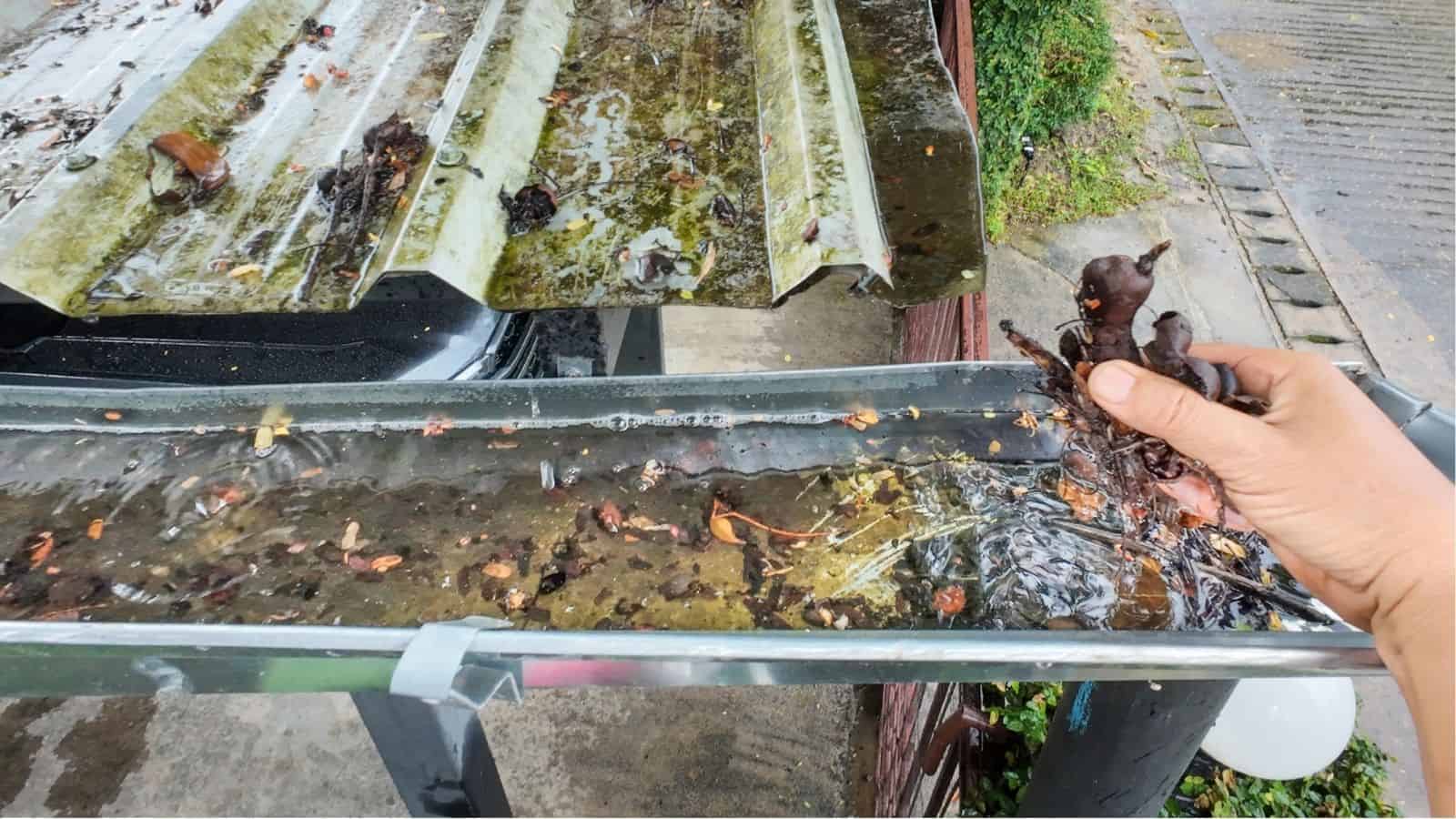
If water pours over the sides easily, your gutters are likely clogged with leaves or debris. Blocked gutters lead to ice dams and roof damage in cold weather. Cleaning them now prevents springtime repairs.
Damp Spots in the Basement
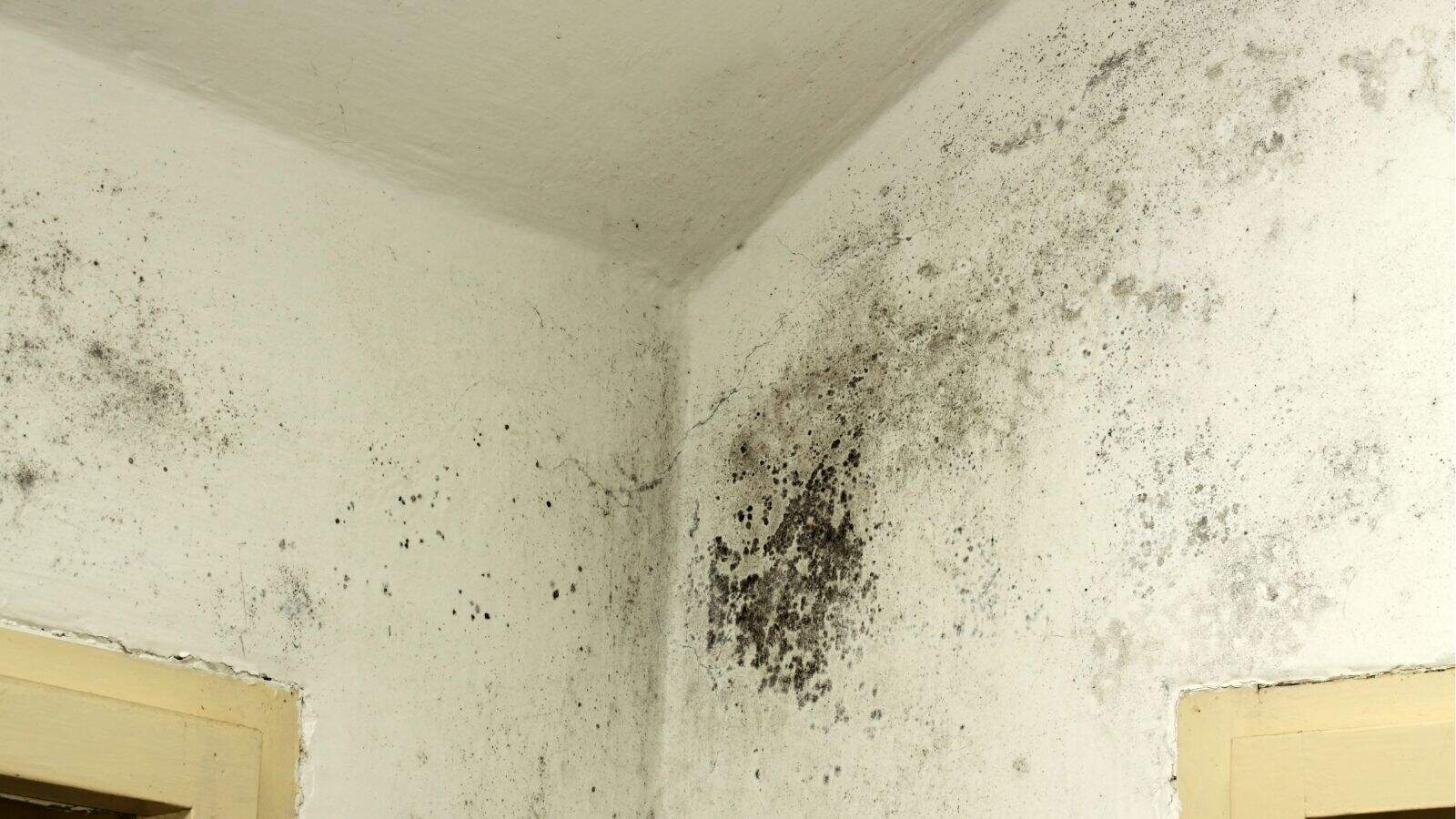
Moisture in the basement can sneak up as colder air meets foundation walls. Even small damp patches can indicate poor drainage or insulation. Fixing it early helps prevent mold and long-term structural issues.
Strange Noises in the Walls

Popping, tapping, or scratching sounds can mean rodents or temperature-related contractions. Both deserve attention, especially before winter fully sets in. Dealing with the cause protects your home and peace of mind.
These quiet warning signs may seem minor, but they can reveal important changes happening in your home as temperatures drop. Taking care of them now helps prevent major headaches once winter arrives.





Comments
No Comments