

For centuries, humans have told stories about nature, explaining the mysteries of the world through myth and legend. These old-world nature myths often combine curiosity, imagination, and lessons about the natural world.
Even today, they capture our imagination and remind us of the wonder around us. These 15 myths show how folklore connects people to the environment. They continue to inspire awe, storytelling, and a deeper appreciation for nature’s magic.
The Sun and the Moon as Lovers

Jump to a Section
Many cultures imagined the sun and moon as star-crossed lovers. Their movements across the sky told stories of pursuit and separation. This myth makes daily celestial events feel poetic and alive.
The Origin of Rainbows
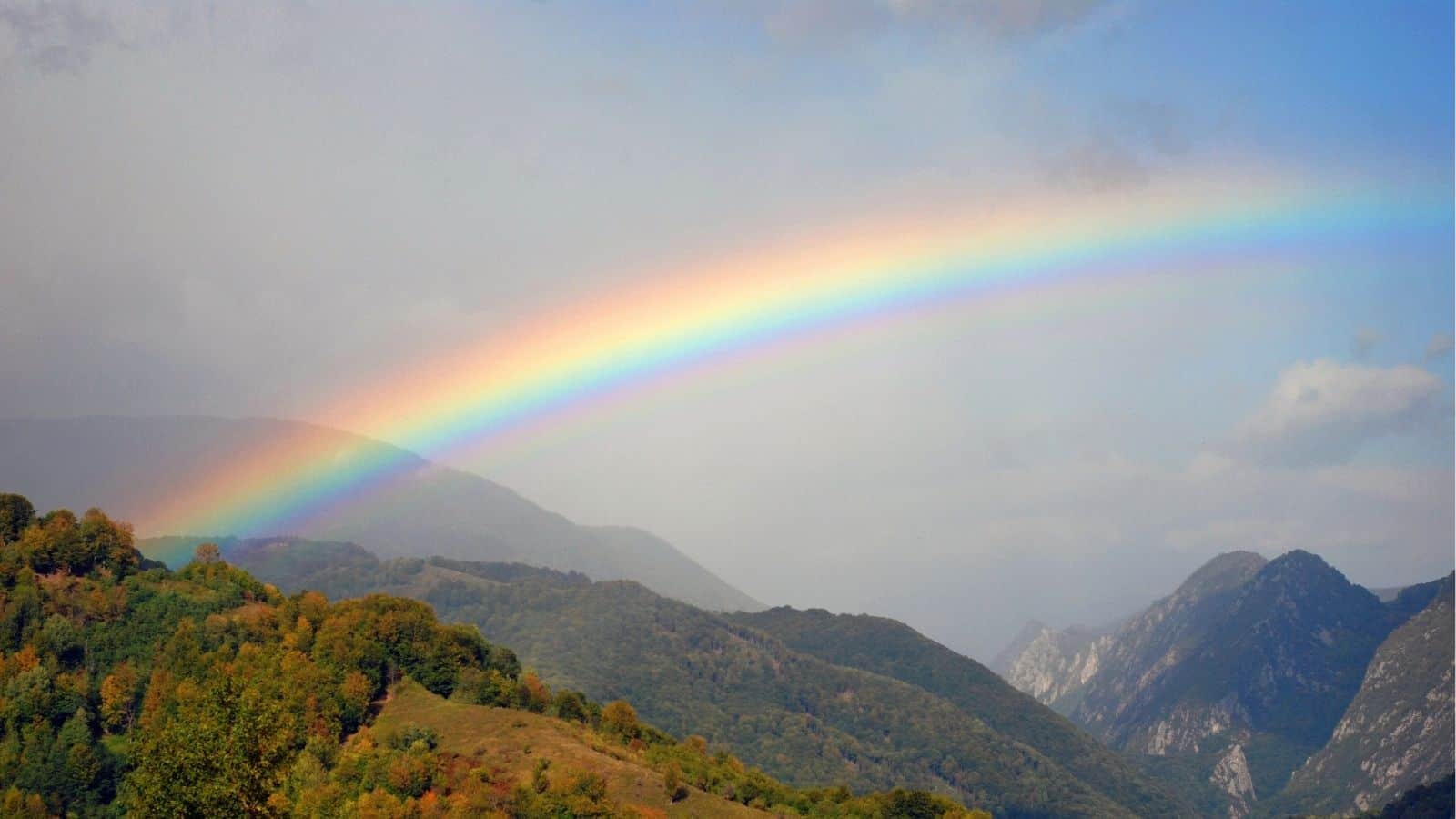
Some legends claimed rainbows were bridges for gods or spirits. In Norse myth, the rainbow bridge Bifröst connected Earth and Asgard. Rainbows became symbols of hope and divine connection.
Trees as Spirits or Guardians
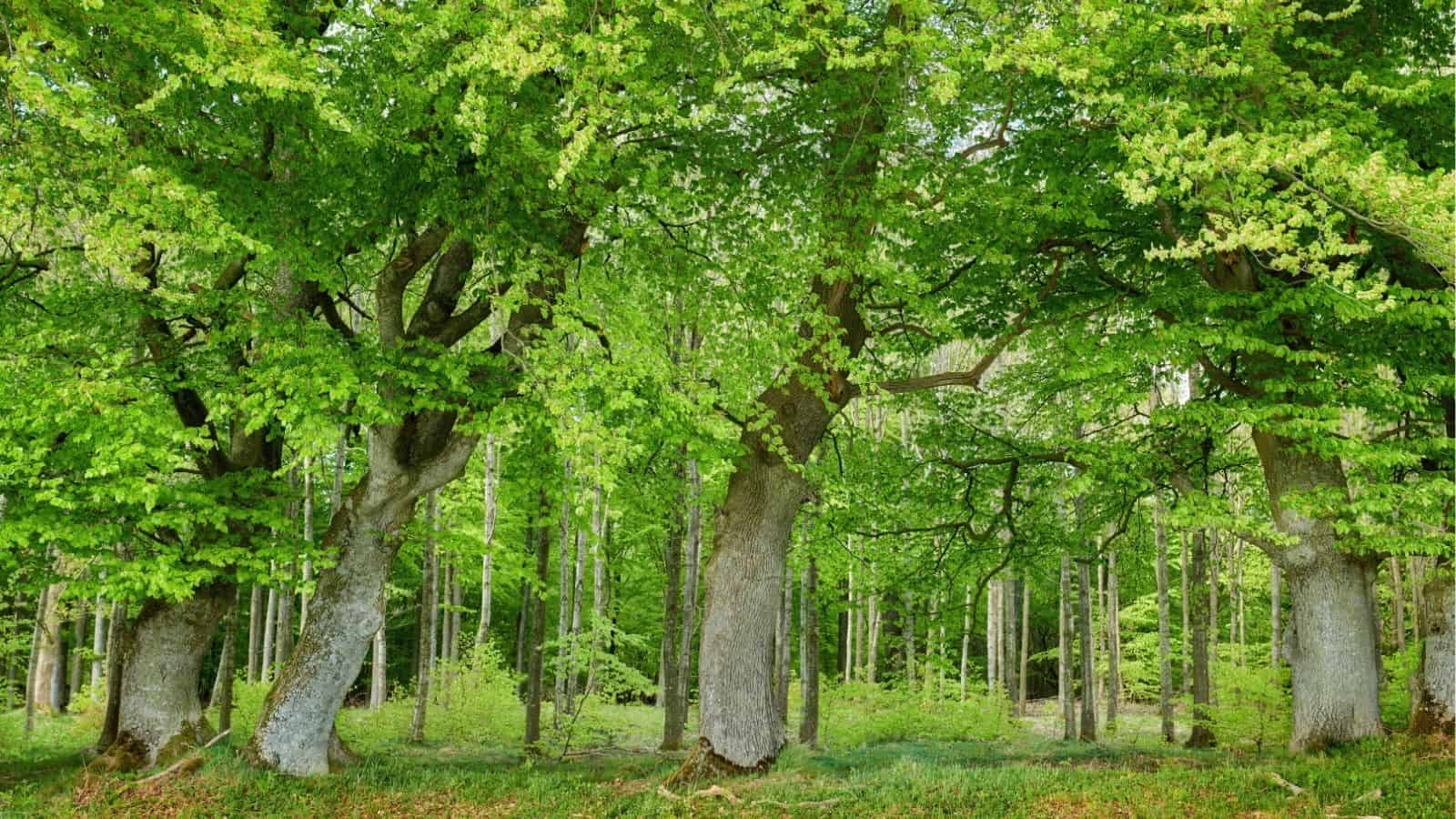
Many traditions believed trees held spirits or protective powers. Certain trees were considered sacred and avoided for cutting. This myth highlights respect for nature and its mysteries.
Talking Animals as Messengers

In old folklore, animals often carried messages between humans and the divine. Owls, foxes, and wolves were imbued with intelligence and meaning. These stories gave everyday wildlife an enchanting significance.
The Midnight Sun and Polar Legends
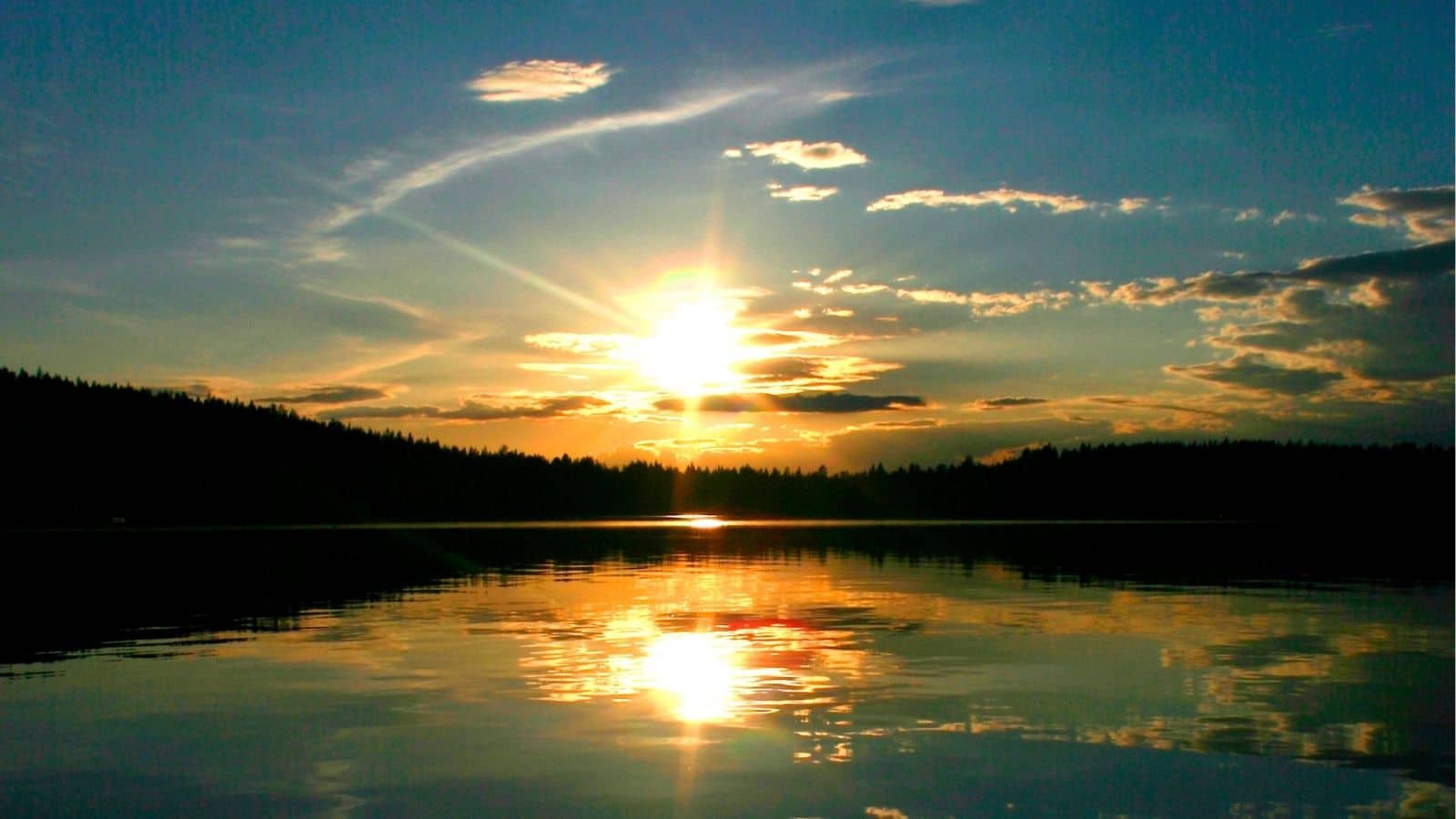
Northern peoples told tales explaining the endless daylight or darkness of polar regions. Stories of magical creatures or celestial events explained these extremes. They added wonder to otherwise harsh landscapes.
The Origin of Storms
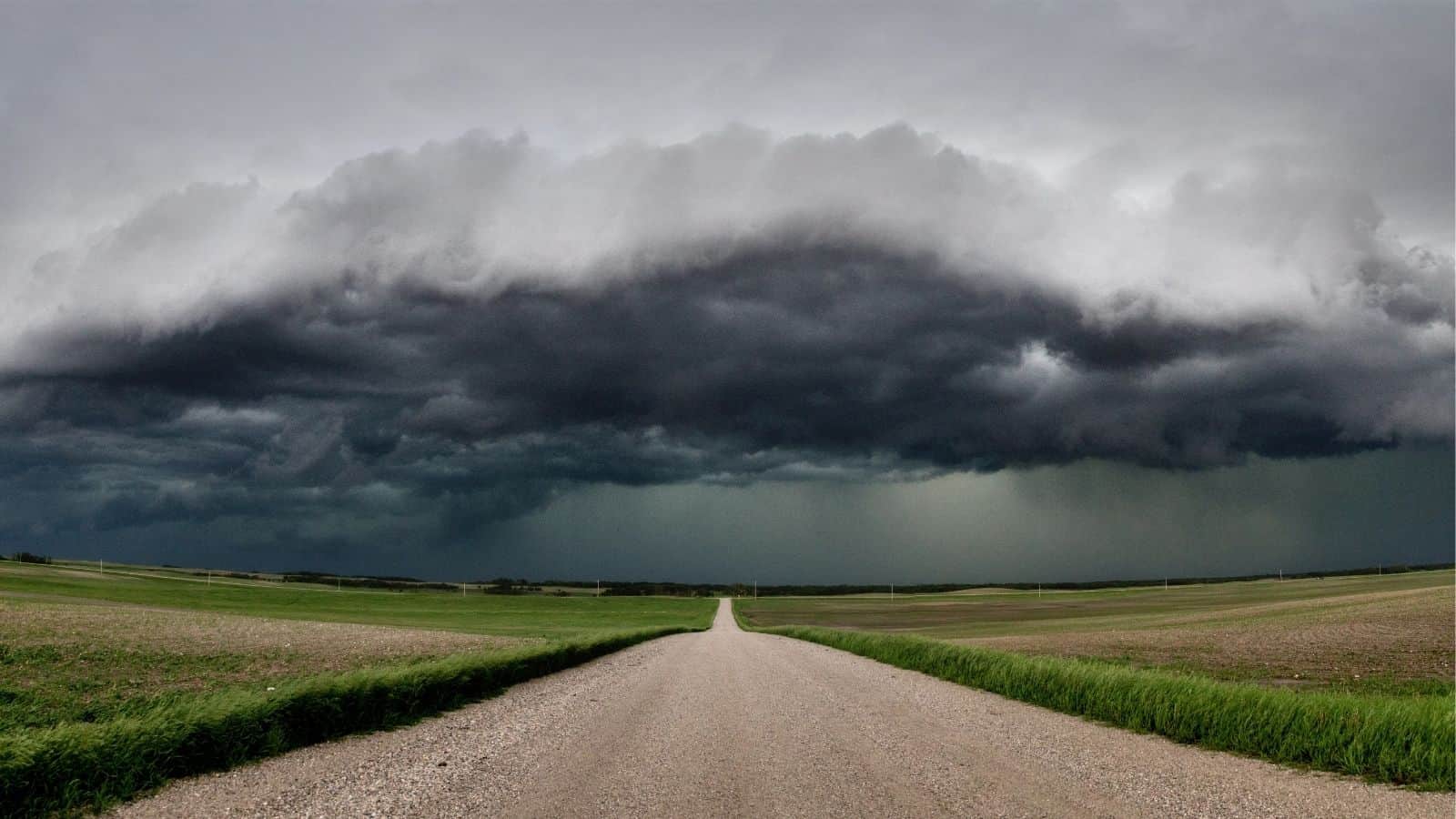
Storms were often described as battles between gods or spirits. Lightning, thunder, and wind carried moral or cautionary messages. These myths made powerful natural events meaningful rather than frightening.
Moon Phases and Human Behavior
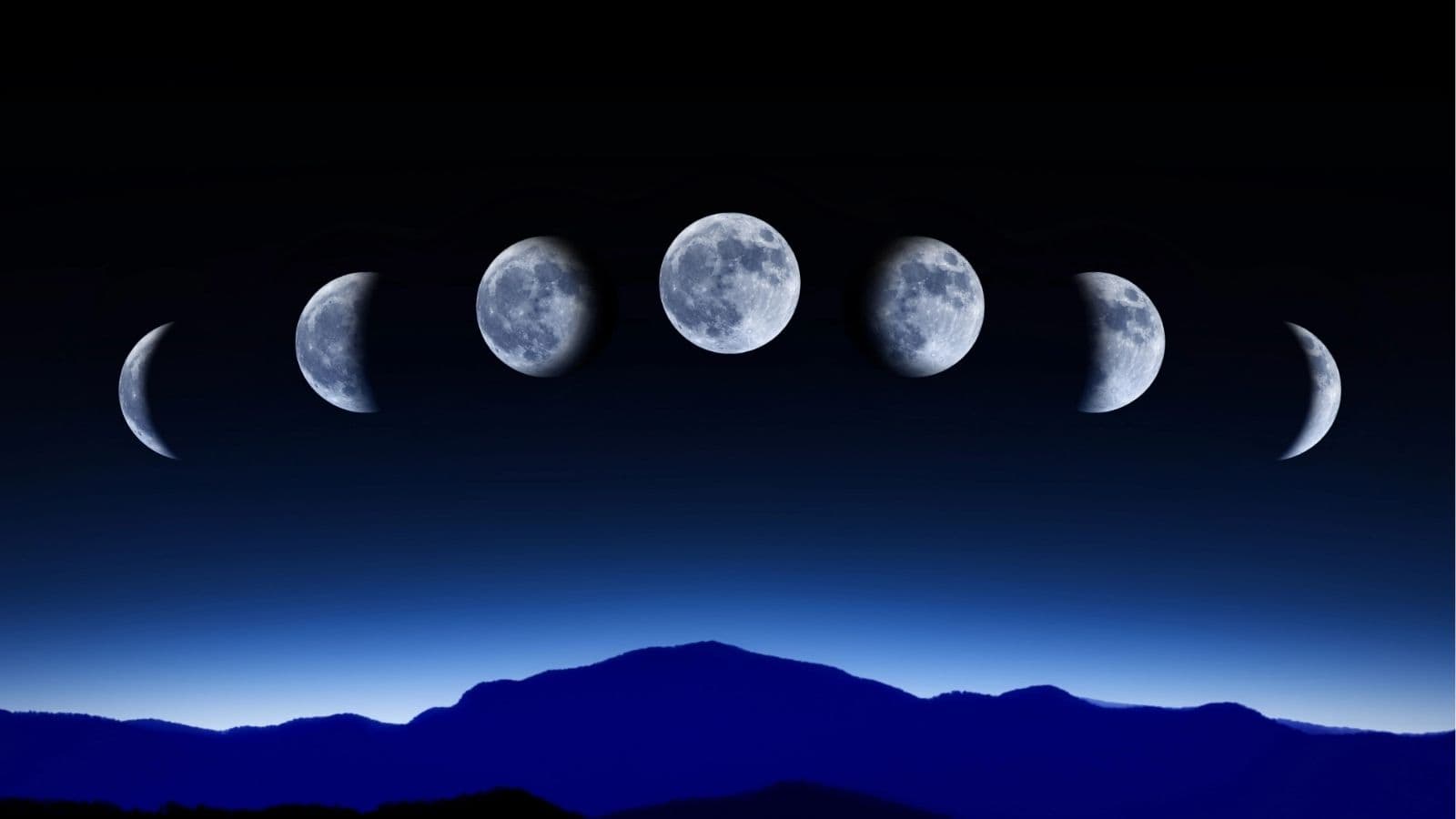
Many cultures linked moon phases to moods, fertility, and activity. The full moon was thought to bring heightened energy or emotion. This myth fosters a poetic connection between humans and lunar cycles.
Sacred Mountains and Volcanoes

Mountains and volcanoes were seen as homes of gods or spirits. Eruptions were interpreted as divine messages or punishments. These myths encouraged reverence for majestic natural landmarks.
Rivers as Life-Giving Entities

Rivers were often personified as goddesses or spirits nurturing life. Crossing or polluting a river in myths could have spiritual consequences. These stories emphasize the vital role of water in human survival.
Flowers as Symbols of Transformation

Certain flowers were said to hold magical or transformative powers. Myths explained color changes, blooms, or scents with mystical origins. Flowers became more than decoration—they were messengers of nature’s magic.
Stars as Souls or Guides

Stars were often considered souls of ancestors or divine guides. Constellations told stories of heroism, love, or cautionary tales. They helped humans navigate both the earth and imagination.
Animals Shaping the Landscape
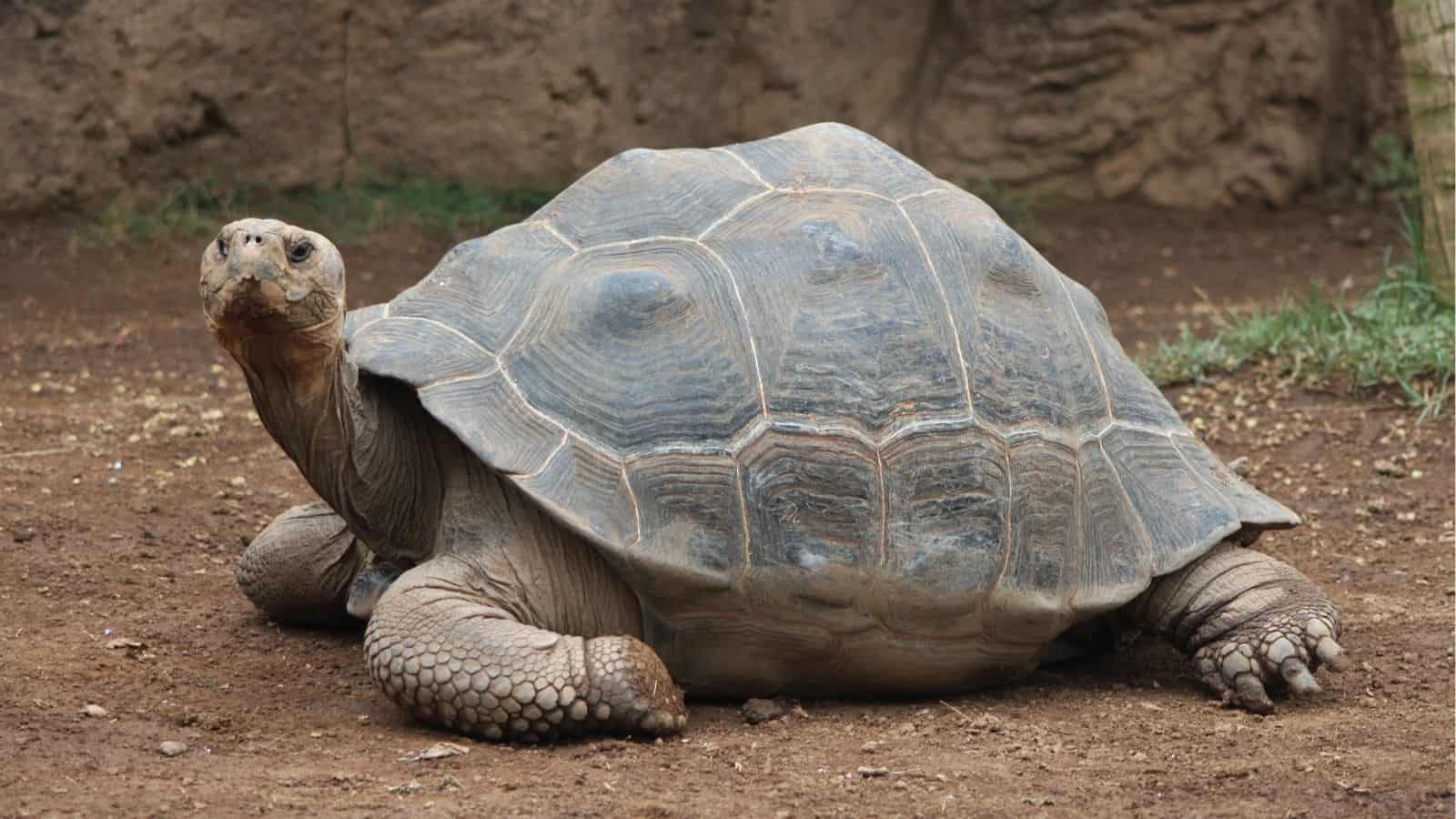
Some myths credited animals with creating rivers, mountains, or forests. For example, giant turtles, beavers, or serpents formed lakes or valleys. These stories explained natural phenomena creatively and memorably.
Wind as a Living Force

Wind was personified as a spirit or messenger in many cultures. It carried prayers, warnings, or even emotions across distances. This myth gives natural movement a mystical and communicative quality.
Seasonal Changes as Divine Acts
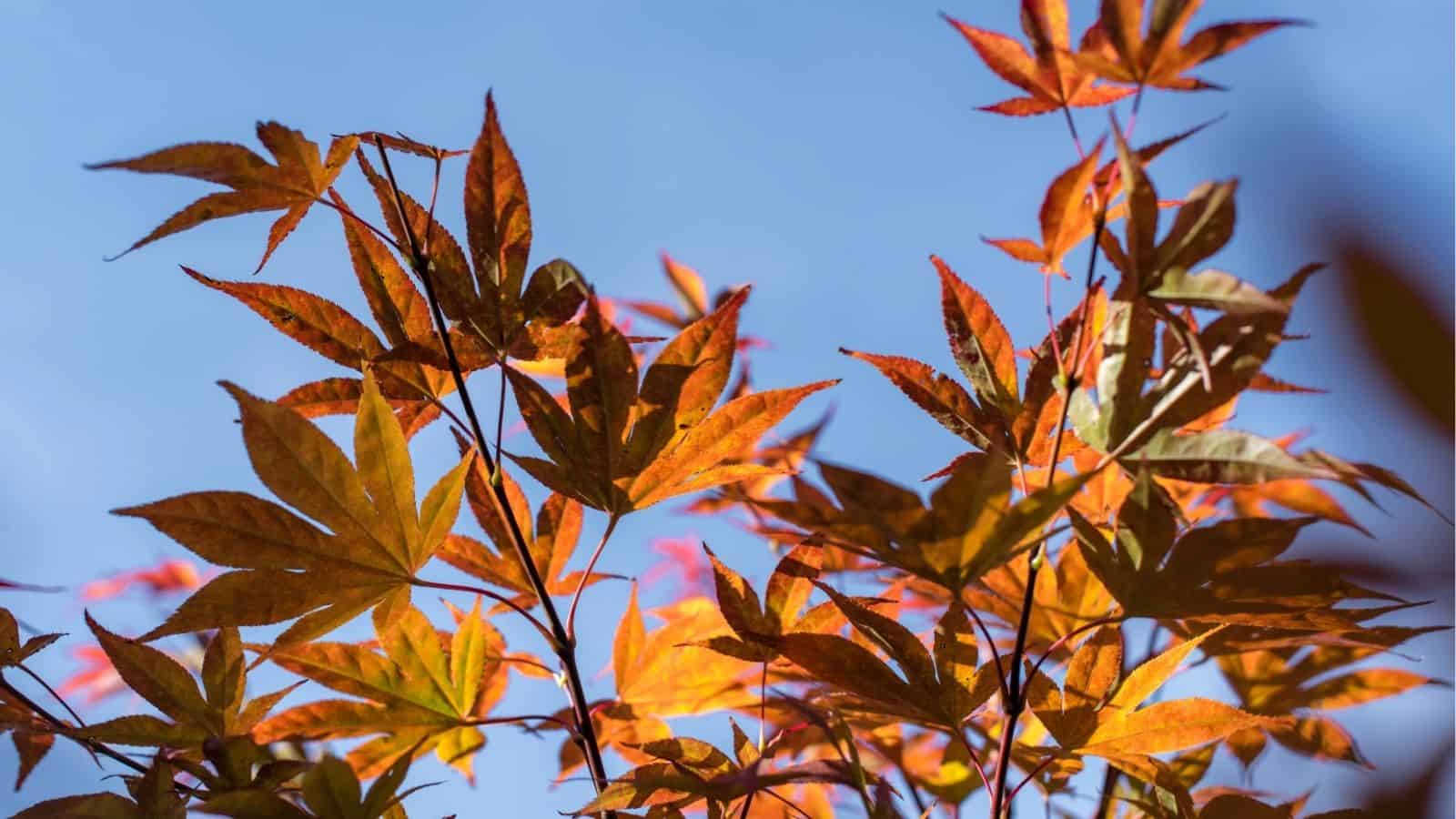
Seasons were often seen as actions of gods or magical creatures. Spring brought renewal from a benevolent deity, while winter came from a more stern presence. These stories made the rhythm of nature relatable and meaningful.
Mountains and Valleys Holding Hidden Treasures
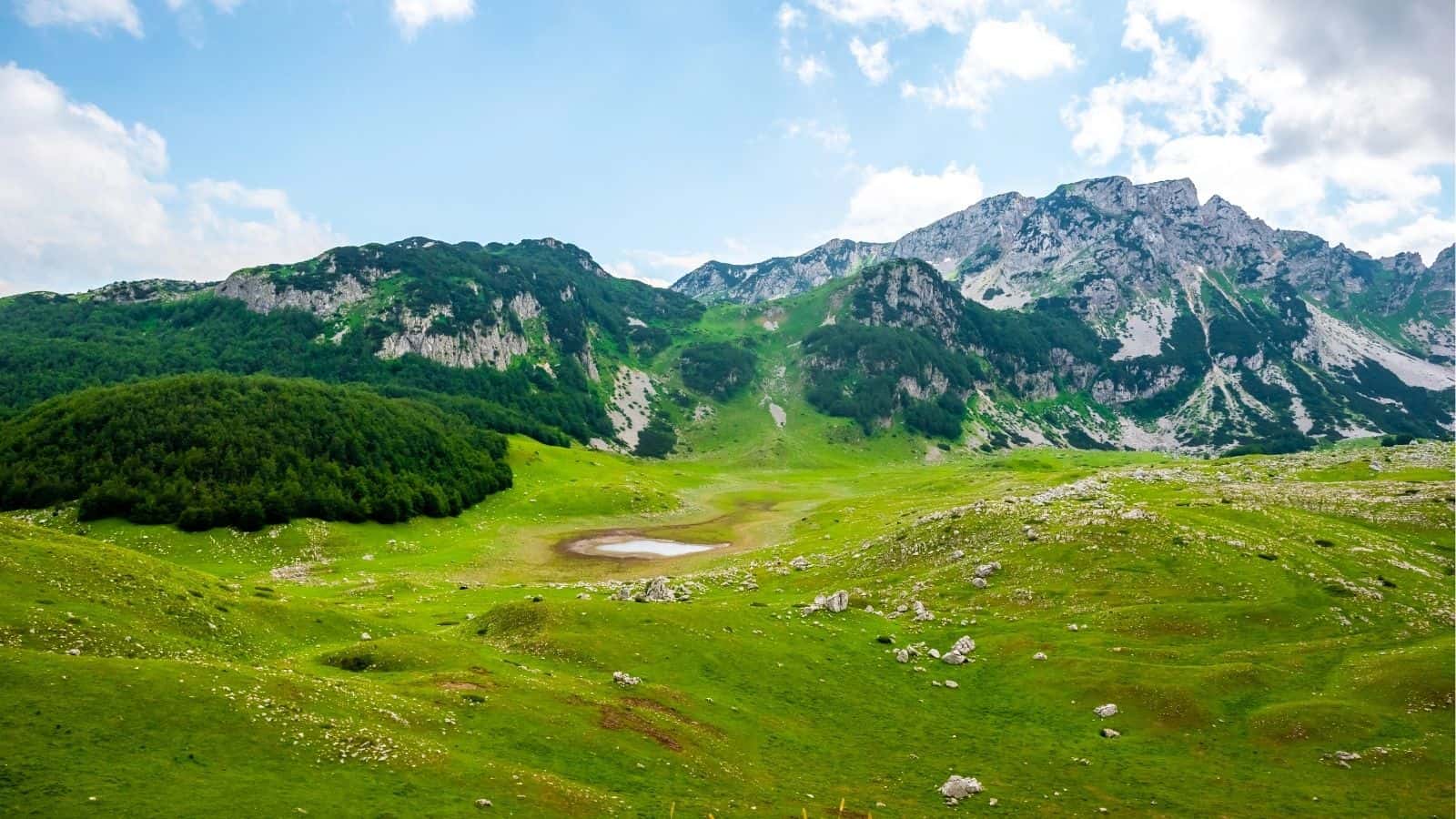
Legends told of hidden herbs, minerals, or mystical items in remote places. Humans were urged to explore wisely and respect nature’s secrets. These myths encouraged curiosity and careful observation of the world.
Old-world nature myths remind us of the beauty, mystery, and wonder in the world around us. Even today, these stories inspire imagination and a deeper connection to the natural environment.





Comments
No Comments