
• Skip to main content
  • Skip to primary sidebar

Schisandra & Bergamot logo

menu icon
go to homepage
  • Index
  • Subscribe
  • About
  • Contact
  • Daily Plant
    • Facebook
    • Instagram
    • Pinterest
  • subscribe
    search icon
    Homepage link
    • Index
    • Subscribe
    • About
    • Contact
    • Daily Plant
    • Facebook
    • Instagram
    • Pinterest
  • ×
    Home » Trending

    Published: Dec 13, 2025 by Kristen Wood · This post may contain affiliate links. If you make a purchase through links on our site, we may earn a commission. ·

    15 winter herbs with comforting folk traditions behind them

    18 shares
    • Facebook
    • Reddit

    Herbs have long been celebrated for their practical uses and symbolic meanings, especially during the cold winter months. Many cultures imbued winter herbs with folk traditions for health, protection, and comfort.

    From teas to decorations, these plants offered both physical and emotional warmth. These 15 winter herbs come with rich stories and traditions that can inspire your home and garden. They’re easy to incorporate while honoring centuries of folk wisdom.

    Rosemary

    A pile of fresh rosemary sprigs placed on a white styrofoam tray against a plain white background.
    Photo Credit: EDDIE_LEE_KR/Pixabay

    Rosemary was believed to ward off evil spirits and bring remembrance. It was often hung over doors or placed in winter wreaths. The herb’s piney scent also evokes warmth and festive memories.

    Sage

    Close-up of green sage plants with elongated, textured leaves growing densely outdoors.
    Photo Credit: Marina Yalanska/Unsplash

    Sage was traditionally burned as a cleansing ritual to purify homes. It was thought to protect against illness and negativity during harsh winters. Today, it continues to symbolize renewal and clarity.

    HERB OF THE DAY · Explore today’s herb →

    Thyme

    Close-up of fresh green thyme plants with thin stems and small, oval leaves growing densely together.
    Photo Credit: Hans/Pixabay

    Thyme represented courage and strength in European folklore. Sprigs were tucked into clothing or kept in kitchens for protection. Its earthy aroma adds comfort to winter cooking and teas.

    Lavender

    Four bunches of lavender tied with string hang upside down on a clothesline against a blue background.
    Photo Credit: Gorilla/Deposit Photos

    Lavender was associated with calm and restful sleep during the long winter nights. It was used in sachets, pillows, and baths. The soothing scent eases stress and promotes a cozy atmosphere.

    Peppermint

    Close-up of fresh mint leaves, displaying vibrant green color and textured surface, growing in a dense formation.
    Photo Credit: matthiasboeckel/Pixabay

    Peppermint leaves were used to invigorate the spirit and aid digestion. Folk traditions often included peppermint in winter teas to lift mood. Its crisp, refreshing aroma is both comforting and energizing.

    Bay Laurel

    A close-up of several dried bay leaves arranged on a dark, textured surface.
    Photo Credit: Marek Kupiec/Pexels

    Bay leaves symbolized wisdom and protection in many cultures. They were added to winter stews or hung in doorways to bring good fortune. Their strong fragrance contributes to a warm, herbal atmosphere.

    Chamomile

    Three white daisies with yellow centers surrounded by green grass and small blue flowers in a sunlit outdoor setting.
    Photo Credit: Viktoriia Yatsentiuk/Unsplash

    Chamomile was celebrated for its calming and healing qualities. Folk remedies included chamomile teas to soothe colds and aid sleep. Its gentle aroma brings comfort during cold, dark evenings.

    Hollyhock

    Close-up of white hollyhock flowers with pale yellow centers and green buds against a plain beige background.
    Photo Credit: Kühlungsborner/Pixabay

    Hollyhock flowers and leaves were sometimes hung indoors to bring protection and cheer. Folk traditions linked them to endurance and health through winter. Their decorative appeal brightened indoor spaces.

    Mint

    Close-up view of fresh green mint leaves growing densely together.
    Photo Credit: dslh/Pixabay

    Mint was believed to invigorate the senses and protect against illness. Sprigs were commonly used in winter kitchens for both aroma and flavor. It adds a refreshing touch to herbal drinks and dishes.

    Winter Savory

    A close-up of a fresh, green sprig of summer savory with thin leaves and small stems on a white background.
    Photo Credit: joachimopelka/Deposit Photos

    Winter savory symbolized warmth and fortitude in cold months. It was added to hearty winter dishes to enhance flavor and wellness. Folk tales credited it with protecting households from misfortune.

    Eucalyptus

    Several eucalyptus branches with round, green leaves against a white background.
    Photo Credit: AtlasComposer/Envato

    Eucalyptus leaves were traditionally used for respiratory health and cleansing air. Hanging bundles near stoves or windows was common in winter. Its invigorating aroma both purifies and comforts the home.

    Marjoram
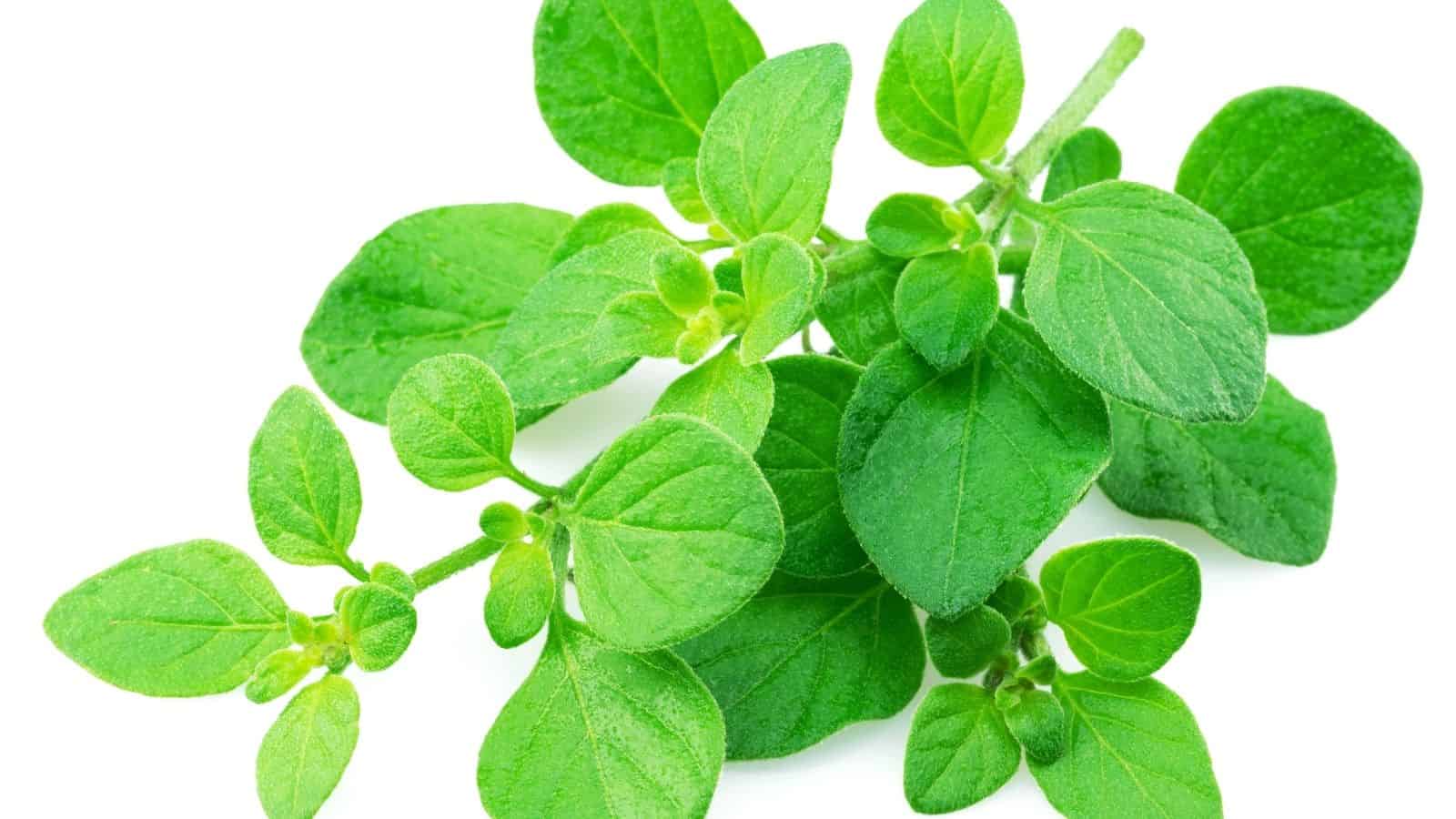
    A sprig of fresh green oregano leaves on a white background.
    Photo Credit: perfectfood78.gmail.com/Deposit Photos

    Marjoram was associated with happiness and domestic harmony. Folk remedies often included it in teas or soups during winter. Its sweet scent brings a sense of warmth and cheer indoors.

    Lemon Balm

    Close-up of a dense cluster of green, textured mint leaves growing outdoors.
    Photo Credit; MAKY_OREL/Pixabay

    Lemon balm symbolized healing and protection in many folk traditions. It was brewed in teas to ease stress and promote well-being. Its citrusy aroma refreshes and comforts in winter months.

    Wintergreen
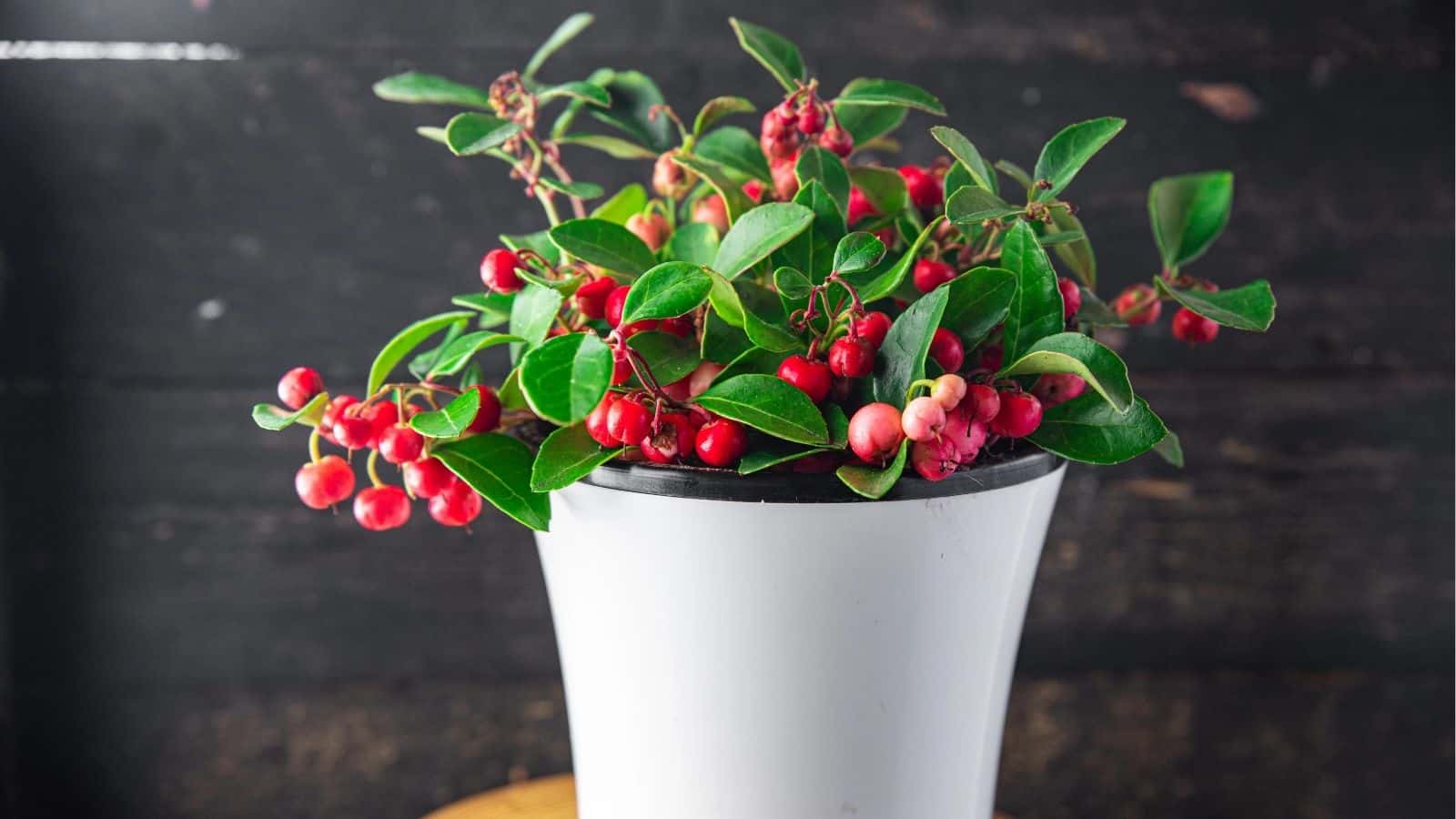
    A white pot containing a plant with green leaves and clusters of small red berries, set against a dark wooden background.
    Photo Credit: a-lesa-lesa/Deposit Photos

    Wintergreen leaves were used in teas and ointments to relieve aches and promote vitality. Folk medicine celebrated its warming and invigorating properties. Its distinctive scent is both nostalgic and soothing.

    Hellebore
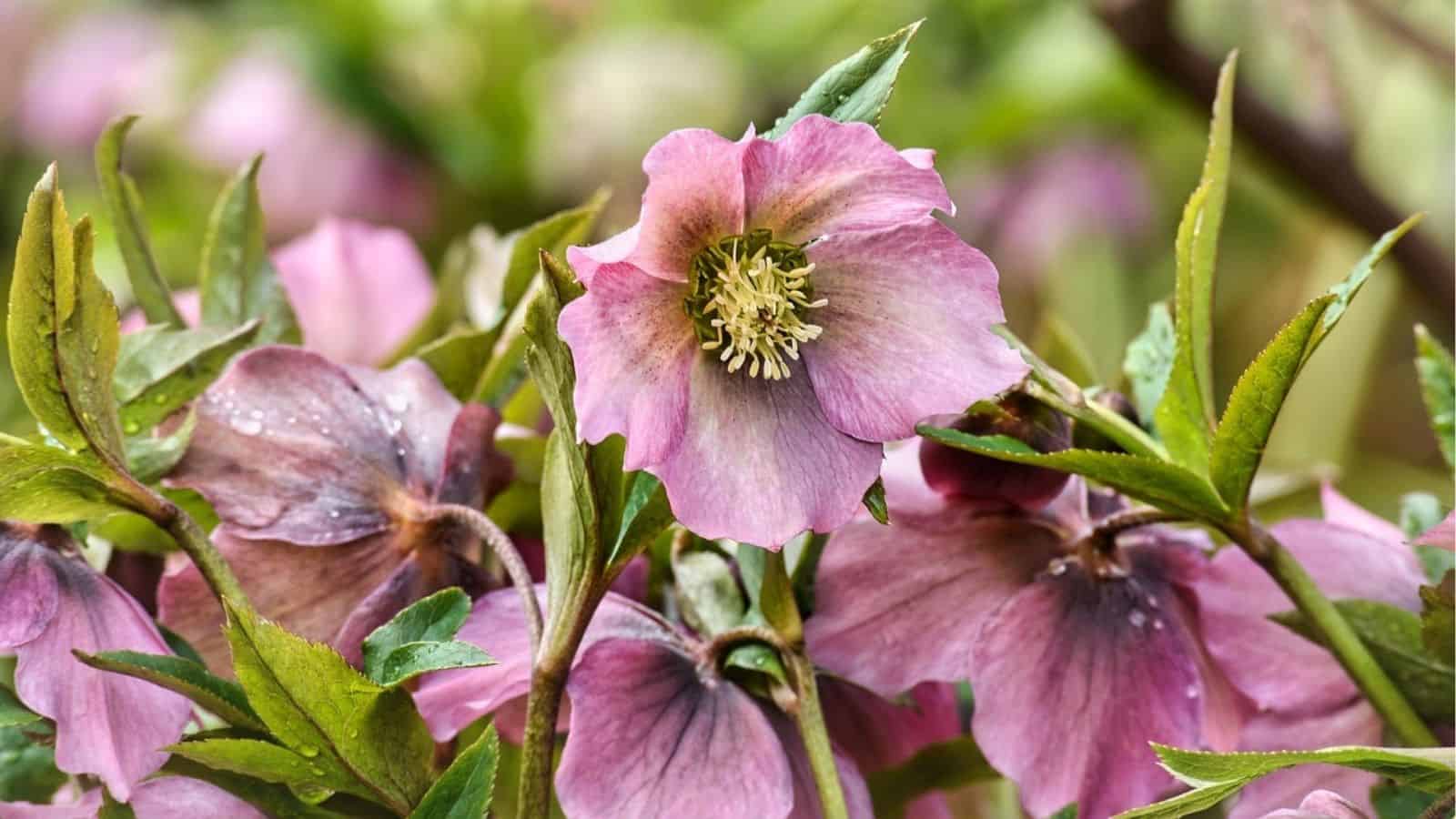
    Close-up of several pink hellebore flowers with green leaves, some petals showing water droplets. The background is softly blurred.
    Photo Credit: Antranias/Pixabay

    Hellebore was thought to protect against evil spirits and winter illnesses. Often planted near homes or used in rituals, it carried mystical significance. Its presence in gardens adds greenery and folklore charm to winter landscapes.

    These winter herbs combine practical uses with centuries-old folk traditions, bringing warmth and comfort to the season. Incorporating them into your home or garden honors history while creating a cozy, aromatic environment.


    More Trending

    • A woman talking on a cell phone.
      15 overlooked spots in your home that need winter attention
    • Person holding a potted plant and a spray bottle stands in a kitchen with green cabinetry and wooden shelves in the background.
      15 indoor gardening habits that pay off year-round
    • An older woman and a young girl sit on a couch smiling at each other while looking at an open book in the girl's lap.
      15 practical skills grandparents learned early that still matter
    • A woman in an apron holds a potted plant in one hand and makes a peace sign with the other, standing against a pink background.
      15 plants that symbolize renewal, rest, and winter wisdom

    About Kristen Wood

    Kristen is a plant lover, gardener, certified functional nutritional expert, cookbook author, writer, and photographer. Her work has been featured in many online and print publications including Willow & Sage Magazine, Forbes, NBC, New York Daily News, Healthline, MSN, Elle, Yoga Journal, and many more. She is also a syndicated writer for The Associated Press.

    Reader Interactions

    Comments

    No Comments

    Leave a Reply Cancel reply

    Your email address will not be published. Required fields are marked *

    Recipe Rating


    Primary Sidebar

    A close up of a woman's face in the sun, radiating with the gentle glow of schisandra and bergamot home.

    About Kristen Wood

    Kristen is a plant lover, gardener, certified functional nutritional expert, cookbook author, writer, and photographer. Her work has been featured in many online and print publications including Willow & Sage Magazine, Forbes, NBC, New York Daily News, Healthline, MSN, Elle, Yoga Journal, and many more. She is also a syndicated writer for The Associated Press.

    Learn more about me →

    Herb of the Day

    Meet today’s featured herb with gentle kitchen ideas, botanical notes, folklore, and a quiet reflection to take with you.

    Explore Today’s Herb

    Follow us!

    Footer

    ↑ back to top

    About

    • Privacy Policy
    • Google Web Stories
    • Accessibility Statement
    • Disclaimer

    Newsletter

    • Sign up for our newsletter to receive our latest posts!

    Contact

    • Contact

    Copyright © 2026 Schisandra & Bergamot
    Disclaimer: As An Amazon Associate I Earn From Qualifying Purchases.

    Herb of the Day

    Discover today’s featured herb with simple kitchen ideas, botanical notes, folklore, and a reflective message.

    Explore
    18 shares