

Winter can be a challenging season for backyard birds, with food scarce and temperatures dropping. Providing extra care helps them thrive and adds life and activity to your outdoor space. Simple, thoughtful actions can make your yard a winter haven for birds.
These 15 tips offer easy ways to support birds during the colder months. They’re practical, enjoyable, and benefit both wildlife and your backyard ecosystem.
Set Up a Quality Bird Feeder

Jump to a Section
A sturdy feeder provides a reliable food source for birds. Choose one that protects seeds from moisture and keeps larger birds from dominating smaller ones. Regular cleaning ensures birds stay healthy throughout winter.
Offer High-Energy Foods

Seeds like sunflower, safflower, and peanuts provide calories birds need to stay warm. Suet cakes are also excellent for energy-rich feeding. High-energy foods help birds maintain body heat on cold days.
Keep Water Available

Fresh water is vital but often scarce in winter. Use heated bird baths or regularly refresh unfrozen water. Birds need water for drinking and preening, even in freezing temperatures.
Provide Shelter

Shrubs, evergreens, and brush piles give birds places to hide from predators and harsh weather. Dense foliage reduces exposure to wind and snow. Providing shelter makes your yard a safe winter refuge.
Plant Native Berry-Producing Shrubs

Plants like holly, viburnum, and winterberry produce winter food for birds. Native species attract local wildlife naturally. Berries supplement seed feeding and support a healthy diet.
Leave Some Leaves and Seed Heads

Rather than clearing every garden residue, leave leaves and seed heads for birds. Insects and seeds within provide natural nutrition. This also creates shelter and nesting materials.
Offer Pine Cones or Logs with Seeds
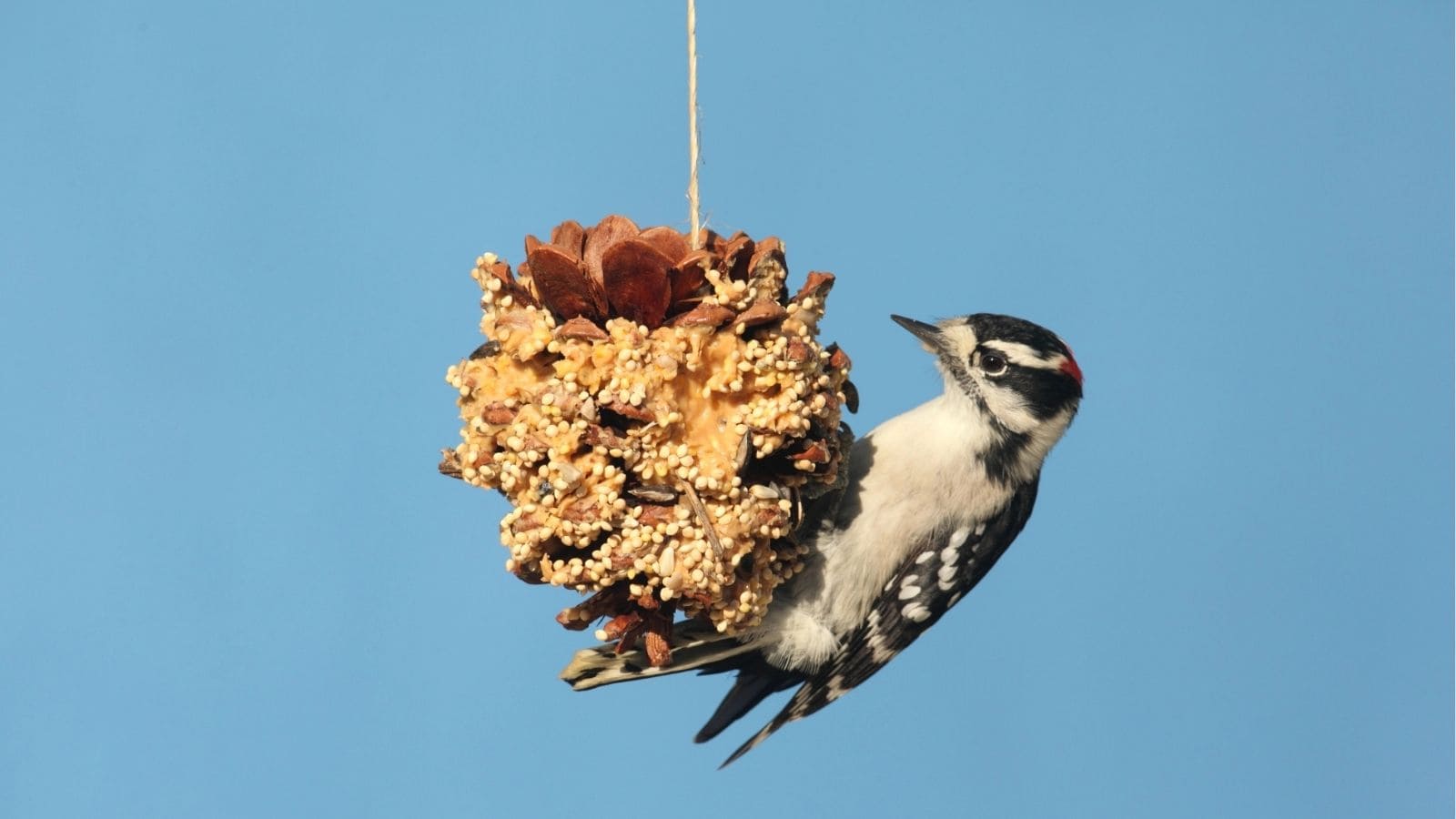
Pine cones or small logs can hold peanut butter and seeds. Birds perch and pick at the seeds while foraging. These DIY feeders encourage activity and enrichment in your yard.
Hang Suet Feeders
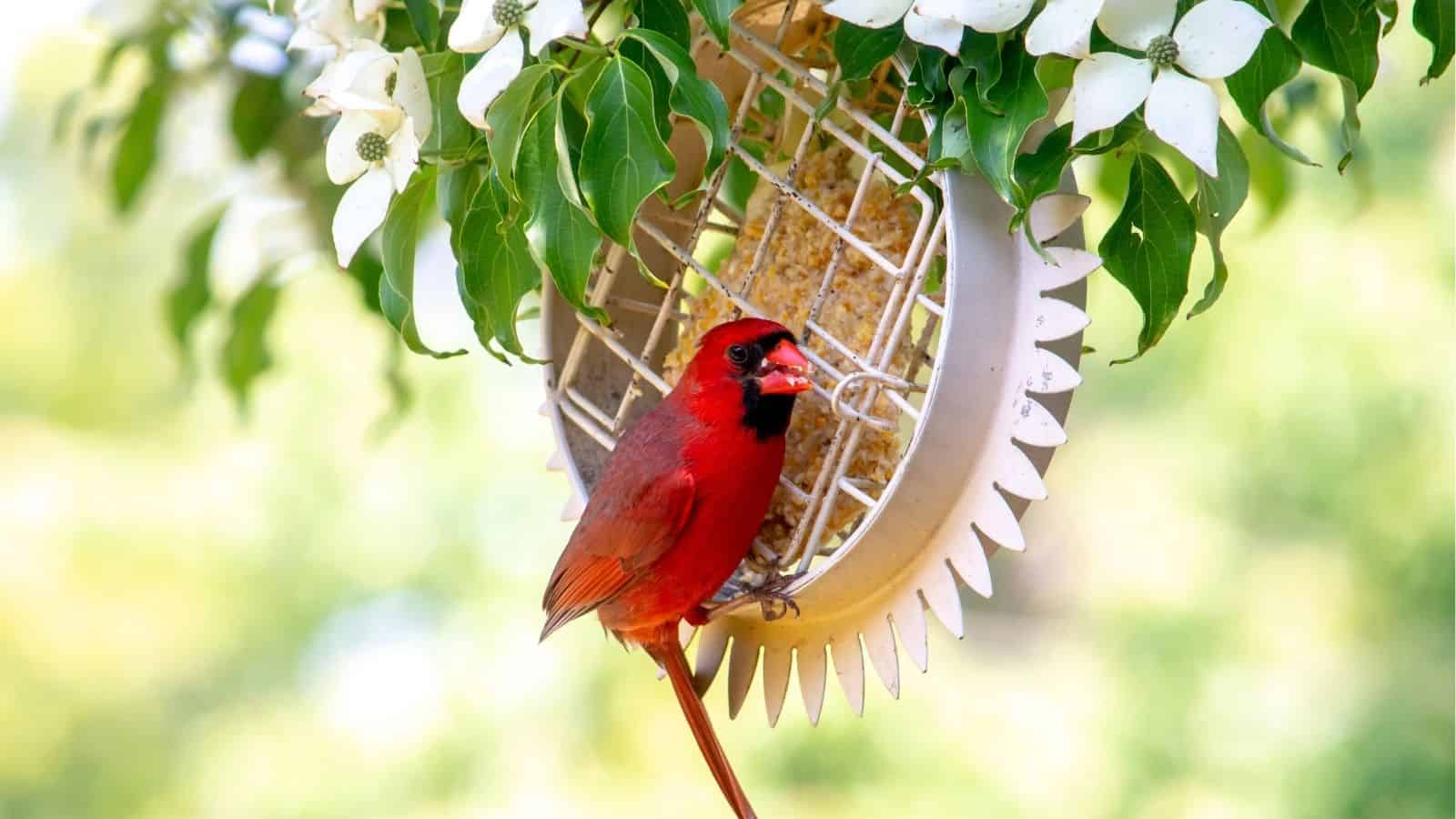
Suet provides fat and energy birds need to survive cold weather. Hang feeders in sheltered spots to reduce exposure to rain or snow. This simple addition attracts woodpeckers, chickadees, and other winter birds.
Plant Evergreen Trees

Evergreens provide windbreaks, cover, and roosting areas during winter. They also create year-round beauty in your yard. Birds feel secure resting and foraging around these trees.
Avoid Pesticides

Chemicals reduce insect populations, a key food source for birds. Maintaining a pesticide-free yard preserves a natural winter food chain. Birds benefit from safe, healthy habitats.
Offer Cracked Corn for Ground Feeders

Corn is an excellent supplemental food for ground-feeding birds like jays and sparrows. Scatter in safe, dry areas to reduce mold risk. Cracked corn is inexpensive and easy to provide.
Install Nesting Boxes
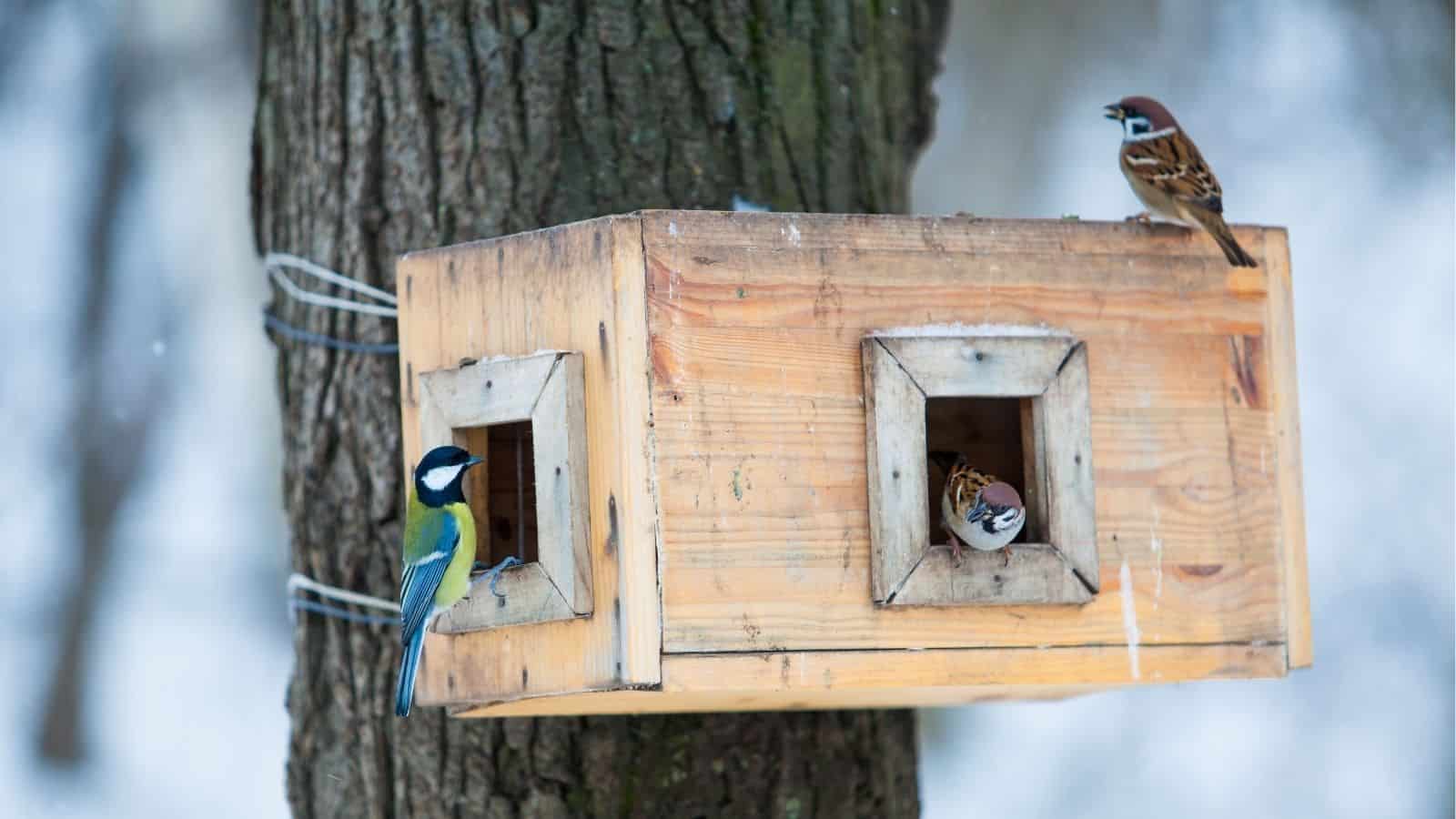
Nesting boxes offer shelter for certain species during harsh weather. Even in winter, some birds use them for daytime roosting. Clean boxes in early spring to keep them ready for breeding season.
Create Brush Piles

Brush piles mimic natural woodland cover and provide protection from predators. Small birds hide and forage within them. This is a simple, eco-friendly way to support winter wildlife.
Keep Feeders Clean

Moldy or spoiled seeds can harm birds. Clean feeders regularly with a mild solution of water and vinegar. Safe feeding practices keep birds healthy all season long.
Observe and Enjoy

Take time to watch bird behavior and notice who visits your yard. Observation helps you adjust feeding and shelter strategies. Enjoying the activity of winter birds creates a rewarding connection to nature.
Supporting backyard birds during winter is simple, fulfilling, and beneficial for your local ecosystem. With a few thoughtful actions, your yard can become a safe and welcoming haven for birds all season long.





Comments
No Comments