

Winter’s dry indoor air can be tough on houseplants, causing brown tips, drooping leaves, and slowed growth. Even hardy plants often struggle when heaters and low humidity sap moisture from their environment.
With a few mindful adjustments, you can help your plants thrive until spring returns. These 15 tips offer simple ways to revive and protect your houseplants through the colder months. They’re easy to implement and promote healthy, vibrant indoor greenery.
Increase Humidity

Jump to a Section
Most houseplants benefit from higher humidity during winter. Use a humidifier, pebble tray, or misting to maintain moisture levels. This helps prevent leaf drying and curling.
Group Plants Together

Placing plants close to each other creates a mini humid microclimate. Evaporation from leaves boosts overall humidity. This simple trick helps multiple plants at once.
Adjust Watering Schedules

Overwatering or underwatering are common winter issues. Check soil moisture and water only when the top inch feels dry. Proper watering restores plant vitality without causing root rot.
Clean Dusty Leaves

Dust blocks light and reduces photosynthesis. Wipe leaves gently with a damp cloth or sponge. Clean foliage allows plants to absorb light more efficiently.
Move Plants Away From Heat Sources

Direct heat from radiators or vents dries out soil and leaves. Keep plants a few feet away from heaters. This reduces stress and helps maintain healthy moisture levels.
Trim Dead or Damaged Leaves

Pruning away brown or yellow leaves redirects energy to healthy growth. It also prevents potential disease spread. Simple trimming revitalizes the plant’s appearance.
Rotate Plants for Even Light

Windows may not provide uniform light in winter. Rotate plants weekly to ensure all sides receive sunlight. Balanced exposure encourages symmetrical growth.
Re-pot if Necessary

Roots can become cramped or depleted over time. Check for root-bound plants and refresh soil as needed. Fresh potting mix improves nutrient uptake and overall health.
Fertilize Lightly

Winter is a slower growth period, but a small dose of diluted fertilizer can help struggling plants. Avoid overfeeding, which can stress plants further. Fertilizing boosts vitality without overwhelming them.
Use Moisture-Retentive Soil

Soil that retains some water but drains well prevents frequent drying. Mixing in peat moss or coco coir can improve soil structure. Proper soil supports consistent hydration.
Monitor Temperature Fluctuations

Cold drafts or sudden temperature swings stress plants. Keep them in stable, moderate locations. Stable temperatures encourage steady growth and reduce shock.
Consider Supplemental Lighting

Short winter days limit natural light. Grow lights or LED lamps provide the extra light houseplants need. Supplemental lighting supports photosynthesis and keeps leaves vibrant.
Apply Leaf Shine Sparingly
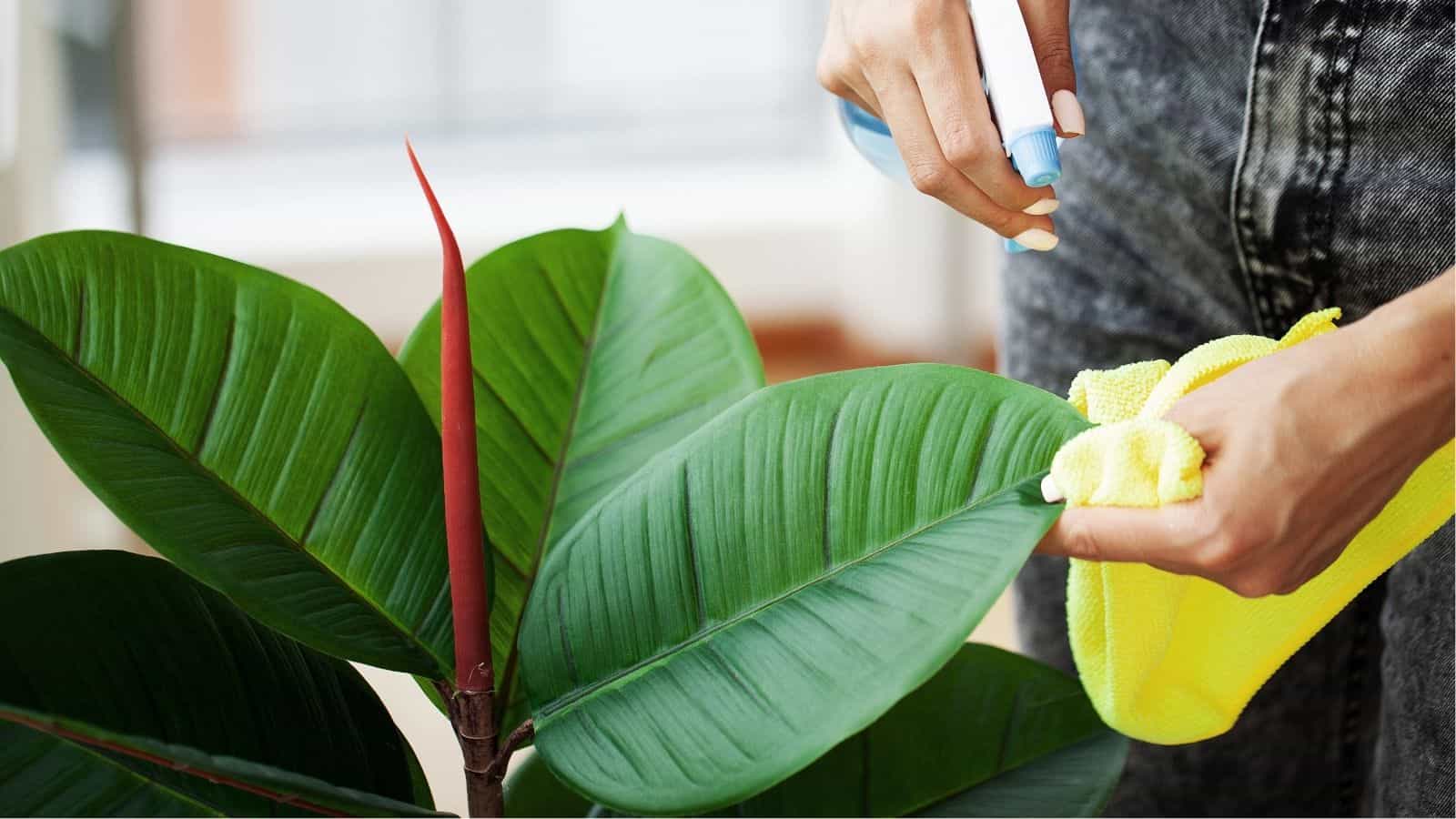
Leaf shine products can enhance appearance temporarily. Use only lightly to avoid clogging pores or damaging leaves. It’s best for aesthetic touch-ups on indoor foliage.
Replicate Outdoor Conditions Indoors

Some plants respond well to temporary conditions mimicking their natural habitat. For example, mist tropical plants to simulate rainforest humidity. Matching native conditions improves resilience.
Be Patient and Observe

Recovery takes time—plants won’t revive overnight. Watch changes carefully and adjust care as needed. Mindful observation ensures lasting results.
Reviving houseplants during dry winter months is simple with the right attention and care. Small adjustments in watering, humidity, and light help your indoor greenery thrive until spring.





Comments
No Comments