
• Skip to main content
  • Skip to primary sidebar

Schisandra & Bergamot logo

menu icon
go to homepage
  • Index
  • Subscribe
  • About
  • Contact
  • Daily Plant
    • Facebook
    • Instagram
    • Pinterest
  • subscribe
    search icon
    Homepage link
    • Index
    • Subscribe
    • About
    • Contact
    • Daily Plant
    • Facebook
    • Instagram
    • Pinterest
  • ×
    Home » Trending

    Published: Dec 19, 2025 by Kristen Wood · This post may contain affiliate links. If you make a purchase through links on our site, we may earn a commission. ·

    15 ways to make your yard a safe haven for overwintering creatures

    16 shares
    • Facebook
    • Reddit

    As temperatures drop, many creatures rely on quiet backyard spaces to survive the winter months. Fallen leaves, undisturbed soil, and natural shelter provide essential protection from cold and predators.

    Even small changes can make a meaningful difference. These 15 simple actions help create a winter refuge for insects, birds, and small wildlife. Supporting overwintering creatures also strengthens your yard’s ecosystem come spring.

    Leave Fallen Leaves in Place

    Photo Credit: maxbelchenko/Envato

    Leaf litter provides insulation for insects and small animals. It also protects soil from erosion and freezing. Leaving leaves undisturbed supports overwintering life.

    Keep Some Stems Standing

    Several bare, thin plant stems coated with a layer of ice are shown outdoors, with a blurred, wintry background.
    Photo Credit: yanadjana/Envato

    Hollow plant stems shelter native bees and beneficial insects. Cutting everything back removes vital habitat. Standing stems offer protection through winter.

    HERB OF THE DAY · Explore today’s herb →

    Add Natural Brush Piles

    A pile of dry branches and two wooden pallets are stacked on sandy ground in a grassy outdoor area with trees in the background.
    Photo Credit: ja-aljona/Envato

    Brush piles create shelter from cold winds and predators. They provide hiding places for small mammals and insects. Use fallen branches rather than cutting fresh ones.

    Let Seed Heads Remain

    Photo Credit: lucky_ch/Envato

    Seed heads feed birds during scarce winter months. They also provide shelter for insects. Leaving them benefits wildlife and adds winter interest.

    Avoid Excessive Winter Cleanup

    A woman wearing sunglasses and a scarf rakes fallen autumn leaves in a yard with two rakes, one blue and one orange.
    Photo Credit: davidprahl/Envato

    Over-cleaning removes essential habitat. Many creatures overwinter in garden debris. A slightly messy yard is healthier for wildlife.

    Mulch Garden Beds Lightly

    A person wearing blue gloves gathers a pile of dry leaves and twigs outdoors.
    Photo Credit: shiwork/Envato

    Mulch insulates soil and protects roots. It also shelters insects and microorganisms. Organic mulch supports winter survival.

    Leave Logs Where They Fall

    A large pile of cut birch logs stacked haphazardly next to a wooden fence outdoors.
    Photo Credit: AnatolX/Deposit Photos

    Rotting logs provide shelter for insects and fungi. They retain moisture and warmth. Fallen wood is a valuable winter habitat.

    Provide Fresh Water Sources

    A bamboo pipe pours water into a stone basin surrounded by moss and green plants in a natural outdoor setting.
    Photo Credit: leungchopan/Envato

    Water remains essential even in cold weather. Use shallow dishes and refresh regularly. This helps birds and small animals stay hydrated.

    Avoid Pesticides and Chemicals

    A person wearing a hat, mask, gloves, and long-sleeved clothes sprays trees with a liquid in a garden or orchard, surrounded by greenery and a wire fence.
    Photo Credit: Gustavo Fring/Pexels

    Chemicals disrupt overwintering species. Natural ecosystems rely on balance. Avoiding sprays protects beneficial insects.

    Plant Native Species

    A cluster of purple flowers with yellow centers grows beside tall, green ornamental grass in a lush garden.
    Photo Credit: YuriArcursPeopleimages/Envato

    Native plants support local wildlife year-round. They offer familiar shelter and food sources. Natives are especially valuable during winter.

    Leave Grass a Little Longer
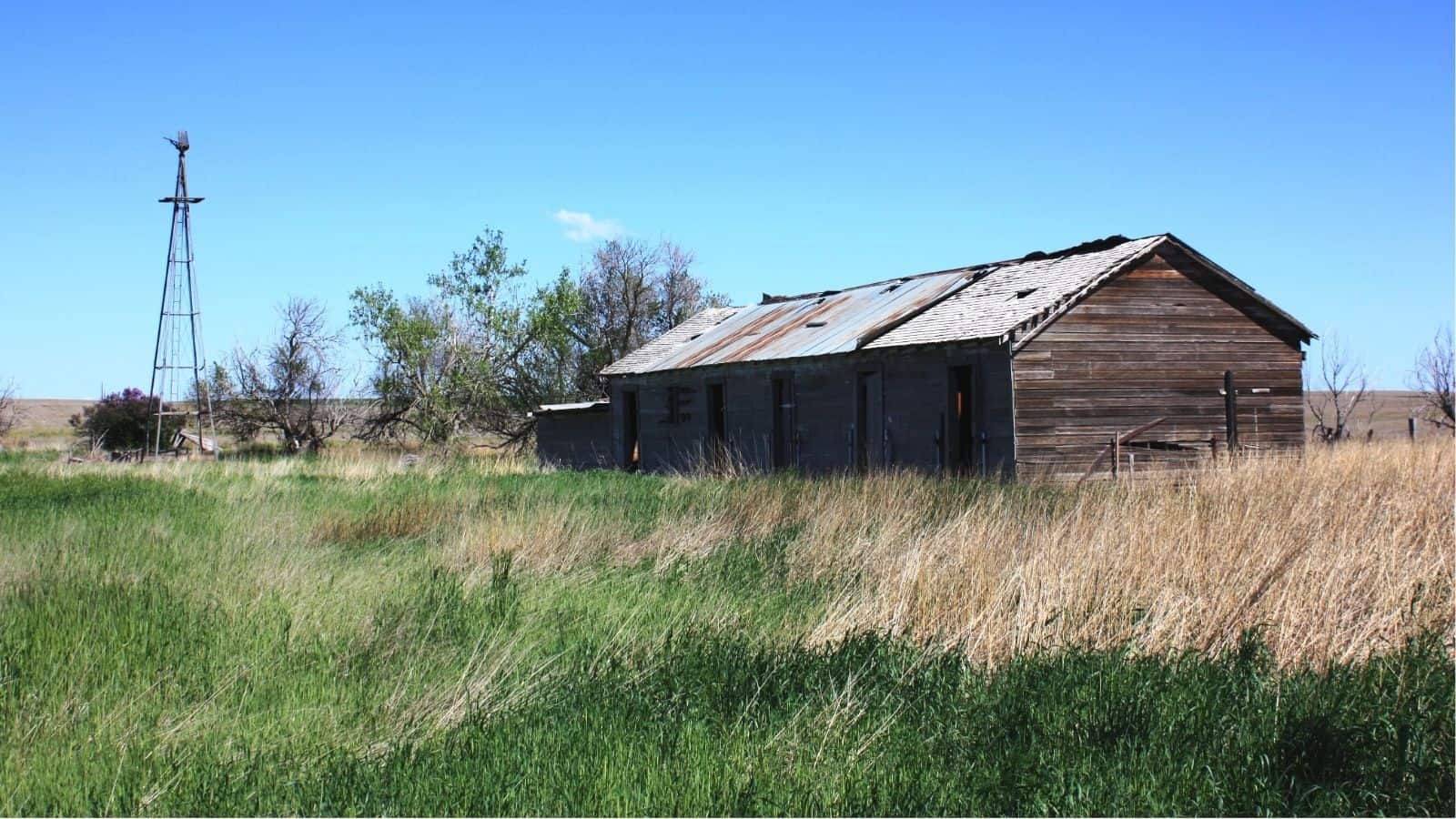
    An old, weathered wooden building with a rusted roof sits in a grassy field, with a windmill and trees in the background under a clear blue sky.
    Photo Credit: tomoliveirac/Deposit Photos

    Longer grass offers insulation and cover. It protects insects and small creatures from exposure. This simple step supports winter survival.

    Provide Bird Feeders Thoughtfully

    Three small birds perch on a cylindrical bird feeder with seeds, while a fourth bird clings to a mesh sock feeder against a blurred brown background.
    Photo Credit: bandd/Deposit Photos

    Feeders help birds during food shortages. Place them near shelter for safety. Consistent feeding is most helpful in winter.

    Protect Undisturbed Soil Areas

    A plowed field with rows of tilled soil and small green sprouts emerging, indicating the early stages of crop growth.
    Photo Credit: Raul_Mellado/Envato

    Bare soil shelters ground-nesting insects. Avoid digging or compacting these areas. Undisturbed soil supports overwintering life.

    Use Natural Garden Borders

    A landscaped garden with trimmed grass, shrubs, small trees, and illuminated pathway lights along a curved stone border at dusk.
    Photo Credit: duallogic/Envato

    Stone, wood, or log borders create microhabitats. They trap warmth and moisture. These small spaces are valuable refuges.

    Delay Spring Cleanup

    Person wearing gray pants and boots is sweeping the ground with a rustic broom made of twigs; stacked firewood is visible in the background.
    Photo Credit: NIKO_Cingaryuk/Deposit Photos

    Waiting until temperatures rise allows creatures to emerge safely. Early cleanup can disrupt life cycles. Patience supports a healthier yard.

    Creating a safe haven for overwintering creatures doesn’t require extra effort, just thoughtful restraint. These small choices protect life now and encourage a thriving ecosystem in spring.

    More Trending

    • A woman talking on a cell phone.
      15 overlooked spots in your home that need winter attention
    • Person holding a potted plant and a spray bottle stands in a kitchen with green cabinetry and wooden shelves in the background.
      15 indoor gardening habits that pay off year-round
    • An older woman and a young girl sit on a couch smiling at each other while looking at an open book in the girl's lap.
      15 practical skills grandparents learned early that still matter
    • A woman in an apron holds a potted plant in one hand and makes a peace sign with the other, standing against a pink background.
      15 plants that symbolize renewal, rest, and winter wisdom

    About Kristen Wood

    Kristen is a plant lover, gardener, certified functional nutritional expert, cookbook author, writer, and photographer. Her work has been featured in many online and print publications including Willow & Sage Magazine, Forbes, NBC, New York Daily News, Healthline, MSN, Elle, Yoga Journal, and many more. She is also a syndicated writer for The Associated Press.

    Reader Interactions

    Comments

    No Comments

    Leave a Reply Cancel reply

    Your email address will not be published. Required fields are marked *

    Recipe Rating


    Primary Sidebar

    A close up of a woman's face in the sun, radiating with the gentle glow of schisandra and bergamot home.

    About Kristen Wood

    Kristen is a plant lover, gardener, certified functional nutritional expert, cookbook author, writer, and photographer. Her work has been featured in many online and print publications including Willow & Sage Magazine, Forbes, NBC, New York Daily News, Healthline, MSN, Elle, Yoga Journal, and many more. She is also a syndicated writer for The Associated Press.

    Learn more about me →

    Herb of the Day

    Meet today’s featured herb with gentle kitchen ideas, botanical notes, folklore, and a quiet reflection to take with you.

    Explore Today’s Herb

    Follow us!

    Footer

    ↑ back to top

    About

    • Privacy Policy
    • Google Web Stories
    • Accessibility Statement
    • Disclaimer

    Newsletter

    • Sign up for our newsletter to receive our latest posts!

    Contact

    • Contact

    Copyright © 2026 Schisandra & Bergamot
    Disclaimer: As An Amazon Associate I Earn From Qualifying Purchases.

    Herb of the Day

    Discover today’s featured herb with simple kitchen ideas, botanical notes, folklore, and a reflective message.

    Explore
    16 shares