
• Skip to main content
  • Skip to primary sidebar

Schisandra & Bergamot logo

menu icon
go to homepage
  • Index
  • Subscribe
  • About
  • Contact
  • Daily Plant
    • Facebook
    • Instagram
    • Pinterest
  • subscribe
    search icon
    Homepage link
    • Index
    • Subscribe
    • About
    • Contact
    • Daily Plant
    • Facebook
    • Instagram
    • Pinterest
  • ×
    Home » Trending

    Published: Dec 23, 2025 by Kristen Wood · This post may contain affiliate links. If you make a purchase through links on our site, we may earn a commission. ·

    15 ways to protect outdoor plants during sudden cold snaps

    15 shares
    • Facebook
    • Reddit

    Sudden cold snaps can catch even experienced gardeners off guard. A quick temperature drop can damage tender leaves, roots, and buds overnight. Taking fast, simple action can prevent long-term harm.

    These 15 practical steps help protect outdoor plants when cold weather arrives unexpectedly. Most can be done with items you already have at home or in the garden.

    Cover Plants Before Nightfall

    Young plants growing in rows under a white fabric tunnel in a garden, with soil visible and clips securing the covering.
    Photo Credit: verba0711/Envato

    Frost protection works best when covers are placed early. Blankets, sheets, or frost cloth trap ground warmth. Remove covers during the day to prevent overheating.

    Water the Soil Ahead of the Freeze

    A woman waters trays of seedlings in a greenhouse, wearing gloves, a quilted vest, and a plaid shirt.
    Photo Credit: Greta Hoffman/Pexels

    Moist soil holds heat better than dry soil. Watering earlier in the day helps insulate roots overnight. Avoid soaking leaves late in the evening.

    HERB OF THE DAY · Explore today’s herb →

    Use Mulch to Insulate Roots

    Person wearing gardening gloves spreads bark mulch around green plants in a garden bed.
    Photo Credit: Maria_Sbytova/Envato

    Mulch creates a protective barrier against temperature swings. Straw, leaves, or wood chips work well. A thicker layer offers better insulation during cold snaps.

    Move Potted Plants to Shelter

    Several potted flowering plants, including pink and purple chrysanthemums, are arranged outdoors on a paved surface next to green foliage.
    Photo Credit: YuriArcursPeopleimages/Envato

    Containers lose heat faster than garden soil. Move pots near walls, porches, or indoors if possible. Grouping containers together also helps retain warmth.

    Shield Plants From Wind

    Close-up of a burlap fabric surface showing a coarse, woven texture with visible fibers in a natural brown color.
    Photo Credit: Maximusdn/Deposit Photos

    Cold wind increases moisture loss and damage. Temporary barriers like burlap or cardboard reduce exposure. Wind protection can make a noticeable difference overnight.

    Harvest Vulnerable Crops Early

    A person harvesting ripe tomatoes from plants in a greenhouse, placing them into a wooden crate filled with tomatoes.
    Photo Credit: Koldunova_Anna/Deposit Photos

    Tender vegetables are often damaged first. Harvesting before a freeze prevents total loss. Even slightly immature produce can finish ripening indoors.

    Avoid Pruning Right Before Cold Weather

    A person uses pruning shears to trim a young plant stem with green leaves in a garden.
    Photo Credit: yanadjana/Envato

    Pruning encourages new growth that’s sensitive to frost. Sudden cold can damage freshly cut stems. Wait until temperatures stabilize.

    Use Cloches or Buckets
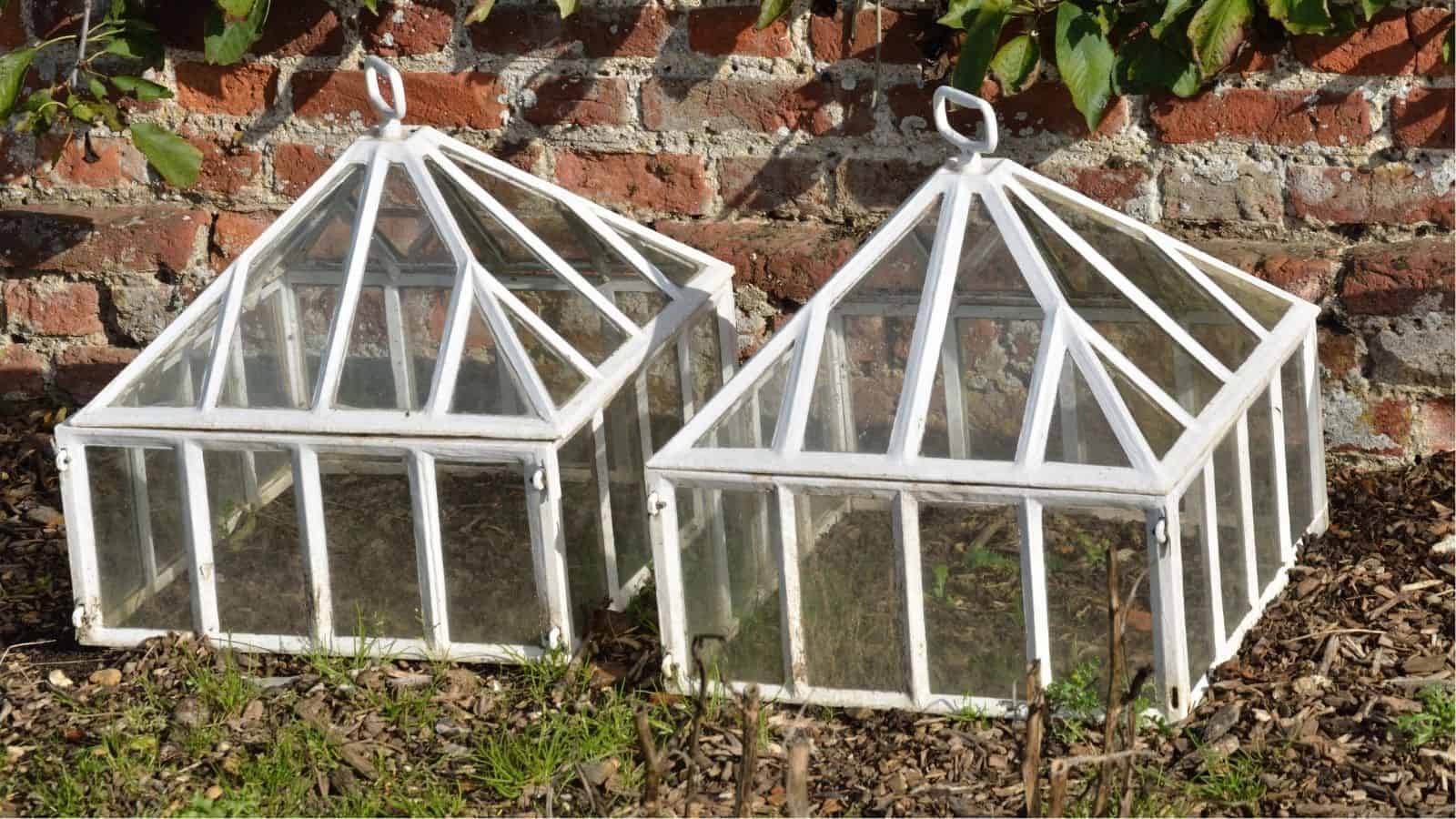
    Two white-framed glass cloches with pyramid-shaped tops sit on soil in front of a brick wall with some leafy vines.
    Photo Credit: pauws99/Deposit Photos

    Upside-down buckets or garden cloches trap warmth. Make sure they’re secured against wind. Remove them once temperatures rise.

    Bring Hanging Baskets Indoors

    Ten black hanging pots with a variety of flowering plants suspended from the ceiling in a greenhouse or garden center.
    Photo Credit: wirestock/Envato

    Hanging plants are fully exposed to cold air. Bringing them inside offers immediate protection. Even a garage or shed helps.

    Protect Newly Planted Areas First
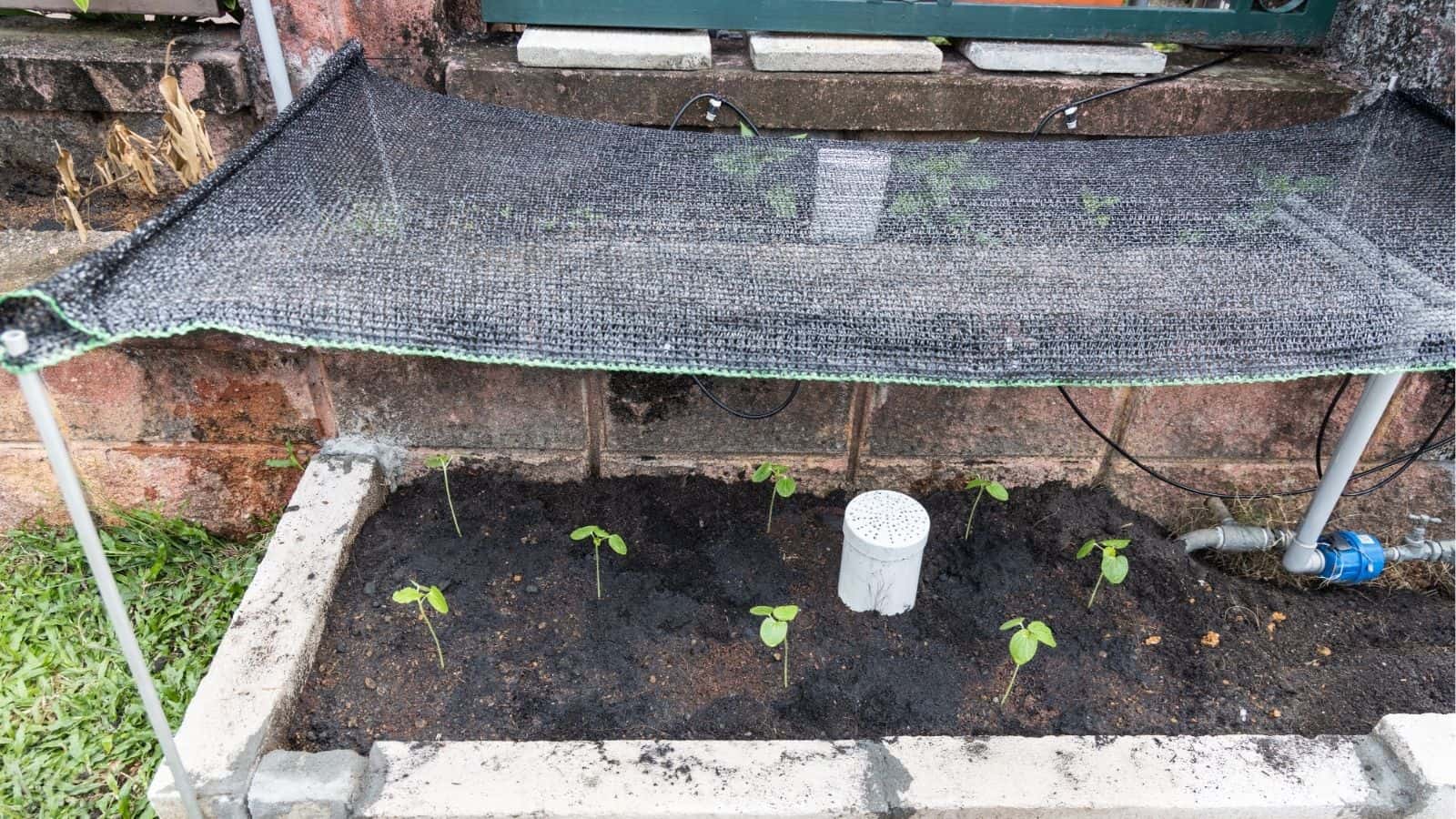
    A small garden bed with young plants growing under a black mesh shade, bordered by bricks, with a white cylindrical object in the soil and a water valve nearby.
    Photo Credit: ThamKC/Envato

    Young plants have less established root systems. They’re more vulnerable to temperature stress. Focus protection efforts on recent plantings.

    Avoid Fertilizing During Cold Snaps

    A person pours red granular fertilizer from a packet into their hand above soil in a garden or field.
    Photo Credit: solovei23/Envato

    Fertilizer encourages growth at the wrong time. Cold-damaged growth weakens plants. Wait until warmer weather returns.

    Use Natural Heat Sources Carefully
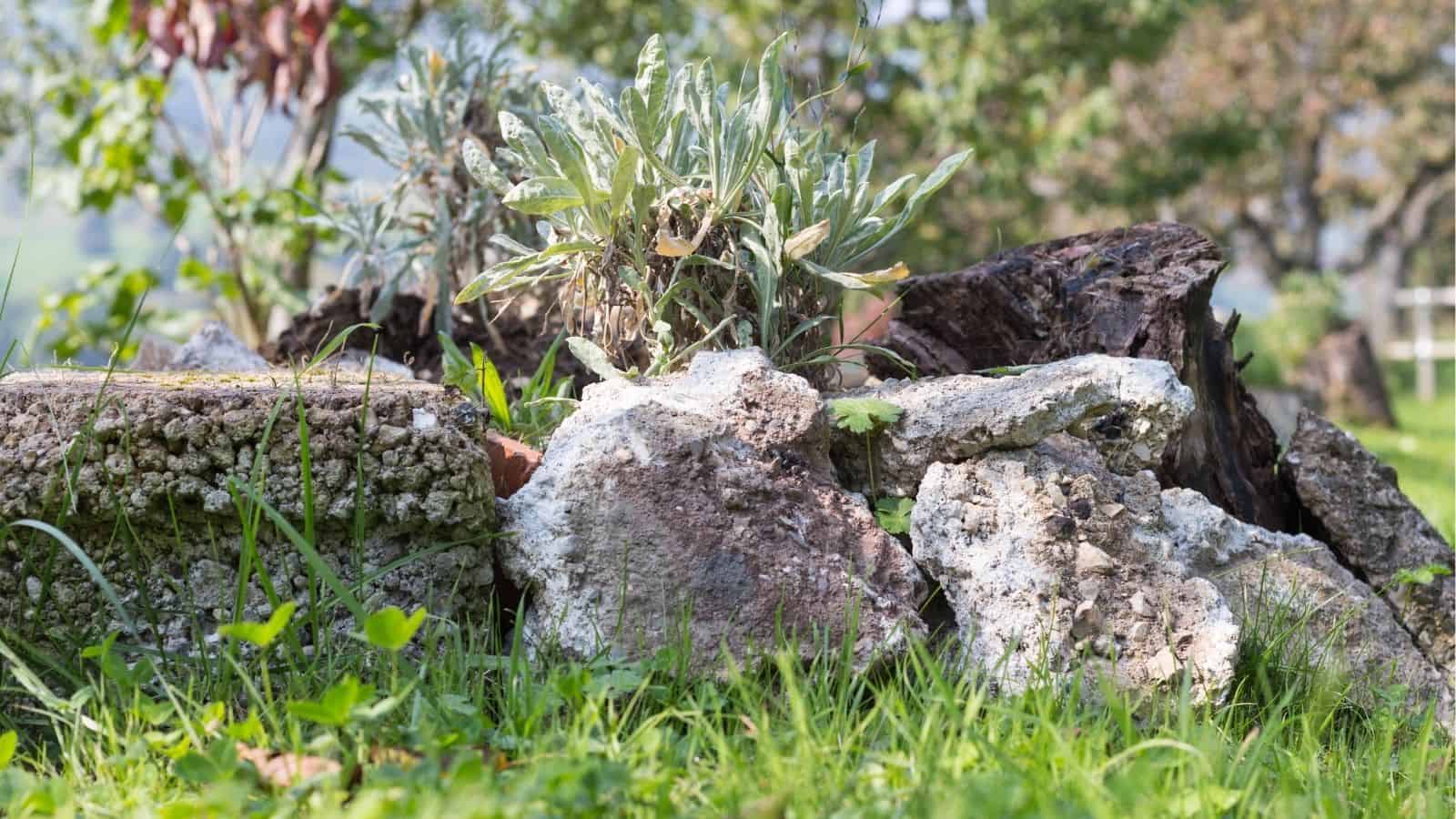
    Several large, irregularly shaped rocks with white patches are arranged on grass, with green leafy plants and tree trunks in the background.
    Photo Credit: rudolfgeiger/Deposit Photos

    Placing stones or water-filled containers nearby can store warmth. These release heat slowly overnight. Avoid direct contact with plant stems.

    Check Weather Forecasts Daily

    A person uses a stylus on a tablet displaying a weather forecast with temperatures, icons, and a map for several cities.
    Photo Credit: ra2studio/Deposit Photos

    Cold snaps often arrive quickly. Monitoring forecasts allows faster preparation. Early action reduces plant stress.

    Leave Fallen Leaves in Place Temporarily

    Photo Credit: maxbelchenko/Envato

    Leaves provide natural insulation. They help protect soil and roots from freezing. Remove them once temperatures stabilize.

    Inspect Plants After the Cold Passes

    Older man in a purple shirt crouching and tending plants in a garden with greenery in the background.
    Photo Credit: zanuckcalilus/Deposit Photos

    Damage isn’t always immediately visible. Wait a few days before trimming affected areas. This helps you avoid removing viable growth too early.

    Sudden cold snaps don’t have to undo months of garden care. With quick preparation and simple protection, outdoor plants can recover and continue growing strong.


    More Trending

    • A woman talking on a cell phone.
      15 overlooked spots in your home that need winter attention
    • Person holding a potted plant and a spray bottle stands in a kitchen with green cabinetry and wooden shelves in the background.
      15 indoor gardening habits that pay off year-round
    • An older woman and a young girl sit on a couch smiling at each other while looking at an open book in the girl's lap.
      15 practical skills grandparents learned early that still matter
    • A woman in an apron holds a potted plant in one hand and makes a peace sign with the other, standing against a pink background.
      15 plants that symbolize renewal, rest, and winter wisdom

    About Kristen Wood

    Kristen is a plant lover, gardener, certified functional nutritional expert, cookbook author, writer, and photographer. Her work has been featured in many online and print publications including Willow & Sage Magazine, Forbes, NBC, New York Daily News, Healthline, MSN, Elle, Yoga Journal, and many more. She is also a syndicated writer for The Associated Press.

    Reader Interactions

    Comments

    No Comments

    Leave a Reply Cancel reply

    Your email address will not be published. Required fields are marked *

    Recipe Rating


    Primary Sidebar

    A close up of a woman's face in the sun, radiating with the gentle glow of schisandra and bergamot home.

    About Kristen Wood

    Kristen is a plant lover, gardener, certified functional nutritional expert, cookbook author, writer, and photographer. Her work has been featured in many online and print publications including Willow & Sage Magazine, Forbes, NBC, New York Daily News, Healthline, MSN, Elle, Yoga Journal, and many more. She is also a syndicated writer for The Associated Press.

    Learn more about me →

    Herb of the Day

    Meet today’s featured herb with gentle kitchen ideas, botanical notes, folklore, and a quiet reflection to take with you.

    Explore Today’s Herb

    Follow us!

    Footer

    ↑ back to top

    About

    • Privacy Policy
    • Google Web Stories
    • Accessibility Statement
    • Disclaimer

    Newsletter

    • Sign up for our newsletter to receive our latest posts!

    Contact

    • Contact

    Copyright © 2026 Schisandra & Bergamot
    Disclaimer: As An Amazon Associate I Earn From Qualifying Purchases.

    Herb of the Day

    Discover today’s featured herb with simple kitchen ideas, botanical notes, folklore, and a reflective message.

    Explore
    15 shares