

Grandparents often had clever ways to make every ingredient last longer while keeping meals satisfying. These simple pantry tricks minimized waste and maximized flavor with what was on hand. Many of these methods are still practical today for anyone wanting to save money and reduce food waste.
These 15 techniques show how resourcefulness in the kitchen can create delicious, economical meals. Adopting a few can make your pantry go further while keeping cooking simple and creative.
Using Broth from Leftover Veggies

Jump to a Section
Scraps from vegetables like carrot peels and onion skins were simmered into flavorful broth. This homemade stock added depth to soups and sauces. It reduces waste while creating a versatile cooking base.
Stretching Meat With Grains

Adding rice, barley, or beans to meat dishes increased portions without compromising flavor. This trick made meals more filling and budget-friendly. It’s an easy way to feed more people from the same ingredients.
Repurposing Stale Bread

Stale bread was transformed into breadcrumbs, croutons, or bread pudding. This simple step prevented food waste. It also added texture and flavor to many dishes.
Using Potato Water
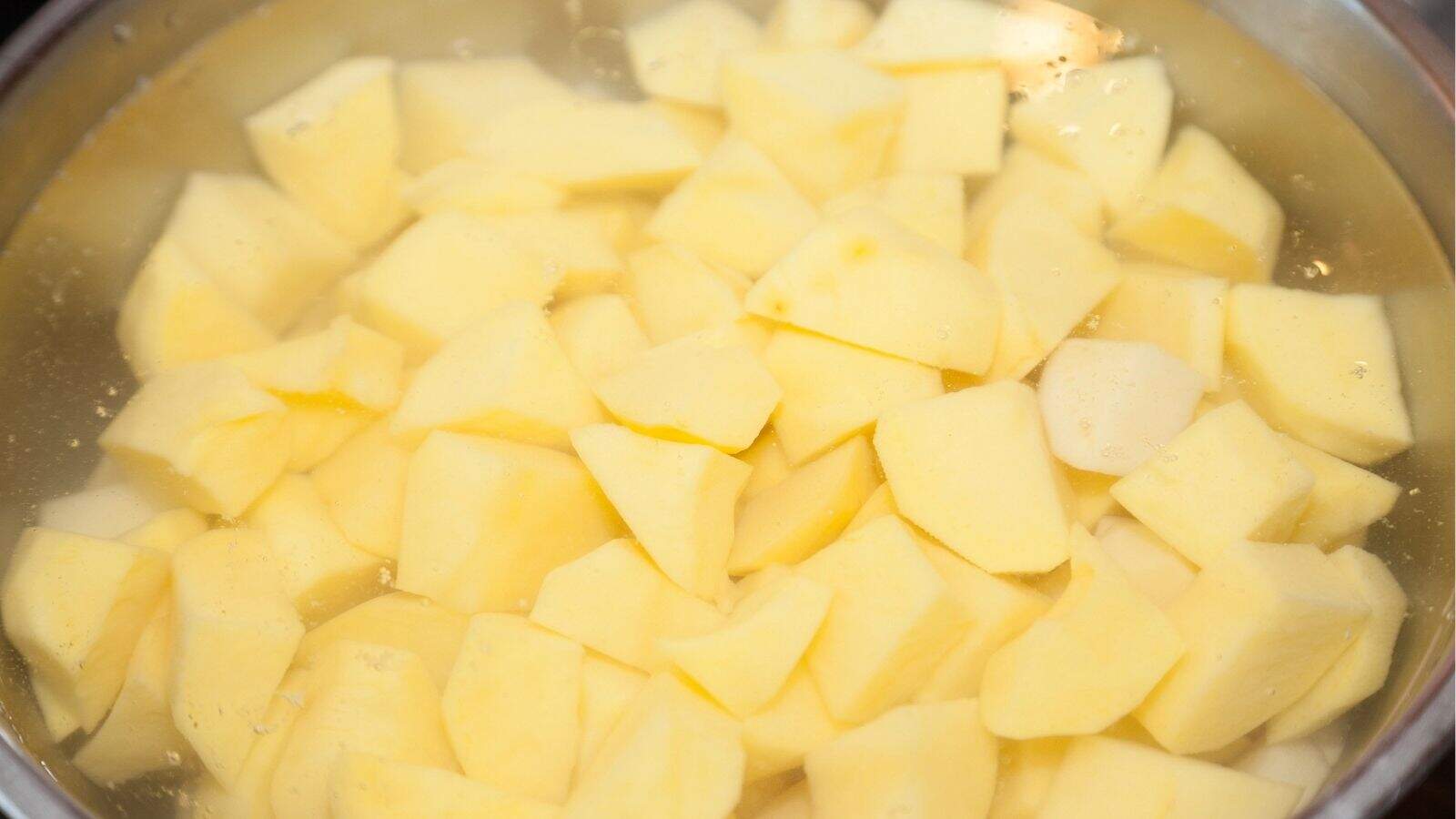
The water leftover from boiling potatoes was saved to thicken soups or dough. It contained starch that added body naturally. This clever trick reduced the need for extra flour or thickeners.
Freezing Leftovers

Grandparents often froze extra portions instead of throwing them away. This extended shelf life and allowed future meals to be prepared quickly. It was a practical way to save time and reduce waste.
Making Vegetable Stock From Scraps

Onion ends, celery stalks, and carrot tops became homemade stock. It added flavor without buying packaged broths. This simple practice enriched soups, stews, and gravies.
Using the Whole Egg

Egg whites or yolks left over from recipes were saved for omelets, custards, or baking. Nothing was wasted. This maximized ingredient usage in everyday cooking.
Extending Milk With Water or Broth

A small amount of water or broth added to milk in soups or baking stretched the liquid further. It maintained texture and flavor while using less. This simple trick saved on grocery costs.
Transforming Leftover Rice

Cold or extra rice became fried rice, rice pudding, or casseroles. Repurposing leftovers turned one meal into another. It made meals versatile and prevented waste.
Using Citrus Peels

Citrus rinds added flavor to baked goods, infused water, or preserved in sugar. Nothing from the fruit went unused. It provided natural zest and aroma for multiple recipes.
Saving Pasta Water

Pasta water was reserved to thicken sauces or soups naturally. The starch in the water enhanced texture without extra ingredients. It’s an easy, economical trick still used by chefs today.
Rehydrating Dried Beans

Dried beans were soaked overnight to stretch meals and save money. They provided protein in bulk at a low cost. This practice turned pantry staples into hearty, filling dishes.
Making Stock From Meat Bones
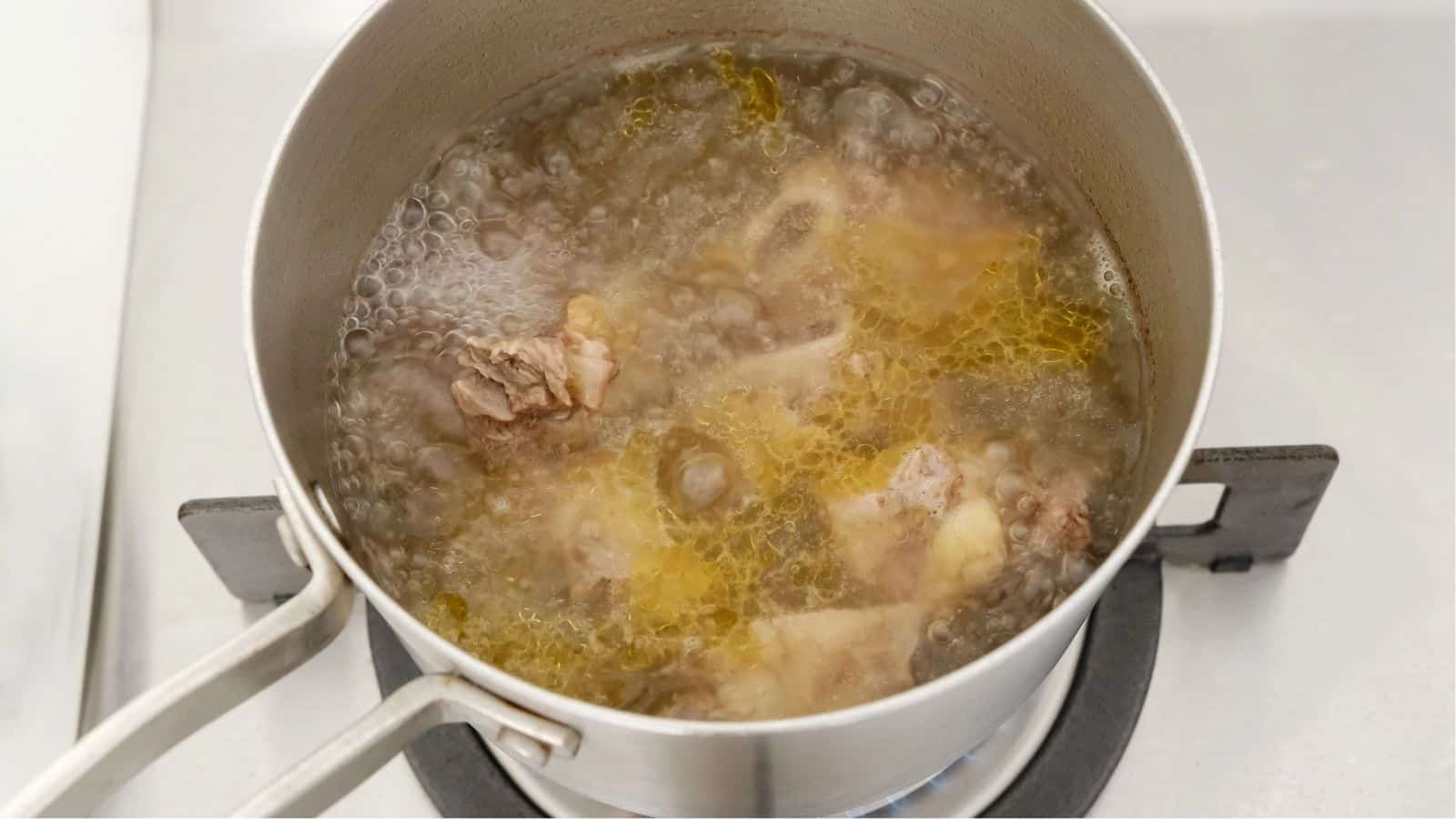
Bones from cooked meat were simmered to create nutrient-rich stock. This maximized every part of the animal. It added flavor and depth to soups and stews.
Using Leftover Fruit in Compotes
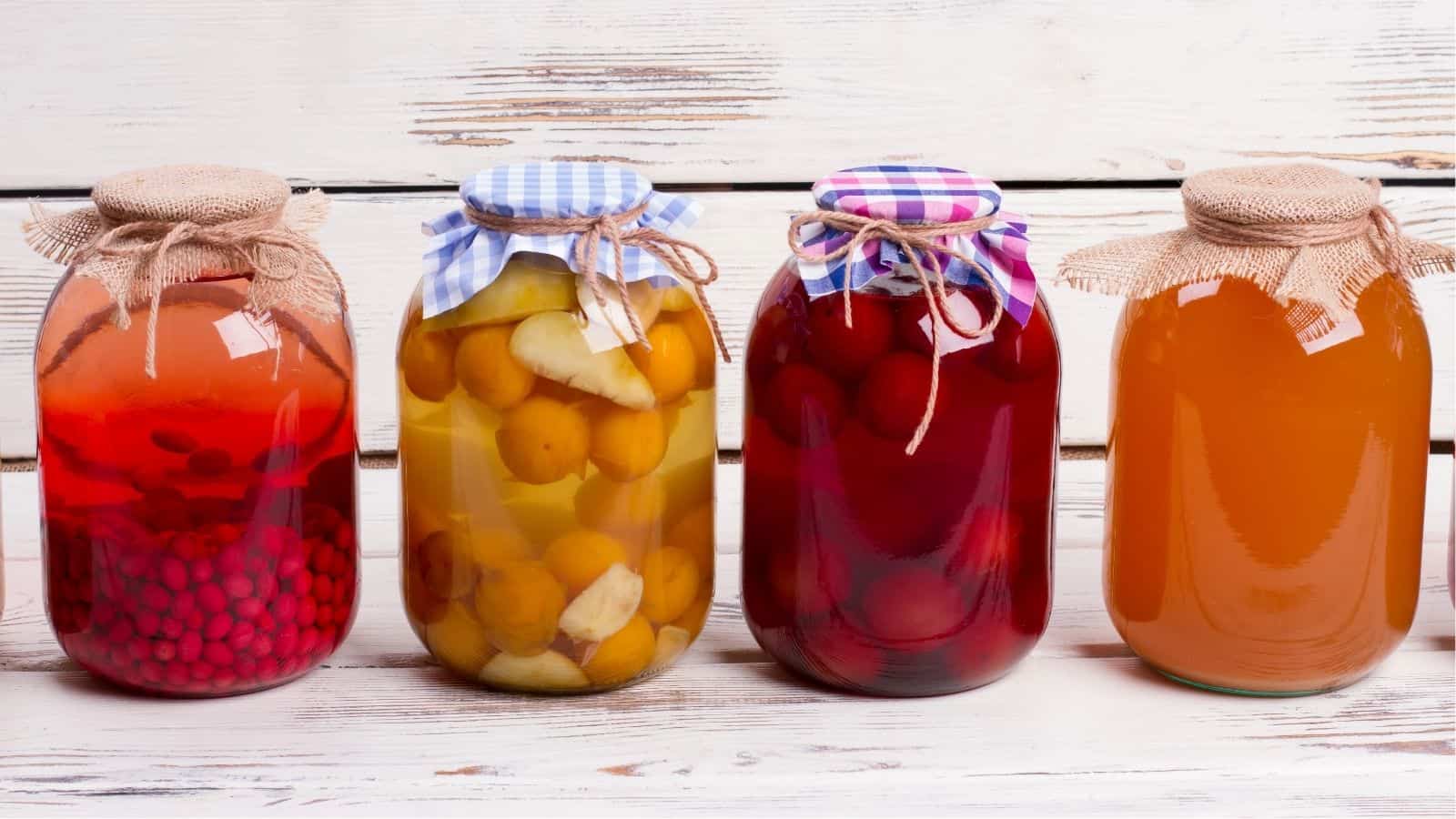
Overripe or extra fruit was simmered with sugar to make compotes or jams. This extended shelf life and added sweetness to breakfast or desserts. Nothing went to waste, and meals gained flavor.
Saving Herb Stems

Stems of herbs like parsley, cilantro, or thyme were saved for stocks or sauces. They added subtle flavor without needing fresh leaves every time. It’s a simple trick for maximizing pantry staples.
These pantry tricks prove that simple, resourceful habits can make ingredients go further while reducing waste. Adopting a few can save money and bring creative, flavorful touches to everyday cooking.





Comments
No Comments