
• Skip to main content
  • Skip to primary sidebar

Schisandra & Bergamot logo

menu icon
go to homepage
  • Index
  • Subscribe
  • About
  • Contact
  • Daily Plant
    • Facebook
    • Instagram
    • Pinterest
  • subscribe
    search icon
    Homepage link
    • Index
    • Subscribe
    • About
    • Contact
    • Daily Plant
    • Facebook
    • Instagram
    • Pinterest
  • ×
    Home » Trending

    Published: Dec 10, 2025 by Kristen Wood · This post may contain affiliate links. If you make a purchase through links on our site, we may earn a commission. ·

    15 pantry tricks grandparents used to stretch ingredients further

    23 shares
    • Facebook
    • Reddit

    Grandparents often had clever ways to make every ingredient last longer while keeping meals satisfying. These simple pantry tricks minimized waste and maximized flavor with what was on hand. Many of these methods are still practical today for anyone wanting to save money and reduce food waste.

    These 15 techniques show how resourcefulness in the kitchen can create delicious, economical meals. Adopting a few can make your pantry go further while keeping cooking simple and creative.

    Using Broth from Leftover Veggies

    A person adds leafy vegetables into a steaming pot of hot pot containing mushrooms, greens, and other ingredients.
    Photo Credit: kitzstocker/Envato

    Scraps from vegetables like carrot peels and onion skins were simmered into flavorful broth. This homemade stock added depth to soups and sauces. It reduces waste while creating a versatile cooking base.

    Stretching Meat With Grains

    A white plate filled with rice, red bell peppers, chunks of meat, and a tomato-based sauce, garnished with a sprig of parsley.
    Photo Credit: AndreB/Deposit Photos

    Adding rice, barley, or beans to meat dishes increased portions without compromising flavor. This trick made meals more filling and budget-friendly. It’s an easy way to feed more people from the same ingredients.

    HERB OF THE DAY · Explore today’s herb →

    Repurposing Stale Bread

    Close-up view of several pieces of cubed brown bread, showing their texture and crust.
    Photo Credit: mschuppi/Deposit Photos

    Stale bread was transformed into breadcrumbs, croutons, or bread pudding. This simple step prevented food waste. It also added texture and flavor to many dishes.

    Using Potato Water
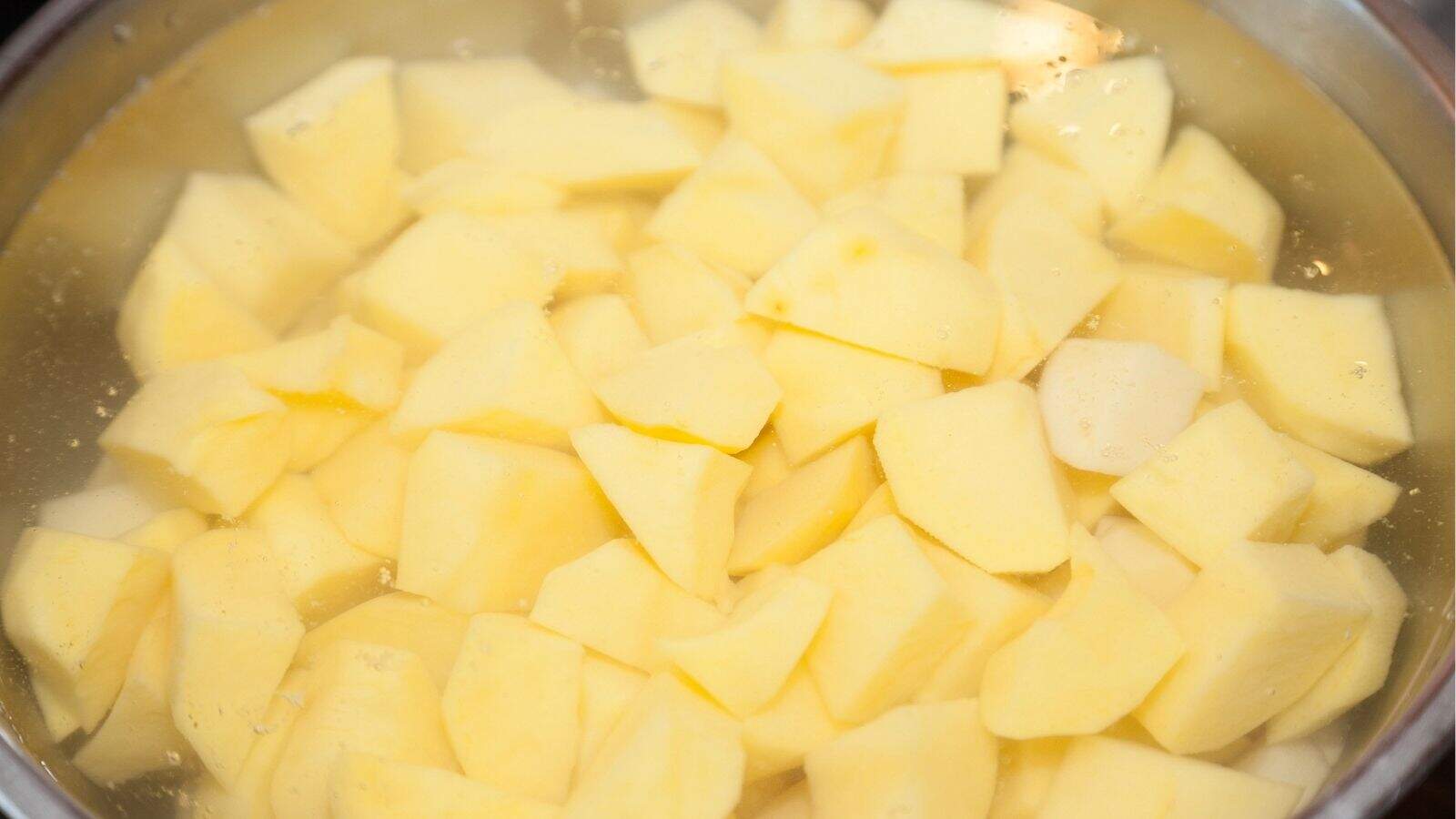
    Cubed raw potatoes are soaking in a bowl of water.
    Photo Credit: liubomirt/Deposit Photos

    The water leftover from boiling potatoes was saved to thicken soups or dough. It contained starch that added body naturally. This clever trick reduced the need for extra flour or thickeners.

    Freezing Leftovers

    Three plastic food containers are stacked vertically, each containing different foods with visible condensation inside. The top container is purple, the middle is blue, and the bottom is clear.
    Photo Credit: nito103/Deposit Photos

    Grandparents often froze extra portions instead of throwing them away. This extended shelf life and allowed future meals to be prepared quickly. It was a practical way to save time and reduce waste.

    Making Vegetable Stock From Scraps

    Three bowls of broth on a wooden board surrounded by fresh vegetables, herbs, mushrooms, garlic, ginger, and carrots.
    Photo Credit: bluebirdprovisions/Pixabay

    Onion ends, celery stalks, and carrot tops became homemade stock. It added flavor without buying packaged broths. This simple practice enriched soups, stews, and gravies.

    Using the Whole Egg

    Two chickens stand next to a wooden crate filled with eggs, outdoors near a coop, surrounded by hay.
    Photo Credit: kolesnikovsergii/Envato

    Egg whites or yolks left over from recipes were saved for omelets, custards, or baking. Nothing was wasted. This maximized ingredient usage in everyday cooking.

    Extending Milk With Water or Broth

    Two glass bottles filled with milk are placed side by side in a wooden crate against a light blue background.
    Photo Credit: alebloshka/Deposit Photos

    A small amount of water or broth added to milk in soups or baking stretched the liquid further. It maintained texture and flavor while using less. This simple trick saved on grocery costs.

    Transforming Leftover Rice

    A plate of fried rice with peas, corn, carrots, and small pieces of egg and meat on a white background.
    Photo Credit: Torsakarin/Deposit Photos

    Cold or extra rice became fried rice, rice pudding, or casseroles. Repurposing leftovers turned one meal into another. It made meals versatile and prevented waste.

    Using Citrus Peels

    A partially peeled orange with the peel curling away in a spiral, set against a white background.
    Photo Credit: asimojet/Deposit Photos

    Citrus rinds added flavor to baked goods, infused water, or preserved in sugar. Nothing from the fruit went unused. It provided natural zest and aroma for multiple recipes.

    Saving Pasta Water

    Long pasta noodles are being cooked in a pot of boiling water on a stovetop.
    Photo Credit: LightFieldStudios/Envato

    Pasta water was reserved to thicken sauces or soups naturally. The starch in the water enhanced texture without extra ingredients. It’s an easy, economical trick still used by chefs today.

    Rehydrating Dried Beans

    A glass bowl filled with red beans soaking in water, placed on a white surface.
    Photo Credit: fengari3211/Deposit Photos

    Dried beans were soaked overnight to stretch meals and save money. They provided protein in bulk at a low cost. This practice turned pantry staples into hearty, filling dishes.

    Making Stock From Meat Bones
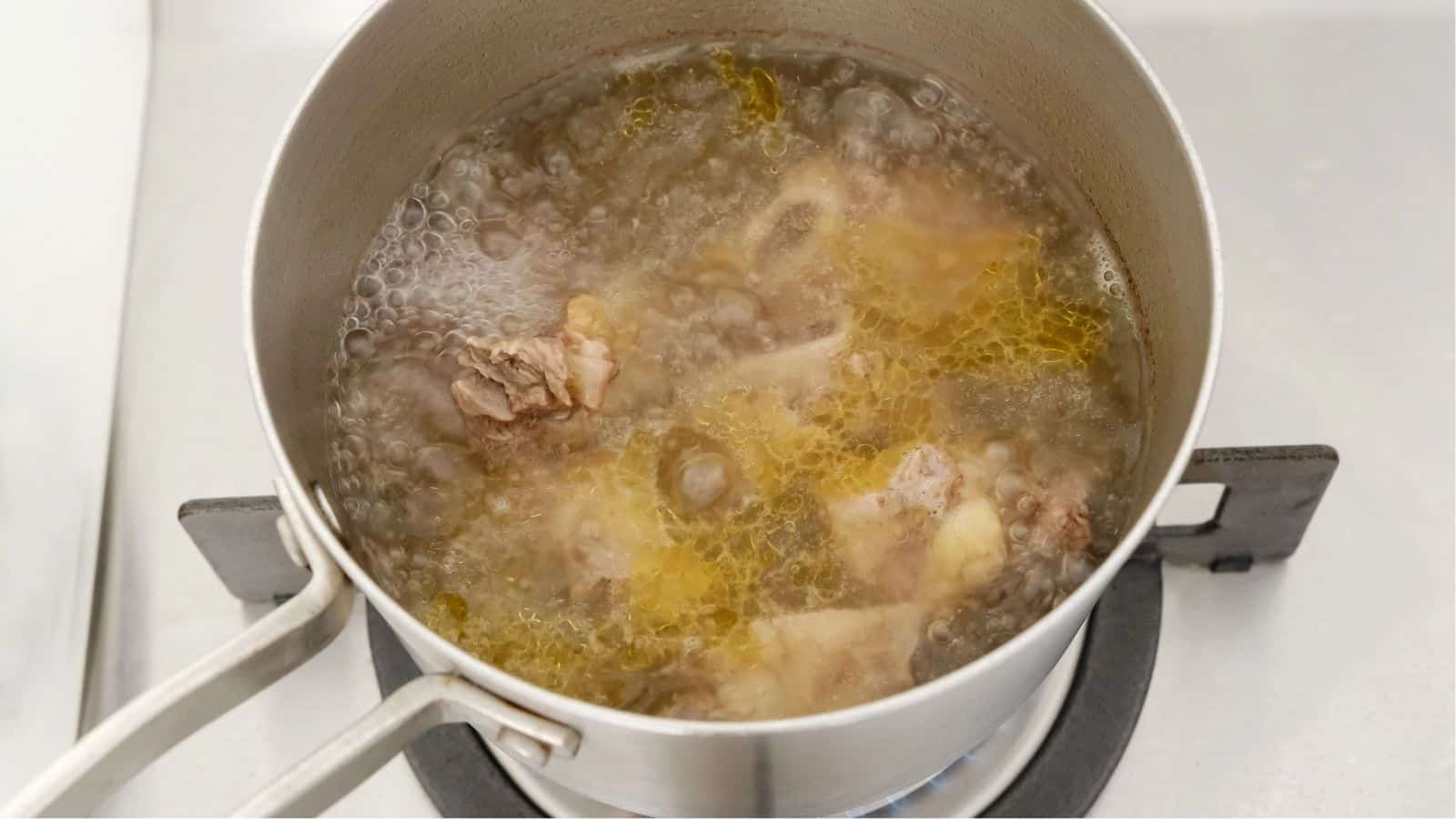
    A metal pot filled with bones and meat is boiling on a gas stove, producing broth with bubbles and a layer of oil on the surface.
    Photo Credit: tyasindayanti/Deposit Photos

    Bones from cooked meat were simmered to create nutrient-rich stock. This maximized every part of the animal. It added flavor and depth to soups and stews.

    Using Leftover Fruit in Compotes
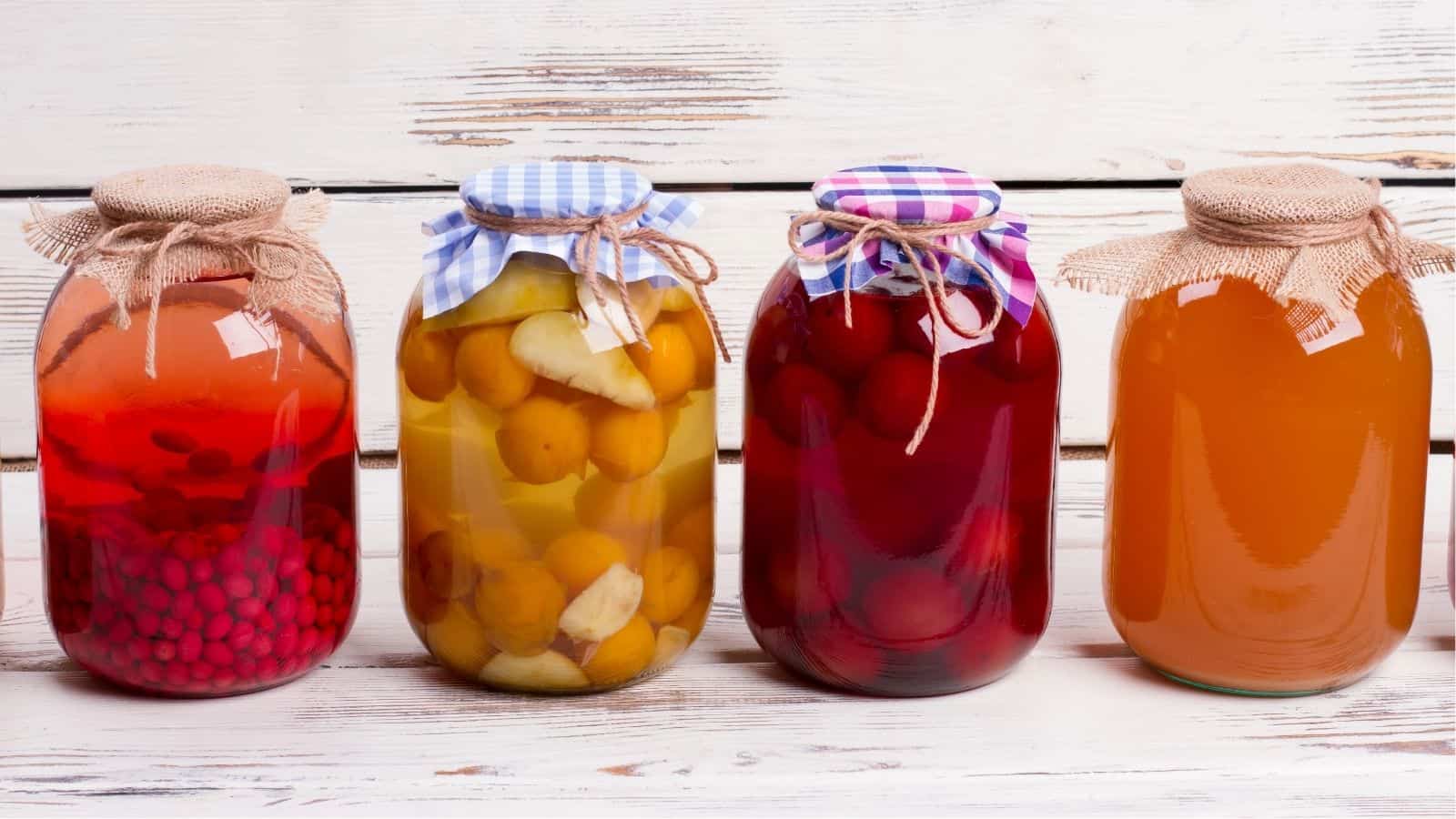
    Four glass jars filled with preserved fruits and liquids, each covered with a fabric lid, are lined up in front of a white wooden background.
    Photo Credit: margostock/Deposit Photos

    Overripe or extra fruit was simmered with sugar to make compotes or jams. This extended shelf life and added sweetness to breakfast or desserts. Nothing went to waste, and meals gained flavor.

    Saving Herb Stems

    Five types of fresh herbs—mint, tarragon, dill, thyme, and purple basil—are arranged in a row on a white background.
    Photo Credit: filiaolga/Envato

    Stems of herbs like parsley, cilantro, or thyme were saved for stocks or sauces. They added subtle flavor without needing fresh leaves every time. It’s a simple trick for maximizing pantry staples.

    These pantry tricks prove that simple, resourceful habits can make ingredients go further while reducing waste. Adopting a few can save money and bring creative, flavorful touches to everyday cooking.

    More Trending

    • A woman talking on a cell phone.
      15 overlooked spots in your home that need winter attention
    • Person holding a potted plant and a spray bottle stands in a kitchen with green cabinetry and wooden shelves in the background.
      15 indoor gardening habits that pay off year-round
    • An older woman and a young girl sit on a couch smiling at each other while looking at an open book in the girl's lap.
      15 practical skills grandparents learned early that still matter
    • A woman in an apron holds a potted plant in one hand and makes a peace sign with the other, standing against a pink background.
      15 plants that symbolize renewal, rest, and winter wisdom

    About Kristen Wood

    Kristen is a plant lover, gardener, certified functional nutritional expert, cookbook author, writer, and photographer. Her work has been featured in many online and print publications including Willow & Sage Magazine, Forbes, NBC, New York Daily News, Healthline, MSN, Elle, Yoga Journal, and many more. She is also a syndicated writer for The Associated Press.

    Reader Interactions

    Comments

    No Comments

    Leave a Reply Cancel reply

    Your email address will not be published. Required fields are marked *

    Recipe Rating


    Primary Sidebar

    A close up of a woman's face in the sun, radiating with the gentle glow of schisandra and bergamot home.

    About Kristen Wood

    Kristen is a plant lover, gardener, certified functional nutritional expert, cookbook author, writer, and photographer. Her work has been featured in many online and print publications including Willow & Sage Magazine, Forbes, NBC, New York Daily News, Healthline, MSN, Elle, Yoga Journal, and many more. She is also a syndicated writer for The Associated Press.

    Learn more about me →

    Herb of the Day

    Meet today’s featured herb with gentle kitchen ideas, botanical notes, folklore, and a quiet reflection to take with you.

    Explore Today’s Herb

    Follow us!

    Footer

    ↑ back to top

    About

    • Privacy Policy
    • Google Web Stories
    • Accessibility Statement
    • Disclaimer

    Newsletter

    • Sign up for our newsletter to receive our latest posts!

    Contact

    • Contact

    Copyright © 2026 Schisandra & Bergamot
    Disclaimer: As An Amazon Associate I Earn From Qualifying Purchases.

    Herb of the Day

    Discover today’s featured herb with simple kitchen ideas, botanical notes, folklore, and a reflective message.

    Explore
    23 shares