

Winter has long inspired symbolism in plants that endure cold, darkness, and stillness. These plants represent resilience, hope, protection, and quiet renewal during the harshest months.
Their meanings were woven into folklore, rituals, and seasonal traditions across cultures. These 15 symbolic plants carry deep winter meaning rooted in history and belief. Learning their stories adds warmth and intention to the cold season.
Holly

Jump to a Section
Holly symbolizes protection and life during winter’s darkest days. Its evergreen leaves and red berries represented endurance and good fortune. Many traditions used holly to ward off harm.
Evergreen Pine

Pine trees represent eternal life and resilience. Their needles stay green through winter storms. This strength made pine a symbol of hope and continuity.
Mistletoe

Mistletoe symbolized peace, fertility, and reconciliation. It was believed to bring harmony to households during winter. The plant remains central to seasonal traditions today.
Yew

Yew trees were linked to immortality and spiritual protection. Their long lifespan made them guardians of sacred spaces. Yew symbolized the cycle of death and rebirth in winter.
Ivy

Ivy represents faithfulness and survival through hardship. Its ability to cling and stay green made it a winter emblem. Ivy was believed to protect homes from harm.
Rosemary

Rosemary symbolized remembrance and loyalty during winter gatherings. It was used to honor loved ones and ancestors. Its scent added warmth and reflection to the season.
Bay Laurel

Bay laurel represented wisdom and victory over adversity. Even in winter, its leaves stayed strong and fragrant. This endurance carried symbolic power.
Juniper

Juniper was thought to purify spaces and ward off illness. Its berries were burned or brewed in winter rituals. The plant symbolized cleansing and renewal.
Hellebore
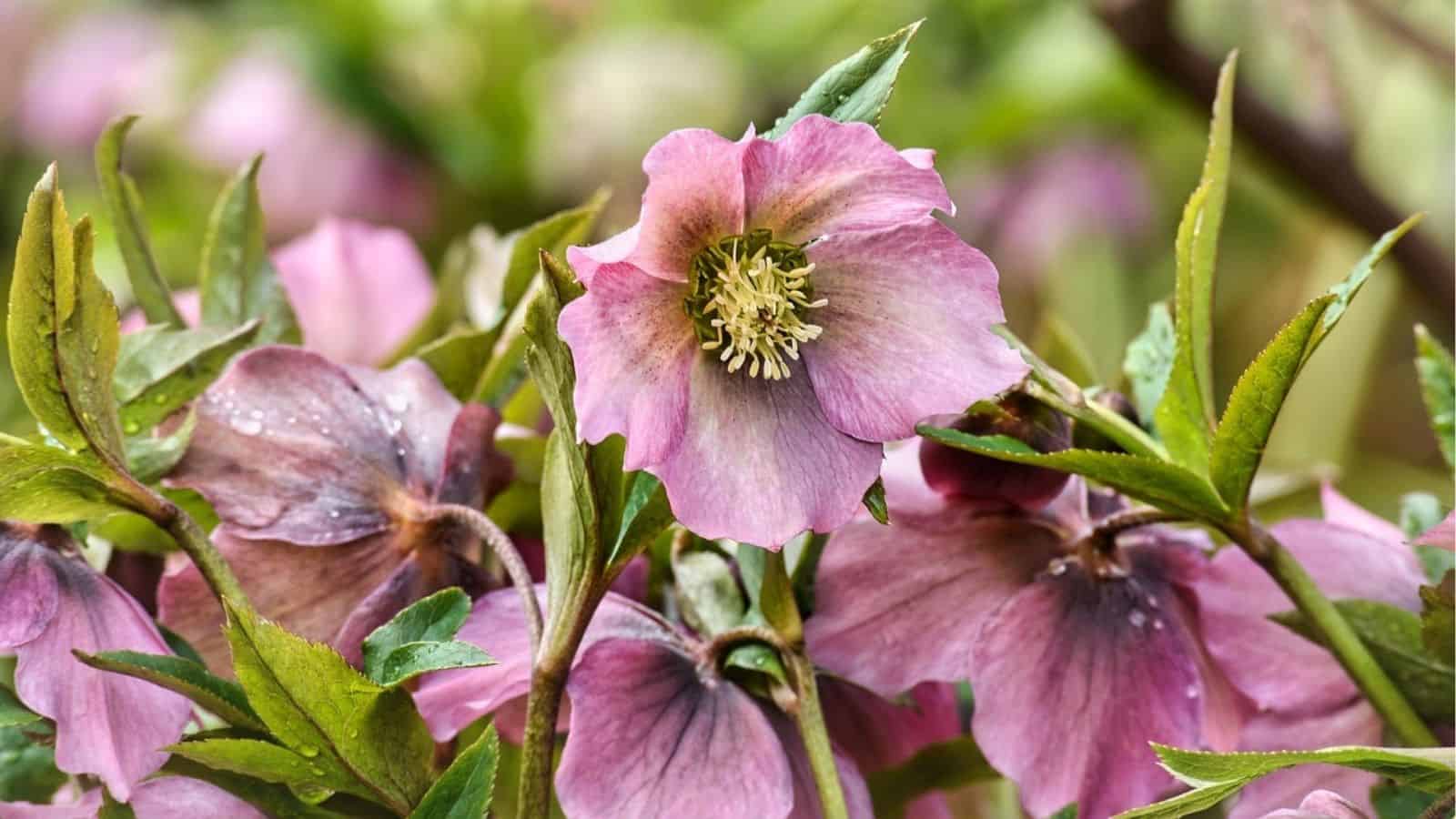
Hellebore, often called the Christmas rose, blooms in winter. Its flowers symbolized hope and resilience. Folklore credited it with protective qualities.
Snowdrop

Snowdrops symbolize hope and new beginnings. They are often the first flowers to appear through snow. Their arrival marked the promise of spring.
Winterberry

Winterberry represents abundance and life during scarcity. Its bright berries stand out against bare branches. The plant symbolized nourishment and survival.
Sage

Sage was used for cleansing and wisdom during winter months. It symbolized clarity and protection. Many traditions believed it restored balance.
Cedar

Cedar represented strength and spiritual grounding. It was burned or used in rituals for protection. Its evergreen nature reinforced its winter symbolism.
Fir

Fir trees symbolized resilience and renewal. Their tall, steady form embodied strength during harsh weather. Fir became central to winter celebrations.
Boxwood

Boxwood symbolized permanence and stability. Its evergreen leaves endured frost and snow. The plant represented steadfastness during winter.
Symbolic winter plants remind us that life continues even in stillness and cold. Their meanings offer comfort, hope, and quiet strength throughout the season.





Comments
No Comments