

• Skip to main content
  • Skip to primary sidebar

Schisandra & Bergamot logo

menu icon
go to homepage
  • Index
  • Subscribe
  • About
  • Contact
  • Daily Plant
    • Facebook
    • Instagram
    • Pinterest
  • subscribe
    search icon
    Homepage link
    • Index
    • Subscribe
    • About
    • Contact
    • Daily Plant
    • Facebook
    • Instagram
    • Pinterest
  • ×
    Home » Trending

    Published: Dec 17, 2025 by Kristen Wood · This post may contain affiliate links. If you make a purchase through links on our site, we may earn a commission. ·

    15 symbolic plants with deep winter meaning

    16 shares
    • Facebook
    • Reddit

    Winter has long inspired symbolism in plants that endure cold, darkness, and stillness. These plants represent resilience, hope, protection, and quiet renewal during the harshest months.

    Their meanings were woven into folklore, rituals, and seasonal traditions across cultures. These 15 symbolic plants carry deep winter meaning rooted in history and belief. Learning their stories adds warmth and intention to the cold season.

    Holly

    A holly bush with glossy green leaves and clusters of bright red berries.
    Photo Credit: PublicDomainPictures/Pixabay

    Holly symbolizes protection and life during winter’s darkest days. Its evergreen leaves and red berries represented endurance and good fortune. Many traditions used holly to ward off harm.

    Evergreen Pine

    A green artificial Christmas tree with sparse branches and faint traces of white garland, set against a plain white background.
    Photo Credit: lyulkamazur/Envato

    Pine trees represent eternal life and resilience. Their needles stay green through winter storms. This strength made pine a symbol of hope and continuity.

    HERB OF THE DAY · Explore today’s herb →

    Mistletoe

    A dense clump of green mistletoe growing on the branches of a tree against a clear blue sky.
    Photo Credit: kasiaczernik/Pixabay

    Mistletoe symbolized peace, fertility, and reconciliation. It was believed to bring harmony to households during winter. The plant remains central to seasonal traditions today.

    Yew

    Dense cluster of needle-like green leaves from a shrub or small conifer plant, overlapping closely and forming a thick, textured foliage pattern.
    Photo Credit: RannyDe/Deposit Photos

    Yew trees were linked to immortality and spiritual protection. Their long lifespan made them guardians of sacred spaces. Yew symbolized the cycle of death and rebirth in winter.

    Ivy

    Close-up of green ivy leaves with light yellow edges, densely covering the frame.
    Photo Credit: KRiemer/Pixabay

    Ivy represents faithfulness and survival through hardship. Its ability to cling and stay green made it a winter emblem. Ivy was believed to protect homes from harm.

    Rosemary

    A hand gently holds a rosemary plant with small purple flowers, with potted plants visible in the background.
    Photo Credit: Lachlan Ross/Pexels

    Rosemary symbolized remembrance and loyalty during winter gatherings. It was used to honor loved ones and ancestors. Its scent added warmth and reflection to the season.

    Bay Laurel

    A close-up of several dried bay leaves arranged on a dark, textured surface.
    Photo Credit: Marek Kupiec/Pexels

    Bay laurel represented wisdom and victory over adversity. Even in winter, its leaves stayed strong and fragrant. This endurance carried symbolic power.

    Juniper

    Close-up view of dense, spiky, blue-green foliage of a coniferous plant, likely juniper, with a blurred background.
    Photo Credit: irina-k-ch/Deposit Photos

    Juniper was thought to purify spaces and ward off illness. Its berries were burned or brewed in winter rituals. The plant symbolized cleansing and renewal.

    Hellebore
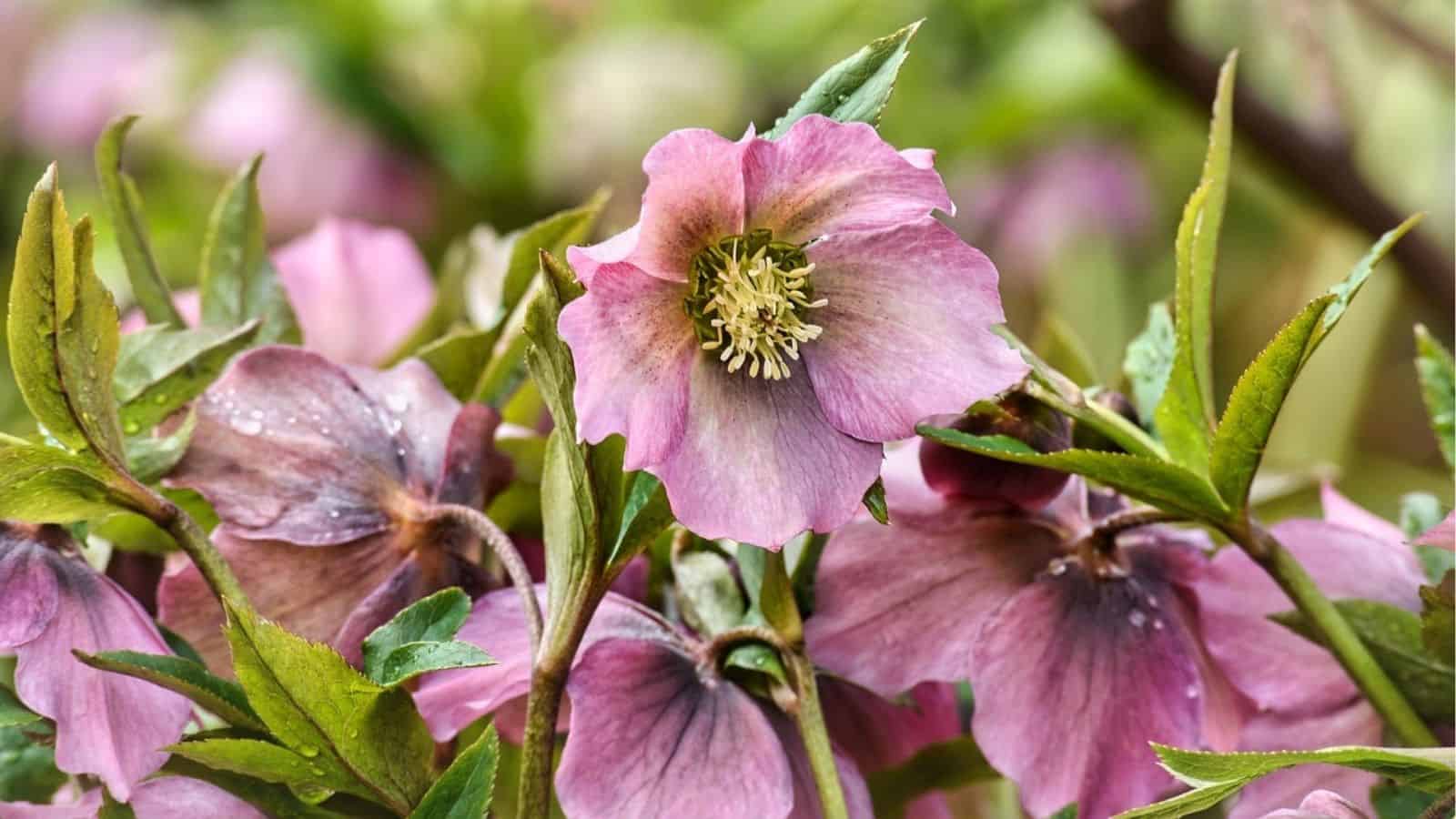
    Close-up of several pink hellebore flowers with green leaves, some petals showing water droplets. The background is softly blurred.
    Photo Credit: Antranias/Pixabay

    Hellebore, often called the Christmas rose, blooms in winter. Its flowers symbolized hope and resilience. Folklore credited it with protective qualities.

    Snowdrop

    A cluster of white snowdrop flowers with green stems and leaves growing outdoors.
    Photo Credit: klagyivik/Deposit Photos

    Snowdrops symbolize hope and new beginnings. They are often the first flowers to appear through snow. Their arrival marked the promise of spring.

    Winterberry

    Close-up of a holly bush with clusters of bright red berries and glossy, spiked green leaves.
    Photo Credit: JosepMonter/Pixabay

    Winterberry represents abundance and life during scarcity. Its bright berries stand out against bare branches. The plant symbolized nourishment and survival.

    Sage

    Close-up of green sage plants with elongated, textured leaves growing densely outdoors.
    Photo Credit: Marina Yalanska/Unsplash

    Sage was used for cleansing and wisdom during winter months. It symbolized clarity and protection. Many traditions believed it restored balance.

    Cedar

    Small glass bottles of yellowish essential oil with cork stoppers sit on a wooden surface next to scattered pieces of wood.
    Photo Credit: MadeleineSteinbach/Deposit Photos

    Cedar represented strength and spiritual grounding. It was burned or used in rituals for protection. Its evergreen nature reinforced its winter symbolism.

    Fir
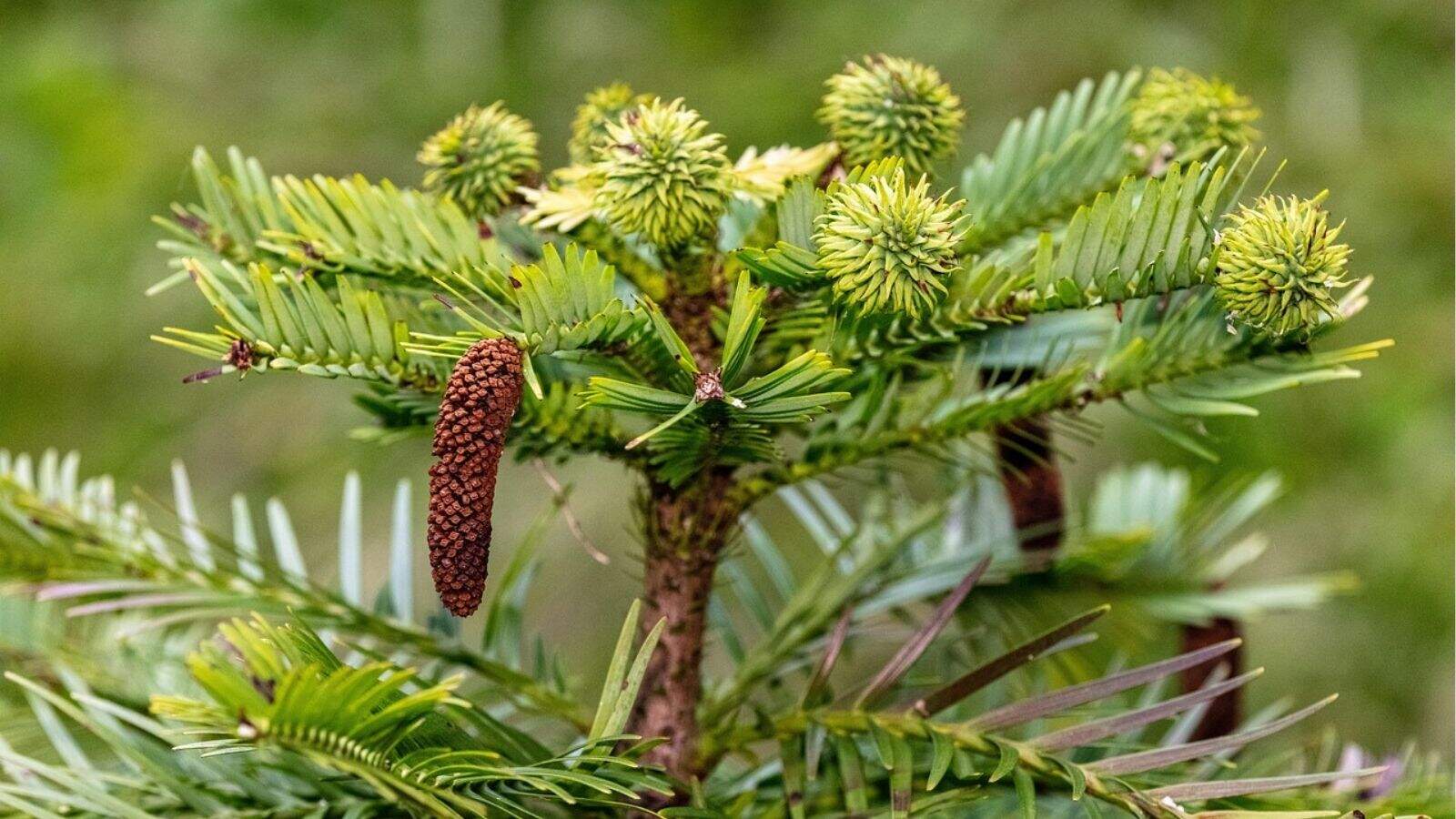
    A close-up of green pine needles and round, spiky cones on a tree branch, with one elongated brown cone visible.
    Photo Credit: MyPixels_uk/Pixabay

    Fir trees symbolized resilience and renewal. Their tall, steady form embodied strength during harsh weather. Fir became central to winter celebrations.

    Boxwood

    Four round, green shrubs are planted in decorative terracotta and ceramic pots, arranged on a sunlit brick patio near a stone wall.
    Photo Credit: cocoparisienne/Pixabay

    Boxwood symbolized permanence and stability. Its evergreen leaves endured frost and snow. The plant represented steadfastness during winter.

    Symbolic winter plants remind us that life continues even in stillness and cold. Their meanings offer comfort, hope, and quiet strength throughout the season.


    More Trending

    • A woman talking on a cell phone.
      15 overlooked spots in your home that need winter attention
    • Person holding a potted plant and a spray bottle stands in a kitchen with green cabinetry and wooden shelves in the background.
      15 indoor gardening habits that pay off year-round
    • An older woman and a young girl sit on a couch smiling at each other while looking at an open book in the girl's lap.
      15 practical skills grandparents learned early that still matter
    • A woman in an apron holds a potted plant in one hand and makes a peace sign with the other, standing against a pink background.
      15 plants that symbolize renewal, rest, and winter wisdom

    About Kristen Wood

    Kristen is a plant lover, gardener, certified functional nutritional expert, cookbook author, writer, and photographer. Her work has been featured in many online and print publications including Willow & Sage Magazine, Forbes, NBC, New York Daily News, Healthline, MSN, Elle, Yoga Journal, and many more. She is also a syndicated writer for The Associated Press.

    Reader Interactions

    Comments

    No Comments

    Leave a Reply Cancel reply

    Your email address will not be published. Required fields are marked *

    Recipe Rating


    Primary Sidebar

    A close up of a woman's face in the sun, radiating with the gentle glow of schisandra and bergamot home.

    About Kristen Wood

    Kristen is a plant lover, gardener, certified functional nutritional expert, cookbook author, writer, and photographer. Her work has been featured in many online and print publications including Willow & Sage Magazine, Forbes, NBC, New York Daily News, Healthline, MSN, Elle, Yoga Journal, and many more. She is also a syndicated writer for The Associated Press.

    Learn more about me →

    Herb of the Day

    Meet today’s featured herb with gentle kitchen ideas, botanical notes, folklore, and a quiet reflection to take with you.

    Explore Today’s Herb

    Follow us!

    Footer

    ↑ back to top

    About

    • Privacy Policy
    • Google Web Stories
    • Accessibility Statement
    • Disclaimer

    Newsletter

    • Sign up for our newsletter to receive our latest posts!

    Contact

    • Contact

    Copyright © 2026 Schisandra & Bergamot
    Disclaimer: As An Amazon Associate I Earn From Qualifying Purchases.

    Herb of the Day

    Discover today’s featured herb with simple kitchen ideas, botanical notes, folklore, and a reflective message.

    Explore
    16 shares