

Winter gardening isn’t about forcing growth but protecting what’s already thriving beneath the surface. Cold temperatures, frost, and fluctuating moisture can stress plants if they’re left unprepared.
With a few smart adjustments, your garden can stay healthy and resilient through winter. These 15 winter gardening tips focus on protection, planning, and gentle care. Each one helps your plants survive the cold and emerge stronger in spring.
Mulch Generously

Jump to a Section
Mulch acts as insulation for plant roots during freezing temperatures. It helps regulate soil temperature and retain moisture. Organic mulch also improves soil health over time.
Water Before the Ground Freezes

Well-hydrated plants tolerate cold better than dry ones. Watering before a deep freeze helps roots stay protected. Moist soil holds warmth longer than dry soil.
Protect Plants From Harsh Winds

Cold winds can dry out leaves and damage stems. Use burlap, garden fabric, or natural barriers for shelter. Wind protection reduces stress and moisture loss.
Leave Some Plants Uncut

Dead stems and foliage provide natural insulation. They also protect crowns and roots from frost damage. Leaving plants standing supports beneficial insects as well.
Cover Vulnerable Plants

Row covers, frost cloths, or blankets help trap heat. Use them during extreme cold or frost warnings. Remove covers during milder days to prevent moisture buildup.
Choose Cold-Hardy Plants

Winter-hardy plants are better equipped to handle low temperatures. Native and adapted varieties require less protection. Planning ahead reduces winter losses.
Avoid Walking on Frozen Soil

Frozen soil compacts easily and damages root systems. Limit foot traffic in garden beds during winter. Protecting soil structure supports healthier spring growth.
Use Raised Beds to Your Advantage

Raised beds drain better and warm slightly faster. They reduce waterlogging during winter rains. Good drainage prevents root rot and soil compaction.
Clean Garden Tools Before Storage

Cleaning tools prevents disease from overwintering. Sharp, clean tools last longer and work better. Proper care saves time and money next season.
Bring Potted Plants Closer to Shelter

Containers lose heat faster than in-ground plants. Move pots near walls or under cover. This extra protection helps roots stay warmer.
Add Compost to Beds

Compost enriches soil even during winter. It improves structure and supports microbial life. Winter composting prepares beds for spring planting.
Check Drainage After Heavy Rain

Poor drainage can harm dormant plants. Clear blockages and redirect excess water if needed. Dry roots survive winter better than soggy ones.
Prune Only When Necessary

Avoid heavy pruning during winter unless required. Pruning can stimulate growth that’s vulnerable to frost. Wait until late winter or early spring when possible.
Keep an Eye on Frost Heaving
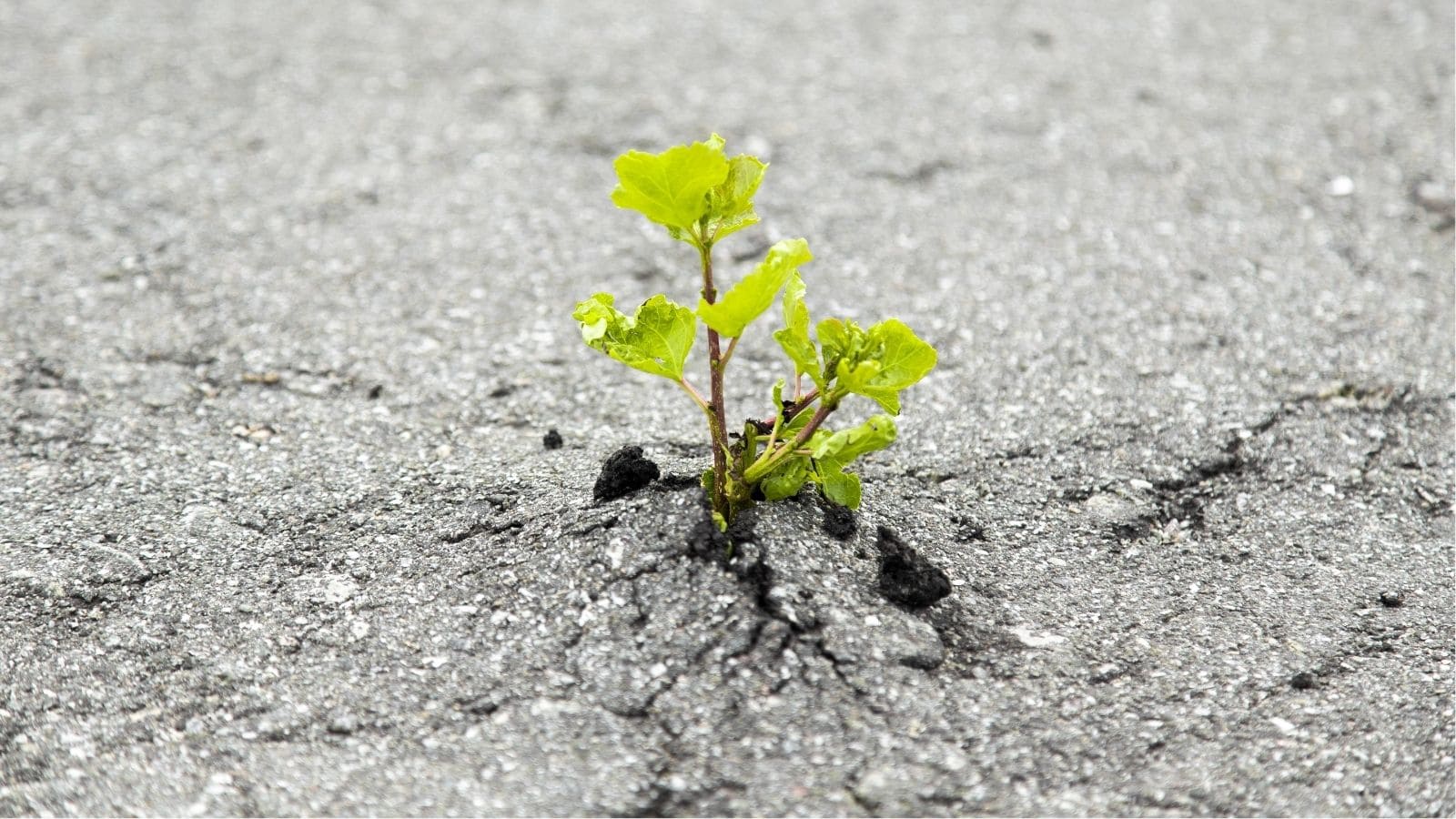
Repeated freezing and thawing can push plants out of the soil. Gently press roots back into place if exposed. Mulch helps prevent this issue.
Observe and Take Notes
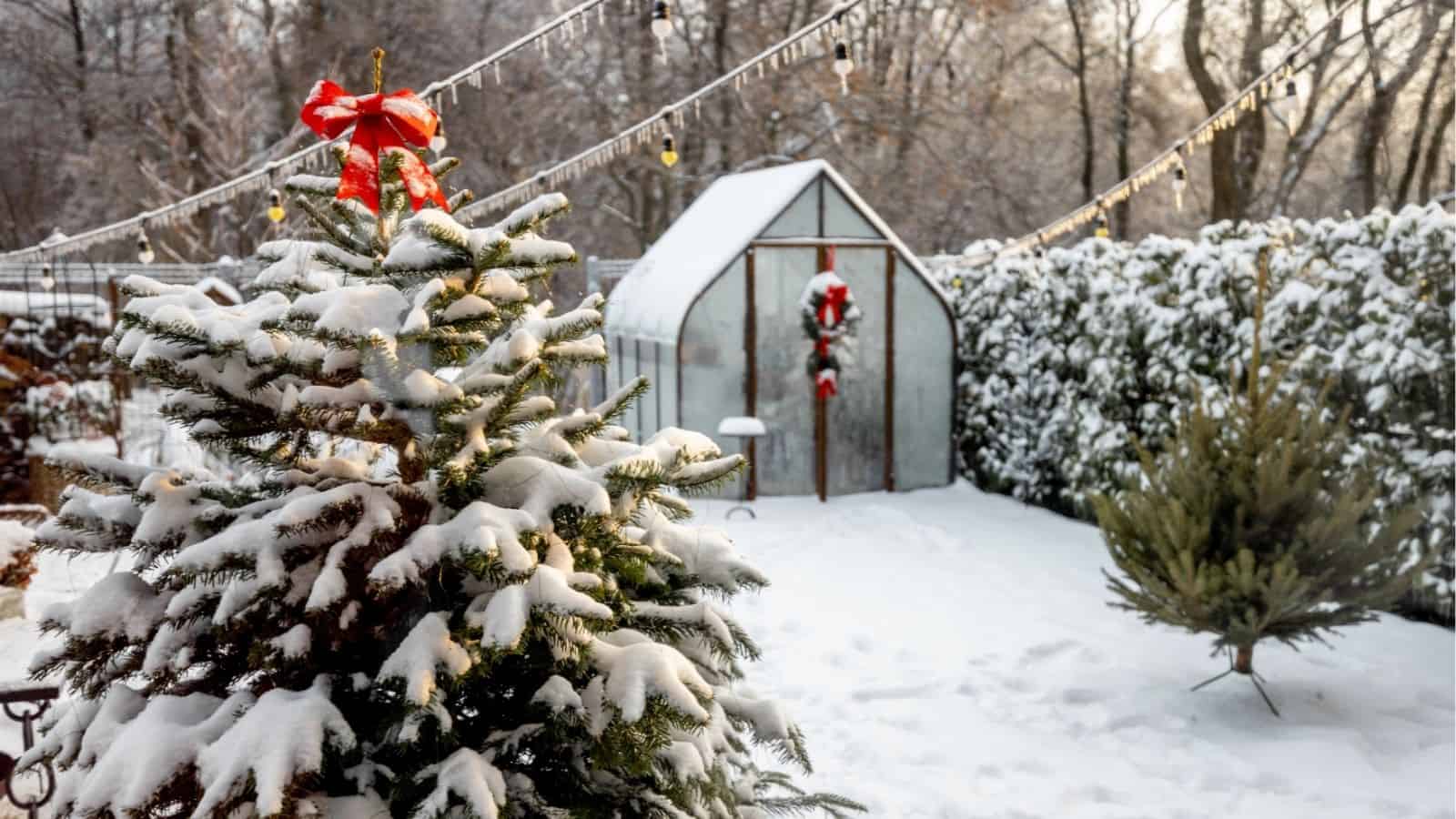
Winter is ideal for studying your garden’s strengths and weak spots. Notice drainage patterns, sun exposure, and plant survival. These observations guide better decisions in spring.
Winter gardening is about care, patience, and preparation rather than growth. With these simple tips, your plants can rest safely and return stronger when warmer days arrive.




Comments
No Comments