
• Skip to main content
  • Skip to primary sidebar

Schisandra & Bergamot logo

menu icon
go to homepage
  • Index
  • Subscribe
  • About
  • Contact
  • Daily Plant
    • Facebook
    • Instagram
    • Pinterest
  • subscribe
    search icon
    Homepage link
    • Index
    • Subscribe
    • About
    • Contact
    • Daily Plant
    • Facebook
    • Instagram
    • Pinterest
  • ×
    Home » Trending

    Published: Dec 17, 2025 by Kristen Wood · This post may contain affiliate links. If you make a purchase through links on our site, we may earn a commission. ·

    15 winter gardening tips that help your plants thrive in the cold

    17 shares
    • Facebook
    • Reddit

    Winter gardening isn’t about forcing growth but protecting what’s already thriving beneath the surface. Cold temperatures, frost, and fluctuating moisture can stress plants if they’re left unprepared.

    With a few smart adjustments, your garden can stay healthy and resilient through winter. These 15 winter gardening tips focus on protection, planning, and gentle care. Each one helps your plants survive the cold and emerge stronger in spring.

    Mulch Generously

    A person wearing gardening gloves places mulch around the base of a young tree, with a bucket of mulch nearby on the grass.
    Photo Credit: ronstik/Envato

    Mulch acts as insulation for plant roots during freezing temperatures. It helps regulate soil temperature and retain moisture. Organic mulch also improves soil health over time.

    Water Before the Ground Freezes

    A person watering soil beds with a hose inside a greenhouse, surrounded by various growing plants and vegetables.
    Photo Credit: Zoe Richardson/Unsplash

    Well-hydrated plants tolerate cold better than dry ones. Watering before a deep freeze helps roots stay protected. Moist soil holds warmth longer than dry soil.

    HERB OF THE DAY · Explore today’s herb →

    Protect Plants From Harsh Winds

    A blue wooden picket fence with green leafy vines growing over and around it, set outdoors in bright daylight.
    Photo Credit: svittlana/Envato

    Cold winds can dry out leaves and damage stems. Use burlap, garden fabric, or natural barriers for shelter. Wind protection reduces stress and moisture loss.

    Leave Some Plants Uncut

    A field of withered sunflowers under a cloudy sky, with a dirt road running alongside.
    Photo Credit: orestligetka.ukr.net/Deposit Photos

    Dead stems and foliage provide natural insulation. They also protect crowns and roots from frost damage. Leaving plants standing supports beneficial insects as well.

    Cover Vulnerable Plants

    Young plants growing in rows under a white fabric tunnel in a garden, with soil visible and clips securing the covering.
    Photo Credit: verba0711/Envato

    Row covers, frost cloths, or blankets help trap heat. Use them during extreme cold or frost warnings. Remove covers during milder days to prevent moisture buildup.

    Choose Cold-Hardy Plants

    Rows of young green vegetable plants growing in dark, tilled soil in a garden or farm setting.
    Photo Credit: anatoliycherkas/Envato

    Winter-hardy plants are better equipped to handle low temperatures. Native and adapted varieties require less protection. Planning ahead reduces winter losses.

    Avoid Walking on Frozen Soil

    Rows of young plants growing in a field with patches of melting snow and exposed soil.
    Photo Credit: Kinderkz/Deposit Photos

    Frozen soil compacts easily and damages root systems. Limit foot traffic in garden beds during winter. Protecting soil structure supports healthier spring growth.

    Use Raised Beds to Your Advantage

    Raised garden beds with various green plants and herbs growing, surrounded by gravel paths and a wooden fence in a sunny outdoor setting.
    Photo Credit: Maria_Sbytova/Envato

    Raised beds drain better and warm slightly faster. They reduce waterlogging during winter rains. Good drainage prevents root rot and soil compaction.

    Clean Garden Tools Before Storage

    Five gardening tools, including a pair of pruners and four green plastic hand tools, are laid out in a row on a wooden surface.
    Photo Credit: FabrikaPhoto/Envato

    Cleaning tools prevents disease from overwintering. Sharp, clean tools last longer and work better. Proper care saves time and money next season.

    Bring Potted Plants Closer to Shelter

    Several terracotta pots with green rosemary plants are neatly arranged on metal shelves indoors.
    Photo Credit: vinnikava/Envato

    Containers lose heat faster than in-ground plants. Move pots near walls or under cover. This extra protection helps roots stay warmer.

    Add Compost to Beds

    Photo Credit: Stas_Mara/Envato

    Compost enriches soil even during winter. It improves structure and supports microbial life. Winter composting prepares beds for spring planting.

    Check Drainage After Heavy Rain

    A person wearing green gloves installs an irrigation system in a shallow trench in a grassy yard.
    Photo Credit: duallogic/Envato

    Poor drainage can harm dormant plants. Clear blockages and redirect excess water if needed. Dry roots survive winter better than soggy ones.

    Prune Only When Necessary

    A woman wearing blue gloves prunes branches of a lilac bush with pruning shears in a garden.
    Photo Credit: valeriygoncharukphoto/Envato

    Avoid heavy pruning during winter unless required. Pruning can stimulate growth that’s vulnerable to frost. Wait until late winter or early spring when possible.

    Keep an Eye on Frost Heaving
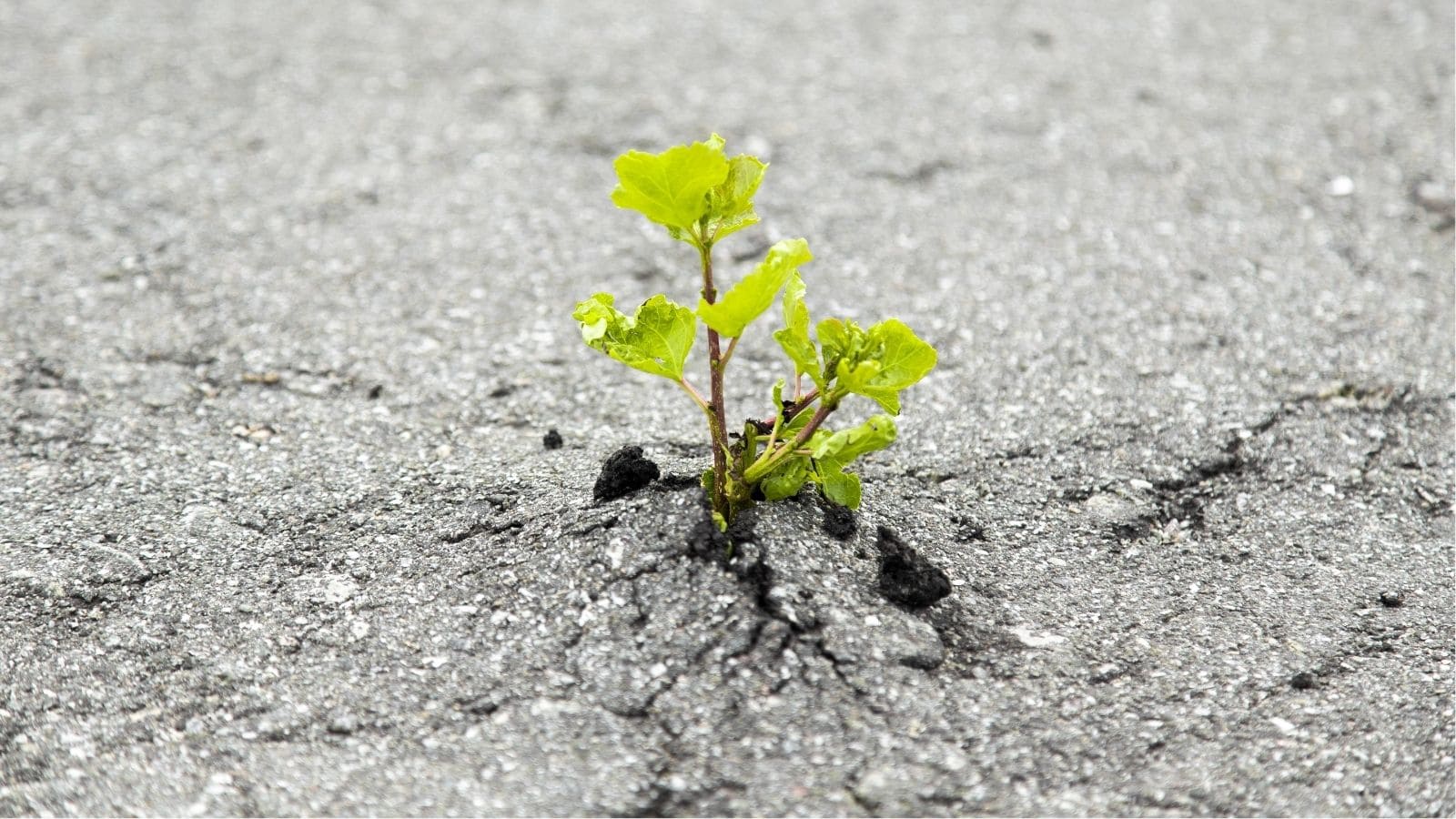
    A small green plant growing through a crack in a gray asphalt surface.
    Photo Credit: karatstas.ukr.net/Deposit Photos

    Repeated freezing and thawing can push plants out of the soil. Gently press roots back into place if exposed. Mulch helps prevent this issue.

    Observe and Take Notes

    A snow-covered backyard with a decorated Christmas tree and greenhouse, both adorned with red bows and wreaths, surrounded by trees and string lights.
    Photo Credit: rossandhelen/Deposit Photos

    Winter is ideal for studying your garden’s strengths and weak spots. Notice drainage patterns, sun exposure, and plant survival. These observations guide better decisions in spring.

    Winter gardening is about care, patience, and preparation rather than growth. With these simple tips, your plants can rest safely and return stronger when warmer days arrive.


    More Trending

    • A woman talking on a cell phone.
      15 overlooked spots in your home that need winter attention
    • Person holding a potted plant and a spray bottle stands in a kitchen with green cabinetry and wooden shelves in the background.
      15 indoor gardening habits that pay off year-round
    • An older woman and a young girl sit on a couch smiling at each other while looking at an open book in the girl's lap.
      15 practical skills grandparents learned early that still matter
    • A woman in an apron holds a potted plant in one hand and makes a peace sign with the other, standing against a pink background.
      15 plants that symbolize renewal, rest, and winter wisdom

    About Kristen Wood

    Kristen is a plant lover, gardener, certified functional nutritional expert, cookbook author, writer, and photographer. Her work has been featured in many online and print publications including Willow & Sage Magazine, Forbes, NBC, New York Daily News, Healthline, MSN, Elle, Yoga Journal, and many more. She is also a syndicated writer for The Associated Press.

    Reader Interactions

    Comments

    No Comments

    Leave a Reply Cancel reply

    Your email address will not be published. Required fields are marked *

    Recipe Rating


    Primary Sidebar

    A close up of a woman's face in the sun, radiating with the gentle glow of schisandra and bergamot home.

    About Kristen Wood

    Kristen is a plant lover, gardener, certified functional nutritional expert, cookbook author, writer, and photographer. Her work has been featured in many online and print publications including Willow & Sage Magazine, Forbes, NBC, New York Daily News, Healthline, MSN, Elle, Yoga Journal, and many more. She is also a syndicated writer for The Associated Press.

    Learn more about me →

    Herb of the Day

    Meet today’s featured herb with gentle kitchen ideas, botanical notes, folklore, and a quiet reflection to take with you.

    Explore Today’s Herb

    Follow us!

    Footer

    ↑ back to top

    About

    • Privacy Policy
    • Google Web Stories
    • Accessibility Statement
    • Disclaimer

    Newsletter

    • Sign up for our newsletter to receive our latest posts!

    Contact

    • Contact

    Copyright © 2026 Schisandra & Bergamot
    Disclaimer: As An Amazon Associate I Earn From Qualifying Purchases.

    Herb of the Day

    Discover today’s featured herb with simple kitchen ideas, botanical notes, folklore, and a reflective message.

    Explore
    17 shares