
• Skip to main content
  • Skip to primary sidebar

Schisandra & Bergamot logo

menu icon
go to homepage
  • Index
  • Subscribe
  • About
  • Contact
  • Daily Plant
    • Facebook
    • Instagram
    • Pinterest
  • subscribe
    search icon
    Homepage link
    • Index
    • Subscribe
    • About
    • Contact
    • Daily Plant
    • Facebook
    • Instagram
    • Pinterest
  • ×
    Home » Trending

    Published: Dec 22, 2025 by Kristen Wood · This post may contain affiliate links. If you make a purchase through links on our site, we may earn a commission. ·

    15 winter plant care mistakes that quietly kill houseplants

    15 shares
    • Facebook
    • Reddit

    Winter can be surprisingly hard on houseplants, even when they’re safely indoors. Shorter days, dry air, and cooler temperatures change how plants grow and rest. Many common care habits that work in summer quietly cause damage in winter.

    These 15 winter plant care mistakes often go unnoticed until plants start declining. Avoiding them helps your houseplants stay healthy until spring returns.

    Overwatering Dormant Plants

    A hand holds a white pitcher to water a potted succulent plant indoors.
    Photo Credit: Kevin Malik/Pexels

    Most houseplants slow their growth in winter. Excess water sits in the soil and leads to root rot. Letting soil dry slightly between watering is safer during cold months.

    Keeping the Same Summer Watering Schedule
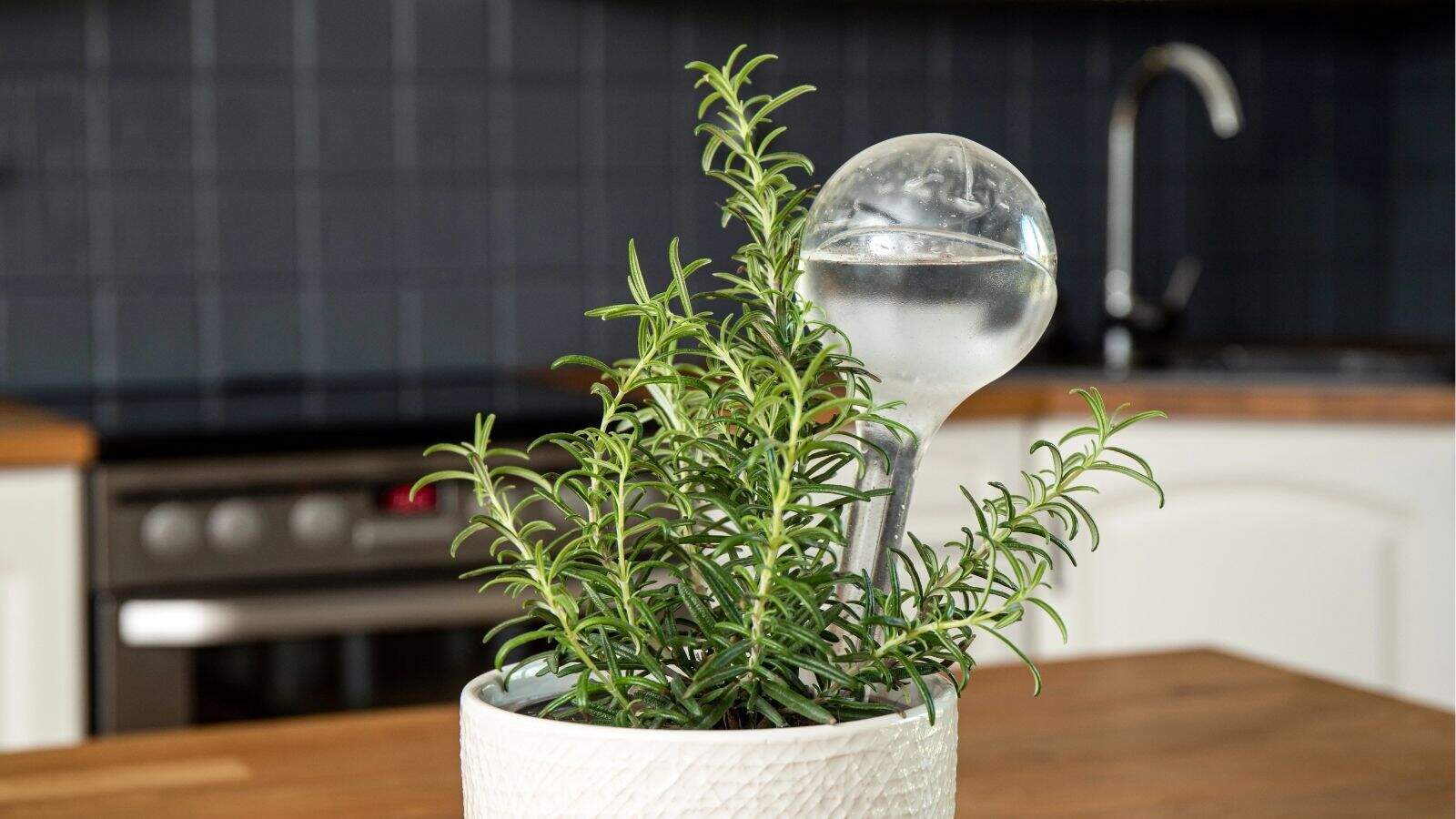
    A potted rosemary plant with a transparent glass self-watering bulb in a white textured pot on a wooden kitchen counter.
    Photo Credit: FotoHelin/Deposit Photos

    Plants need less water when light levels drop. Following a summer routine can overwhelm roots. Adjusting frequency is essential for winter survival.

    HERB OF THE DAY · Explore today’s herb →

    Ignoring Dry Indoor Air

    Three potted plants in orange pots sit on a white ledge, framed by a white wall and outdoor corridor with natural light.
    Photo Credit: YaseminOlgunozBerber/Deposit Photos

    Heating systems strip moisture from the air. Dry air stresses leaves and causes browning edges. Humidity support becomes more important in winter.

    Placing Plants Near Heat Sources

    Green leafy plants are growing in a rectangular indoor planter box positioned next to a white radiator. Sunlight is shining on the plants.
    Photo Credit: sisterspro/Deposit Photos

    Radiators and heaters create uneven temperatures. Constant heat dries soil and foliage quickly. This stress weakens plants over time.

    Letting Plants Sit in Cold Drafts

    A woman sits on the floor in front of a laptop in a bright living room with a beige sofa, potted plant, and large windows.
    Photo Credit: HoltarenkoAnhelinaBO/Deposit Photos

    Cold air from windows and doors shocks plant tissue. Even brief exposure can cause leaf drop. Stable temperatures help prevent damage.

    Overfertilizing During Winter

    Two people wearing gloves hold a potted plant and a handful of pink granular fertilizer in a greenhouse.
    Photo Credit: RossHelen/Envato

    Most plants don’t need fertilizer while resting. Feeding encourages weak, leggy growth. Waiting until spring supports healthier development.

    Forgetting to Adjust Light Exposure

    Indoor hydroponic garden setup with leafy green plants growing under a LED grow light on a white table, surrounded by laboratory equipment.
    Photo Credit: MarishkaTR/Envato

    Winter light is weaker and shorter. Plants may need to move closer to windows. Ignoring light changes slows growth and weakens stems.

    Watering With Cold Tap Water

    A young child waters potted plants with a blue watering can on a balcony with metal railings in daylight.
    Photo Credit: 9lnw/Pixabay

    Cold water can shock sensitive roots. Room-temperature water is gentler on plants. Small details make a big difference in winter.

    Neglecting Dusty Leaves

    A person cleans the leaves of a potted green plant with a pink cloth on a white surface.
    Photo Credit: svitlini/Deposit Photos

    Dust blocks light absorption. This reduces photosynthesis during already low-light months. Gently cleaning leaves helps plants use available light.

    Repotting at the Wrong Time

    A person fills a small terracotta pot with soil using a small trowel, preparing to pot a green plant on a table indoors.
    Photo Credit: Anna Shvets/Pexels

    Winter is not ideal for repotting most plants. Roots recover more slowly during dormancy. Spring is better for major changes.

    Crowding Plants Too Closely Together

    Three labeled pots of herbs—basil, fleur, and thyme—sit on a windowsill above a white tiled kitchen sink, with a tall plant in a black pot nearby.
    Photo Credit: jodiejohnson/Deposit Photos

    Poor airflow encourages pests and disease. Winter conditions make plants more vulnerable. Spacing allows leaves to dry properly.

    Ignoring Early Pest Signs

    Person with short, light hair tending to a planter box with green herbs on a balcony outside a building.
    Photo Credit: astrakanimages/Envato

    Pests often appear indoors during winter. Dry air creates favorable conditions for infestations. Catching issues early prevents serious damage.

    Letting Soil Become Bone Dry
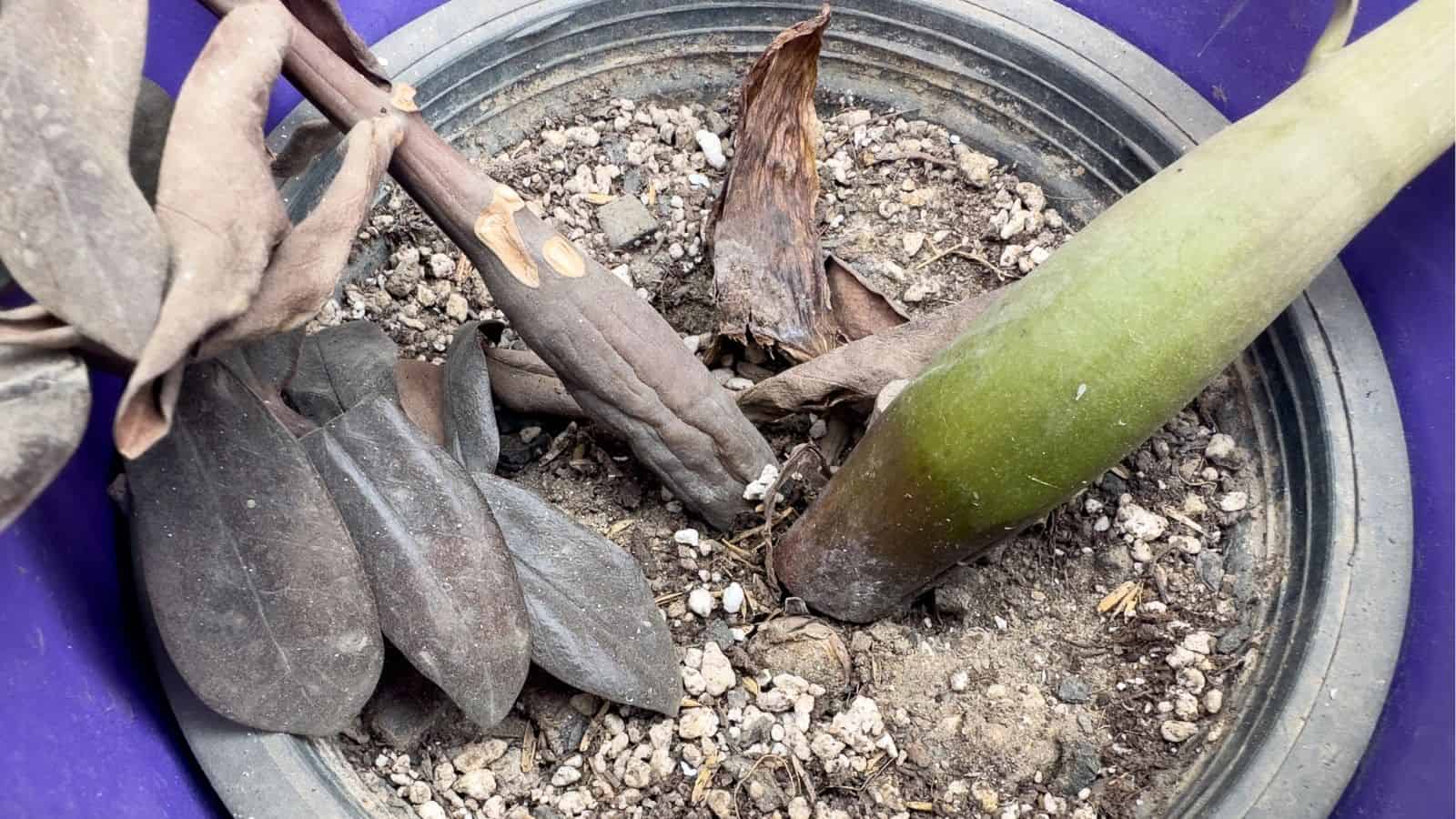
    A close-up of a potted plant with dried, brown leaves and a green stem, showing signs of poor health in dry soil.
    Photo Credit: HazratBilal/Deposit Photos

    While overwatering is risky, extreme dryness is harmful too. Some plants suffer root damage when soil fully dries. Balance is key during winter.

    Expecting Active Growth

    Young green seedlings sprouting in soil, with thin stems and small leaves, against a plain white background.
    Photo Credit: wirestock/Envato

    Winter is a rest period for many houseplants. Slow growth is normal and healthy. Forcing growth causes long-term stress.

    Skipping Regular Plant Checks

    A man wearing green gloves examines a potted plant while sitting on a gray sofa, surrounded by other houseplants and gardening supplies.
    Photo Credit: tonodiaz/Deposit Photos

    Small problems are easier to fix early. Winter damage often starts quietly. Regular observation keeps plants healthy through the season.

    Winter plant care is about adjustment rather than effort. Avoiding these quiet mistakes helps your houseplants rest safely until brighter days return.

    More Trending

    • A woman talking on a cell phone.
      15 overlooked spots in your home that need winter attention
    • Person holding a potted plant and a spray bottle stands in a kitchen with green cabinetry and wooden shelves in the background.
      15 indoor gardening habits that pay off year-round
    • An older woman and a young girl sit on a couch smiling at each other while looking at an open book in the girl's lap.
      15 practical skills grandparents learned early that still matter
    • A woman in an apron holds a potted plant in one hand and makes a peace sign with the other, standing against a pink background.
      15 plants that symbolize renewal, rest, and winter wisdom

    About Kristen Wood

    Kristen is a plant lover, gardener, certified functional nutritional expert, cookbook author, writer, and photographer. Her work has been featured in many online and print publications including Willow & Sage Magazine, Forbes, NBC, New York Daily News, Healthline, MSN, Elle, Yoga Journal, and many more. She is also a syndicated writer for The Associated Press.

    Reader Interactions

    Comments

    No Comments

    Leave a Reply Cancel reply

    Your email address will not be published. Required fields are marked *

    Recipe Rating


    Primary Sidebar

    A close up of a woman's face in the sun, radiating with the gentle glow of schisandra and bergamot home.

    About Kristen Wood

    Kristen is a plant lover, gardener, certified functional nutritional expert, cookbook author, writer, and photographer. Her work has been featured in many online and print publications including Willow & Sage Magazine, Forbes, NBC, New York Daily News, Healthline, MSN, Elle, Yoga Journal, and many more. She is also a syndicated writer for The Associated Press.

    Learn more about me →

    Herb of the Day

    Meet today’s featured herb with gentle kitchen ideas, botanical notes, folklore, and a quiet reflection to take with you.

    Explore Today’s Herb

    Follow us!

    Footer

    ↑ back to top

    About

    • Privacy Policy
    • Google Web Stories
    • Accessibility Statement
    • Disclaimer

    Newsletter

    • Sign up for our newsletter to receive our latest posts!

    Contact

    • Contact

    Copyright © 2026 Schisandra & Bergamot
    Disclaimer: As An Amazon Associate I Earn From Qualifying Purchases.

    Herb of the Day

    Discover today’s featured herb with simple kitchen ideas, botanical notes, folklore, and a reflective message.

    Explore
    15 shares