

Winter can be surprisingly hard on houseplants, even when they’re safely indoors. Shorter days, dry air, and cooler temperatures change how plants grow and rest. Many common care habits that work in summer quietly cause damage in winter.
These 15 winter plant care mistakes often go unnoticed until plants start declining. Avoiding them helps your houseplants stay healthy until spring returns.
Overwatering Dormant Plants

Jump to a Section
Most houseplants slow their growth in winter. Excess water sits in the soil and leads to root rot. Letting soil dry slightly between watering is safer during cold months.
Keeping the Same Summer Watering Schedule
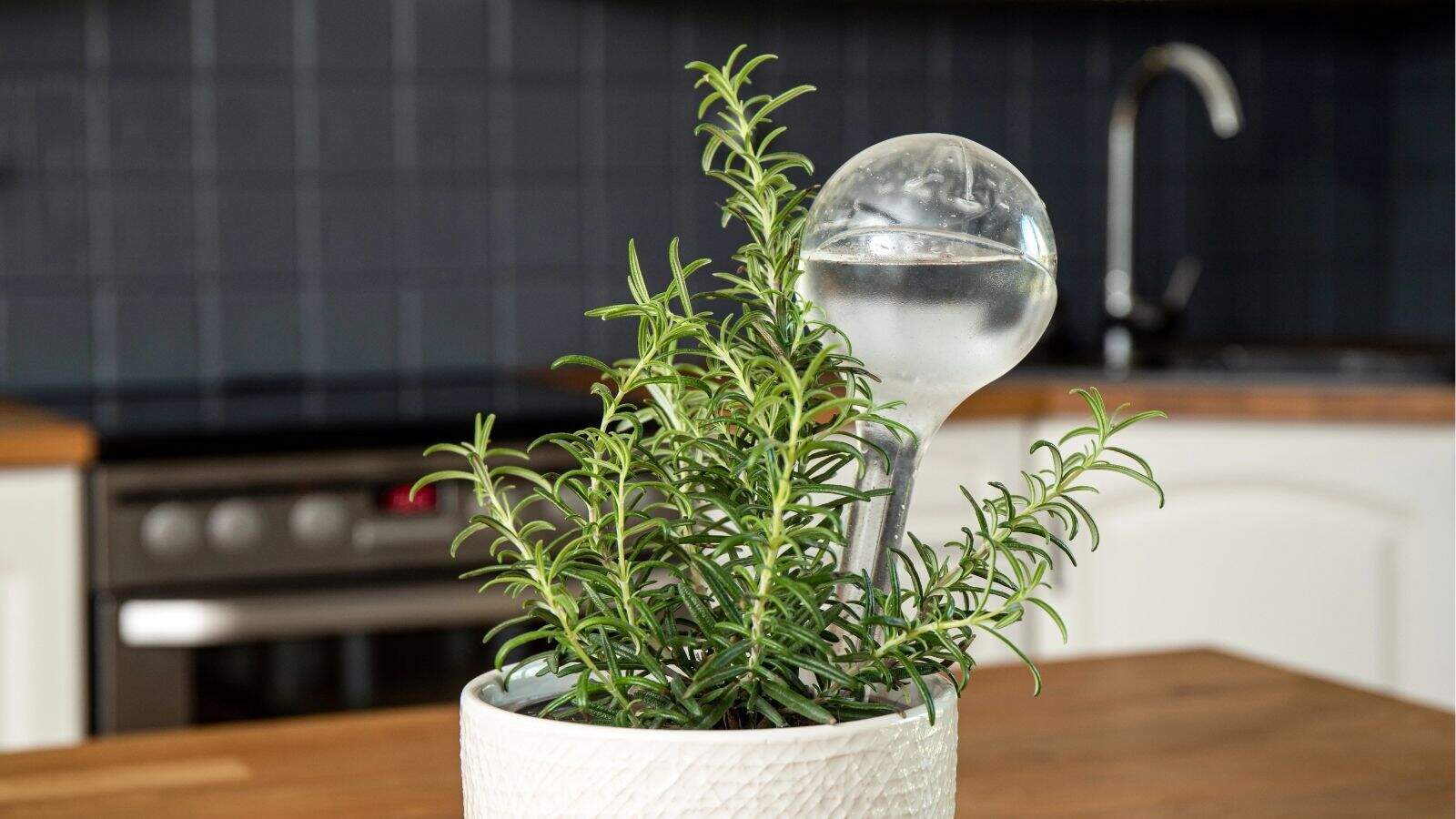
Plants need less water when light levels drop. Following a summer routine can overwhelm roots. Adjusting frequency is essential for winter survival.
Ignoring Dry Indoor Air

Heating systems strip moisture from the air. Dry air stresses leaves and causes browning edges. Humidity support becomes more important in winter.
Placing Plants Near Heat Sources

Radiators and heaters create uneven temperatures. Constant heat dries soil and foliage quickly. This stress weakens plants over time.
Letting Plants Sit in Cold Drafts

Cold air from windows and doors shocks plant tissue. Even brief exposure can cause leaf drop. Stable temperatures help prevent damage.
Overfertilizing During Winter

Most plants don’t need fertilizer while resting. Feeding encourages weak, leggy growth. Waiting until spring supports healthier development.
Forgetting to Adjust Light Exposure

Winter light is weaker and shorter. Plants may need to move closer to windows. Ignoring light changes slows growth and weakens stems.
Watering With Cold Tap Water

Cold water can shock sensitive roots. Room-temperature water is gentler on plants. Small details make a big difference in winter.
Neglecting Dusty Leaves

Dust blocks light absorption. This reduces photosynthesis during already low-light months. Gently cleaning leaves helps plants use available light.
Repotting at the Wrong Time

Winter is not ideal for repotting most plants. Roots recover more slowly during dormancy. Spring is better for major changes.
Crowding Plants Too Closely Together

Poor airflow encourages pests and disease. Winter conditions make plants more vulnerable. Spacing allows leaves to dry properly.
Ignoring Early Pest Signs

Pests often appear indoors during winter. Dry air creates favorable conditions for infestations. Catching issues early prevents serious damage.
Letting Soil Become Bone Dry
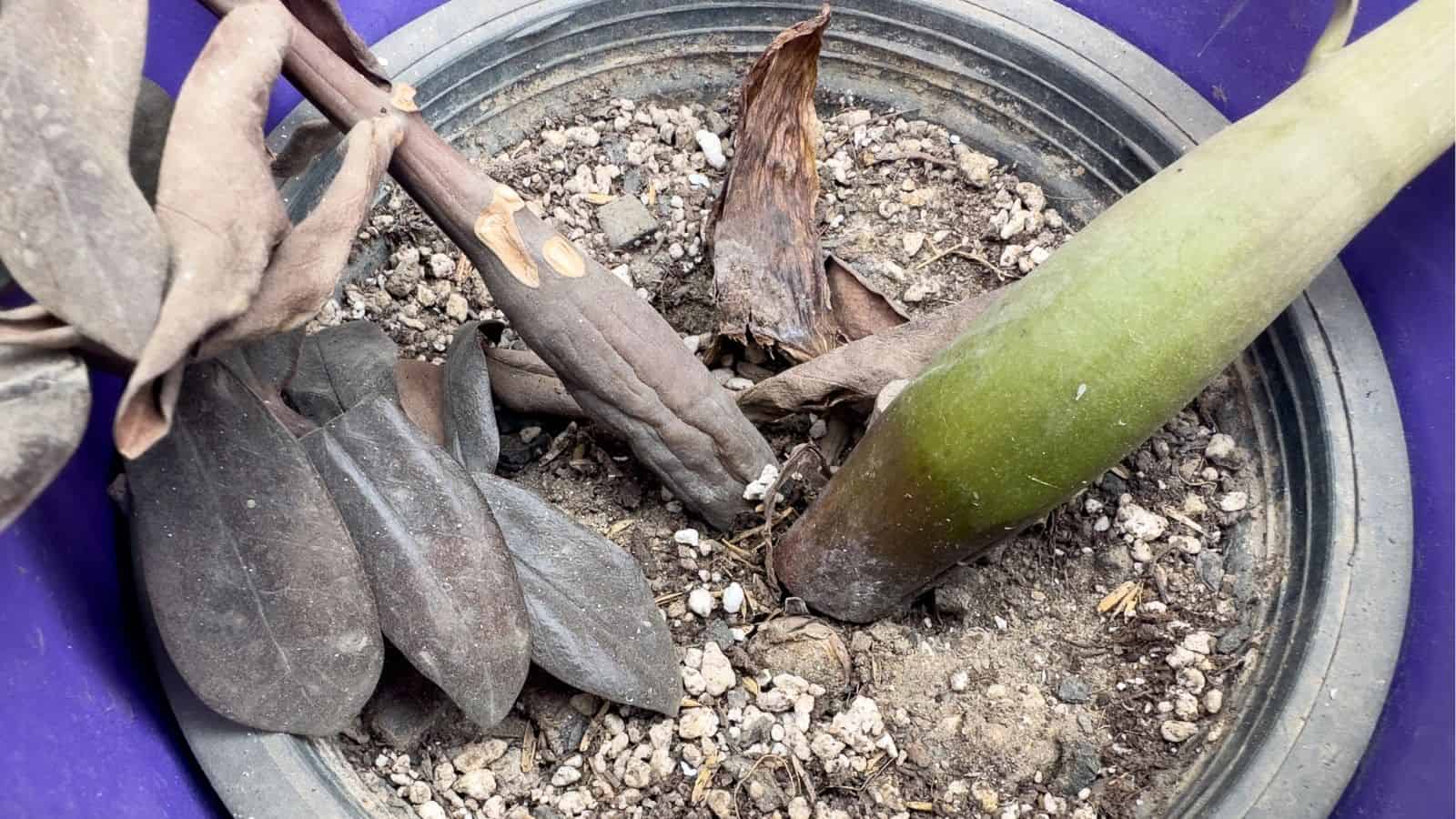
While overwatering is risky, extreme dryness is harmful too. Some plants suffer root damage when soil fully dries. Balance is key during winter.
Expecting Active Growth

Winter is a rest period for many houseplants. Slow growth is normal and healthy. Forcing growth causes long-term stress.
Skipping Regular Plant Checks

Small problems are easier to fix early. Winter damage often starts quietly. Regular observation keeps plants healthy through the season.
Winter plant care is about adjustment rather than effort. Avoiding these quiet mistakes helps your houseplants rest safely until brighter days return.




Comments
No Comments