
• Skip to main content
  • Skip to primary sidebar

Schisandra & Bergamot logo

menu icon
go to homepage
  • Index
  • Subscribe
  • About
  • Contact
  • Daily Plant
    • Facebook
    • Instagram
    • Pinterest
  • subscribe
    search icon
    Homepage link
    • Index
    • Subscribe
    • About
    • Contact
    • Daily Plant
    • Facebook
    • Instagram
    • Pinterest
  • ×
    Home » Trending

    Published: Dec 22, 2025 by Kristen Wood · This post may contain affiliate links. If you make a purchase through links on our site, we may earn a commission. ·

    15 foods you should (and shouldn’t) offer birds in cold weather

    16 shares
    • Facebook
    • Reddit

    Cold weather makes food harder for birds to find, and backyard feeders can play an important role in their survival. However, not all foods are helpful, and some can quietly do more harm than good. Knowing what to offer matters just as much as offering food at all.

    These 15 foods explain what birds benefit from in winter and what they’re better off avoiding. A little knowledge helps keep your yard safe and supportive through the cold months.

    Black Oil Sunflower Seeds — Should Offer
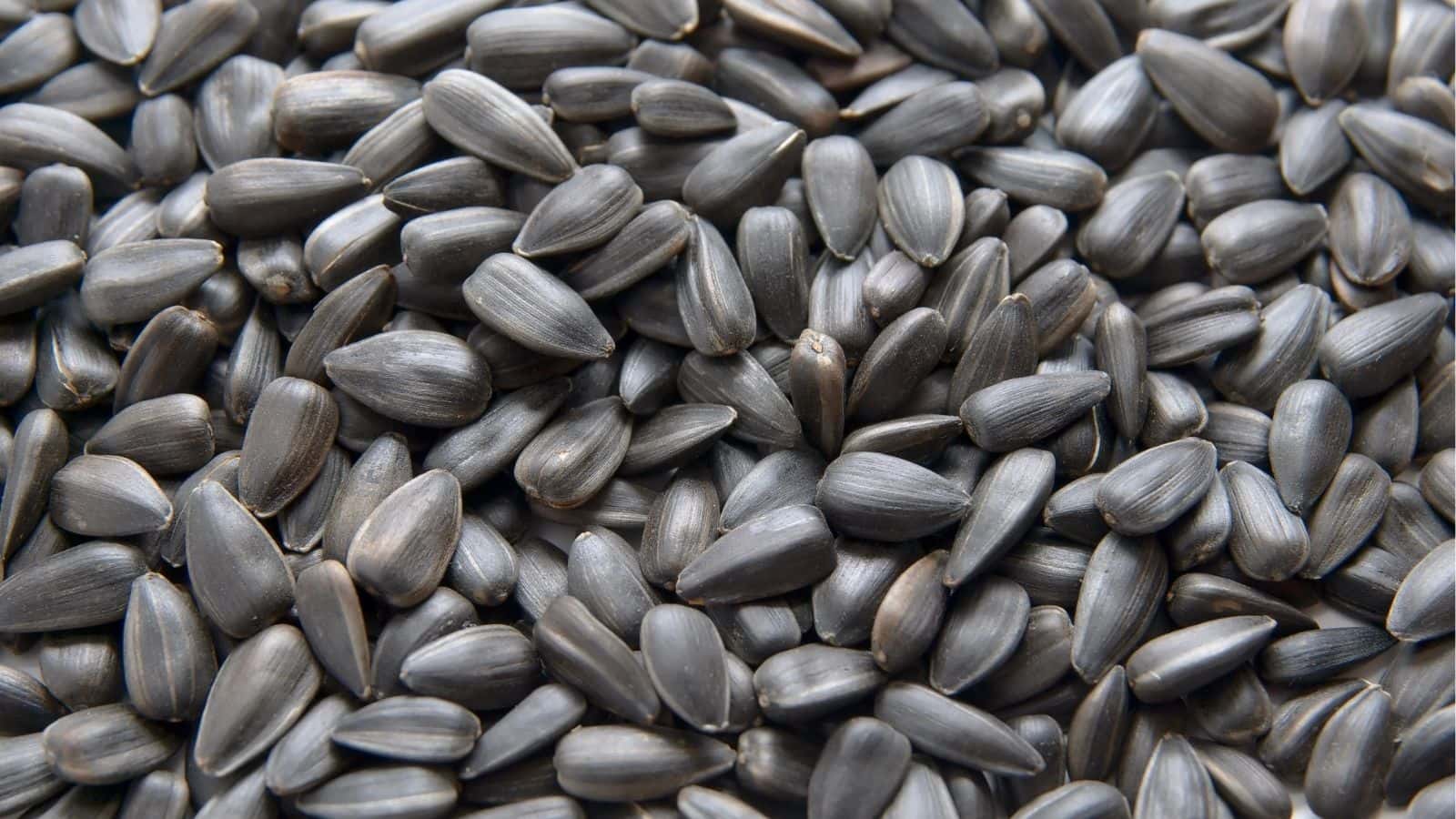
    A close-up view of a pile of unshelled sunflower seeds with dark, striped shells.
    Photo Credit: olinchuk/Deposit Photos

    These seeds are high in fat and easy for birds to crack. They attract a wide variety of species. Black oil sunflower seeds are one of the best winter staples.

    White Bread — Shouldn’t Offer

    Four slices of white bread on a wooden rack, partially covered by a blue and yellow cloth, placed on a dark wooden surface.
    Photo Credit: Sasajo/Deposit Photos

    Bread fills birds up without providing nutrition. It can lead to malnutrition over time. Moldy bread is especially dangerous in cold, damp weather.

    HERB OF THE DAY · Explore today’s herb →

    Unsalted Peanuts — Should Offer

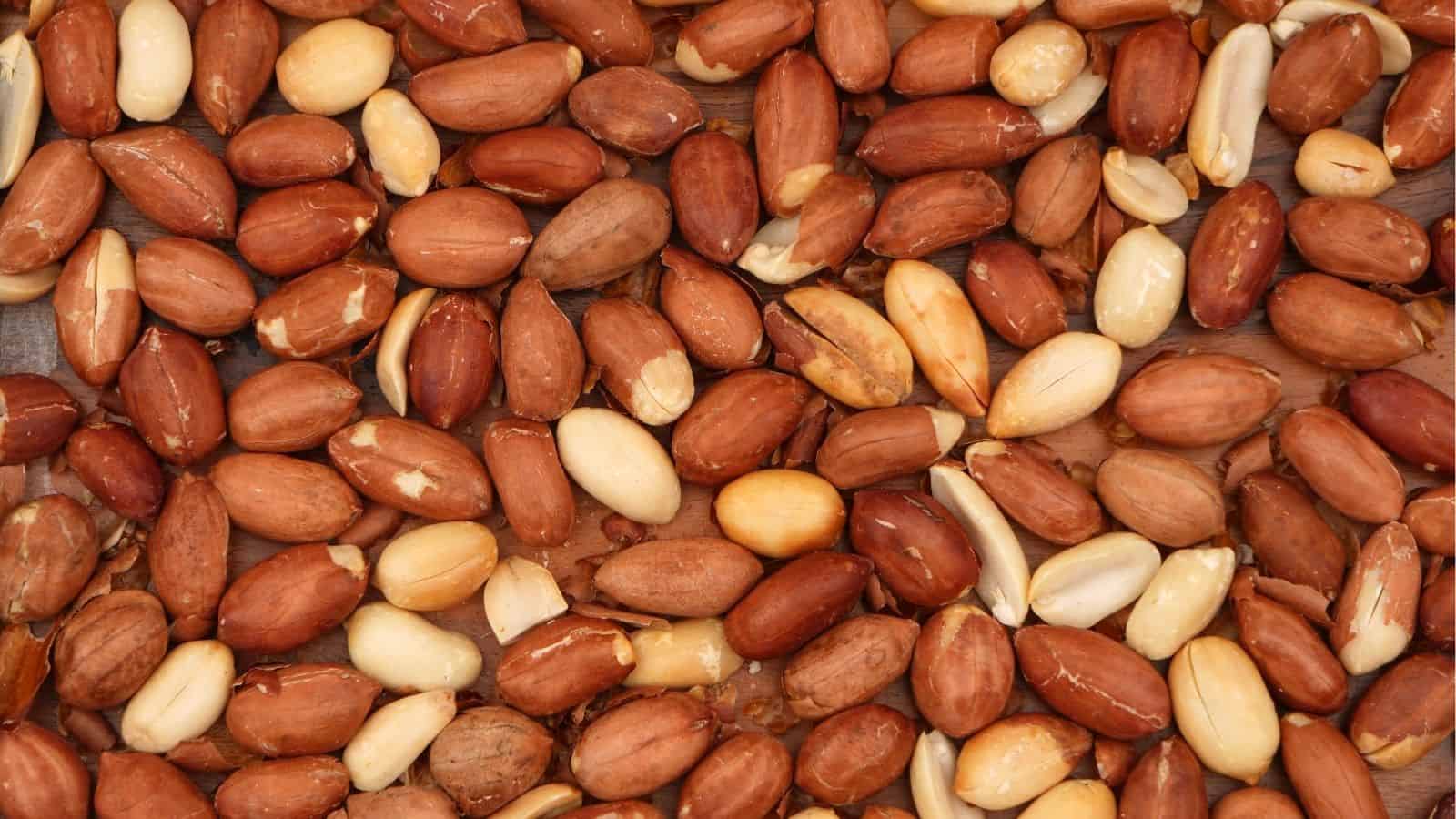
    A close-up view of shelled, raw peanuts, some with skins partially removed, spread out in a scattered arrangement.
    Photo Credit: Saphiens/Deposit Photos

    Peanuts provide protein and healthy fats. They’re especially helpful for larger birds like woodpeckers. Always choose raw, unsalted peanuts.

    Salted or Flavored Nuts — Shouldn’t Offer
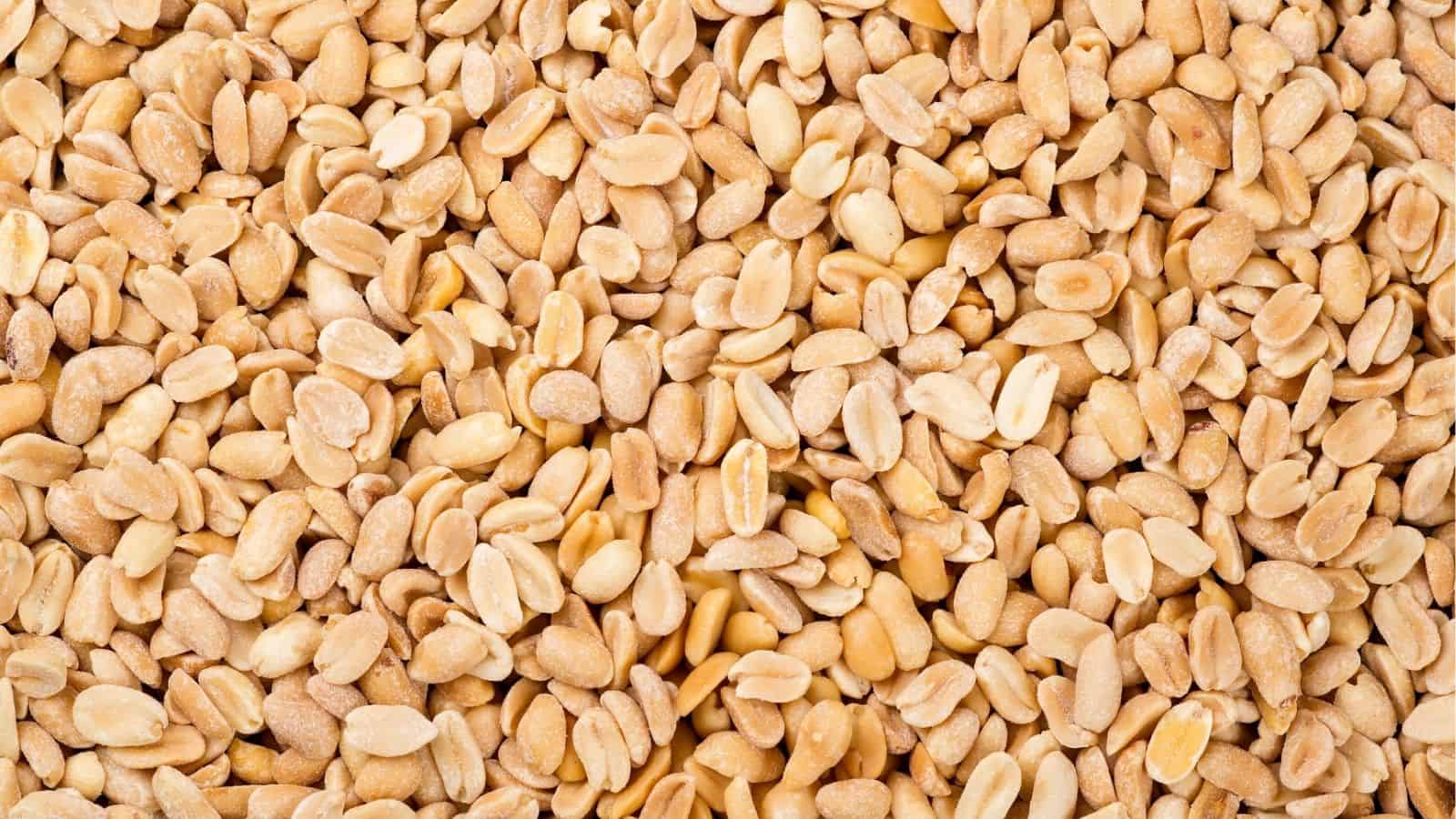
    A close-up view of a large amount of shelled, roasted peanuts.
    Photo Credit: Volurol/Deposit Photos

    Salt and seasonings can harm birds’ kidneys. Flavored coatings are unsafe for wildlife. Only plain nuts are appropriate for feeders.

    Suet — Should Offer
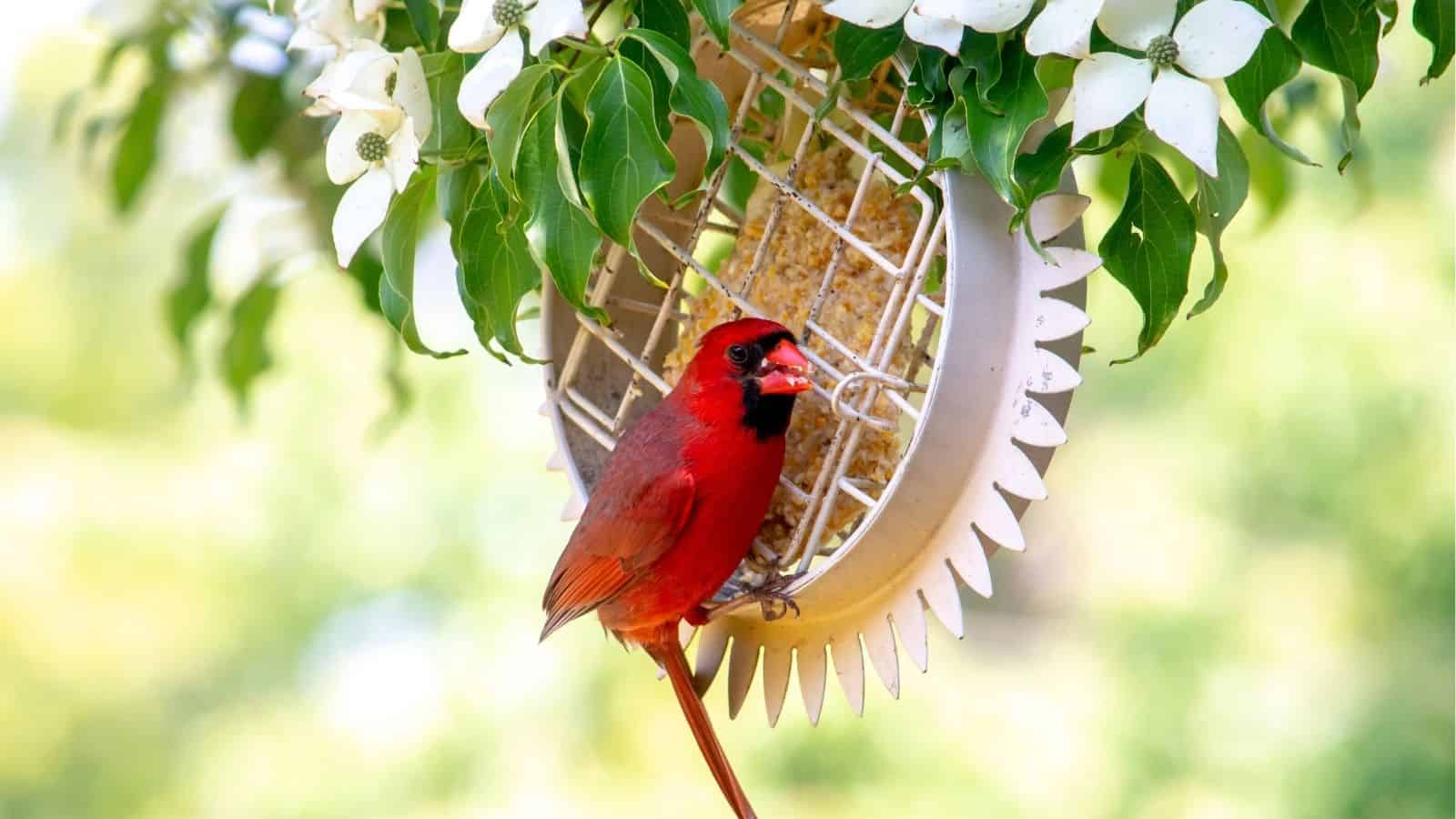
    A red cardinal perches on a bird feeder surrounded by white flowers and green leaves.
    Photo Credit: inyrdreams/Deposit Photos

    Suet is a high-energy food birds rely on in winter. It helps them maintain body heat. Many species actively seek it during cold weather.

    Raw Rice — Shouldn’t Offer

    A close-up view of uncooked white rice grains in a dark bowl.
    Photo Credit: moritz320/Pixabay

    Raw rice is difficult for birds to digest. It offers little nutritional value. There are far better grain options available.

    Cracked Corn — Should Offer in Moderation

    A close-up of a white sack filled with dried corn kernels, surrounded by other sacks containing grains or pulses.
    Photo Credit: Kuzeytac/Deposit Photos

    Cracked corn provides energy during winter. It attracts ground-feeding birds. Offer it sparingly and keep it dry.

    Sugary Snacks — Shouldn’t Offer
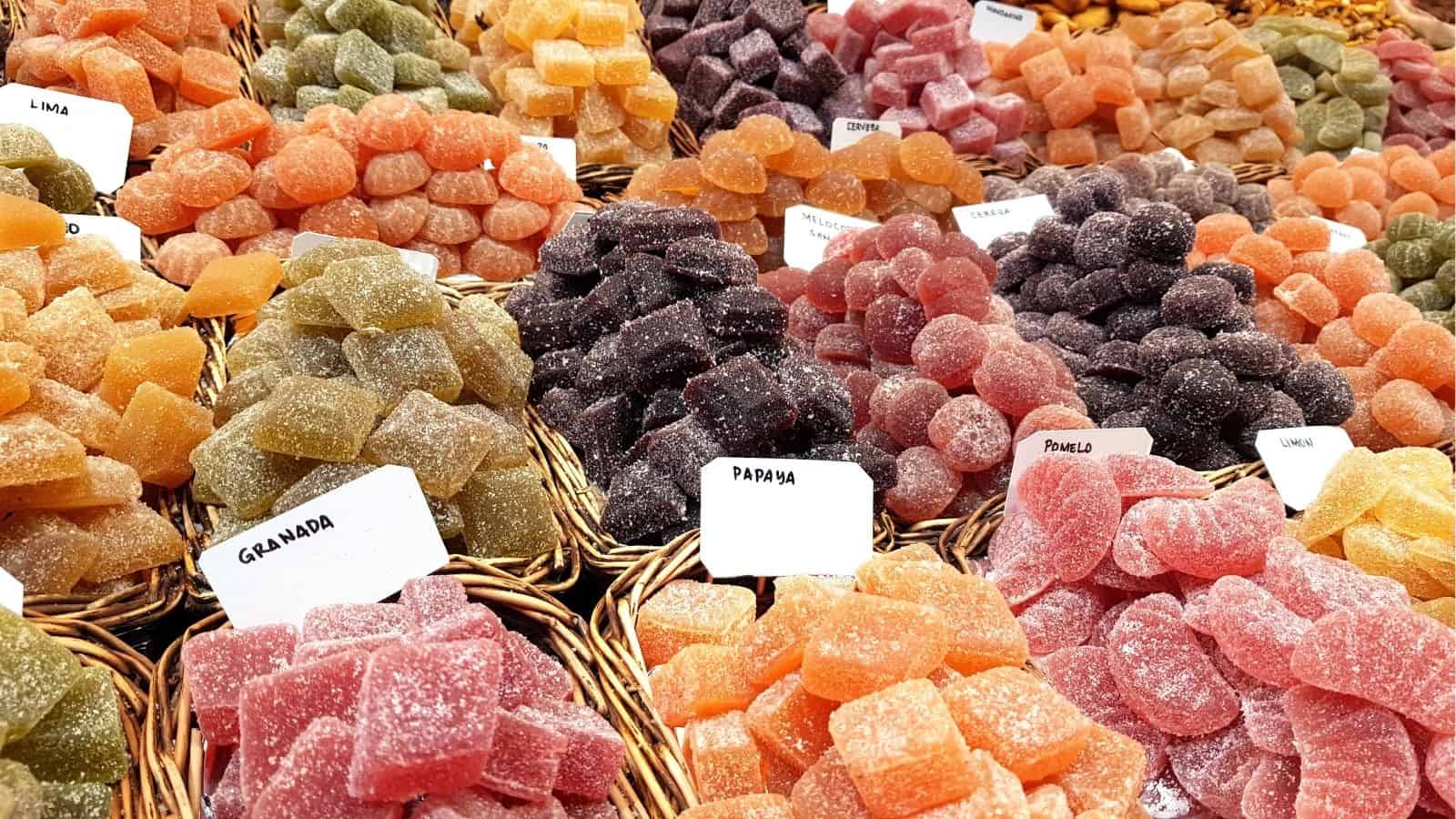
    Assorted baskets of colorful fruit jelly candies with labels, arranged in rows at a market or store.
    Photo Credit: gianliguori/Deposit Photos

    Cookies, cake, and sweet treats lack proper nutrients. Sugar can disrupt birds’ metabolism. These foods should stay out of feeders.

    Oats — Should Offer
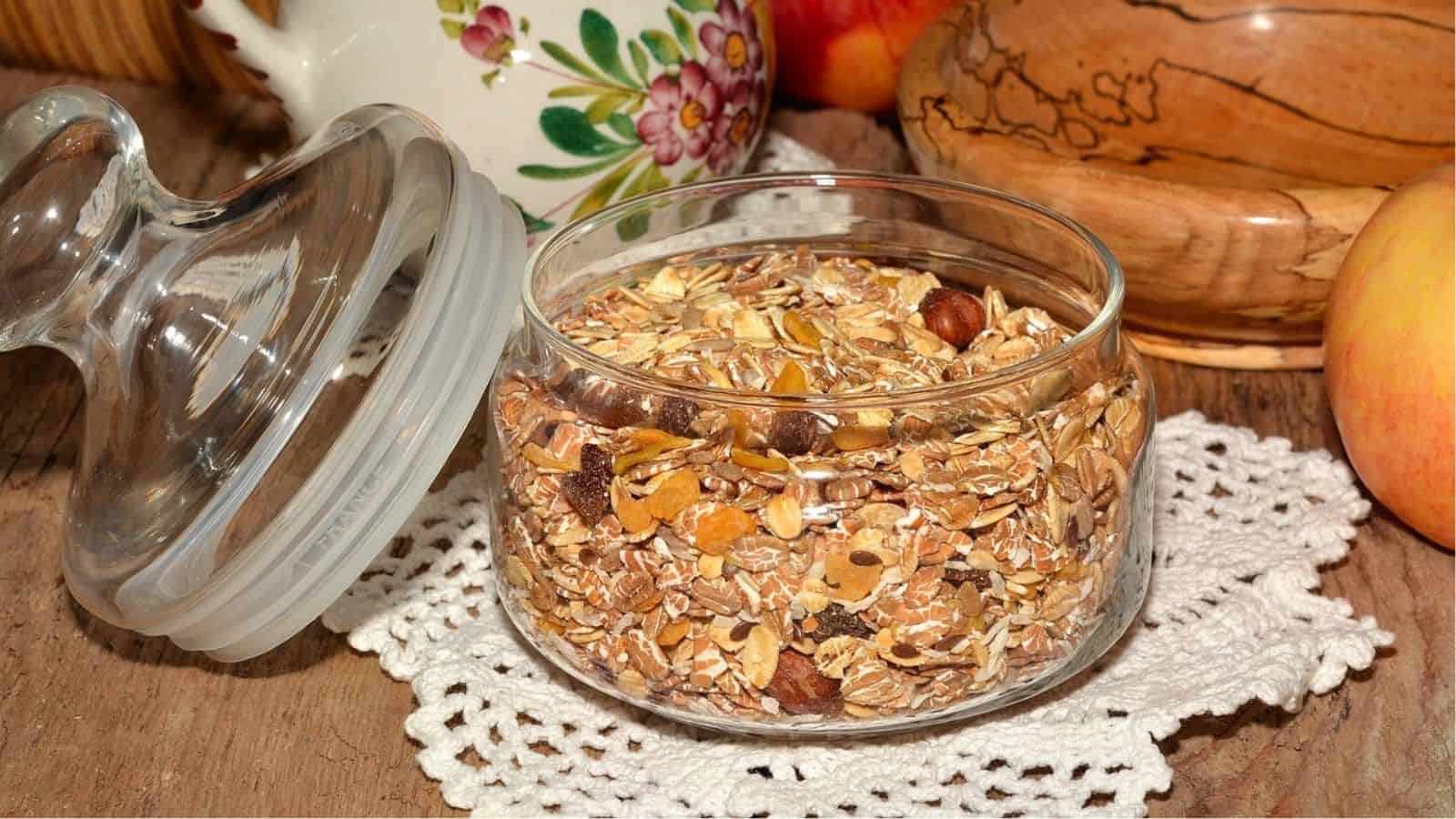
    A glass jar filled with muesli sits on a crocheted doily on a wooden table, with a teapot, apple, and bowl in the background.
    Photo Credit: Pezibear/Pixabay

    Plain rolled oats are easy for birds to eat. They provide steady energy. Avoid instant or flavored varieties.

    Spoiled or Moldy Food — Shouldn’t Offer
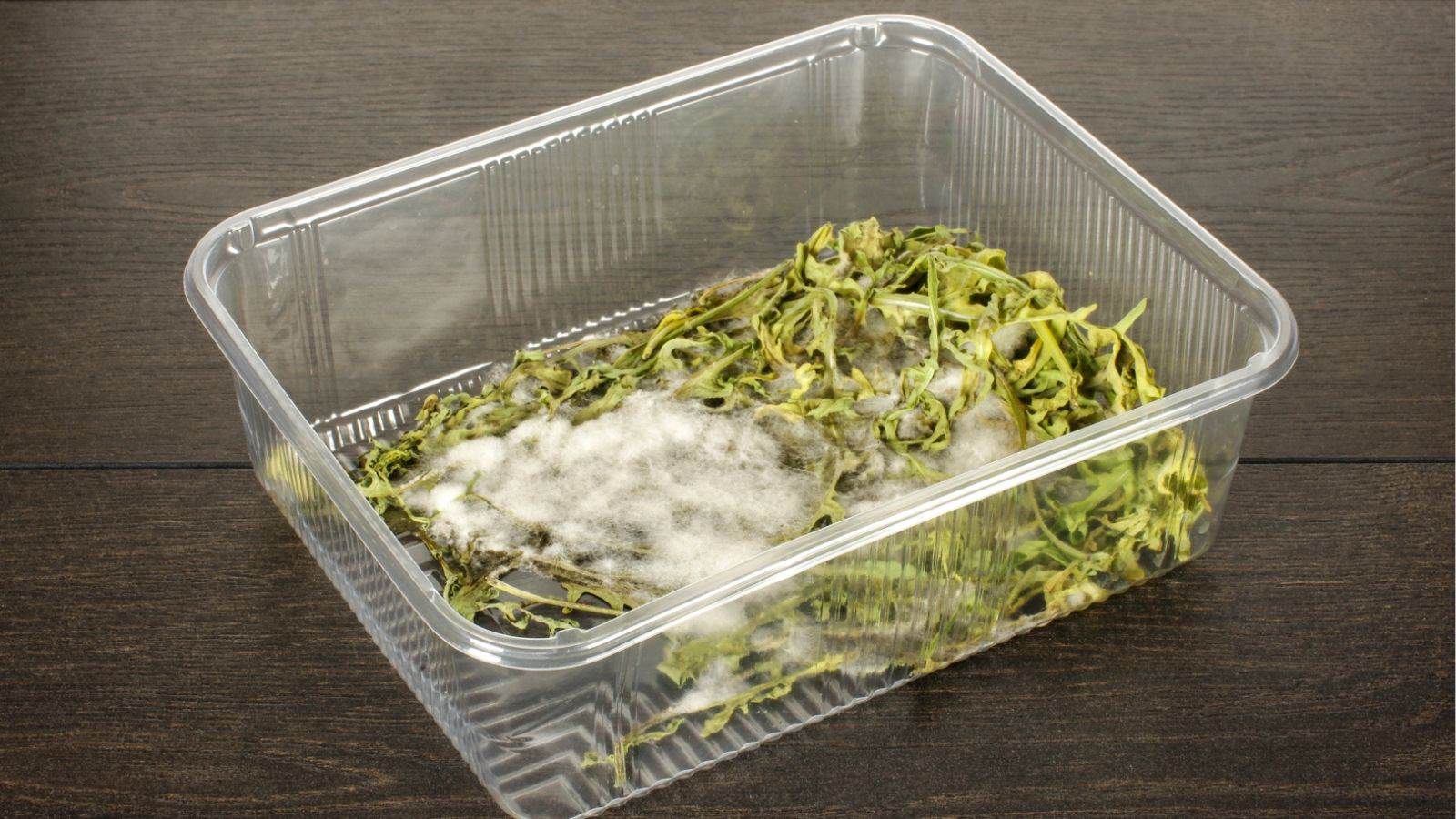
    Clear plastic container with wilted green leaves, some covered in white mold, placed on a dark wooden surface.
    Photo Credit: amphoto/Deposit Photos

    Mold can be fatal to birds. Cold, wet conditions increase mold growth. Always discard damp or spoiled feed.

    Fresh Fruit — Should Offer

    A black oval dish containing an apple, pear, plum, yellow plum, strawberries, red grapes, and black grapes on a white surface.
    Photo Credit: Fotoadicta/Deposit Photos

    Apples, berries, and grapes attract fruit-eating birds. Cut fruit into small pieces. Remove uneaten fruit before it freezes or spoils.

    Milk or Dairy Products — Shouldn’t Offer

    A glass and a pitcher filled with milk are placed on green grass, with a cow standing in the blurred background.
    Photo Credit: happyalex/Deposit Photos

    Birds can’t digest lactose properly. Dairy offers no benefit in winter. It can cause digestive distress.

    Mealworms — Should Offer
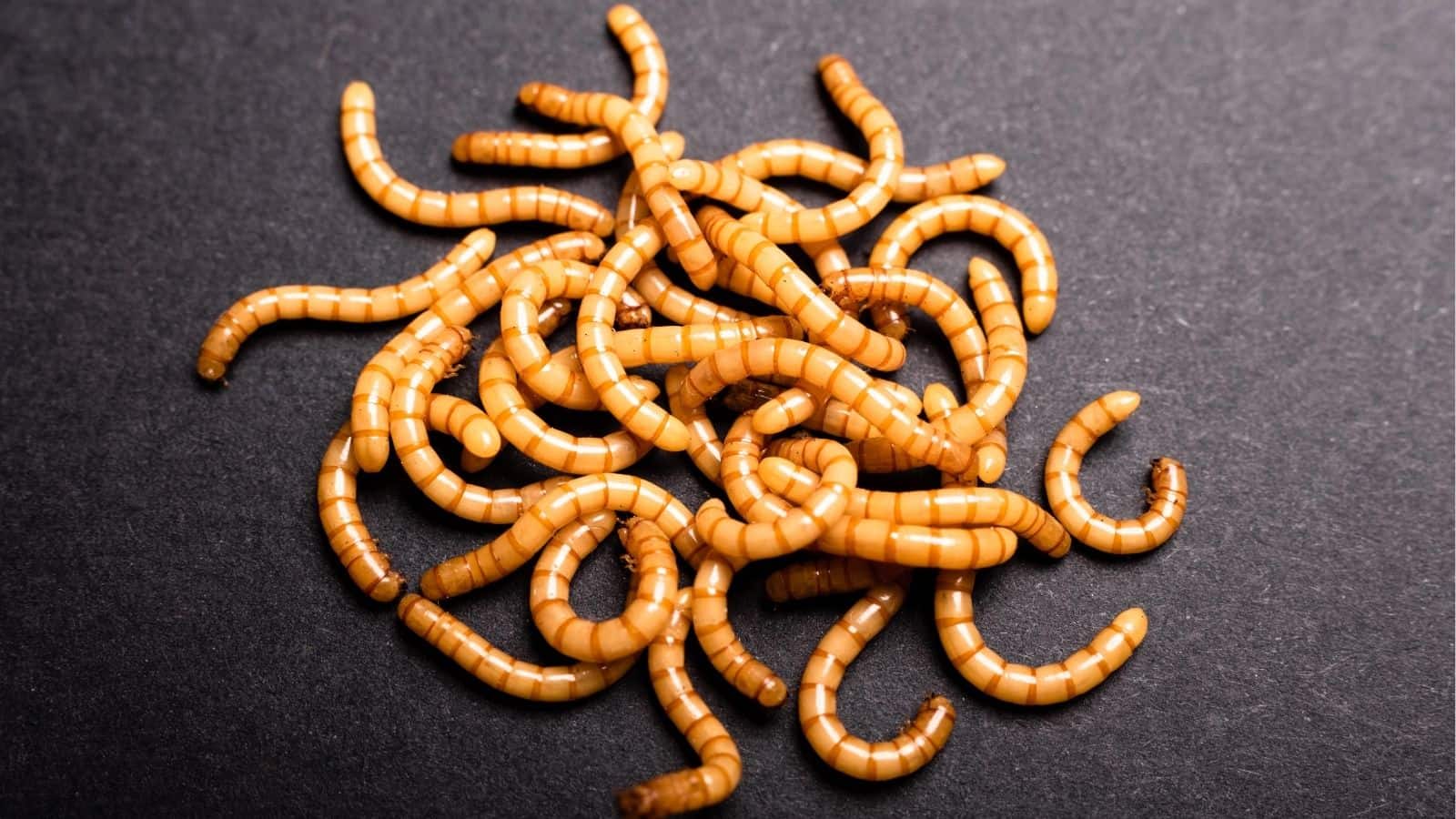
    A group of yellow mealworms is scattered on a dark surface.
    Photo Credit: joaquincorbalan/Deposit Photos

    Mealworms are rich in protein and fat. They’re especially helpful for insect-eating birds. Dried or live options both work.

    Seasoned Leftovers — Shouldn’t Offer

    Three plastic food containers are stacked vertically, each containing different foods with visible condensation inside. The top container is purple, the middle is blue, and the bottom is clear.
    Photo Credit: nito103/Deposit Photos

    Cooked foods with spices, salt, or oil are unsafe. Leftovers often contain hidden ingredients birds can’t process. Stick to natural foods instead.

    Clean Water — Should Offer

    Photo Credit: davidpereiras/Envato

    Water is just as important as food in winter. Birds need it for drinking and feather care. Keep water shallow and ice-free when possible.

    Feeding birds in winter is most helpful when done thoughtfully. Choosing the right foods supports healthy birds and a safer backyard ecosystem.


    More Trending

    • A woman talking on a cell phone.
      15 overlooked spots in your home that need winter attention
    • Person holding a potted plant and a spray bottle stands in a kitchen with green cabinetry and wooden shelves in the background.
      15 indoor gardening habits that pay off year-round
    • An older woman and a young girl sit on a couch smiling at each other while looking at an open book in the girl's lap.
      15 practical skills grandparents learned early that still matter
    • A woman in an apron holds a potted plant in one hand and makes a peace sign with the other, standing against a pink background.
      15 plants that symbolize renewal, rest, and winter wisdom

    About Kristen Wood

    Kristen is a plant lover, gardener, certified functional nutritional expert, cookbook author, writer, and photographer. Her work has been featured in many online and print publications including Willow & Sage Magazine, Forbes, NBC, New York Daily News, Healthline, MSN, Elle, Yoga Journal, and many more. She is also a syndicated writer for The Associated Press.

    Reader Interactions

    Comments

    No Comments

    Leave a Reply Cancel reply

    Your email address will not be published. Required fields are marked *

    Recipe Rating


    Primary Sidebar

    A close up of a woman's face in the sun, radiating with the gentle glow of schisandra and bergamot home.

    About Kristen Wood

    Kristen is a plant lover, gardener, certified functional nutritional expert, cookbook author, writer, and photographer. Her work has been featured in many online and print publications including Willow & Sage Magazine, Forbes, NBC, New York Daily News, Healthline, MSN, Elle, Yoga Journal, and many more. She is also a syndicated writer for The Associated Press.

    Learn more about me →

    Herb of the Day

    Meet today’s featured herb with gentle kitchen ideas, botanical notes, folklore, and a quiet reflection to take with you.

    Explore Today’s Herb

    Follow us!

    Footer

    ↑ back to top

    About

    • Privacy Policy
    • Google Web Stories
    • Accessibility Statement
    • Disclaimer

    Newsletter

    • Sign up for our newsletter to receive our latest posts!

    Contact

    • Contact

    Copyright © 2026 Schisandra & Bergamot
    Disclaimer: As An Amazon Associate I Earn From Qualifying Purchases.

    Herb of the Day

    Discover today’s featured herb with simple kitchen ideas, botanical notes, folklore, and a reflective message.

    Explore
    16 shares