

Cold weather makes food harder for birds to find, and backyard feeders can play an important role in their survival. However, not all foods are helpful, and some can quietly do more harm than good. Knowing what to offer matters just as much as offering food at all.
These 15 foods explain what birds benefit from in winter and what they’re better off avoiding. A little knowledge helps keep your yard safe and supportive through the cold months.
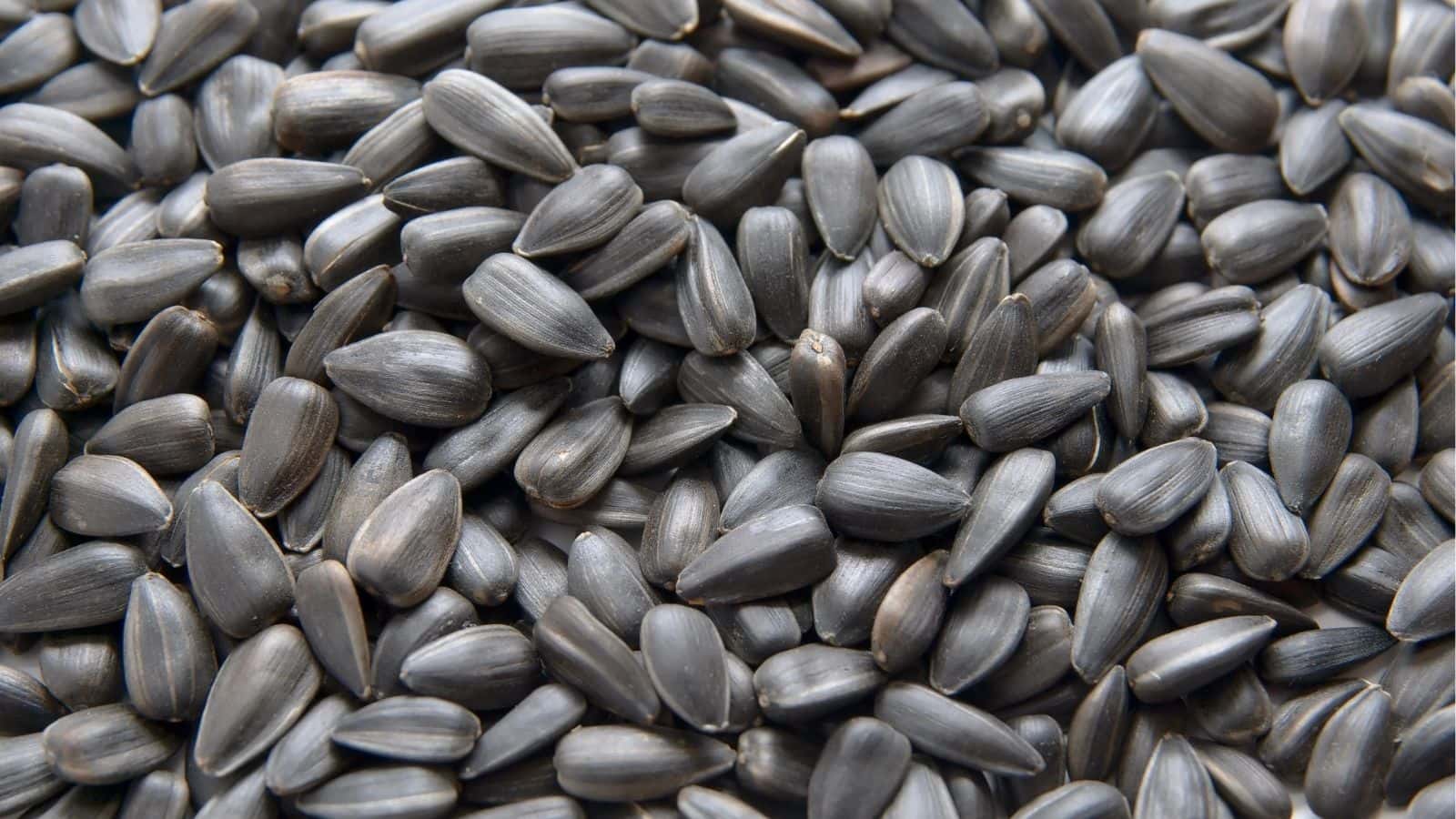
Black Oil Sunflower Seeds — Should Offer
Jump to a Section
These seeds are high in fat and easy for birds to crack. They attract a wide variety of species. Black oil sunflower seeds are one of the best winter staples.
White Bread — Shouldn’t Offer

Bread fills birds up without providing nutrition. It can lead to malnutrition over time. Moldy bread is especially dangerous in cold, damp weather.
Unsalted Peanuts — Should Offer
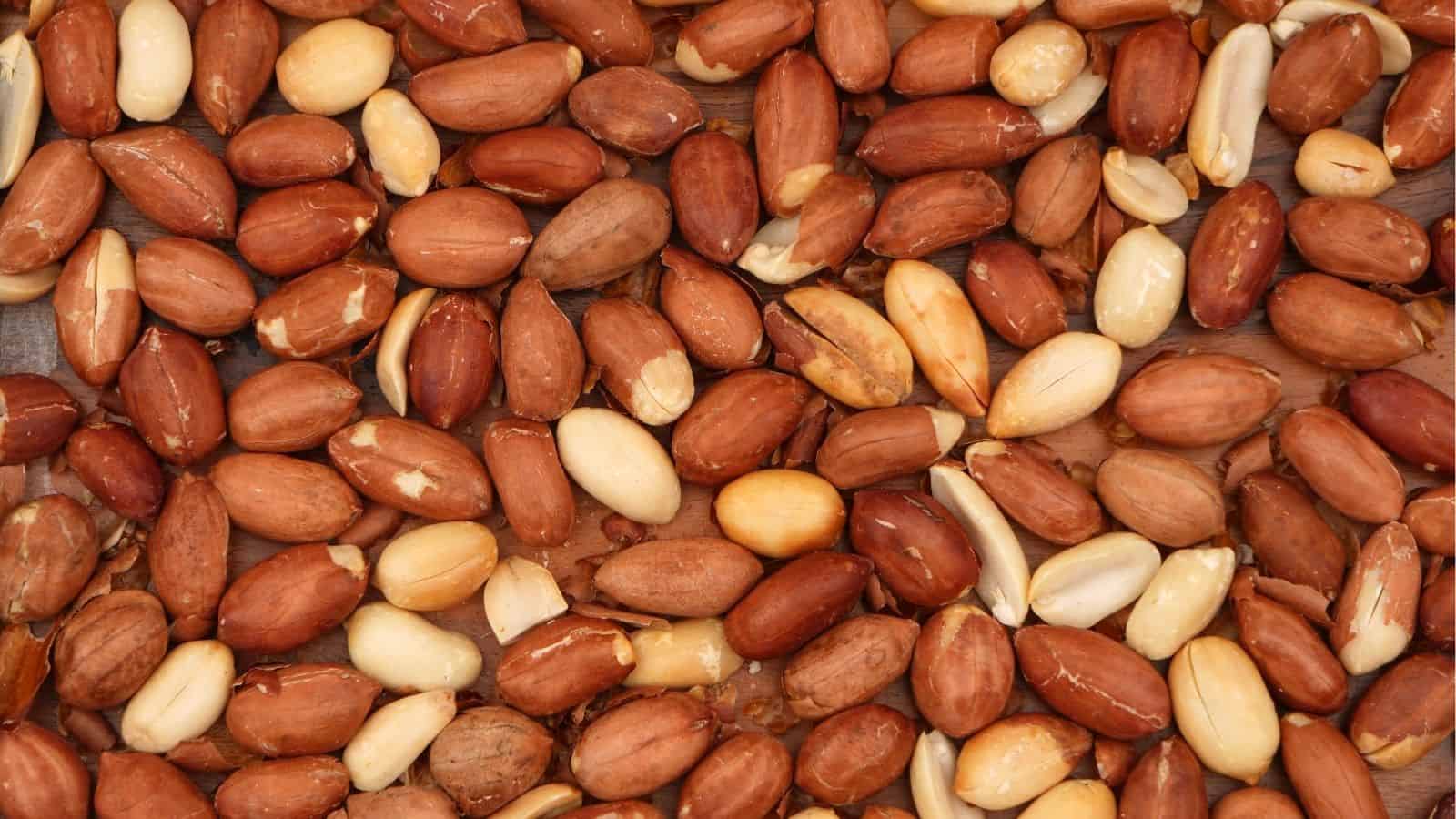
Peanuts provide protein and healthy fats. They’re especially helpful for larger birds like woodpeckers. Always choose raw, unsalted peanuts.
Salted or Flavored Nuts — Shouldn’t Offer
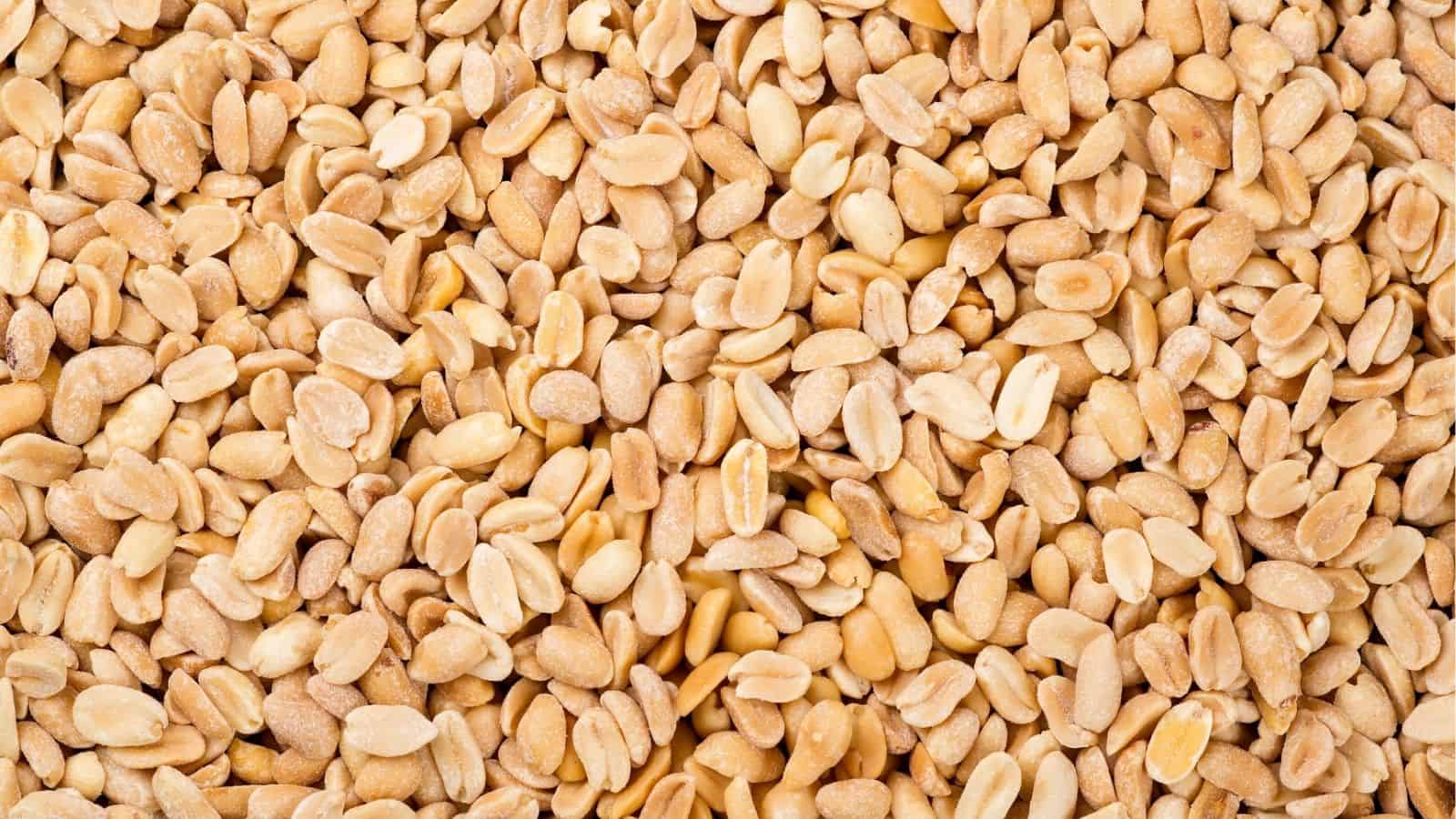
Salt and seasonings can harm birds’ kidneys. Flavored coatings are unsafe for wildlife. Only plain nuts are appropriate for feeders.
Suet — Should Offer
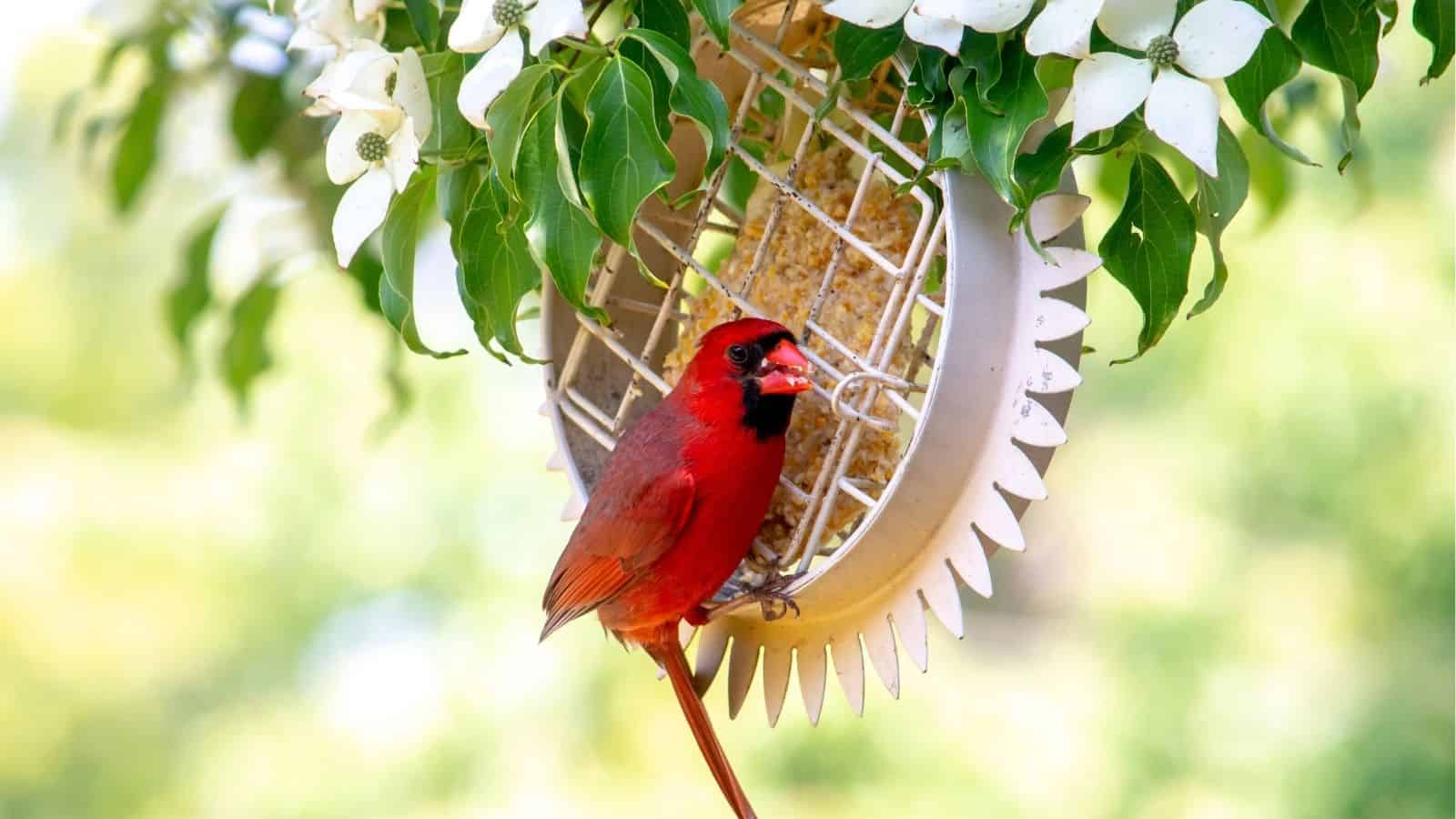
Suet is a high-energy food birds rely on in winter. It helps them maintain body heat. Many species actively seek it during cold weather.
Raw Rice — Shouldn’t Offer

Raw rice is difficult for birds to digest. It offers little nutritional value. There are far better grain options available.
Cracked Corn — Should Offer in Moderation

Cracked corn provides energy during winter. It attracts ground-feeding birds. Offer it sparingly and keep it dry.
Sugary Snacks — Shouldn’t Offer
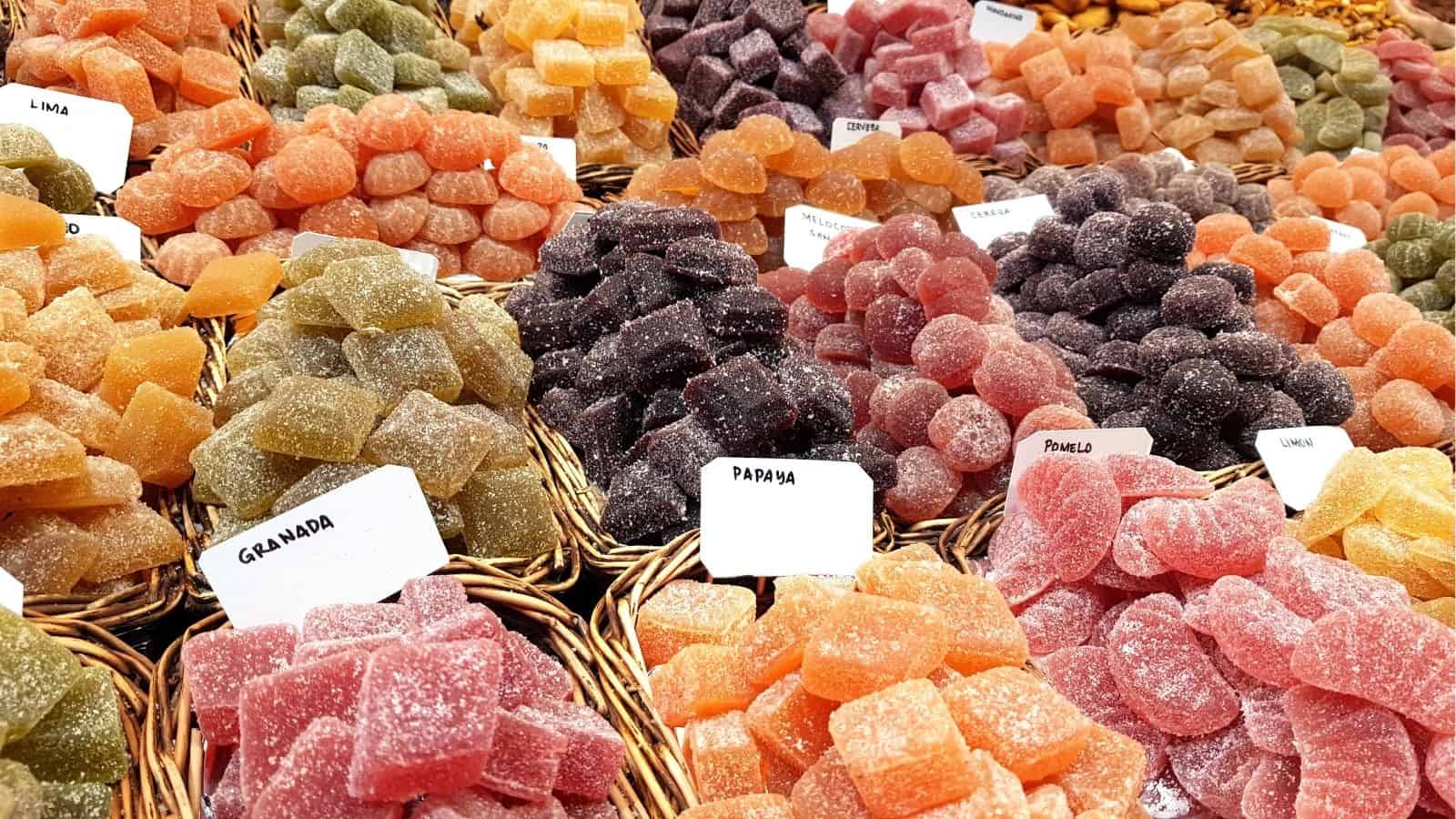
Cookies, cake, and sweet treats lack proper nutrients. Sugar can disrupt birds’ metabolism. These foods should stay out of feeders.
Oats — Should Offer
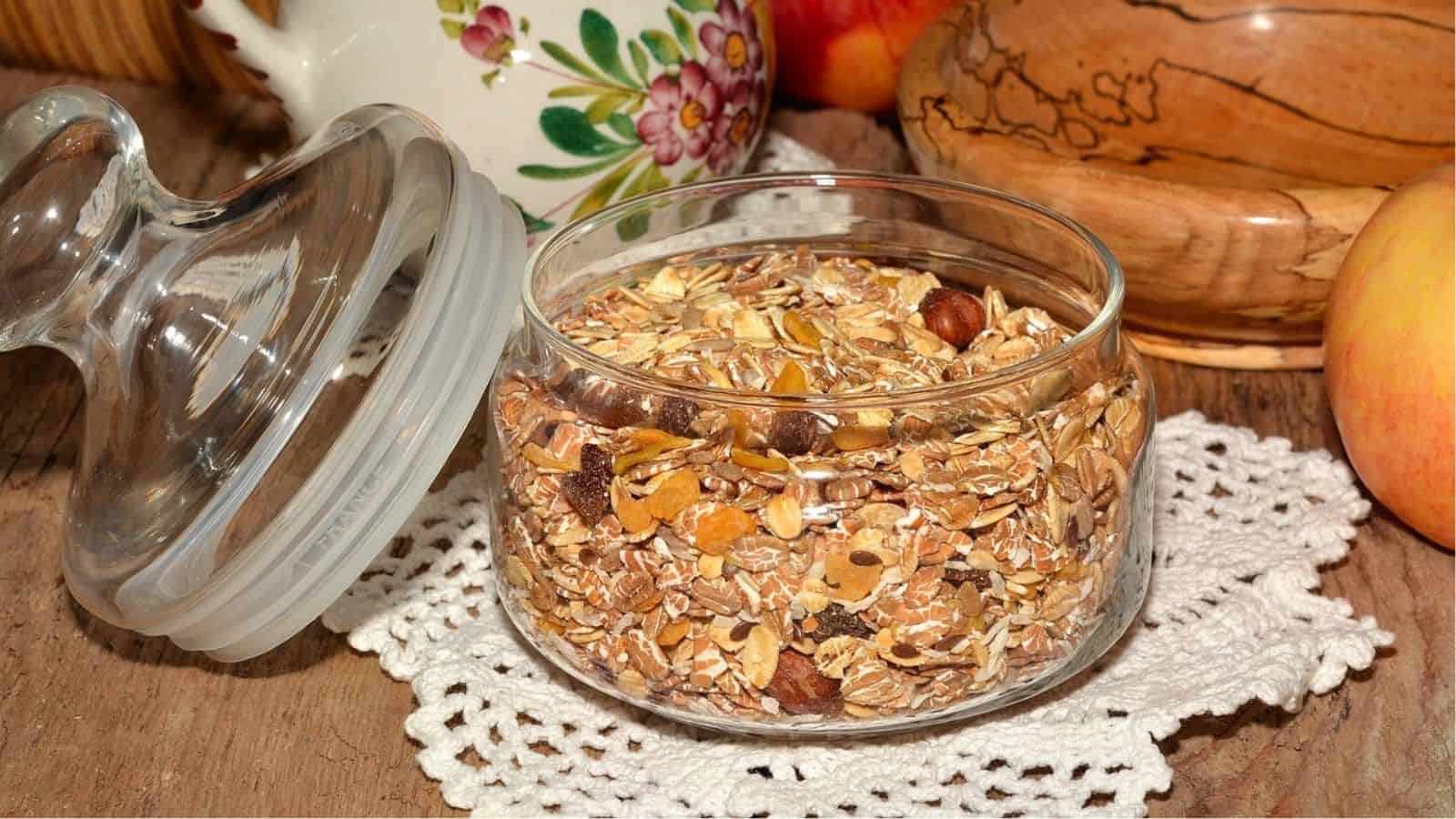
Plain rolled oats are easy for birds to eat. They provide steady energy. Avoid instant or flavored varieties.
Spoiled or Moldy Food — Shouldn’t Offer
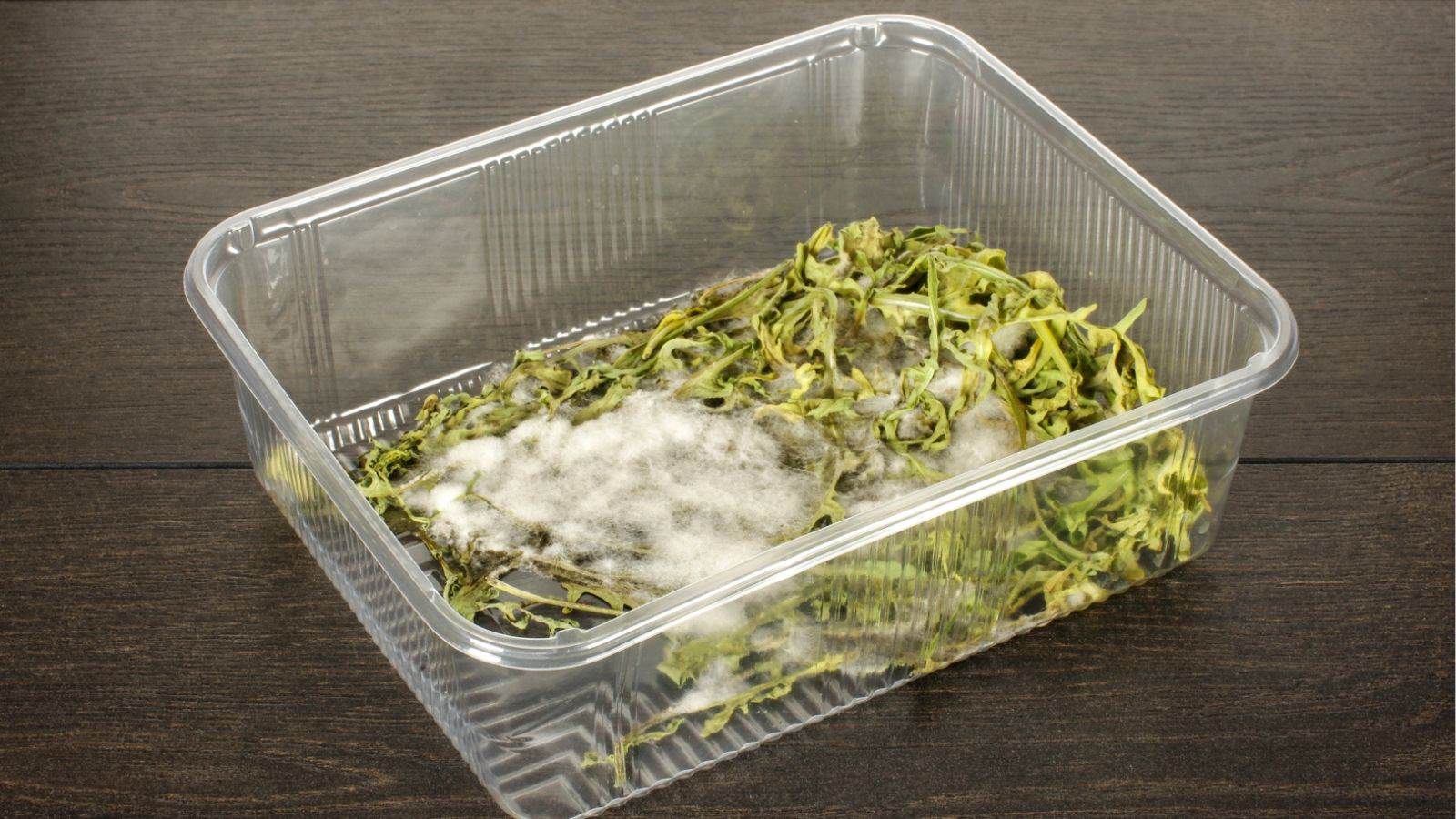
Mold can be fatal to birds. Cold, wet conditions increase mold growth. Always discard damp or spoiled feed.
Fresh Fruit — Should Offer

Apples, berries, and grapes attract fruit-eating birds. Cut fruit into small pieces. Remove uneaten fruit before it freezes or spoils.
Milk or Dairy Products — Shouldn’t Offer

Birds can’t digest lactose properly. Dairy offers no benefit in winter. It can cause digestive distress.
Mealworms — Should Offer
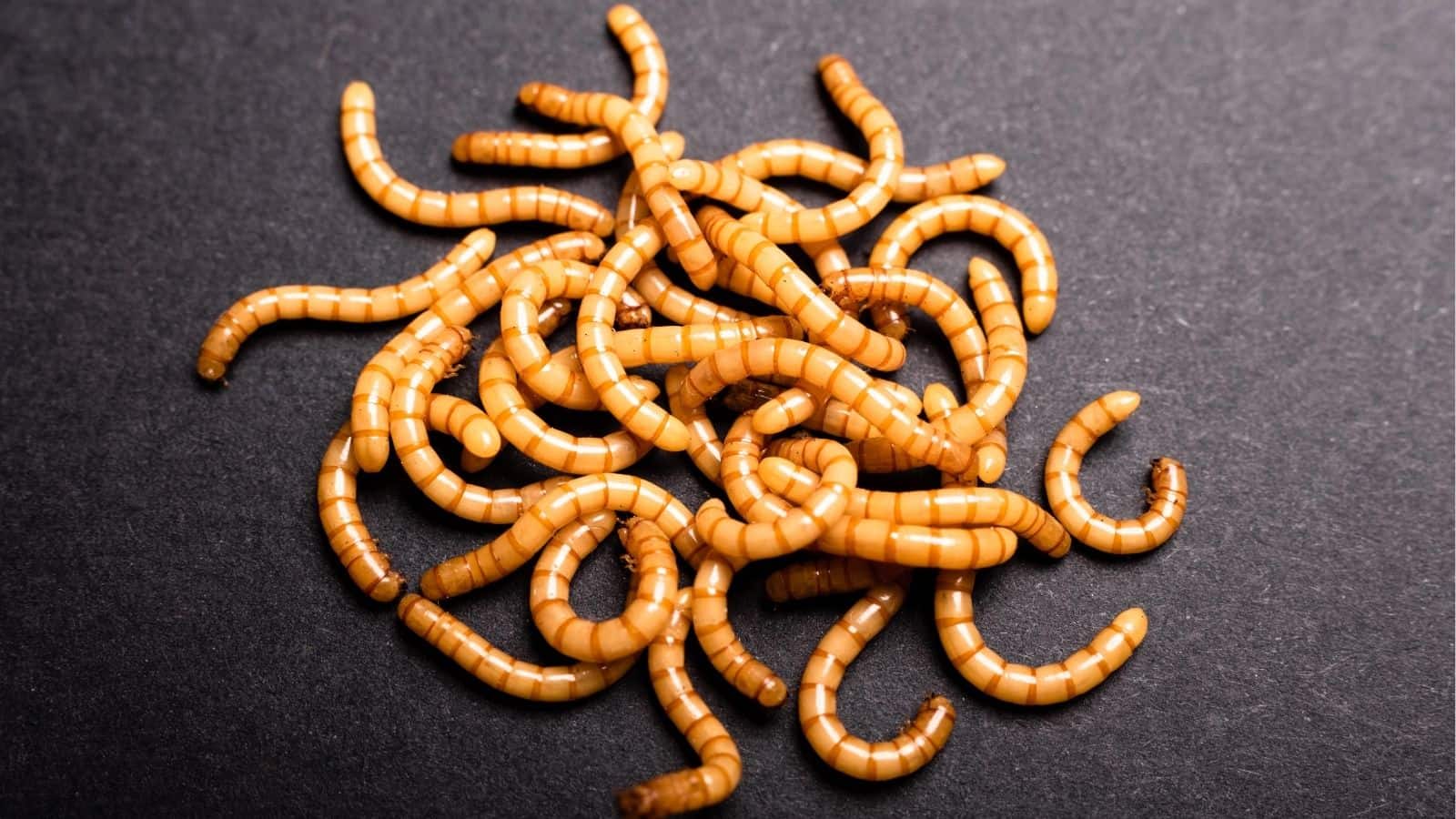
Mealworms are rich in protein and fat. They’re especially helpful for insect-eating birds. Dried or live options both work.
Seasoned Leftovers — Shouldn’t Offer

Cooked foods with spices, salt, or oil are unsafe. Leftovers often contain hidden ingredients birds can’t process. Stick to natural foods instead.
Clean Water — Should Offer

Water is just as important as food in winter. Birds need it for drinking and feather care. Keep water shallow and ice-free when possible.
Feeding birds in winter is most helpful when done thoughtfully. Choosing the right foods supports healthy birds and a safer backyard ecosystem.





Comments
No Comments