
• Skip to main content
  • Skip to primary sidebar

Schisandra & Bergamot logo

menu icon
go to homepage
  • Index
  • Subscribe
  • About
  • Contact
  • Daily Plant
    • Facebook
    • Instagram
    • Pinterest
  • subscribe
    search icon
    Homepage link
    • Index
    • Subscribe
    • About
    • Contact
    • Daily Plant
    • Facebook
    • Instagram
    • Pinterest
  • ×
    Home » Trending

    Published: Sep 29, 2025 by Kristen Wood · This post may contain affiliate links. If you make a purchase through links on our site, we may earn a commission. ·

    11 Autumn Superstitions and the Plants Behind Them

    14 shares
    • Facebook
    • Reddit

    Autumn has long been a season of mystery, tradition, and folklore. As the days grow shorter and leaves change, people across cultures have looked to plants for signs, luck, and protection. Many autumn superstitions are rooted in the natural world, blending beauty with belief.

    From acorns carried for good fortune to herbs burned for cleansing, these plant-based traditions reveal how deeply people once relied on nature’s rhythms. Here are 11 autumn superstitions and the plants behind them.

    Acorns for Good Luck

    A close-up of several acorns scattered on and around a burlap sack with green leaves in the background.
    Photo Credit: Couleur/Pixabay

    Acorns were believed to bring luck, prosperity, and protection. Carrying one in your pocket was said to ward off illness and misfortune. In autumn, when oaks drop their seeds, acorns became natural talismans of hope.

    Rowan Berries for Protection

    A cluster of bright orange berries hangs from a branch with green, serrated leaves, set against a blurred green and yellow background.
    Photo Credit: steho/Deposit Photos

    The rowan tree was considered sacred, especially in Celtic tradition. Its bright red berries were thought to guard against evil spirits during the darker months. People often carried them or tied sprigs above doorways in fall.

    HERB OF THE DAY · Explore today’s herb →

    Pumpkins to Ward Off Spirits

    Several orange and red pumpkins are arranged on the ground, surrounded by autumn leaves and other gourds.
    Photo Credit: Masson-Simon/Envato

    Long before jack-o’-lanterns, pumpkins and gourds were placed outside homes to keep away wandering spirits. Their carved faces and inner light symbolized protection from harm. Autumn harvests made pumpkins powerful symbols of safety.

    Apples for Love and Fortune

    A person holding a red apple in their hand against a white background.
    Photo Credit: PublicDomainPictures/Pixabay

    Apples were tied to love and divination rituals in autumn. Bobbing for apples at harvest festivals wasn’t just a game—it was linked to predicting future relationships. Slicing an apple crosswise revealed a star shape, considered a sign of good luck.

    Sage for Cleansing

    Close-up of green sage plant with elongated leaves and clusters of small purple flowers.
    Photo Credit: slowmotiongli/Deposit Photos

    Burning sage in autumn was thought to clear away negative energy as the seasons changed. The plant’s strong scent symbolized purification and fresh beginnings. People often used it before winter to ensure peace at home.

    Corn Husks for Fertility and Luck
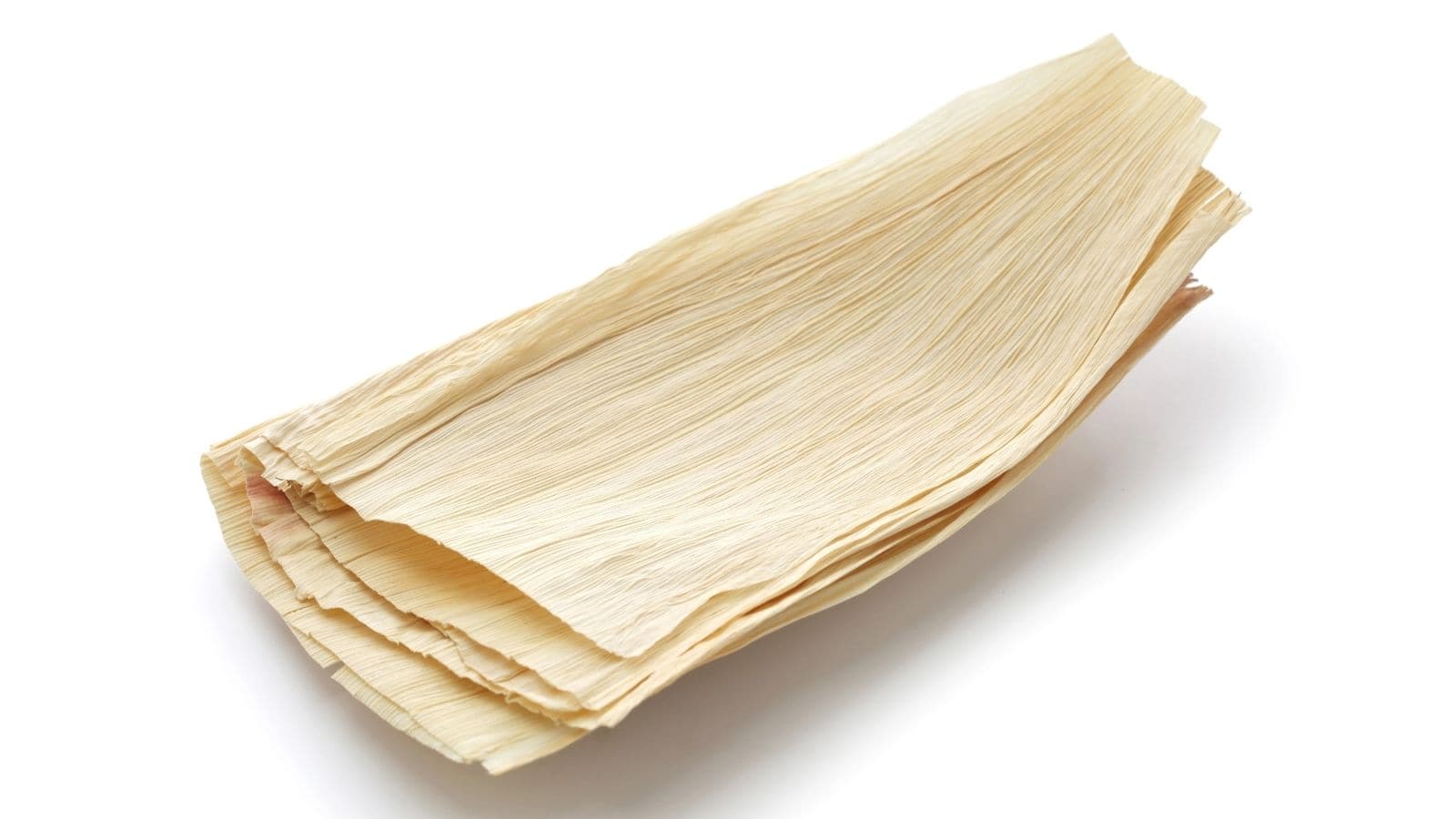
    A stack of dried corn husks arranged in a pile on a white background.
    Photo Credit: asimojet/Deposit Photos

    Corn played an important role in harvest superstitions. Husks were used to weave dolls that symbolized fertility and abundance for the coming year. These charms were often kept through winter to ensure good harvests ahead.

    Hazel Nuts for Divination
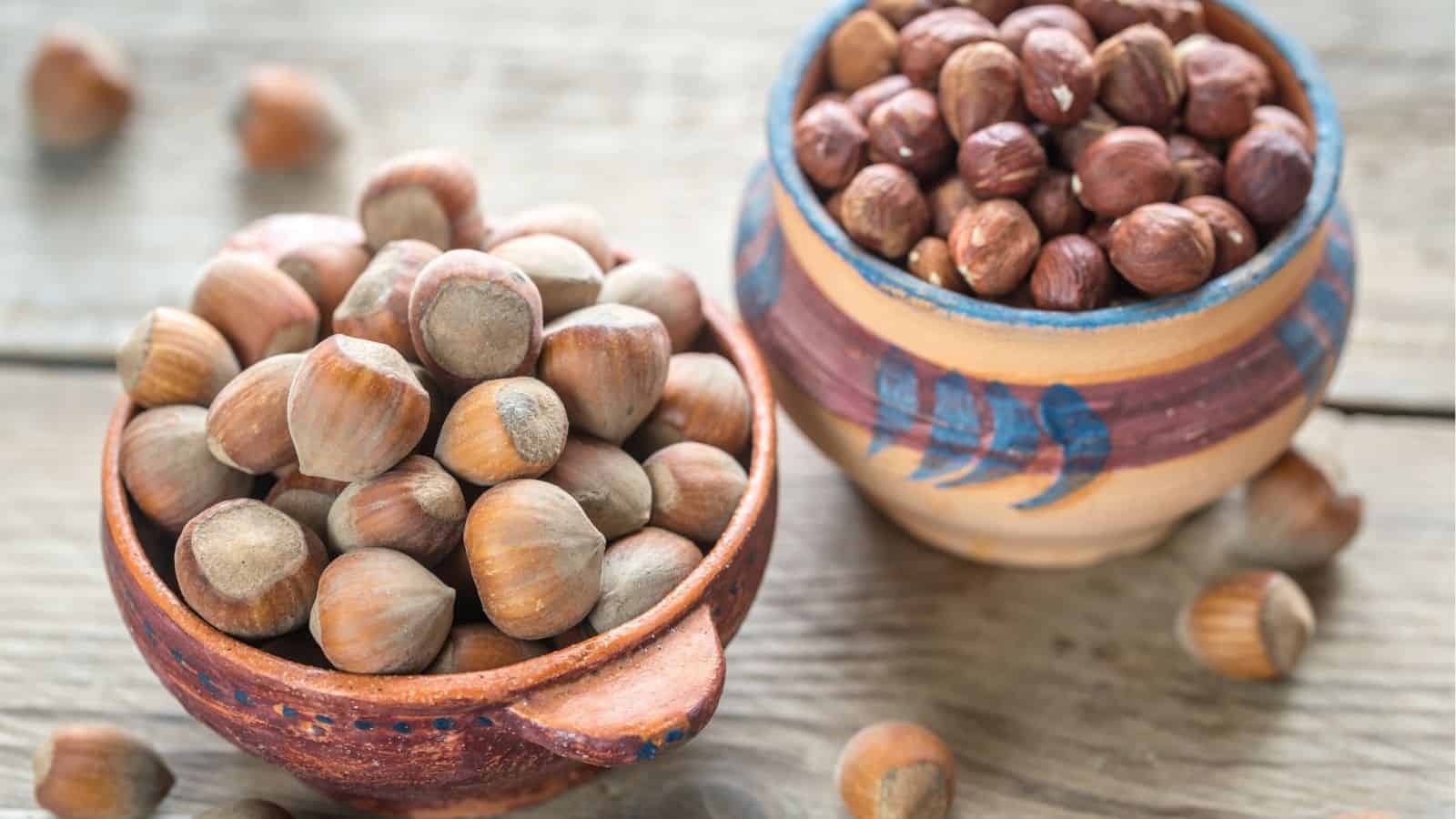
    Two ceramic bowls filled with hazelnuts, one with shelled nuts and one with unshelled nuts, placed on a wooden surface.
    Photo Credit: Alex9500/Envato

    Hazel nuts were tied to fortune-telling and love spells during autumn festivals. Tossing them into fires was said to predict relationships based on how they cracked or popped. Their role in autumn rituals made them highly symbolic.

    Mullein for Protection from Darkness

    A single spike of yellow mullein flowers with purple centers stands out against a blurred green field background.
    Photo Credit: PHILIPPE SERRAND/Pexels

    Mullein plants, with their tall stalks and golden flowers, were often dried and used as torches. In folklore, they were believed to protect against evil and guide souls through darkness. Autumn gatherings often used mullein to light rituals.

    Garlic to Ward Off Harm

    Whole garlic bulbs and cloves, some peeled and sliced, on a light surface.
    Photo Credit: stevepb/Pixabay

    Garlic was considered a powerful plant for protection in autumn, especially as nights grew longer. People hung braids of garlic near doors to keep away evil spirits. It also symbolized health and strength through the colder season.

    Yew Branches for Eternal Life

    Dense cluster of needle-like green leaves from a shrub or small conifer plant, overlapping closely and forming a thick, textured foliage pattern.
    Photo Credit: RannyDe/Deposit Photos

    The yew tree, evergreen even in autumn, symbolized immortality and the cycle of life and death. Branches were often carried or placed in homes to protect families. Its association with cemeteries reinforced its mystical reputation.

    Chrysanthemums for Honor and Remembrance

    A single yellow gerbera daisy in full bloom with green leaves in the background.
    Photo Credit: trungkhang/Pixabay

    In many cultures, chrysanthemums are tied to honoring ancestors and remembering loved ones in autumn. Their late blooms symbolize resilience and endurance. They became common offerings during fall festivals and memorial traditions.

    Plants have always held special meaning, especially during the mysterious, transitional season of autumn. From acorns and apples to sage and chrysanthemums, these superstitions remind us of how people once turned to nature for guidance, luck, and protection.

    More Trending

    • A woman talking on a cell phone.
      15 overlooked spots in your home that need winter attention
    • Person holding a potted plant and a spray bottle stands in a kitchen with green cabinetry and wooden shelves in the background.
      15 indoor gardening habits that pay off year-round
    • An older woman and a young girl sit on a couch smiling at each other while looking at an open book in the girl's lap.
      15 practical skills grandparents learned early that still matter
    • A woman in an apron holds a potted plant in one hand and makes a peace sign with the other, standing against a pink background.
      15 plants that symbolize renewal, rest, and winter wisdom

    About Kristen Wood

    Kristen is a plant lover, gardener, certified functional nutritional expert, cookbook author, writer, and photographer. Her work has been featured in many online and print publications including Willow & Sage Magazine, Forbes, NBC, New York Daily News, Healthline, MSN, Elle, Yoga Journal, and many more. She is also a syndicated writer for The Associated Press.

    Reader Interactions

    Comments

    No Comments

    Leave a Reply Cancel reply

    Your email address will not be published. Required fields are marked *

    Recipe Rating


    Primary Sidebar

    A close up of a woman's face in the sun, radiating with the gentle glow of schisandra and bergamot home.

    About Kristen Wood

    Kristen is a plant lover, gardener, certified functional nutritional expert, cookbook author, writer, and photographer. Her work has been featured in many online and print publications including Willow & Sage Magazine, Forbes, NBC, New York Daily News, Healthline, MSN, Elle, Yoga Journal, and many more. She is also a syndicated writer for The Associated Press.

    Learn more about me →

    Herb of the Day

    Meet today’s featured herb with gentle kitchen ideas, botanical notes, folklore, and a quiet reflection to take with you.

    Explore Today’s Herb

    Follow us!

    Footer

    ↑ back to top

    About

    • Privacy Policy
    • Google Web Stories
    • Accessibility Statement
    • Disclaimer

    Newsletter

    • Sign up for our newsletter to receive our latest posts!

    Contact

    • Contact

    Copyright © 2026 Schisandra & Bergamot
    Disclaimer: As An Amazon Associate I Earn From Qualifying Purchases.

    Herb of the Day

    Discover today’s featured herb with simple kitchen ideas, botanical notes, folklore, and a reflective message.

    Explore
    14 shares