
Letting your leaves stay put isn’t just easier on your back—it’s better for the planet. Those colorful layers on the ground create natural food sources and cozy hiding spots for insects, worms, and seeds that many birds rely on.
When you stop raking, you turn your yard into a thriving ecosystem filled with life, song, and movement. Here are 15 birds you’re more likely to spot when you let the leaves lie this fall.
American Robin
Jump to a Section
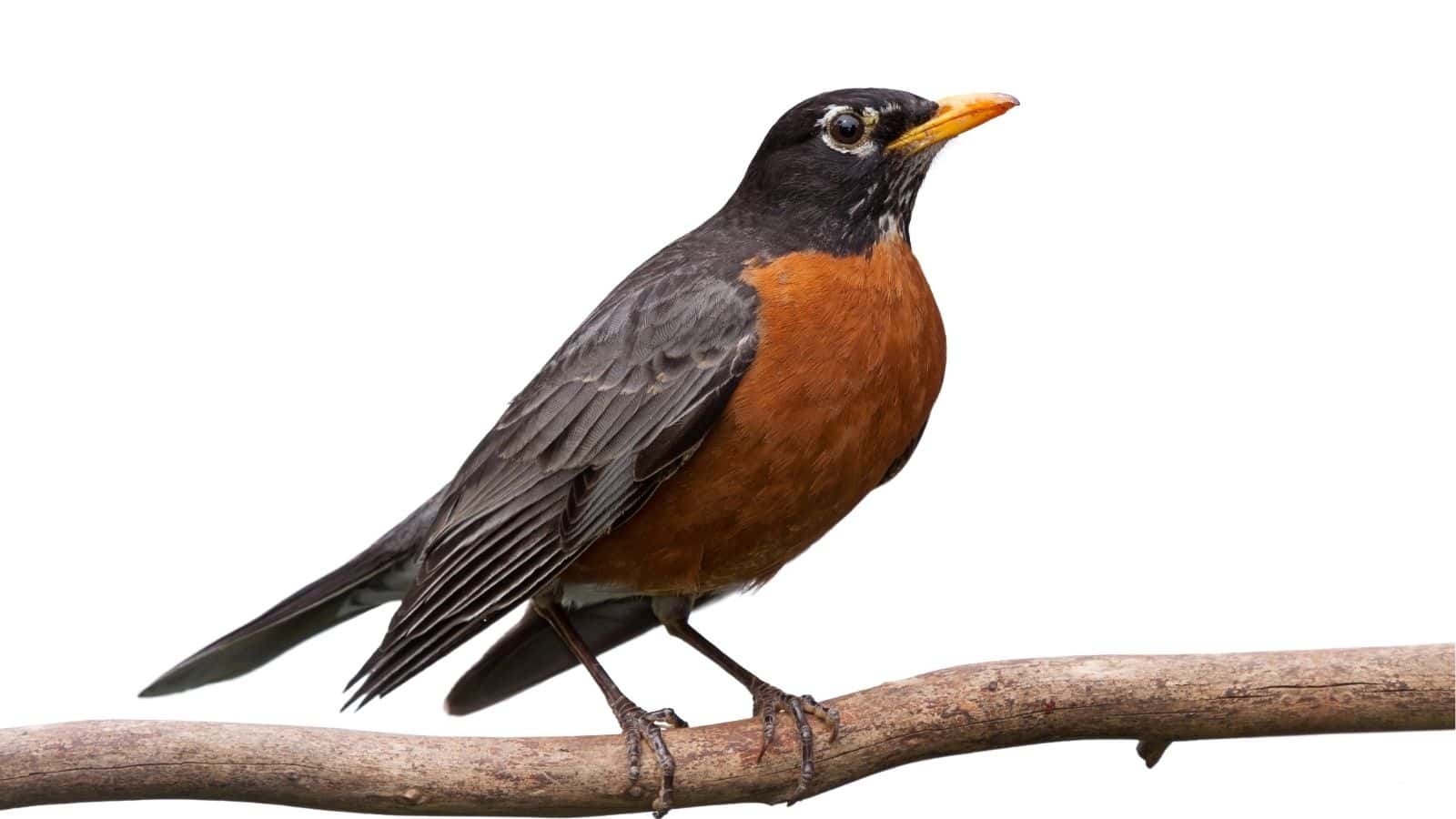
Robins love foraging in leaf litter for worms and insects. When you leave leaves, you’re offering them a buffet. You’ll often find them hopping around after a rainfall, turning over leaves with quick pecks.
Northern Cardinal

These bright red beauties adore leaf piles that shelter insects and seeds. They’ll gladly visit your yard for both food and nesting materials. Their cheerful chirps are a sure sign of a healthy, natural space.
Dark-Eyed Junco
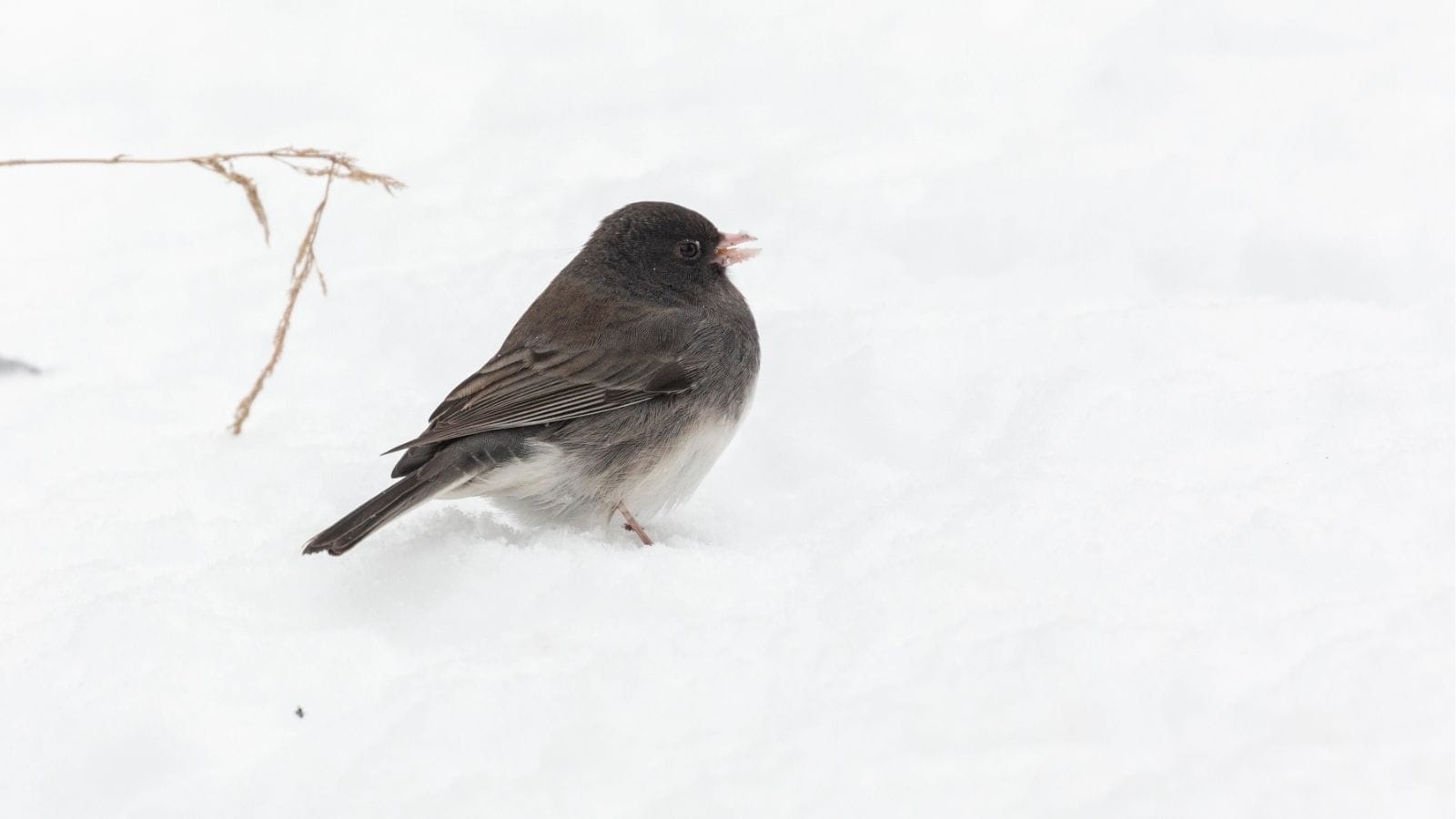
Often called “snowbirds,” juncos spend much of their time scratching through fallen leaves for tiny seeds. A leaf-covered yard is their perfect winter dining ground. You’ll see them fluttering low, tails flashing white as they feed.
Carolina Wren

Wrens love exploring nooks and crannies created by leaf piles. They find insects hiding underneath and use dry leaves for nesting material. Their bubbly song is a reward for any low-maintenance gardener.
Eastern Towhee

Towhees are masters of the “scratch and hop” technique—digging through leaves to find bugs and seeds. Their rich, rust-colored sides and bold eyes make them easy to spot. The more leaf cover you have, the more they’ll visit.
White-Throated Sparrow
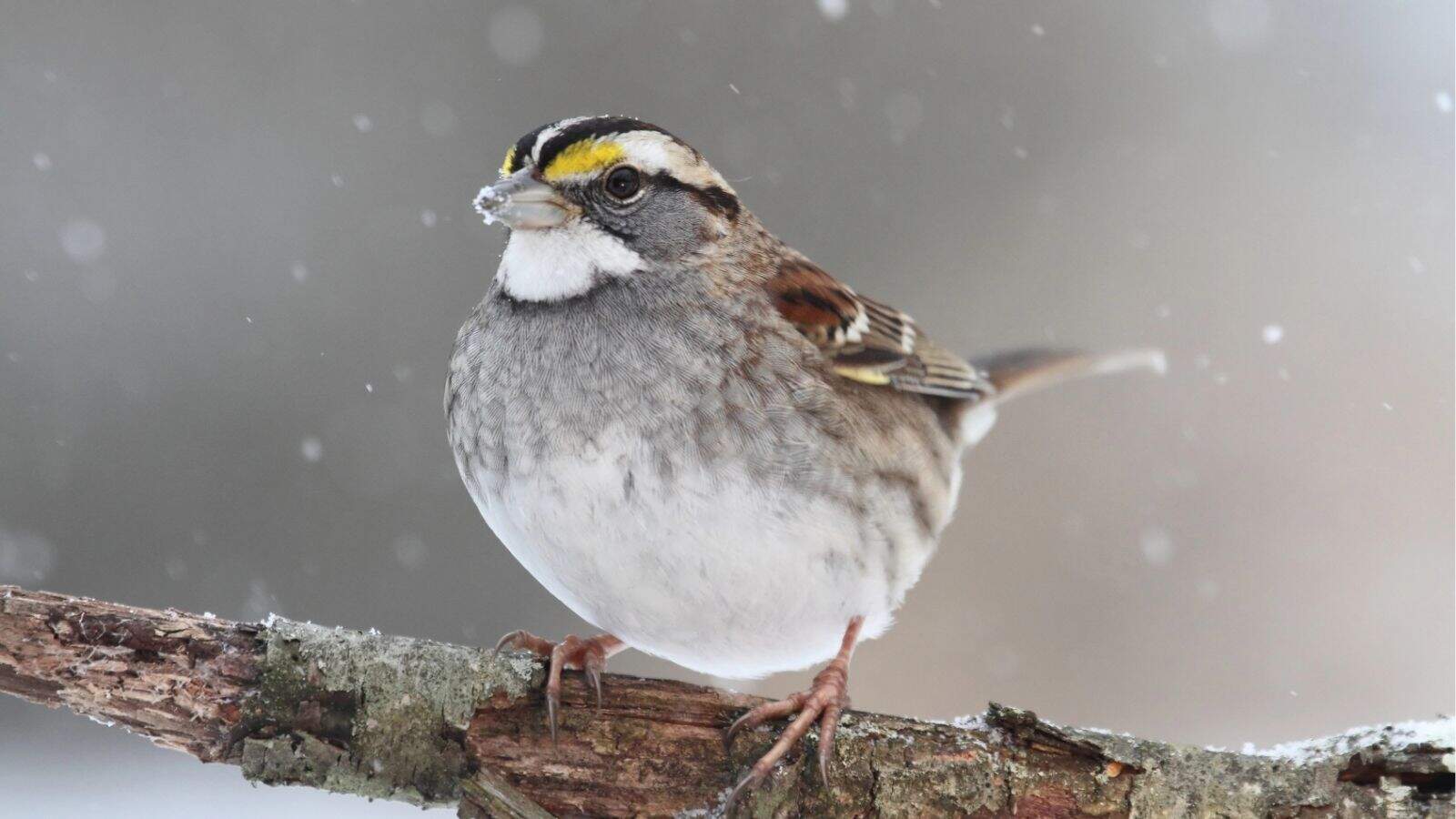
These sparrows rely on leaf litter to uncover hidden seeds and insects. They’re also shy birds that appreciate the extra cover from predators. Leave a few unraked corners, and they’ll make themselves at home.
Song Sparrow

Song Sparrows use fallen leaves to find food and even line their nests. Their gentle melodies often echo through quiet, leaf-strewn gardens. They thrive in natural, undisturbed areas.
Hermit Thrush

This shy bird prefers quiet, wooded areas with plenty of ground cover. Fallen leaves provide the insects they feed on during migration. If you’re lucky, you’ll catch one pausing to sing its soft, flute-like tune.
Brown Thrasher

True to their name, thrashers dig and toss leaves aside in search of insects. Their curved bills and golden eyes make them striking visitors. A messy yard is exactly what they like best.
White-Crowned Sparrow

These striking birds appreciate the shelter and seed supply that leaf piles create. They often travel in flocks, quietly foraging through autumn debris. You’ll see them most often on cool, crisp mornings.
American Goldfinch
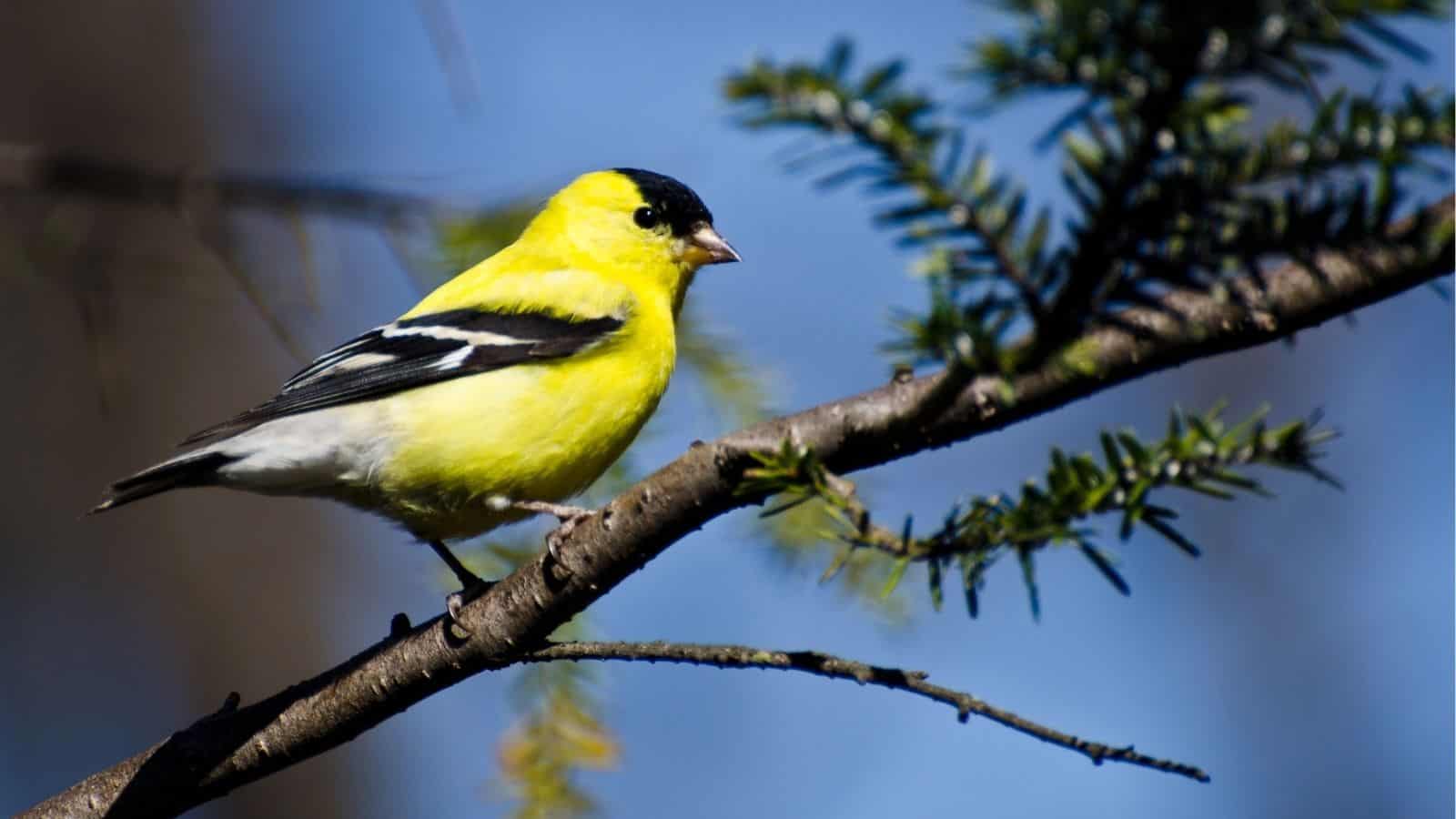
While goldfinches mostly eat seeds, they love the insects that linger in leaf piles. Leaving leaves means more natural food sources through fall and winter. Their flashes of yellow brighten any muted landscape.
Tufted Titmouse

These curious little birds often collect bits of leaves for their nests. They also find beetles and larvae hiding beneath the leaf layer. Their lively chatter adds charm to any natural yard.
Downy Woodpecker

Woodpeckers rely on insects in trees and on the ground, many of which live under fallen leaves. They’ll visit often if your yard supports that food web. You’ll hear their gentle tapping among the branches.
Mourning Dove
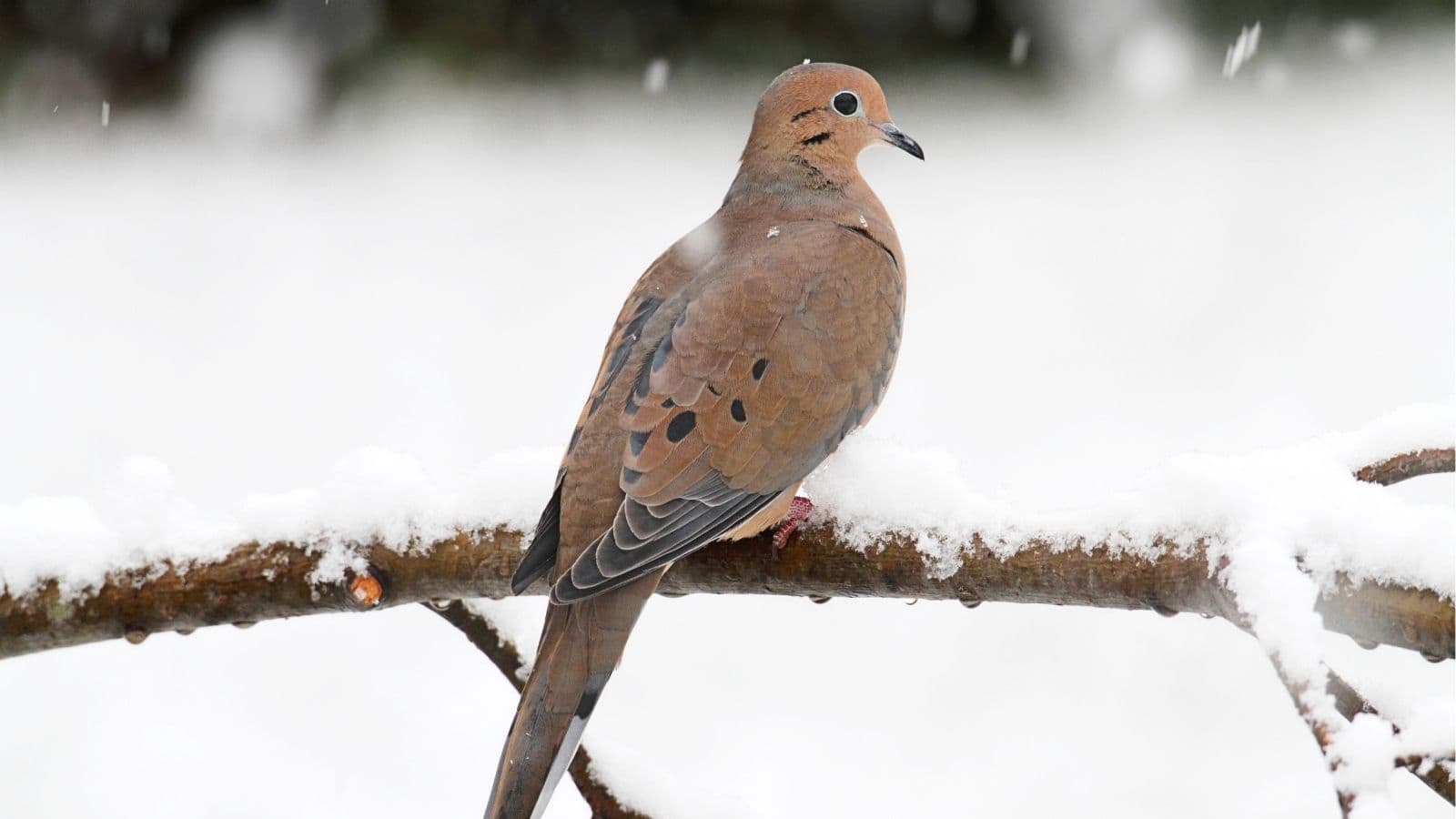
Doves enjoy foraging on the ground, especially in sheltered spots with scattered seeds. Fallen leaves create just the kind of quiet cover they prefer. Their soft coos make your autumn mornings feel serene.
Chickadee
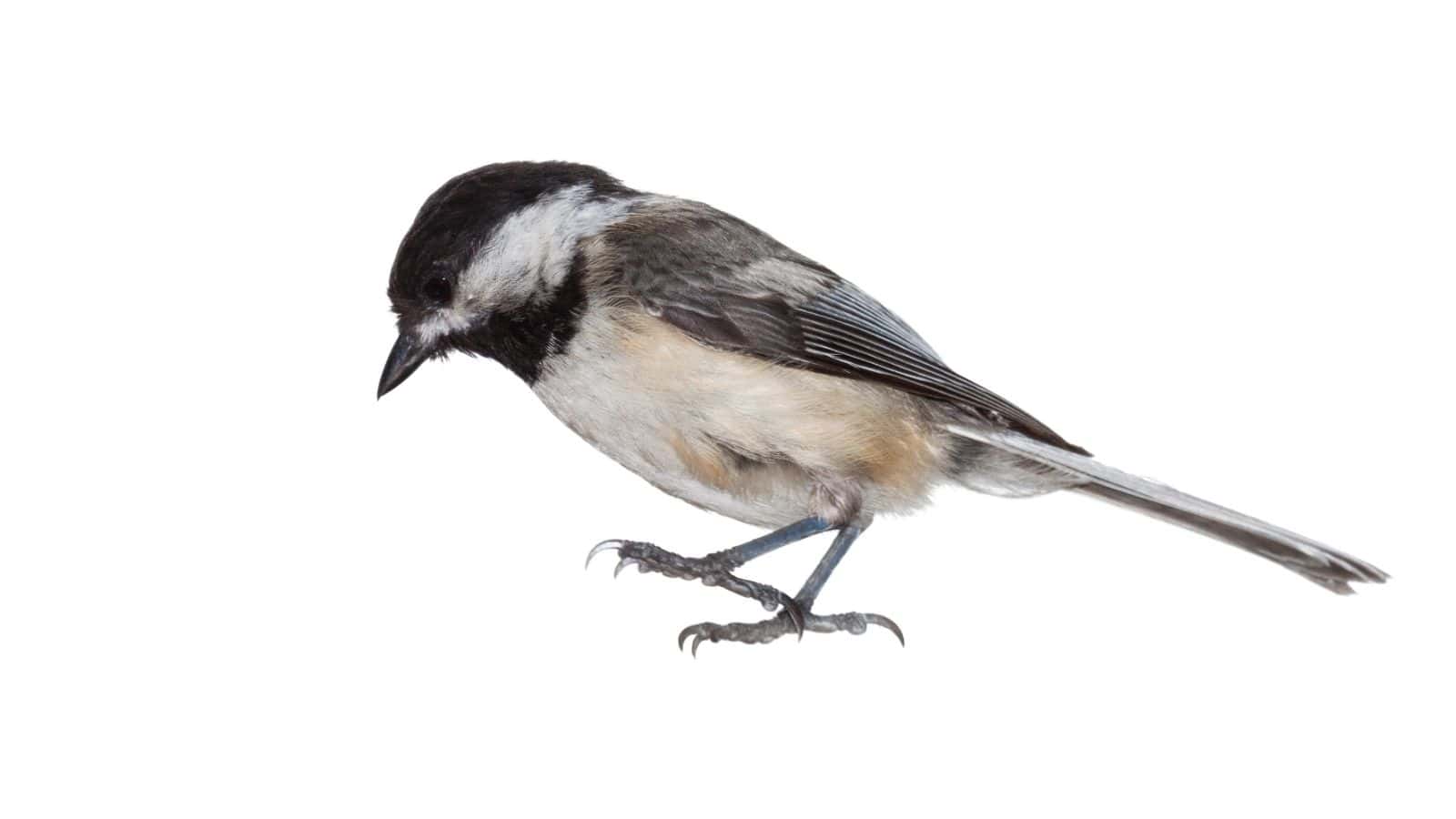
Chickadees are adaptable and playful, often bouncing from branch to branch near the ground. They’ll use leaf litter to hunt tiny insects and hide seeds for later. Their joyful calls remind you how alive your yard truly is.
Leaving your leaves is one of the simplest ways to support local wildlife—and it makes your yard more beautiful in the process. Birds, insects, and plants all benefit from this natural blanket of fall color. Sometimes, the best thing you can do for nature is simply let it be.




Comments
No Comments