

Before weather apps and modern conveniences, people relied on nature itself to guide their days. Clouds, plants, and animal behavior were full of quiet clues about the world’s rhythms—and many of those bits of wisdom still hold truth today. Rediscovering these old ways of observing nature brings a sense of connection, curiosity, and respect for the earth.
These 15 timeless pieces of nature lore remind us how to read the signs around us, from the way birds fly to how flowers bloom. Bringing them back invites a slower, more mindful way of living in tune with the natural world.
Red Sky at Night, Sailor’s Delight

Jump to a Section
The old weather saying still rings true—clear red skies at sunset often signal fair weather ahead. It happens when sunlight shines through dry air moving in from the west. A red dawn, however, usually means rain is on its way.
When Swallows Fly Low, Rain Will Follow

Swallows catch insects in flight, and when air pressure drops before rain, bugs stay closer to the ground. Watching bird behavior can still hint at changing weather long before forecasts do.
Moss Grows on the North Side of Trees

In the Northern Hemisphere, moss tends to grow thicker on the shaded north sides of trees. It’s not always exact, but it’s a handy trick for orienting yourself when exploring the woods.
Dandelions Tell the Time

Old lore said that blowing on a dandelion puff could tell the hour—the number of puffs it took to blow off all the seeds was said to mark the time. While more whimsy than science, it’s a charming reminder to pause and play with nature.
Dew Before Midnight Means a Clear Day

People once believed that heavy dew forming early in the night signaled clear skies ahead. There’s truth to it—dew forms most readily under calm, clear conditions.
Watch the Clouds for Weather Warnings

Tall, anvil-shaped clouds often mean storms are coming. Soft, wispy cirrus clouds, on the other hand, usually suggest fair weather. Learning to read the sky is a lost but fascinating skill.
Trees Speak Through Their Leaves
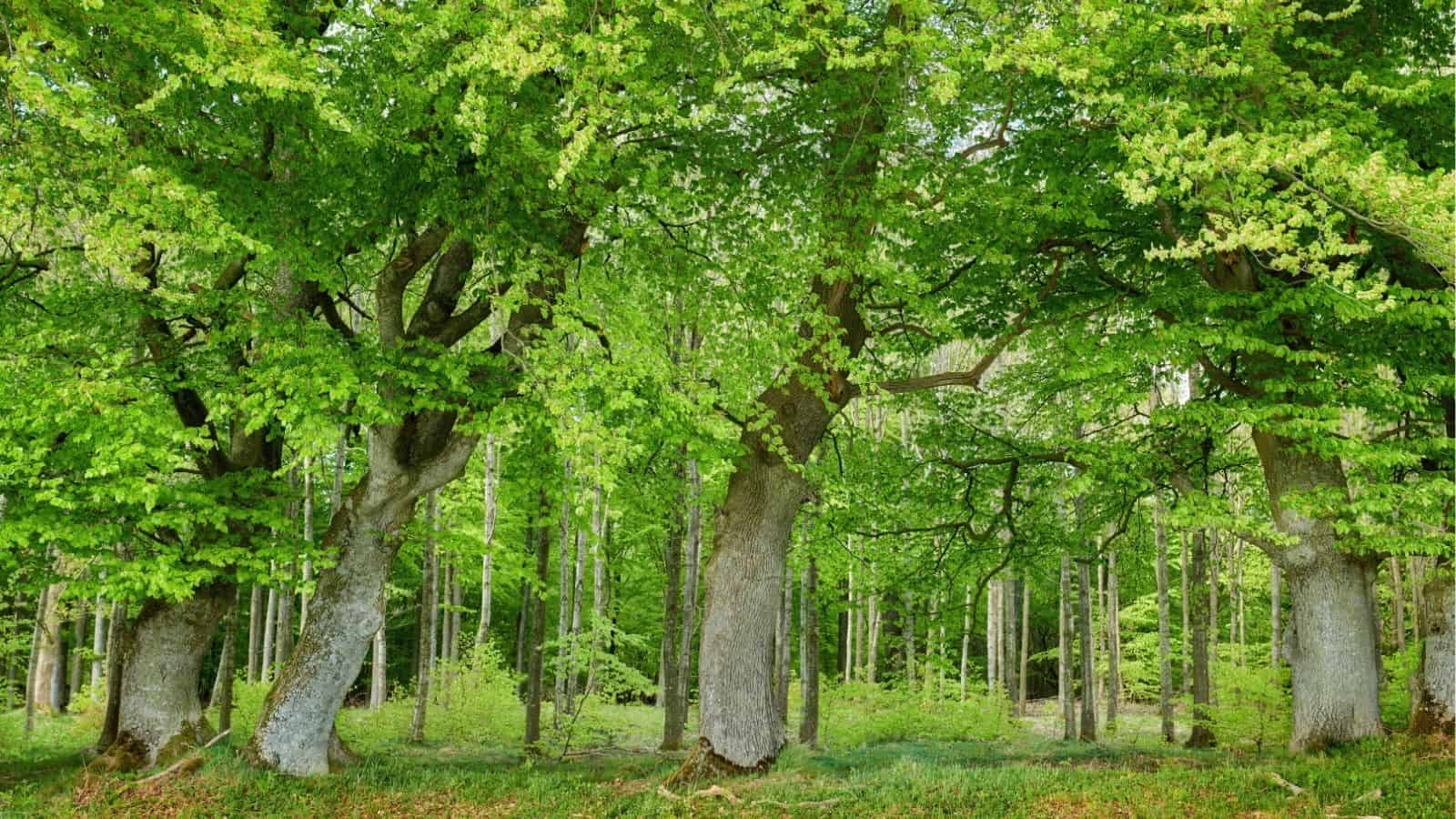
Leaves turning their undersides upward often signal incoming rain. This happens when humidity and pressure shift before a storm, causing them to react. Observing this can make you feel like you’re reading the forest’s mood.
Birds Quiet Down Before a Storm

When the air grows heavy before rainfall, birds often fall silent. It’s thought they’re responding to changes in air pressure and wind. Their sudden hush is one of nature’s gentlest warnings.
Ants Predict Rain by Building High

When ants start building taller, more fortified hills, it can mean wet weather ahead. Their instinctive preparation is a fascinating sign of nature’s awareness.
A Ring Around the Moon Means Rain Soon

A halo around the moon is caused by ice crystals high in the atmosphere, often signaling an approaching front. When you see that glowing circle, expect rain within a day or two.
If You Smell the Earth, Rain Is Near

The scent of rain—called petrichor—often appears before the first drops fall. It’s released when moisture activates natural oils in soil and plants. It’s both science and sensory magic.
Crows Count the Seasons

Crows were once thought to carry seasonal wisdom—if they called loudly in late summer, it meant fall was coming soon. While folklore, it’s true that crows’ behavior changes with shifting daylight and food patterns.
Frogs Sing Louder Before Rain

When you hear frogs croaking noisily, it’s often a sign of moisture on the way. Their calls intensify with rising humidity—a delightful blend of instinct and folklore.
Plant by the Moon’s Phases

Old farmers planted seeds during waxing moons for leafy growth and waning moons for roots. While debated, many gardeners still swear by lunar planting for aligning with natural rhythms.
Rainbows Bring Calm After the Storm
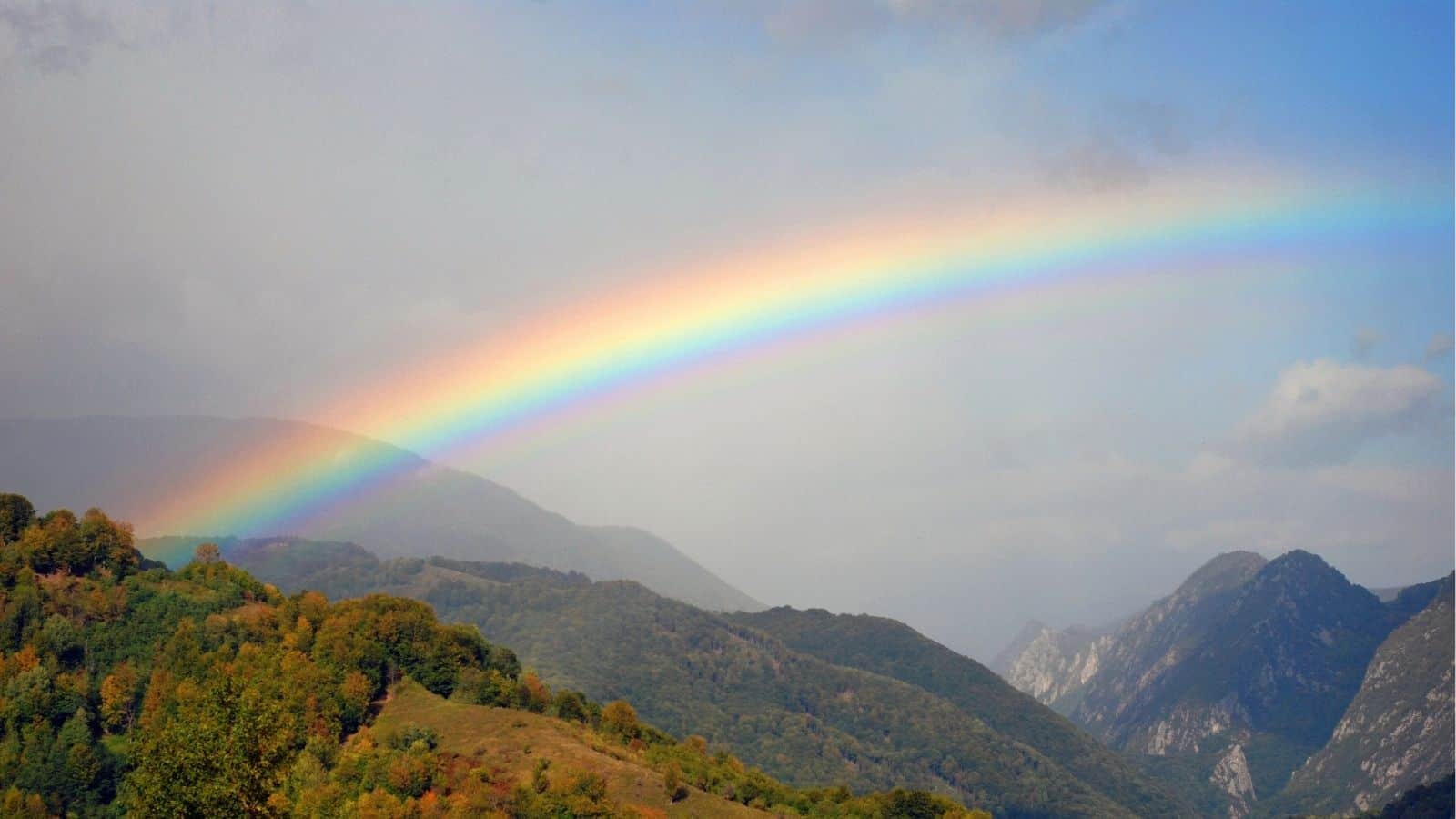
Lore has long said that a rainbow marks peace and renewal. Scientifically, it’s a sign that the storm is passing and sunlight has returned—a perfect blend of beauty and truth.
Nature lore may be old-fashioned, but it invites us to slow down and observe the world like our ancestors once did. These small, poetic bits of wisdom connect us to the rhythms of weather, wildlife, and time. Bringing them back reminds us that nature is always speaking—it’s just up to us to listen.





Comments
No Comments