
• Skip to main content
  • Skip to primary sidebar

Schisandra & Bergamot logo

menu icon
go to homepage
  • Index
  • Subscribe
  • About
  • Contact
  • Daily Herb
    • Facebook
    • Instagram
    • Pinterest
  • subscribe
    search icon
    Homepage link
    • Index
    • Subscribe
    • About
    • Contact
    • Daily Herb
    • Facebook
    • Instagram
    • Pinterest
  • ×
    Home » Oil Infusions

    Published: Jan 8, 2026 by Kristen Wood · This post may contain affiliate links. If you make a purchase through links on our site, we may earn a commission. ·

    How to Make Clove Oil (Cold-Infused Method)

    33 shares
    • Facebook
    • Reddit
    Skip to Full DIY | Pin This DIY
    A small glass bottle filled with clove oil sits on a wooden surface next to whole cloves. The image features the text "how to make clove oil," providing a visual guide for those interested in creating their own natural remedy.

    Making homemade clove oil using the cold-infusion method is a simple, hands-off process that requires very little prep. Whole cloves are combined with a carrier oil and left to infuse slowly over time. To get started, you only need whole cloves, a carrier oil, and a clean jar.

    A small glass bottle filled with yellow liquid sits on a wooden surface, with several whole cloves scattered beside it—an inviting scene for anyone curious about how to make clove oil at home.

    I love making herbal oils as part of my wellness routine, and honestly, this is one of the easiest DIY remedies you will ever try! No cooking is required, and no fancy or expensive equipment is needed. You just combine the ingredients in a container and let nature take care of the rest. The resulting oil is fragrant, warming, and versatile. Trust me, you’ll soon be including it in your self-care practices, too!

    A glass bottle filled with a light brown liquid sits on a wooden surface with a few scattered seeds nearby, hinting at natural ingredients—perfect for those curious about how to make clove oil at home.

    What’s Clove Oil?

    It’s an essential oil that comes from the dried flower buds of the clove (Syzygium aromaticum) tree. This fragrant plant originated in Indonesia and primarily grows in tropical regions.

    Due to its natural fragrance and beneficial properties, clove oil has numerous applications in cooking, herbal medicine, oral care, and aromatherapy. This natural remedy can be used for:

    • Easing toothache pain
    • Warmth, comfort, and focus in aromatherapy
    • Cleaning around the house to prevent mold growth
    • Helping with acne
    • Nourishing the hair and scalp 
    • Cooking (can be added to curry bases, sauces, or marinades)
    A small glass bottle filled with golden clove oil sits on a wooden surface next to scattered cloves.

    Materials Needed

    Whole Cloves: The primary ingredient you need to make this clove oil recipe. They contain eugenol, a naturally occurring compound that gives this oil its signature warming effect and natural anesthetic properties.

    HERB OF THE DAY · Explore today’s herb →

    Carrier Oil: Acts as the base that extracts, dilutes, and preserves the natural properties of the whole clove. You can use olive oil, jojoba oil, coconut oil, or sweet almond oil for this recipe. 

    How To Make Clove Oil

    A close-up of whole cloves being ground in a stone mortar and pestle on a wooden surface—a perfect first step in learning how to make clove oil.

    1. CRUSH

    Lightly crush the cloves using a mortar and pestle or the back of a spoon.

    A glass jar with whole dried cloves, perfect for learning how to make clove oil, viewed from above as it sits on a wooden surface.

    2. TRANSFER

    Transfer the cloves to a clean, dry glass jar.

    Top view of a glass jar filled with chili oil, showing visible spices and seeds, placed on a wooden surface—similar to jars used when learning how to make clove oil at home.

    3. ADD OIL

    Pour in your carrier oil until the cloves are completely covered, then stir briefly with a clean spoon. Seal the jar and store it in a warm, dark spot for 7 to 10 days, giving it a gentle shake once a day.

    A metal strainer containing wet tea leaves is placed over a glass filled with amber liquid on a wooden surface, reminiscent of the steps in how to make clove oil with its precise infusion process.

    4. STRAIN

    When ready, strain the oil through cheesecloth or a fine mesh strainer, then transfer it to a small amber bottle for storage.

    A glass jar filled with honey sits on a wooden surface, with a small cluster of brown cloves scattered nearby—perfect inspiration if you're curious about how to make clove oil at home.

    5. USE

    Enjoy!

    How To Use Clove Oil

    • For a tooth ache: Dab a small amount onto a cotton swab or cotton ball and apply it to the gums near the affected area.
    • As a massage oil: Rub into sore shoulders, achy joints, or the belly to relieve cramping and/or bloating.
    • For aromatherapy: Add a few drops of clove oil to your washcloth and place it in the corner of your shower. The steam from your shower will help release the scent and open up your sinuses.
    • To ease any itch, pain, or inflammation, rub it directly on your skin.  
    A marble mortar and pestle containing whole dried cloves, perfect for grinding them to release their rich aroma or preparing clove oil, sits on a wooden surface.
    A glass jar filled with golden brown clove oil sits on a wooden surface next to a few scattered cloves.

    Kristen's Top Tips

    • Use whole cloves instead of ground or powdered versions since they are easier to remove with a strainer, and more potent when freshly crushed.
    • Use high-quality carrier oils to help preserve your infusion for a longer period. 
    • The finer the strainer used, the cleaner and smoother the oil.
    • Don’t forget to use a clean, sterilized bottle to avoid contaminating the clove oil.
    • Crushing the cloves helps release more eugenol into the oil, which speeds up the infusion process.
    • Shake the bottle every few days to prevent any settling and redistribute the clove compounds in the oil.  
    • Always do a patch test before using to check for allergic reactions or side effects, especially if you have sensitive skin or underlying conditions.
    A small glass bottle filled with golden clove oil sits on a wooden surface, with a few whole cloves scattered nearby.

    Storage

    Place the glass bottle in a cool, dry place, free from sunlight and high temperatures, such as a pantry or cupboard. Any heat may degrade the quality of your clove oil. Keep it out of reach of children. 

    When stored properly, your home remedy can last for a few months. However, discard it immediately if you detect any musty, sour, or rancid smell, or if you experience skin irritation or an allergic reaction while using the oil. 

    You Might Also Like These Infused Oil Recipes
    • How to Make Garlic Mullein Oil
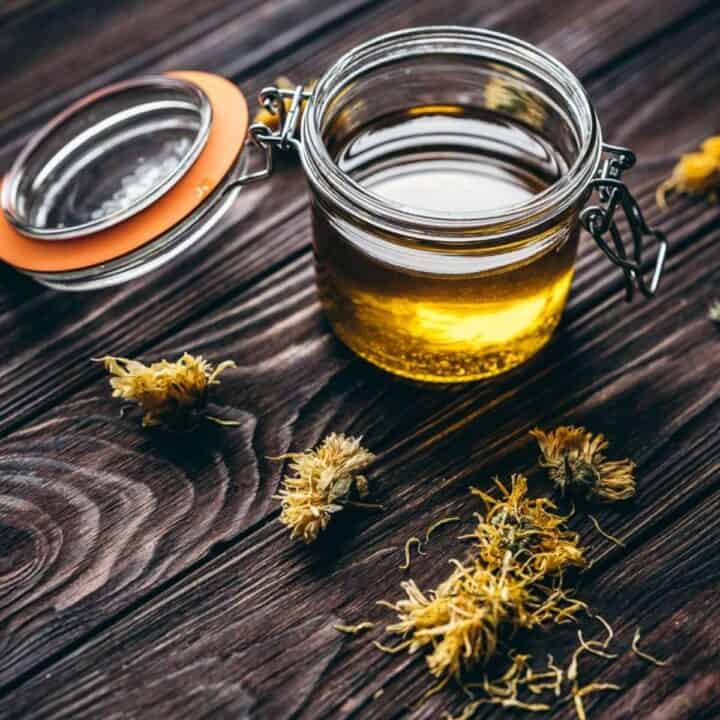
    • How to Make Calendula Infused Oil
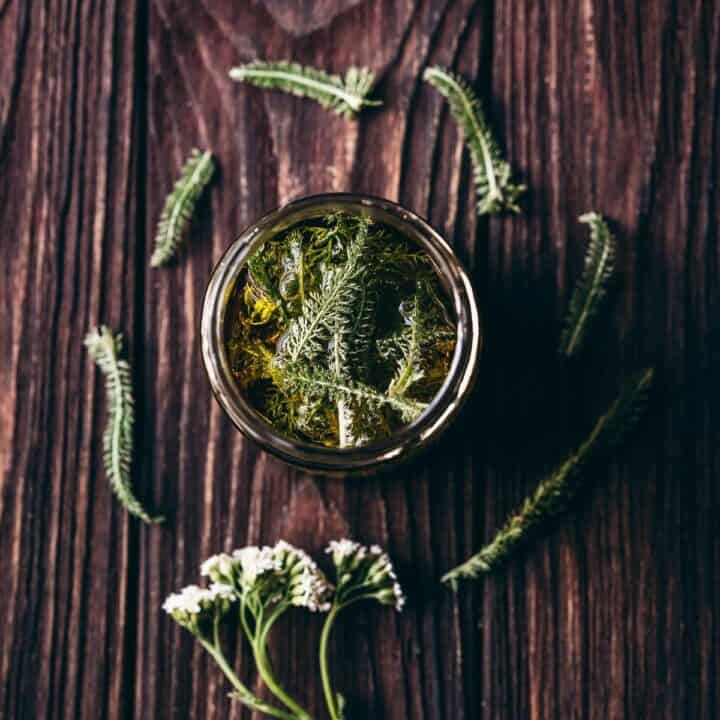
    • Yarrow Infused Oil
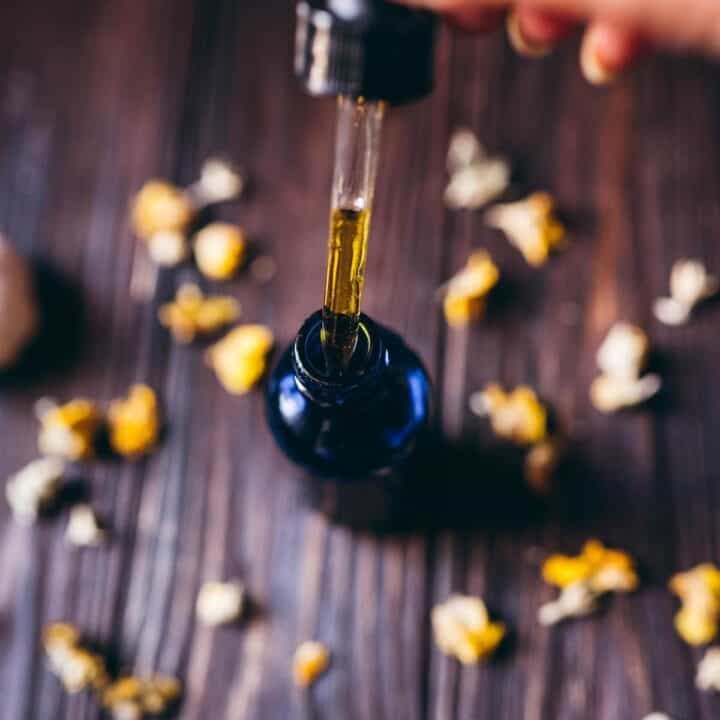
    A small glass bottle filled with yellow liquid sits on a wooden surface, with several whole cloves scattered beside it—an inviting scene for anyone curious about how to make clove oil at home.
    Print Pin
    No ratings yet

    Clove Oil

    This clove oil recipe is made using an easy cold-infusion method that requires only a few simple tools and no heat.
    Prep Time: 5 minutes mins
    Infusion Time: 10 days d
    Total Time: 10 days d 5 minutes mins
    Yield: 8 tablespoons
    Author: Kristen Wood
    Cost: $5

    Equipment

    • Clean glass jar with lid
    • Cheesecloth or fine strainer
    • Jar or bottle (for storage)

    Materials

    • 1/4 cup whole cloves
    • 1/2 cup carrier oil like olive oil, jojoba oil, or almond oil

    Instructions

    • Slightly crush the cloves using a mortar and pestle or the back of a spoon to help release their natural oils.
    • Place the crushed cloves into a clean, dry glass jar.
    • Add your chosen carrier oil until the cloves are fully submerged. Stir gently with a clean spoon.
    • Seal the jar tightly and store it in a warm, dark place for 7 to 10 days. Shake the jar once daily to keep the cloves moving and encourage infusion.
    • After 7 to 10 days, strain the oil through cheesecloth or a fine mesh strainer into a clean bowl. Pour the finished oil into a small amber bottle to protect it from light and extend its shelf life.
    • Store, use, and enjoy!

    More Oil Infusions

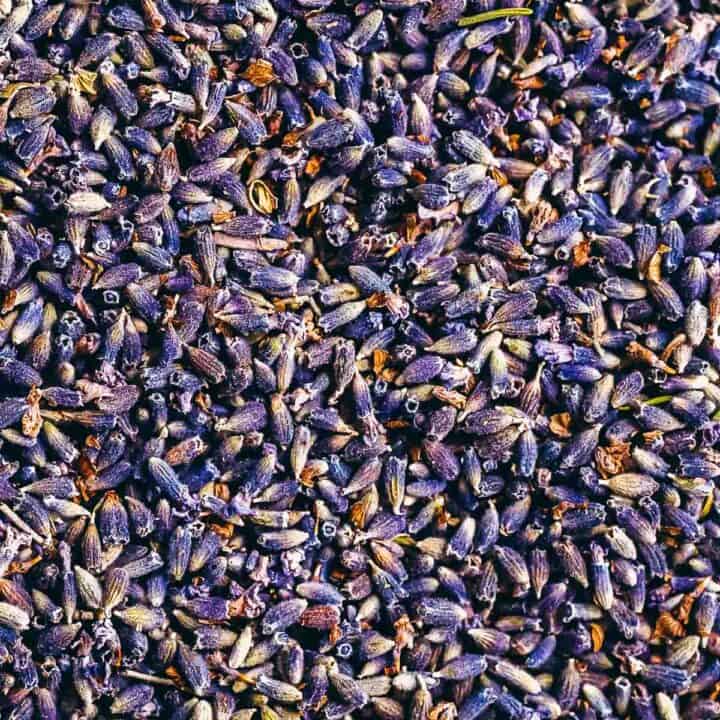
    • What To Do With Dried Lavender
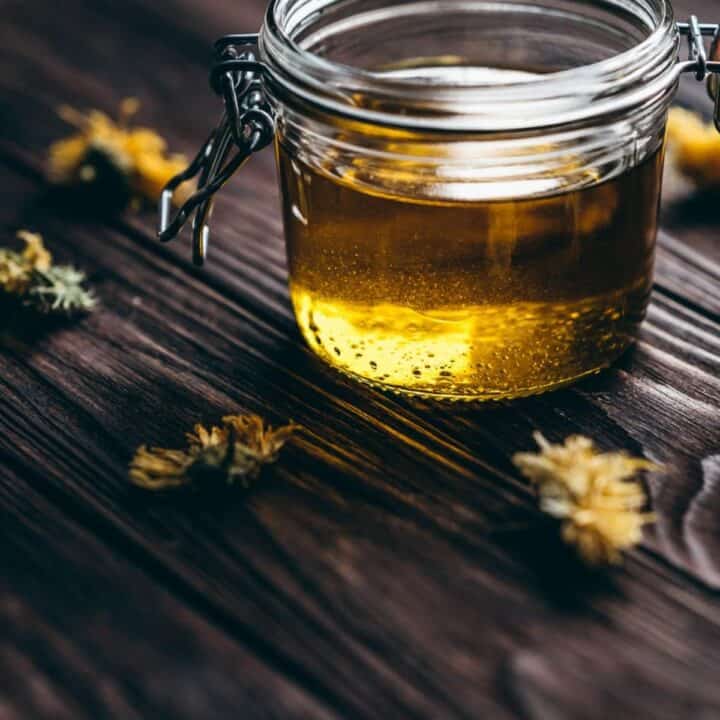
    • Calendula Oil for Hair
      Calendula Oil for Hair

    About Kristen Wood

    Kristen is a plant lover, gardener, certified functional nutritional expert, cookbook author, writer, and photographer. Her work has been featured in many online and print publications including Willow & Sage Magazine, Forbes, NBC, New York Daily News, Healthline, MSN, Elle, Yoga Journal, and many more. She is also a syndicated writer for The Associated Press.

    Reader Interactions

    Comments

    No Comments

    Leave a Reply Cancel reply

    Your email address will not be published. Required fields are marked *

    Recipe Rating


    Primary Sidebar

    A close up of a woman's face in the sun, radiating with the gentle glow of schisandra and bergamot home.

    About Kristen Wood

    Kristen is a plant lover, gardener, certified functional nutritional expert, cookbook author, writer, and photographer. Her work has been featured in many online and print publications including Willow & Sage Magazine, Forbes, NBC, New York Daily News, Healthline, MSN, Elle, Yoga Journal, and many more. She is also a syndicated writer for The Associated Press.

    Learn more about me →

    Herb of the Day

    Meet today’s featured herb with gentle kitchen ideas, botanical notes, folklore, and a quiet reflection to take with you.

    Explore Today’s Herb

    Follow us!

    Footer

    ↑ back to top

    About

    • Privacy Policy
    • Google Web Stories
    • Accessibility Statement
    • Disclaimer

    Newsletter

    • Sign up for our newsletter to receive our latest posts!

    Contact

    • Contact

    Copyright © 2026 Schisandra & Bergamot
    Disclaimer: As An Amazon Associate I Earn From Qualifying Purchases.

    Herb of the Day

    Discover today’s featured herb with simple kitchen ideas, botanical notes, folklore, and a reflective message.

    Explore
    33 shares

    Rate This Recipe

    Your vote:


    A rating is required
    A name is required
    An email is required