

Winter doesn’t have to mean the end of fresh herbs in your garden. Some varieties are tough enough to survive freezing temperatures and even snow.
These cold-hardy herbs stay flavorful, green, and ready to harvest all season long — perfect for cooking, tea-making, or adding fragrance to your home. Here are 15 herbs that can handle the chill and keep growing strong through winter.
Thyme

Jump to a Section
Thyme is a classic cold-hardy herb that stays evergreen even in frosty conditions. It thrives in well-drained soil and full sun. The tiny leaves add a burst of flavor to soups, roasts, and winter stews.
Sage

Sage can tolerate both frost and light snow, keeping its silvery leaves through most of winter. It prefers a sunny, dry location with minimal watering. Use it to season hearty dishes like stuffing and roasted vegetables.
Chives

Chives die back in extreme cold but return early in spring with vibrant green shoots. They’re incredibly low-maintenance and add a mild onion flavor to meals. You can also pot them indoors for a steady supply.
Parsley

Parsley is more resilient than it looks, surviving light frosts and even mild freezes. Covering it with mulch or a frost cloth helps extend its growing season. Its bright flavor adds freshness to soups and winter dishes.
Mint

Mint spreads easily and withstands cold weather when planted in the ground. Though it may die back in deep frost, it regrows quickly once the weather warms. A few leaves steeped in tea make the perfect winter comfort drink.
Oregano

Oregano thrives in cooler weather and often stays evergreen in mild winters. It prefers dry, sunny spots and continues to release aromatic oils even in the cold. Use it to flavor pasta sauces or roasted meats.
Rosemary (Cold-Hardy Varieties)

Some rosemary types, like ‘Arp’ and ‘Hill Hardy,’ can survive temperatures down to 10°F. They love well-drained soil and full sunlight. The fragrant sprigs bring freshness to winter recipes and indoor arrangements.
Winter Savory

True to its name, winter savory thrives in cold temperatures. It’s a perennial herb that remains evergreen in most climates. The peppery flavor pairs wonderfully with beans, stews, and roasted meats.
Lemon Balm

Lemon balm dies back in winter but comes roaring back in early spring. Protecting its roots with mulch helps it survive freezing conditions. Its lemony scent and flavor brighten teas and desserts.
Tarragon (French or Russian)

Tarragon can handle cooler weather, especially the hardy Russian variety. It prefers well-drained soil and light protection from wind. Use it to add a subtle anise flavor to chicken and fish dishes.
Lovage
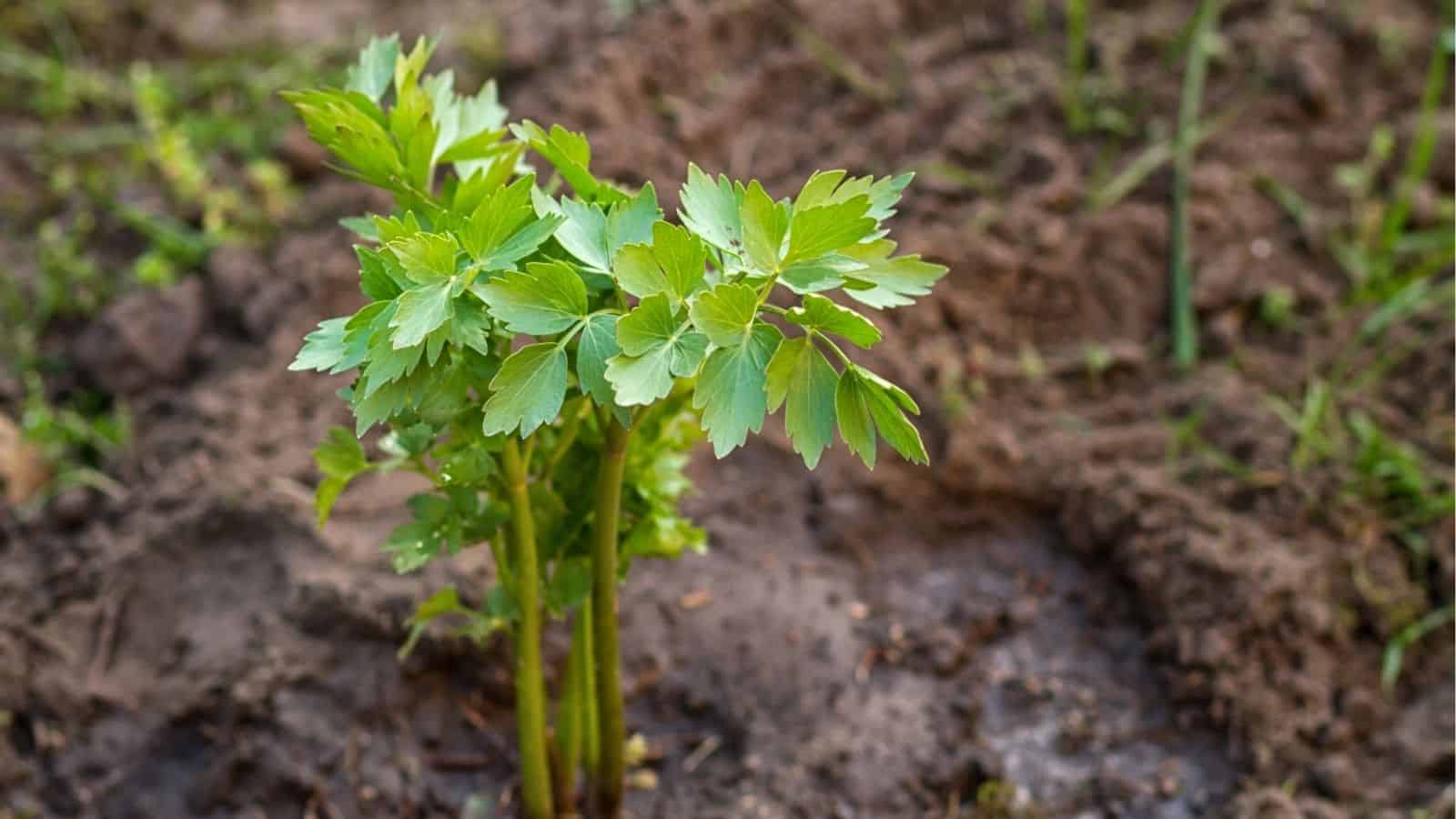
Lovage resembles celery in taste and thrives in cool conditions. It’s a hardy perennial that returns year after year with minimal care. The leaves and stems add a fresh, savory note to soups and broths.
Horseradish

Technically an herb, horseradish is almost indestructible in the cold. The roots grow stronger and spicier after frost exposure. It’s easy to dig up in late winter for sauces and condiments.
Fennel
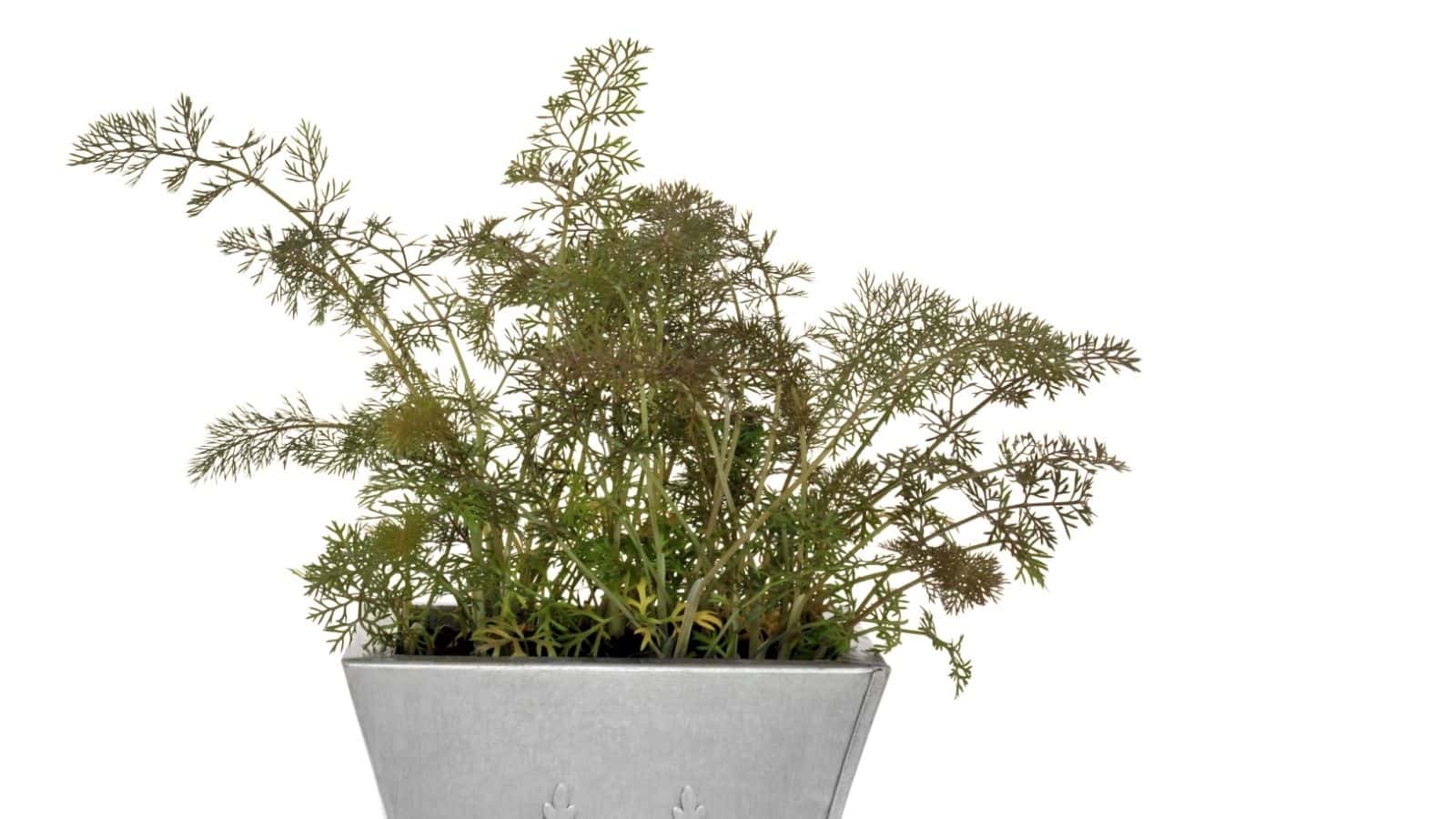
Fennel can tolerate light frosts, especially the perennial Florence type. The fronds and seeds are flavorful and aromatic, perfect for salads or roasting. With a little mulch, it often overwinters successfully.
Catnip

Catnip is a resilient member of the mint family that survives frost with ease. It grows back quickly in spring, making it a long-lasting herb. It’s a favorite for cats — and can also be brewed as a calming tea.
Sorrel

Sorrel thrives in cool weather and can survive even through snow. Its tangy, lemony leaves are great for soups and salads. It’s one of the first herbs to reemerge when spring arrives.
Cold weather doesn’t have to end your herb-growing season. With these hardy varieties, your garden — and your kitchen — can stay green and flavorful even when it’s freezing outside. A little mulch and care go a long way toward keeping nature’s resilience alive all winter.





Comments
No Comments