
• Skip to main content
  • Skip to primary sidebar

Schisandra & Bergamot logo

menu icon
go to homepage
  • Index
  • Subscribe
  • About
  • Contact
  • Daily Herb
    • Facebook
    • Instagram
    • Pinterest
  • subscribe
    search icon
    Homepage link
    • Index
    • Subscribe
    • About
    • Contact
    • Daily Herb
    • Facebook
    • Instagram
    • Pinterest
  • ×
    Home » Trending

    Published: Jul 28, 2025 by Kristen Wood · This post may contain affiliate links. If you make a purchase through links on our site, we may earn a commission. ·

    11 Common Signs Your Garden Is Thirsty — and What to Do

    14 shares
    • Facebook
    • Reddit

    Not all thirsty plants will droop dramatically—some are more subtle about their needs. Learning to recognize the signs of underwatering can help you save your garden before damage sets in.

    From curling leaves to cracked soil, your plants are constantly communicating. Here’s how to read the signs and give them the hydration they need to thrive.

    Wilting Leaves
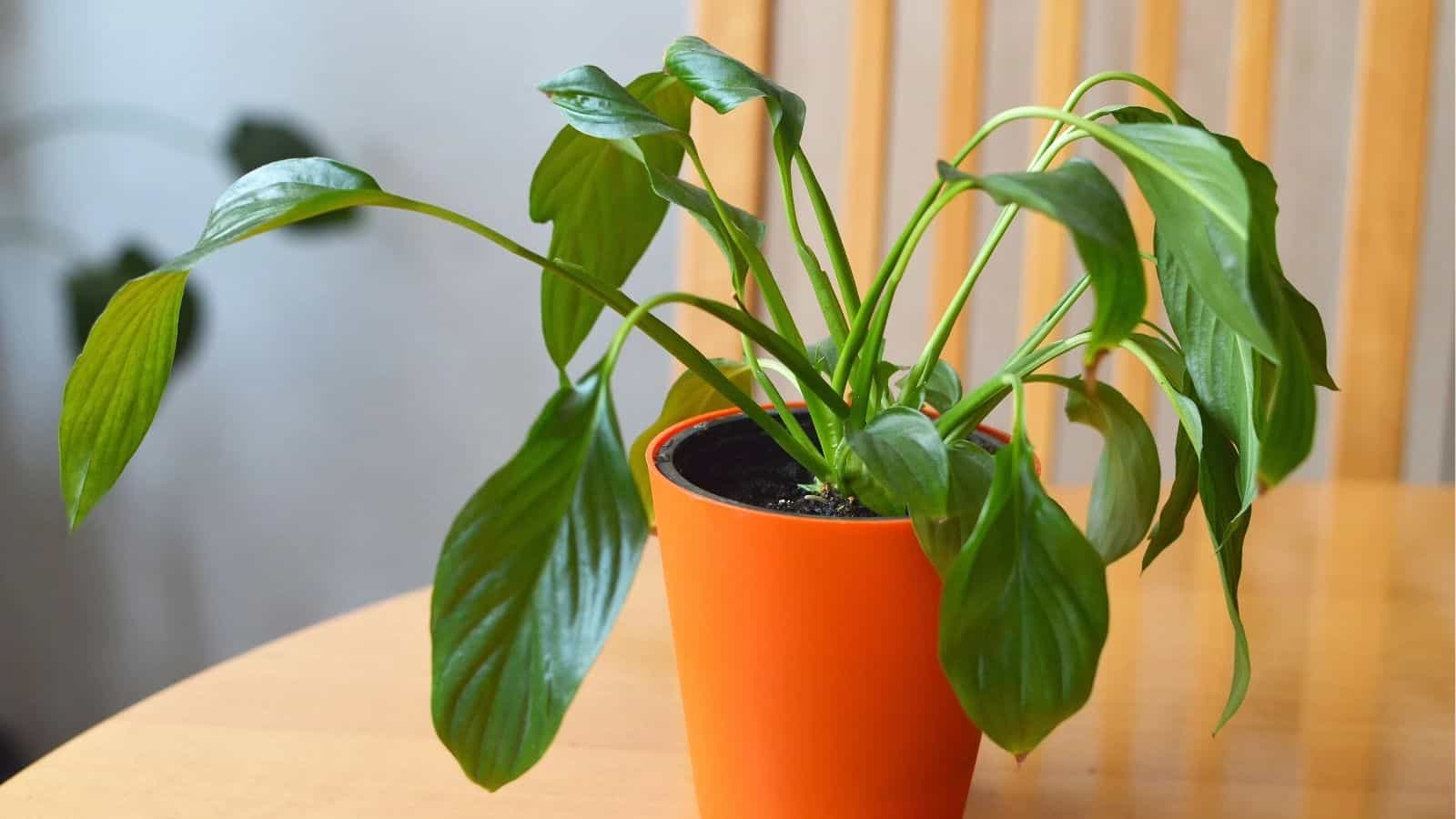
    A green leafy plant in an orange pot sits on a wooden table with a chair and another plant blurred in the background.
    Photo Credit: Izzzy71/Deposit Photos

    One of the most obvious signs of thirst is wilting. Leaves may droop or look limp and lifeless, especially during the heat of the day. If they bounce back after watering, you’ll know dryness was the culprit.

    Dry, Cracked Soil
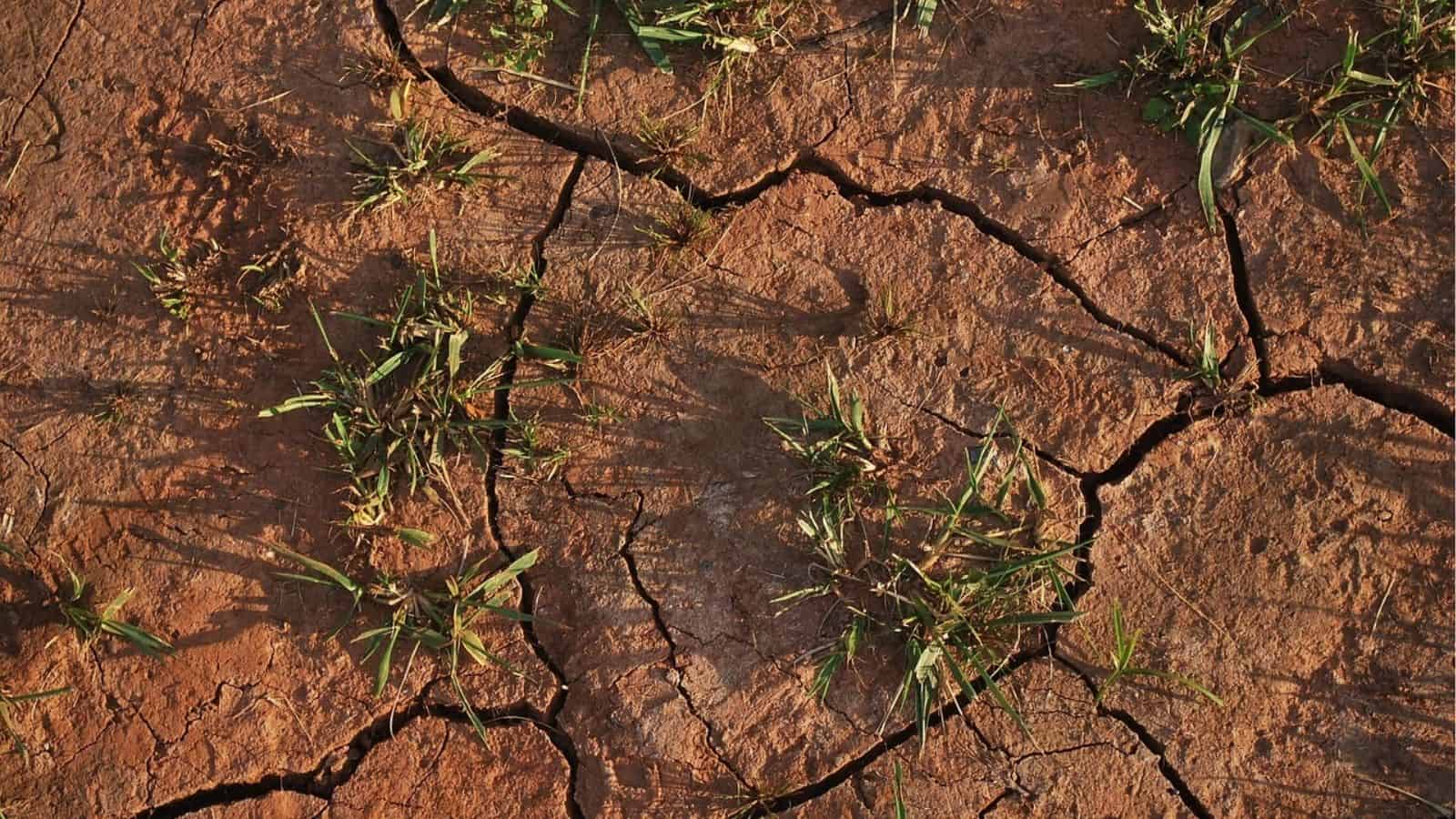
    Dry, cracked soil with patches of green grass growing in between the fissures.
    Photo Credit: PublicDomainPictures/Pixabay

    Check the soil around your plants—if it’s pulling away from the edges of pots or cracking open in garden beds, it’s probably parched. Dry soil struggles to retain moisture and may need a deep, slow soak to rehydrate properly.

    Leaf Curling or Rolling
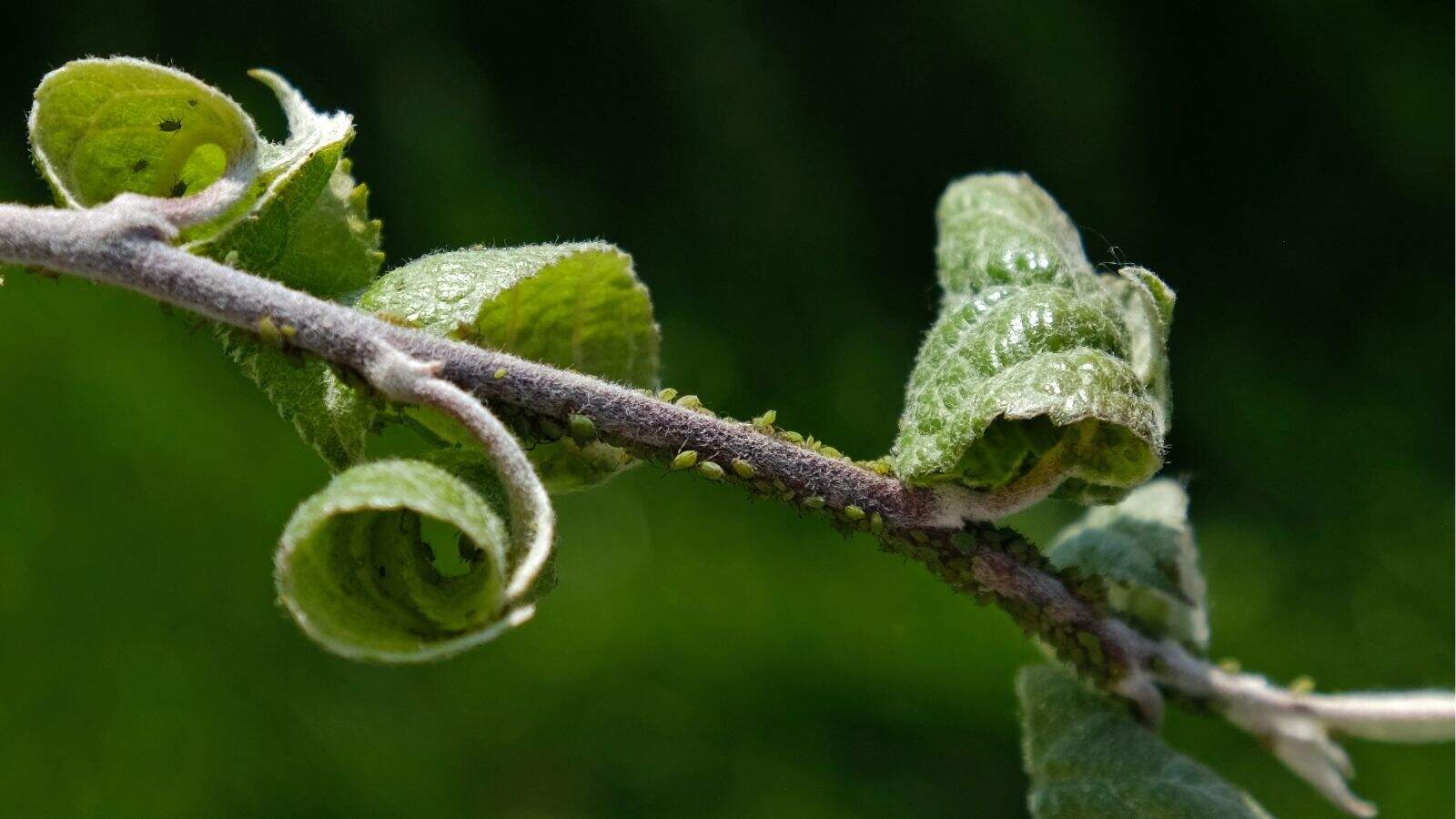
    Close-up of a plant stem with curled green leaves and small green aphids clustered along the stem, against a blurred green background.
    Photo Credit: JulieStar/Envato

    Leaves that curl inward or appear shriveled are often trying to conserve water. This stress response is common in vegetables like tomatoes and peppers. A consistent watering routine can help prevent further damage.

    Brown or Crispy Edges

    Two green oak leaves with brown, dried edges and tips, displayed on a white background.
    Photo Credit: homydesign/Envato

    When leaves start browning at the tips or edges, your plant might be drying out. It’s especially common in container plants exposed to lots of sun. Increase watering frequency or provide shade during the hottest hours.

    Slow or Stunted Growth
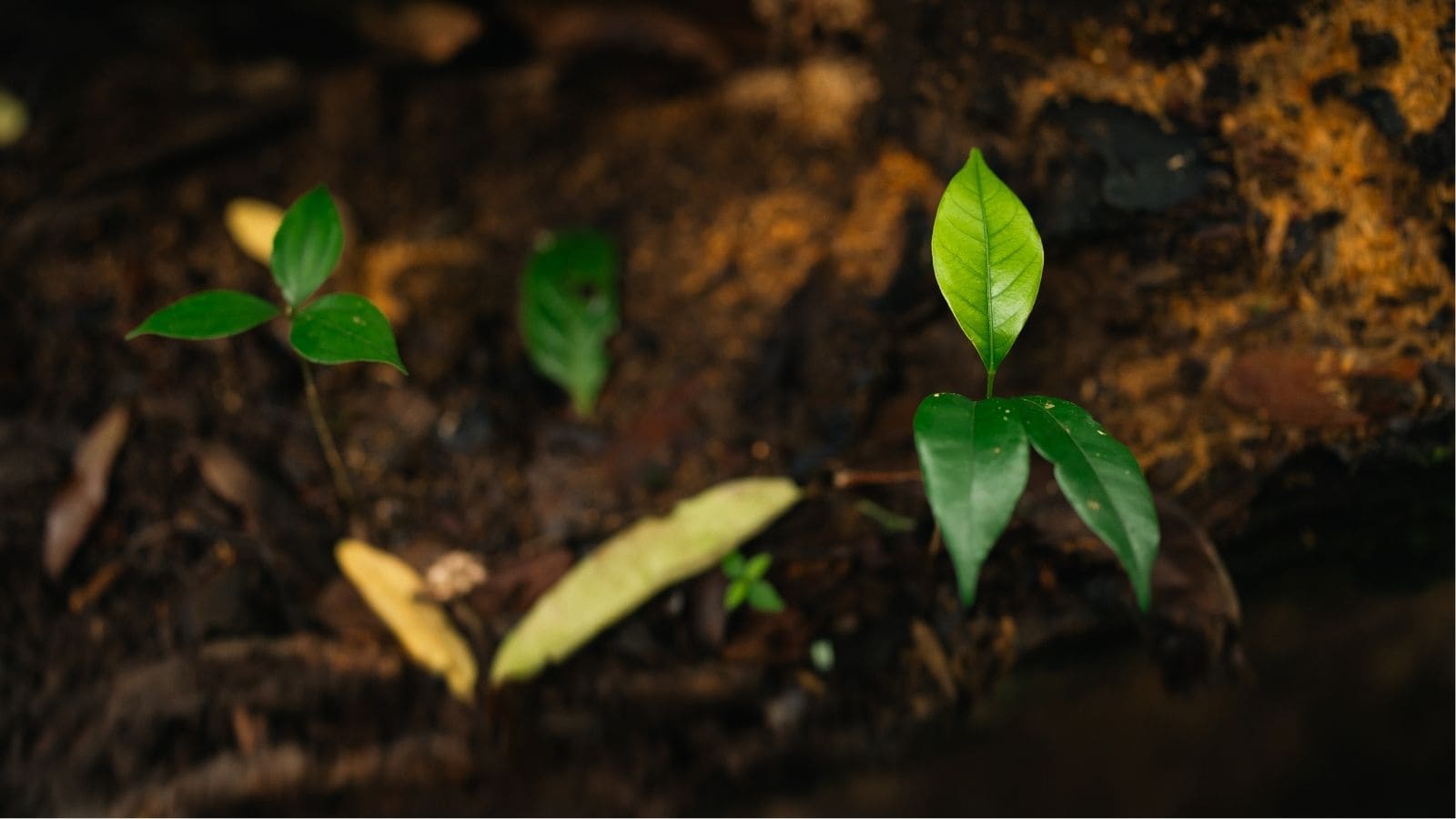
    Three small green plants with broad leaves growing from dark, damp soil, surrounded by fallen brown leaves in a natural outdoor setting.
    Photo Credit: ckstockphoto/Envato

    If your plants seem stuck in place, lack of water could be the reason. Roots need moisture to absorb nutrients, so dry soil can halt growth altogether. Regular, deep watering can get them back on track.

    Flower Drop or Poor Blooming
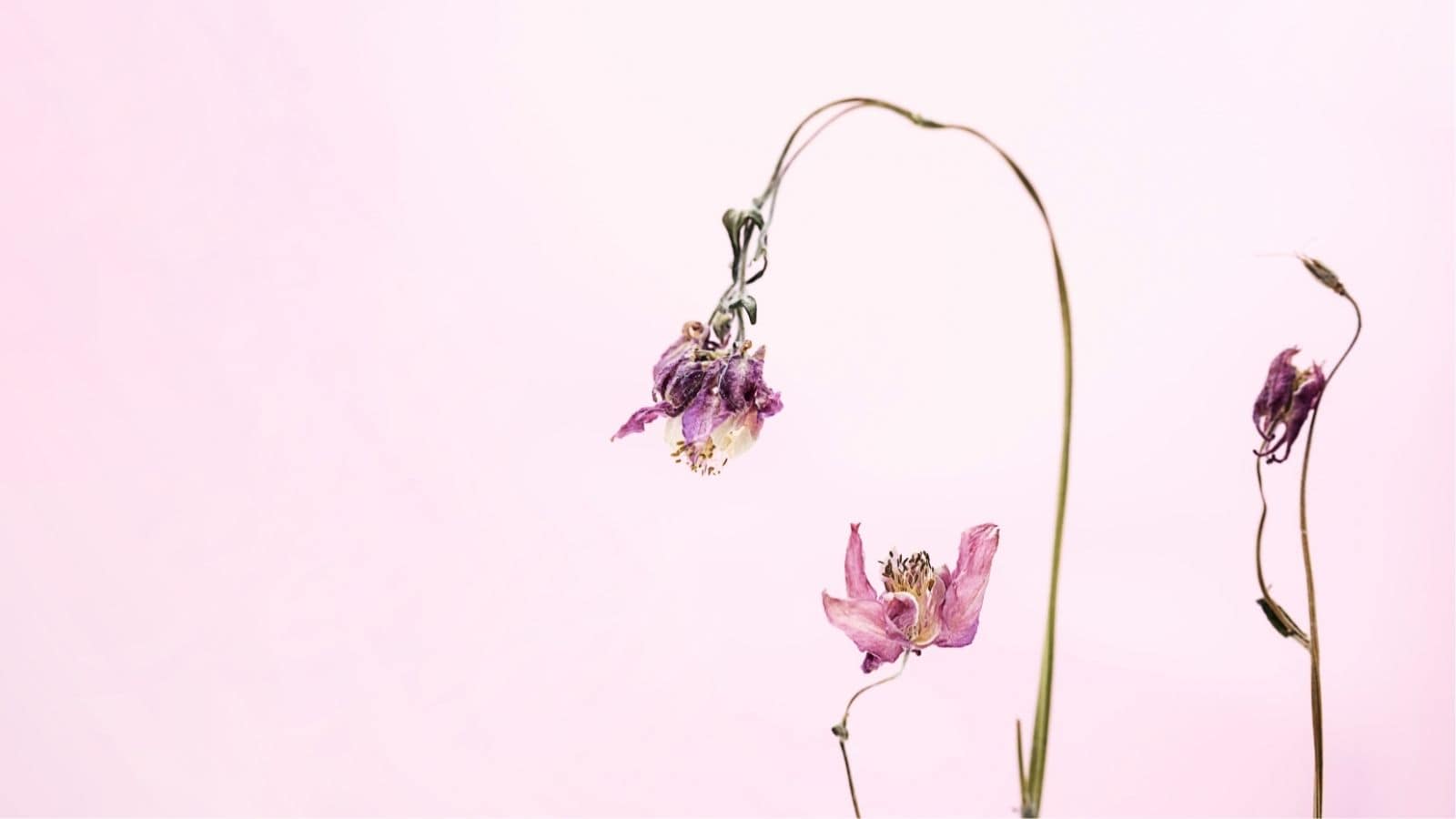
    Two wilted pink flowers with thin stems against a pale pink background.
    Photo Credit: zhenny-zhenny/Envato

    Are your flowers falling off before they open? A thirsty plant will often sacrifice blooms to conserve energy. Keep soil evenly moist to encourage healthy flowering and prevent stress-related drop-off.

    Yellowing Leaves
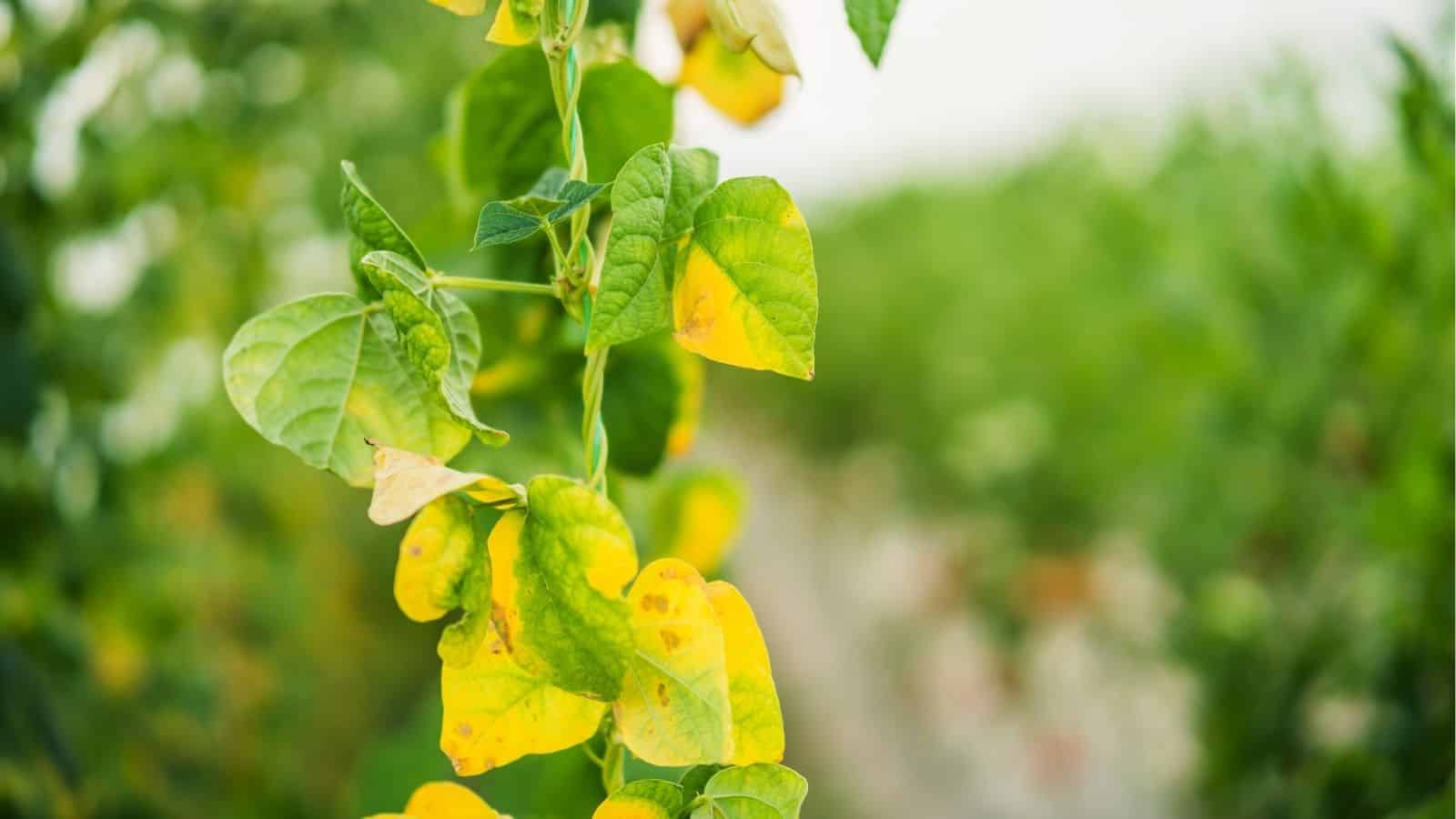
    A plant with several leaves showing yellow discoloration and brown spots, likely indicating a nutrient deficiency or disease, with a blurred green background.
    Photo Credit: djoronimo/Envato

    Yellow leaves can signal multiple issues—but when paired with dry soil, thirst is likely the cause. Focus on deep, infrequent watering to avoid shallow roots and help the plant recover.

    Hard or Compact Soil
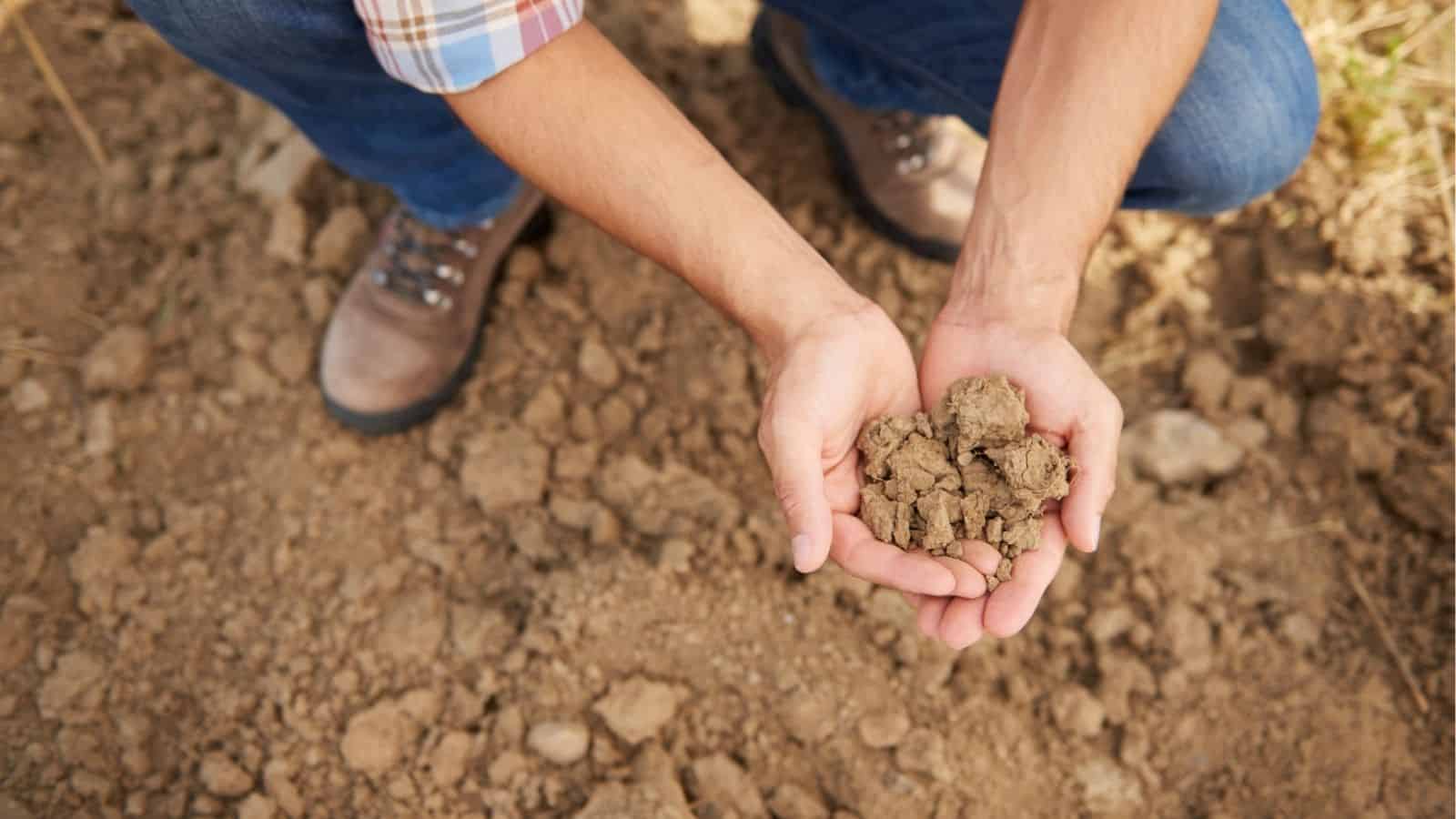
    A person holds a handful of dry soil while kneeling on the ground, with dirt and their boots visible in the background.
    Photo Credit: westend61/Envato

    Dry soil often becomes compacted, making it difficult for water to penetrate. If your soil feels like concrete, it may need more than a surface sprinkle. Try slow watering or adding organic matter to improve absorption.

    Lightweight Pots

    A person in a plaid shirt holds a white tray with six small potted plants in a greenhouse or nursery setting.
    Photo Credit: monkeybusiness/Envato

    Pick up your potted plants—if they feel unusually light, the soil inside is probably dry. Moist soil weighs more, so this is a quick way to check hydration levels. Water thoroughly until it drains from the bottom.

    Increased Pest Problems
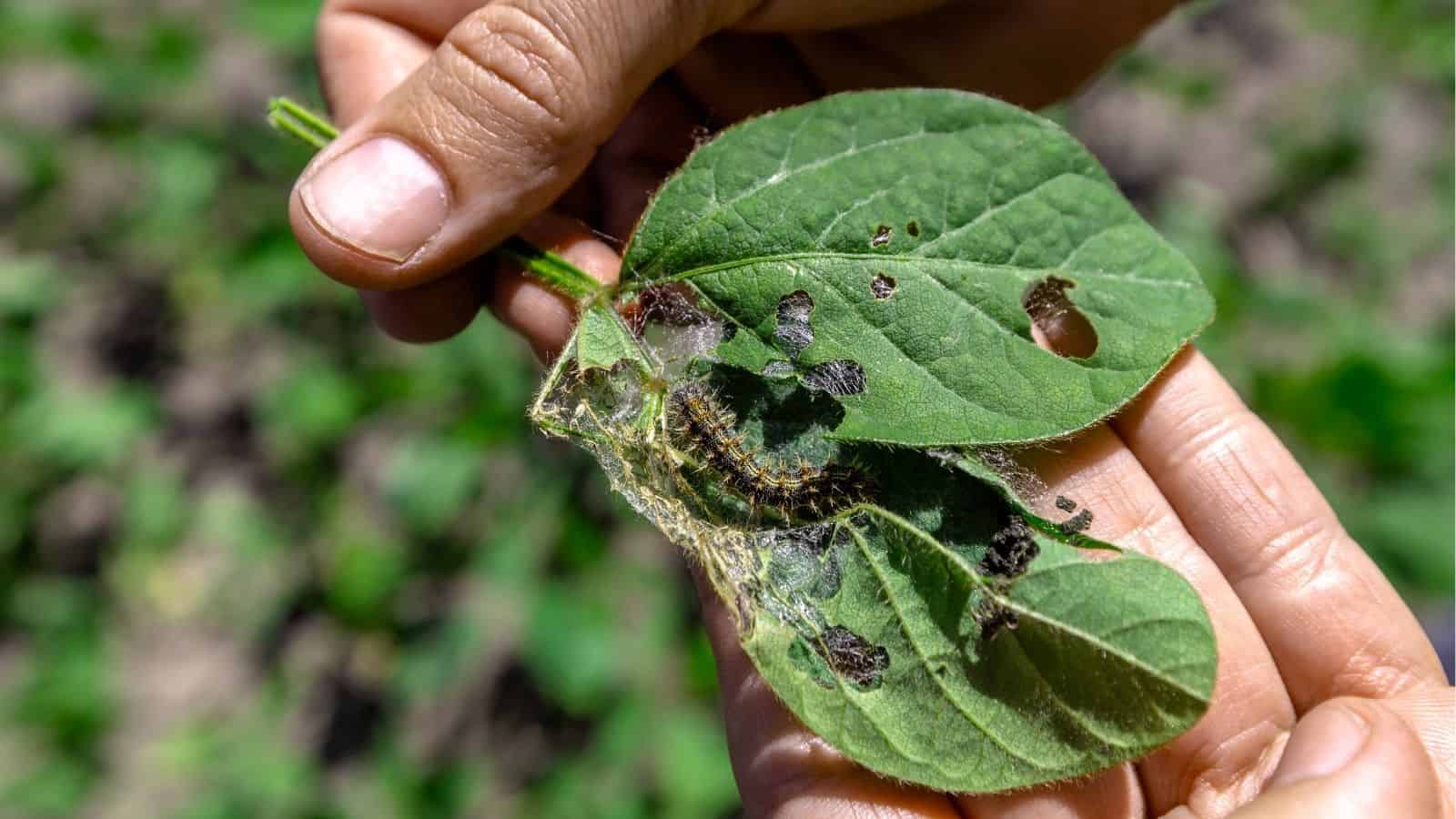
    A person holds two green leaves damaged by holes, with a caterpillar and webbing visible on the surface.
    Photo Credit: seyfutdinovaolga/Envato

    Struggling plants are more prone to pests like spider mites and aphids. Dehydration weakens their natural defenses, making them easier targets. Healthy, well-watered plants are more likely to resist infestations.

    Leaves Falling Prematurely

    A potted plant with green leaves and some brown, wilted leaves against a white background.
    Photo Credit: serezniy/Envato

    When plants start shedding leaves early, they may be trying to reduce surface area and conserve water. This can happen in shrubs, trees, and even vegetables. Adjust your watering schedule to prevent further loss.

    Spotting early signs of garden thirst can prevent lasting damage. If something looks off, your plants might just need a drink.

    More Trending

    • Four inflatable holiday decorations, including a reindeer, dog, snowman, and another animal, are displayed on the lawn in front of two brick houses with wreaths on the doors.
      15 simple outdoor improvements that boost curb appeal before spring
    • A man wearing protective workwear and gloves kneels while working in a landscaped garden near concrete steps outside a modern building.
      15 garden planning mistakes beginners can easily avoid
    • Four tins with rosemary and thyme infused in them.
      15 easy apothecary-inspired projects to make at home
    • A young woman in a brown sweater holds a small Christmas tree against a green background, smiling at the camera.
      15 fragrant evergreens to use in natural seasonal décor

    About Kristen Wood

    Kristen is a plant lover, gardener, certified functional nutritional expert, cookbook author, writer, and photographer. Her work has been featured in many online and print publications including Willow & Sage Magazine, Forbes, NBC, New York Daily News, Healthline, MSN, Elle, Yoga Journal, and many more. She is also a syndicated writer for The Associated Press.

    Reader Interactions

    Comments

    No Comments

    Leave a Reply Cancel reply

    Your email address will not be published. Required fields are marked *

    Recipe Rating


    Primary Sidebar

    A close up of a woman's face in the sun, radiating with the gentle glow of schisandra and bergamot home.

    About Kristen Wood

    Kristen is a plant lover, gardener, certified functional nutritional expert, cookbook author, writer, and photographer. Her work has been featured in many online and print publications including Willow & Sage Magazine, Forbes, NBC, New York Daily News, Healthline, MSN, Elle, Yoga Journal, and many more. She is also a syndicated writer for The Associated Press.

    Learn more about me →

    Herb of the Day

    Meet today’s featured herb with gentle kitchen ideas, botanical notes, folklore, and a quiet reflection to take with you.

    Explore Today’s Herb

    Follow us!

    Footer

    ↑ back to top

    About

    • Privacy Policy
    • Google Web Stories
    • Accessibility Statement
    • Disclaimer

    Newsletter

    • Sign up for our newsletter to receive our latest posts!

    Contact

    • Contact

    Copyright © 2025 Schisandra & Bergamot
    Disclaimer: As An Amazon Associate I Earn From Qualifying Purchases.

    Herb of the Day

    Discover today’s featured herb with simple kitchen ideas, botanical notes, folklore, and a reflective message.

    Explore
    14 shares