
• Skip to main content
  • Skip to primary sidebar

Schisandra & Bergamot logo

menu icon
go to homepage
  • Index
  • Subscribe
  • About
  • Contact
  • Videos
    • Facebook
    • Instagram
    • Pinterest
  • subscribe
    search icon
    Homepage link
    • Index
    • Subscribe
    • About
    • Contact
    • Videos
    • Facebook
    • Instagram
    • Pinterest
  • ×
    Home » Trending

    Published: Oct 10, 2025 by Kristen Wood · This post may contain affiliate links. If you make a purchase through links on our site, we may earn a commission. ·

    10 Composting Tips I Wish I Knew Sooner

    13 shares
    • Facebook
    • Reddit

    Composting sounds simple—just toss in food scraps and yard waste, right? I thought so too, until I learned that a few small adjustments can make a big difference. The right balance of materials, moisture, and airflow can turn waste into rich, crumbly compost in record time.

    If you’ve ever struggled with a smelly pile or slow decomposition, these tried-and-true tips will help. They’re easy to follow, beginner-friendly, and guaranteed to make your composting experience smoother and more rewarding.

    Balance Greens and Browns

    A pile of composting organic waste, including fruit and vegetable peels, sits next to green and brown yard debris.
    Photo Credit: uladzimirz/Envato

    Getting the right mix is key. Greens (like food scraps and grass clippings) add nitrogen, while browns (like dried leaves and paper) add carbon. Aim for about two parts brown to one part green for best results.

    Chop Materials Small

    Person scraping vegetable scraps from a cutting board into a compost bin on a kitchen counter, surrounded by fresh vegetables and seasonings.
    Photo Credit: Wavebreakmedia/Envato

    The smaller the pieces, the faster they break down. Shredding leaves, cutting up veggie scraps, or mulching twigs helps speed up the composting process.

    Keep It Moist—Not Wet

    A person places food scraps into a large wooden compost bin filled with various fruit and vegetable peels.
    Photo Credit: Aaaarianne/Envato

    Your compost should feel like a damp sponge. Too dry, and decomposition slows; too wet, and it can start to smell. A light mist with a hose now and then keeps things balanced.

    Turn the Pile Regularly

    An adult and child transfer soil with a shovel at an outdoor compost bin, surrounded by greenery.
    Photo Credit: halfpoint/Envato

    Aeration is crucial. Turning your compost every week or two introduces oxygen that helps microbes do their job faster and prevents odor buildup.

    Avoid Adding Certain Items

    A person empties a bucket of food scraps and vegetable waste into a green outdoor compost bin.
    Photo Credit: medialensking/Envato

    Skip meat, dairy, oily foods, and diseased plants—they attract pests and cause unpleasant smells. Stick to fruit peels, vegetable scraps, coffee grounds, and garden trimmings.

    Use a Compost Bin with Air Holes

    Three compost bins, two made of wood and one made of metal mesh, are filled with organic waste and garden materials on a grassy lawn.
    Photo Credit: Antranias/Pixabay

    Proper airflow makes a big difference. A bin with vents or holes allows oxygen to circulate, helping everything break down evenly.

    Add Soil or Finished Compost

    A hand holding a green trowel scoops dark soil from a planter box.
    Photo Credit: Daria_Nipot/Envato

    A scoop of soil or old compost adds beneficial microbes that jump-start the decomposition process. It’s like giving your pile a healthy starter culture.

    Keep It Covered
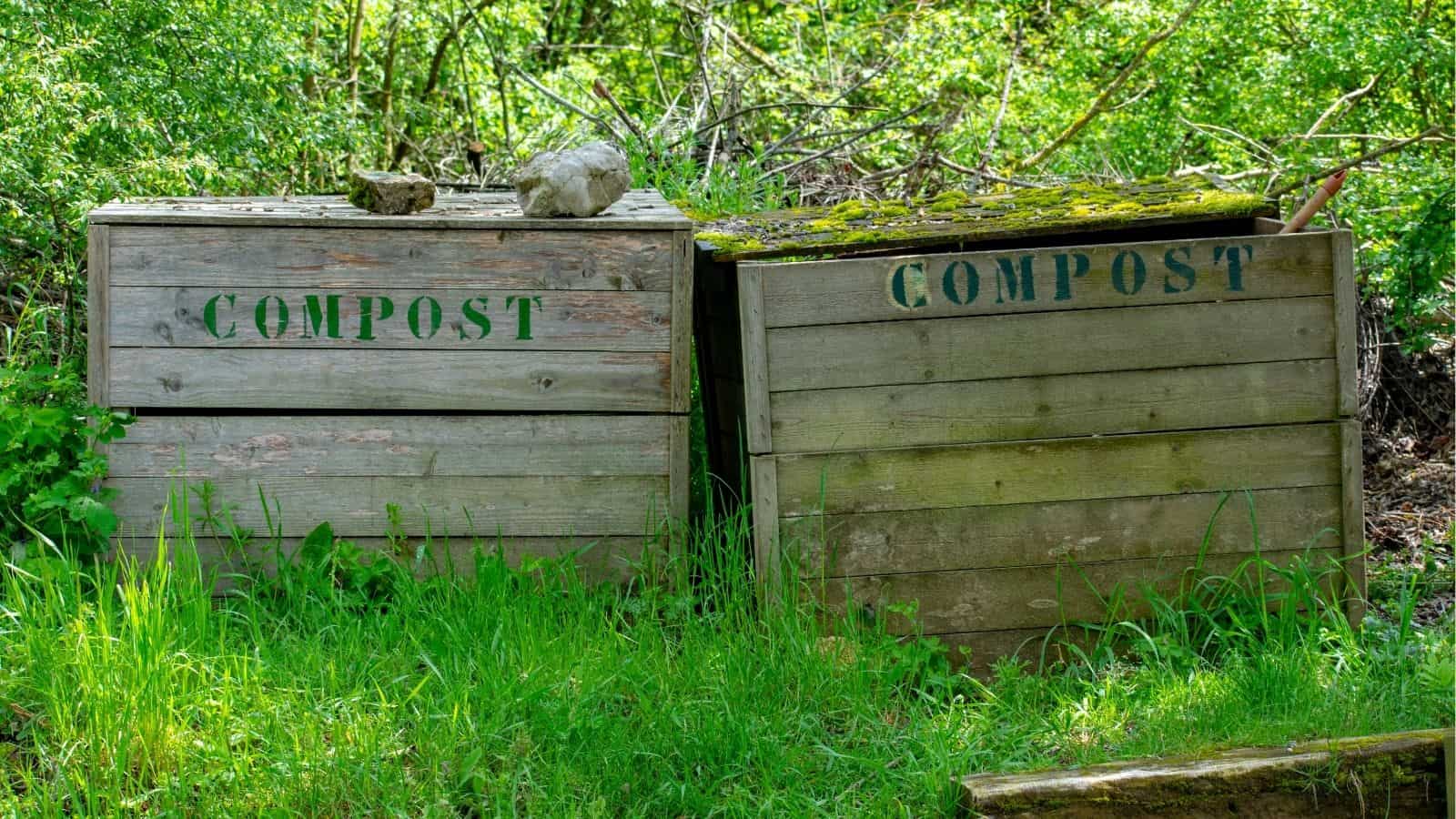
    Two wooden compost bins with the word "COMPOST" stenciled on the front, set outdoors among grass and greenery.
    Photo Credit: eline-bouwman/Envato

    Covering your pile helps retain moisture and heat while keeping pests out. Use a tarp, compost lid, or even a layer of straw to seal things in.

    Be Patient with the Process

    Two people stand outdoors by a wooden compost bin; one holds a clump of plants, the other places materials into a basket. Trees and greenery surround them.
    Photo Credit: RossHelen/Envato

    Composting takes time—usually a few months, depending on your climate and materials. Don’t worry if it looks slow at first; the microbes are working behind the scenes.

    Sift Before Using
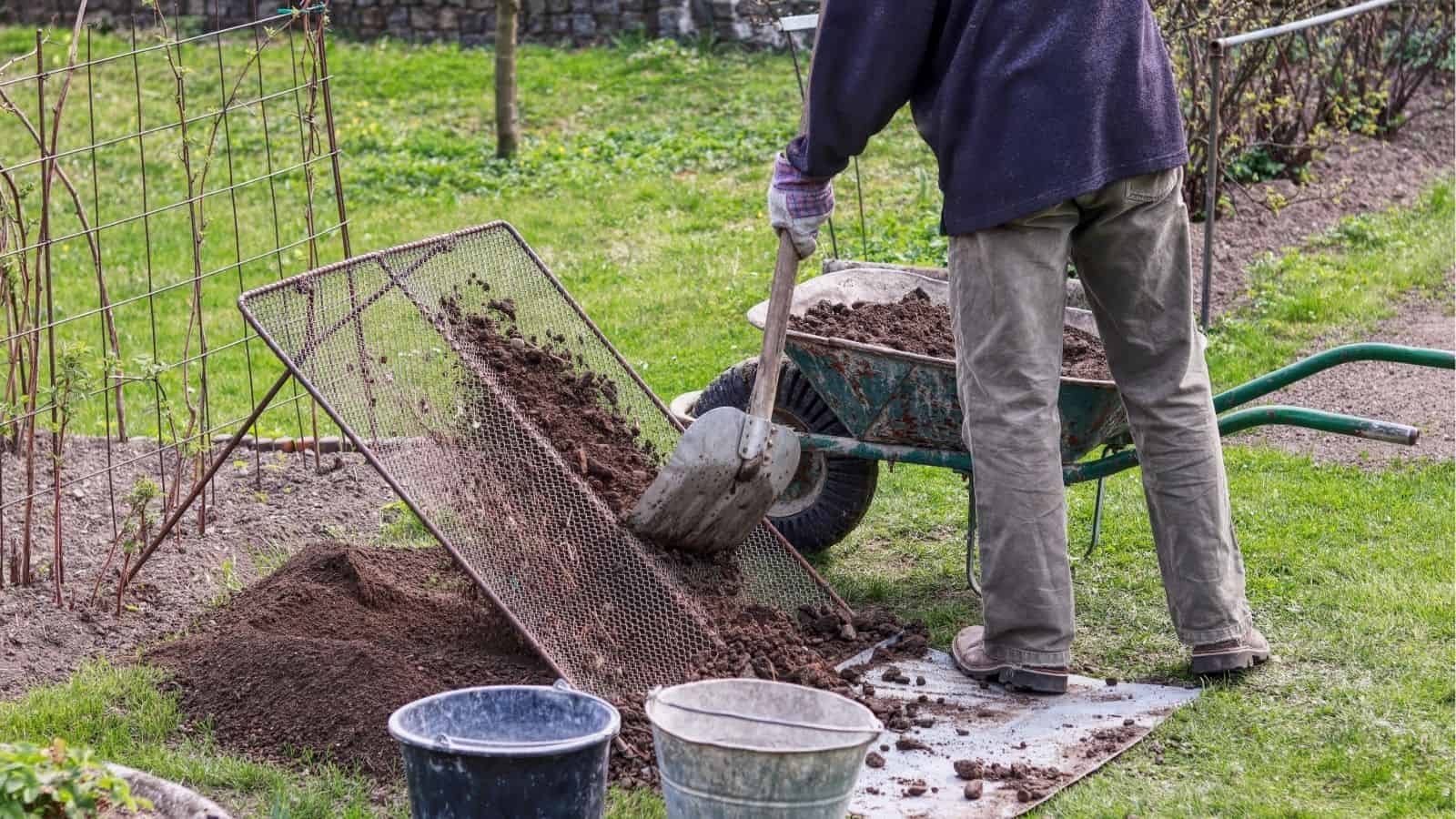
    A person uses a shovel to sift soil through a wire mesh into a wheelbarrow in a garden, with buckets nearby.
    Photo Credit: V.Sonnek.seznam.cz/Deposit Photos

    When your compost is dark, crumbly, and earthy-smelling, it’s ready. Sift it through a mesh screen to remove any large bits, and use the fine compost in your garden beds or pots.

    Once you get the hang of it, composting becomes second nature—and incredibly rewarding. These small tweaks can help you avoid common mistakes and create nutrient-rich soil your plants will love. With every batch, you’ll be turning everyday scraps into something truly valuable for your garden.

    More Trending

    • A wooden bowl filled with brown sugar, perfect for a DIY body polish recipe, sits on a wooden surface with a wooden scoop inside. Nearby, oat flakes are scattered artfully.
      15 autumn-inspired scrubs and exfoliants made at home
    • A woman in a blue coat sits on a metal fence holding autumn leaves, with yellow-leaved trees and a street in the background.
      15 autumn garden rituals that feel grounding
    • Person sorting items for a swap event at home, with a sign reading "SWAP not SHOP" and various household items and clothes on tables.
      15 gentle, low-waste swaps for a more mindful home
    • A ceramic bowl filled with a mixture of coarse salt, dried rosebuds, and berries, with a wooden scoop resting on the edge.
      15 homemade skincare ideas that feel gentle and nourishing

    About Kristen Wood

    Kristen is a plant lover, gardener, certified functional nutritional expert, cookbook author, writer, and photographer. Her work has been featured in many online and print publications including Willow & Sage Magazine, Forbes, NBC, New York Daily News, Healthline, MSN, Elle, Yoga Journal, and many more. She is also a syndicated writer for The Associated Press.

    Reader Interactions

    Comments

    No Comments

    Leave a Reply Cancel reply

    Your email address will not be published. Required fields are marked *

    Recipe Rating


    Primary Sidebar

    A close up of a woman's face in the sun, radiating with the gentle glow of schisandra and bergamot home.

    About Kristen Wood

    Kristen is a plant lover, gardener, certified functional nutritional expert, cookbook author, writer, and photographer. Her work has been featured in many online and print publications including Willow & Sage Magazine, Forbes, NBC, New York Daily News, Healthline, MSN, Elle, Yoga Journal, and many more. She is also a syndicated writer for The Associated Press.

    Learn more about me →

    Follow us!

    Footer

    ↑ back to top

    About

    • Privacy Policy
    • Google Web Stories
    • Accessibility Statement
    • Disclaimer

    Newsletter

    • Sign up for our newsletter to receive our latest posts!

    Contact

    • Contact

    Copyright © 2025 Schisandra & Bergamot
    Disclaimer: As An Amazon Associate I Earn From Qualifying Purchases.

    13 shares