

Composting might seem straightforward, but there’s a real art to turning kitchen scraps and yard waste into nutrient-rich soil. When I first started, I made plenty of mistakes—like adding the wrong materials or letting my pile dry out. Over time, I discovered a few game-changing tricks that made the process smoother and much more rewarding.
These composting tips are perfect whether you’re a beginner or someone who’s been at it for a while but wants better results. With the right balance, timing, and know-how, you’ll have a thriving compost pile that feeds your garden and reduces waste.
Balance Greens and Browns

Jump to a Section
A healthy compost pile needs the right mix of nitrogen-rich “greens” (like veggie scraps and coffee grounds) and carbon-rich “browns” (like leaves and cardboard). Aim for about 2–3 parts browns to 1 part greens. This ratio prevents smells and keeps the pile breaking down quickly.
Chop Before You Drop

Breaking scraps into smaller pieces helps them decompose faster. Instead of tossing in whole banana peels or large sticks, cut or shred them. The extra effort pays off with quicker, finer compost.
Keep It Moist, Not Wet

Compost needs moisture, but too much water can turn it slimy. Think of it like a wrung-out sponge—damp, but not dripping. If your pile is too dry, add water or fresh scraps; if too wet, mix in shredded paper or dry leaves.
Turn It Regularly
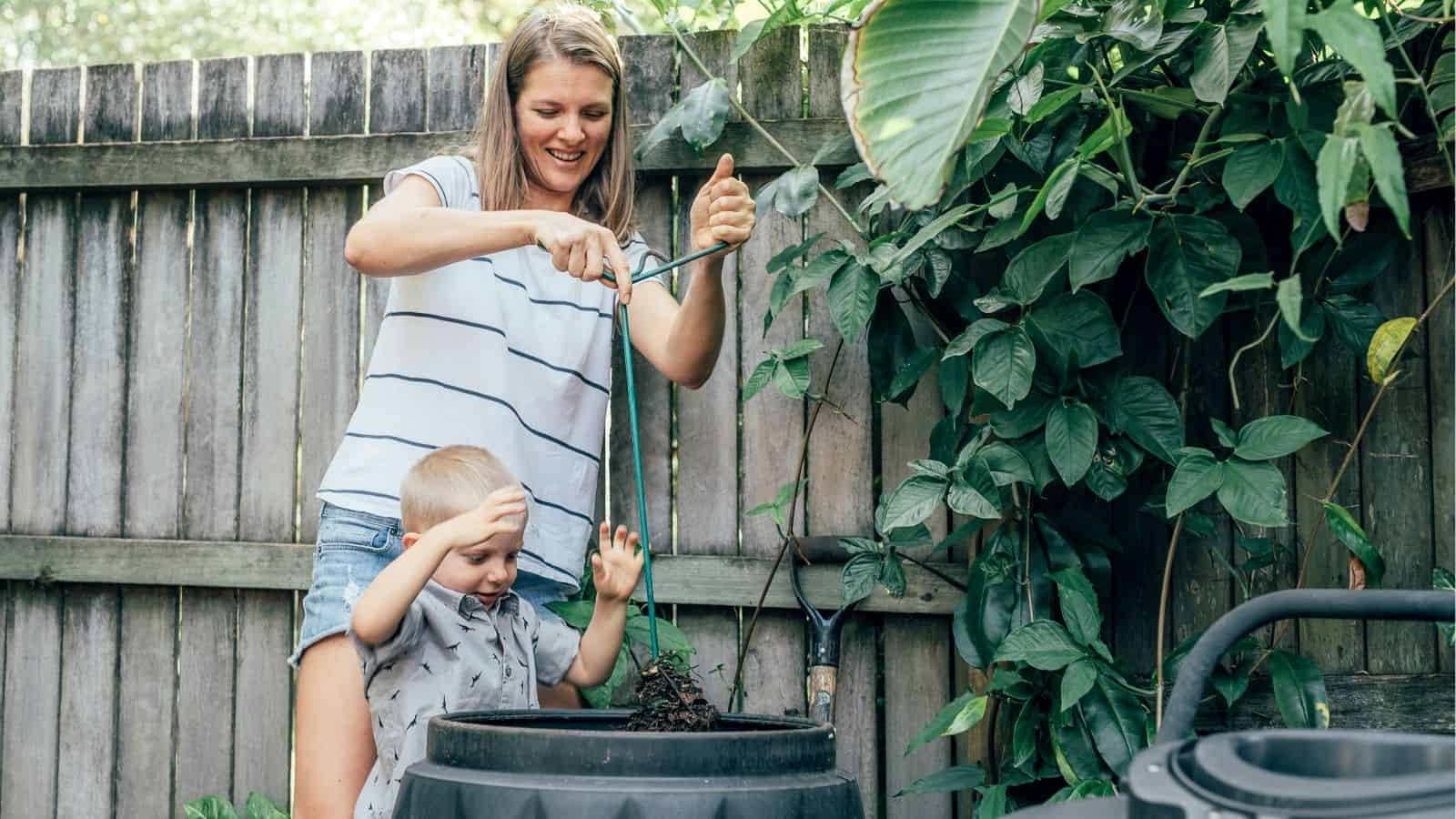
Oxygen is key to keeping your compost alive and active. Turning your pile every week or two speeds up decomposition and keeps odors at bay. Even just fluffing it with a pitchfork makes a big difference.
Avoid Adding Certain Foods

Meat, dairy, and oily foods can attract pests and create a bad smell. Stick to plant-based scraps, eggshells, coffee grounds, and yard waste for a safe and healthy pile.
Layer for Success

Instead of dumping everything in, try layering browns and greens. This helps distribute materials evenly and prevents clumps. A simple alternating system keeps your pile balanced without much effort.
Use a Compost Thermometer

Heat is a good sign—your compost is cooking! A compost thermometer helps you know when your pile is active. If it cools down, give it a turn or add fresh greens to kickstart the process.
Watch Out for Weeds

Avoid adding weeds that have gone to seed, or you might end up spreading them in your garden later. Stick to non-seeding plant waste or make sure your pile gets hot enough to kill them off.
Keep a Countertop Bin Handy
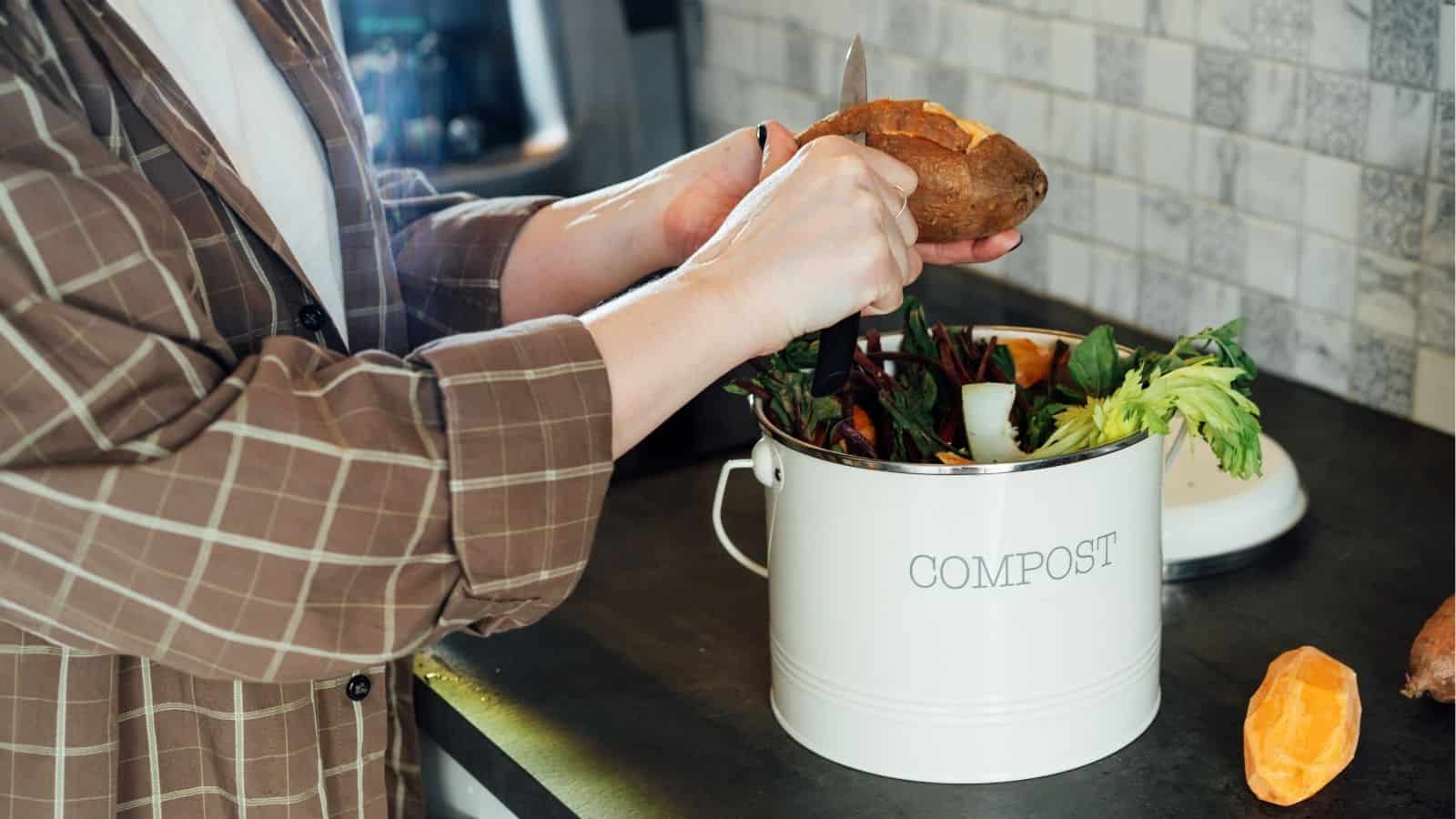
Having a small bin in your kitchen makes collecting scraps easy. Empty it into your compost regularly to avoid smells indoors. This little habit ensures you don’t miss out on valuable greens.
Patience Pays Off

Composting isn’t instant—it can take a few months to a year, depending on conditions. Don’t rush it; the reward is dark, crumbly compost that your plants will love. Once you see the results, you’ll know it was worth the wait.
Composting is one of the simplest ways to give back to your garden while cutting down on household waste. With these 10 tips, you’ll be set up for success and enjoy healthier soil in no time. Start small, stay consistent, and let nature do the work.



Comments
No Comments