
• Skip to main content
  • Skip to primary sidebar

Schisandra & Bergamot logo

menu icon
go to homepage
  • Index
  • Subscribe
  • About
  • Contact
  • Daily Herb
    • Facebook
    • Instagram
    • Pinterest
  • subscribe
    search icon
    Homepage link
    • Index
    • Subscribe
    • About
    • Contact
    • Daily Herb
    • Facebook
    • Instagram
    • Pinterest
  • ×
    Home » DIY Natural Cleaning Product Recipes

    Published: Jan 29, 2025 by Kristen Wood · This post may contain affiliate links. If you make a purchase through links on our site, we may earn a commission. ·

    DIY Wooden Cutting Board Polish with Coconut Oil

    52 shares
    • Facebook
    • Reddit
    Skip to Full DIY | Pin This DIY
    Jar of polish with a cloth next to scattered seeds on a wooden surface. Text reads "DIY Wooden Cutting Board Polish.

    Give your cutting board the care it deserves with this easy DIY cutting board oil recipe! Using just three organic ingredients, it’s quick to make, affordable, and perfect for keeping your board food-safe and looking its best. 

    Top view of an open glass jar with a creamy substance, set on a wooden surface. Brown crumbs are scattered around the jar.

    As a chef, caring for my wooden cutting boards has always been a priority. When I realized how expensive and full of mystery ingredients most store-bought oils were, I created my own natural solution. This DIY cutting board oil gives me peace of mind, knowing exactly what I put on my food prep surfaces. Give this recipe a try and keep your boards looking gorgeous, lasting longer, and staying food-safe for all your kitchen adventures!   

    A jar of cream with a cloth draped over it rests on a polished wooden surface, reminiscent of a cutting board. Nearby are small scattered pieces resembling seeds or nuts.

    Why You’ll Love This DIY Cutting Board Oil

    • It’s so simple to make at home.
    • You won’t find any chemicals here since you’re using a blend of all-natural ingredients.
    • It’s non-toxic and food-safe.  
    • It’s usable on other wooden kitchen utensils (like wooden spoons) and even butcher blocks. 
    • Using it can also enhance the natural appearance of your wooden board. 
    • The oil penetrates the wood's surface, filling the tiny pores and creating a protective barrier, making the board water-resistant. This can prevent warping, cracking, or bacteria buildup over time.
    A small, round glass jar filled with creamy white cutting board polish sits on a wooden surface, with scattered nuts nearby.

    Ingredient Notes

    Coconut Oil: Provides protection, hydration, and nourishment to the wooden board by penetrating its pores to restore moisture, preventing them from drying out. Use refined or MCT oil for best results.

    Beeswax: Complements the coconut oil by helping seal the moisture on the cutting board's surface while protecting it from stains, juices, and water damage. Yellow, white, grated, pellets — it all works!

    HERB OF THE DAY · Explore today’s herb →

    Lemon Essential Oil: Adds antimicrobial and antibacterial properties to the polish, which helps keep your cutting board hygienic. It also helps deodorize the wood, leaving a fresh and clean-smelling scent.  

    A small glass jar filled with a creamy substance sits on a wooden surface, resembling a cutting board. Nearby, scattered seeds and a piece of white cloth complete the rustic scene.

    How To Make The Best Cutting Board Oil

    1. Using a double boiler, melt the coconut oil and beeswax over gentle heat until fully liquefied, about 1-2 minutes.
    2. Take off the heat and mix in the essential oil.
    3. Transfer the melted mixture into a small jar and let it cool until solid. Keep stored at room temperature.
    A glass jar of creamy, off-white lotion crafted as a cutting board polish sits on a wooden surface next to some scattered small brown nuts and a white cloth.

    How To Use Wooden Cutting Board Polish

    Rub a small amount of polish onto a clean, dry cutting board. Let it sit for a few minutes, then buff it with a clean cloth.

    A jar of liquid with a white cloth on top, set on a polished wooden surface, surrounded by scattered dried petals.

    Top Tips

    • When making this recipe, organic fractionated coconut oil (or MCT oil) is among the best oils to use as an ingredient, as it is suitable for conditioning wood. You can also use refined or unrefined coconut oil, mineral oil, walnut oil, linseed oil, 100% pure tung oil, jojoba oil, or grapeseed oil.  
    • Don’t use unrefined coconut oil or other vegetable oils like canola, sunflower oil, or olive oil, as these may undergo rancidification quickly, leading to bacterial growth.
    • Don’t use synthetic fragrance oils instead of essential oils, as they may not be suitable for food contact.    
    • Aside from a clean cloth, you can also use a paper towel when applying the oil, as it will help evenly distribute the polish over the board’s surface.
    • Buffing the board 15-20 minutes after applying the polish will help remove any excess oil and help it achieve a non-sticky finish.    
    • Polish your wooden cutting boards at least once a month, or whenever the wood starts appearing dry or cracked, to help keep them well-maintained and protected. 
    A jar of liquid covered with a cloth sits serenely on a wooden surface, gleaming near scattered nuts, reminiscent of a well-polished cutting board.

    Storage

    Keep your DIY cutting board oil in a sealed container and place it in a cool, dark place. Don’t store it near heat and light sources, which may lead to the breakdown of oils and wax. It should last for several months when stored this way.

    If the cutting board oil starts smelling off or rancid, discard it immediately. 

    You Might Also Love These DIY Projects

    DIY Scented Beeswax Fire Starters

    Yarrow Infused Oil

    Easy Black Walnut Bitters Recipe

    Top view of an open glass jar with a creamy substance, set on a wooden surface. Brown crumbs are scattered around the jar.
    Print Pin
    No ratings yet

    DIY Wooden Cutting Board Polish with Coconut Oil

    This simple homemade cutting board polish nourishes and protects wood, leaving it smooth, refreshed, and naturally conditioned.
    Prep Time: 5 minutes mins
    Active Time: 2 minutes mins
    Cooling Time: 1 hour hr
    Total Time: 1 hour hr 7 minutes mins
    Yield: 4 ounces
    Author: Kristen Wood
    Cost: $1

    Equipment

    • Double Boiler

    Materials

    • ½ cup coconut oil refined or MCT oil
    • ¼ cup beeswax yellow or white
    • 5 drops lemon essential oil
    US Customary - Metric

    Instructions

    • In a double boiler, combine the coconut oil and beeswax. Heat gently until fully melted, 1-2 minutes.
    • Remove from the heat and stir in the essential oil.
    • Pour the liquid polish into a small jar and allow it to cool until solid. Store at room temperature.
    • To use, rub a small amount of polish onto a clean, dry cutting board. Let it sit for a few minutes, then buff with a clean cloth.

    More DIY Natural Cleaning Product Recipes

    • Glass jar with white lavender bath salts, topped with dried lavender flowers, on a wooden surface. Dry lavender sprigs are scattered around.
      Homemade Fabric Softener Crystals Recipe
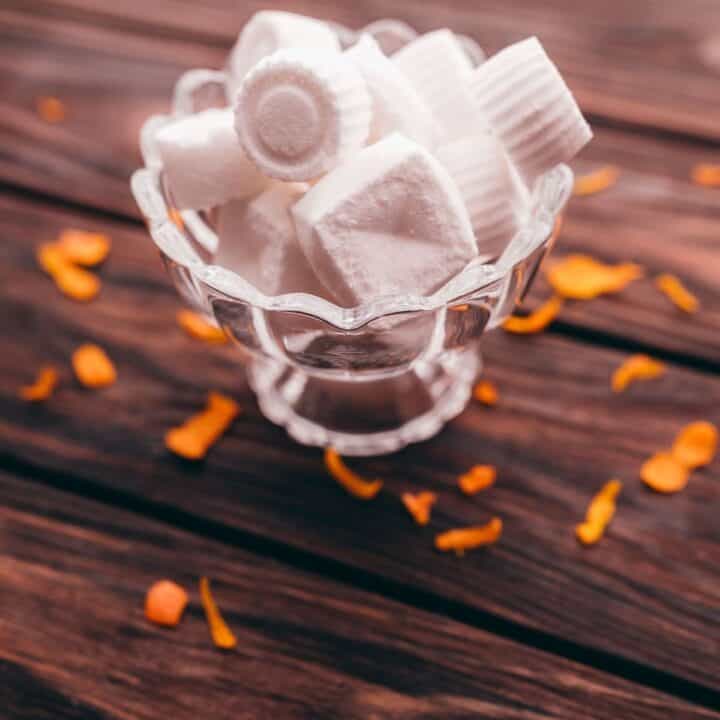
    • Glass bowl with white sugar cubes on a wooden table scattered with orange flower petals.
      DIY Citrus Fizzy Toilet Cleaning Bombs

    About Kristen Wood

    Kristen is a plant lover, gardener, certified functional nutritional expert, cookbook author, writer, and photographer. Her work has been featured in many online and print publications including Willow & Sage Magazine, Forbes, NBC, New York Daily News, Healthline, MSN, Elle, Yoga Journal, and many more. She is also a syndicated writer for The Associated Press.

    Reader Interactions

    Comments

    No Comments

    Leave a Reply Cancel reply

    Your email address will not be published. Required fields are marked *

    Recipe Rating


    Primary Sidebar

    A close up of a woman's face in the sun, radiating with the gentle glow of schisandra and bergamot home.

    About Kristen Wood

    Kristen is a plant lover, gardener, certified functional nutritional expert, cookbook author, writer, and photographer. Her work has been featured in many online and print publications including Willow & Sage Magazine, Forbes, NBC, New York Daily News, Healthline, MSN, Elle, Yoga Journal, and many more. She is also a syndicated writer for The Associated Press.

    Learn more about me →

    Herb of the Day

    Meet today’s featured herb with gentle kitchen ideas, botanical notes, folklore, and a quiet reflection to take with you.

    Explore Today’s Herb

    Follow us!

    Footer

    ↑ back to top

    About

    • Privacy Policy
    • Google Web Stories
    • Accessibility Statement
    • Disclaimer

    Newsletter

    • Sign up for our newsletter to receive our latest posts!

    Contact

    • Contact

    Copyright © 2026 Schisandra & Bergamot
    Disclaimer: As An Amazon Associate I Earn From Qualifying Purchases.

    Herb of the Day

    Discover today’s featured herb with simple kitchen ideas, botanical notes, folklore, and a reflective message.

    Explore
    52 shares

    Rate This Recipe

    Your vote:


    A rating is required
    A name is required
    An email is required