

Starting a compost pile is one of the easiest ways to reduce waste and build rich, healthy soil. But even the most well-meaning gardeners can run into issues if they’re not careful.
From funky smells to slow breakdown, many compost problems stem from a few avoidable errors. Here's what to watch out for so your pile stays active, balanced, and hassle-free.
Adding Too Much of One Thing

Jump to a Section
Compost needs balance—too many “greens” like kitchen scraps or too many “browns” like leaves can throw things off. Aim for a good mix to keep microbes happy and active.
Letting It Get Too Wet or Too Dry
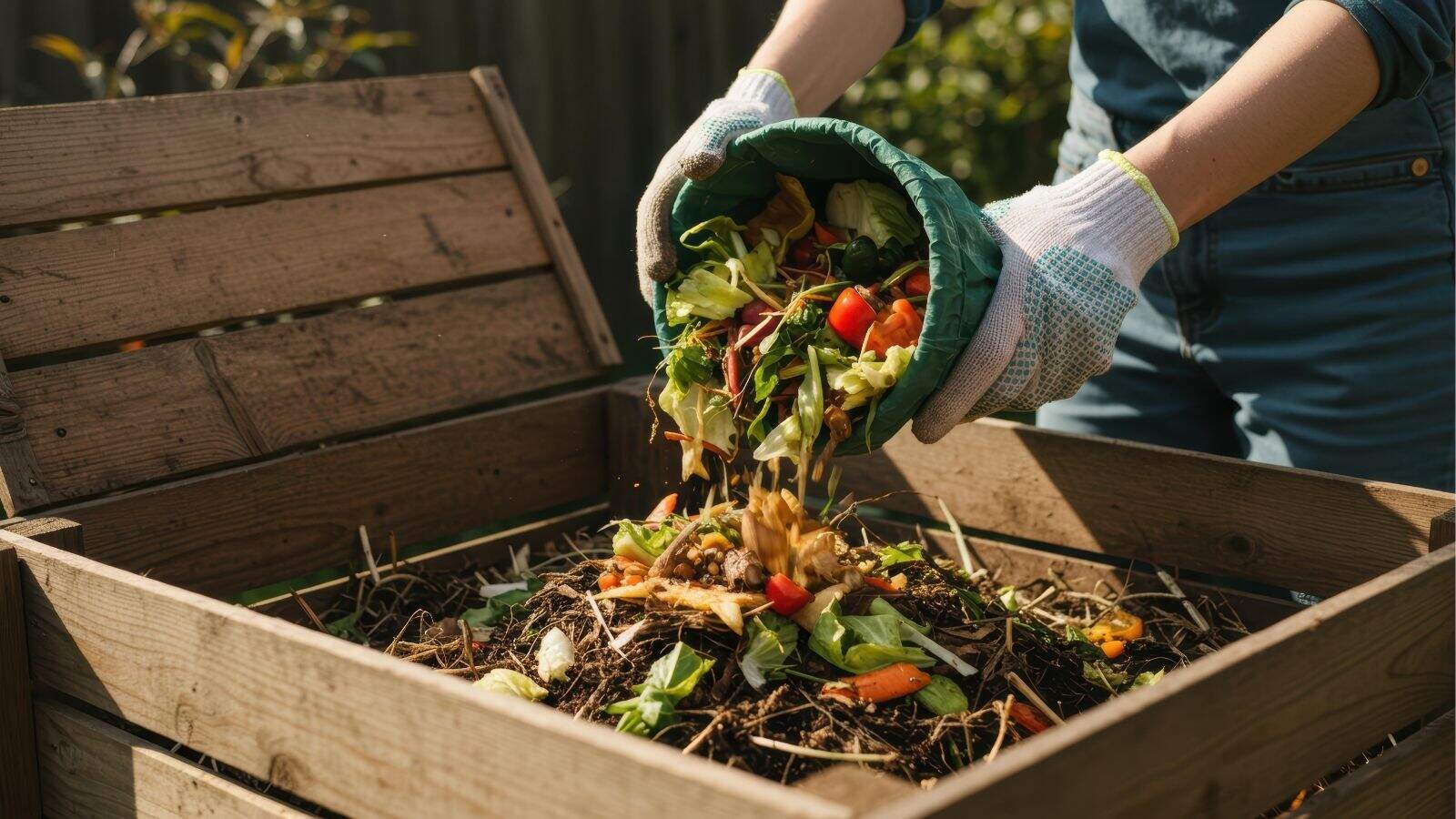
Compost should feel like a wrung-out sponge. Too dry and it won’t break down; too wet and it turns into a soggy, smelly mess.
Skipping the Turning

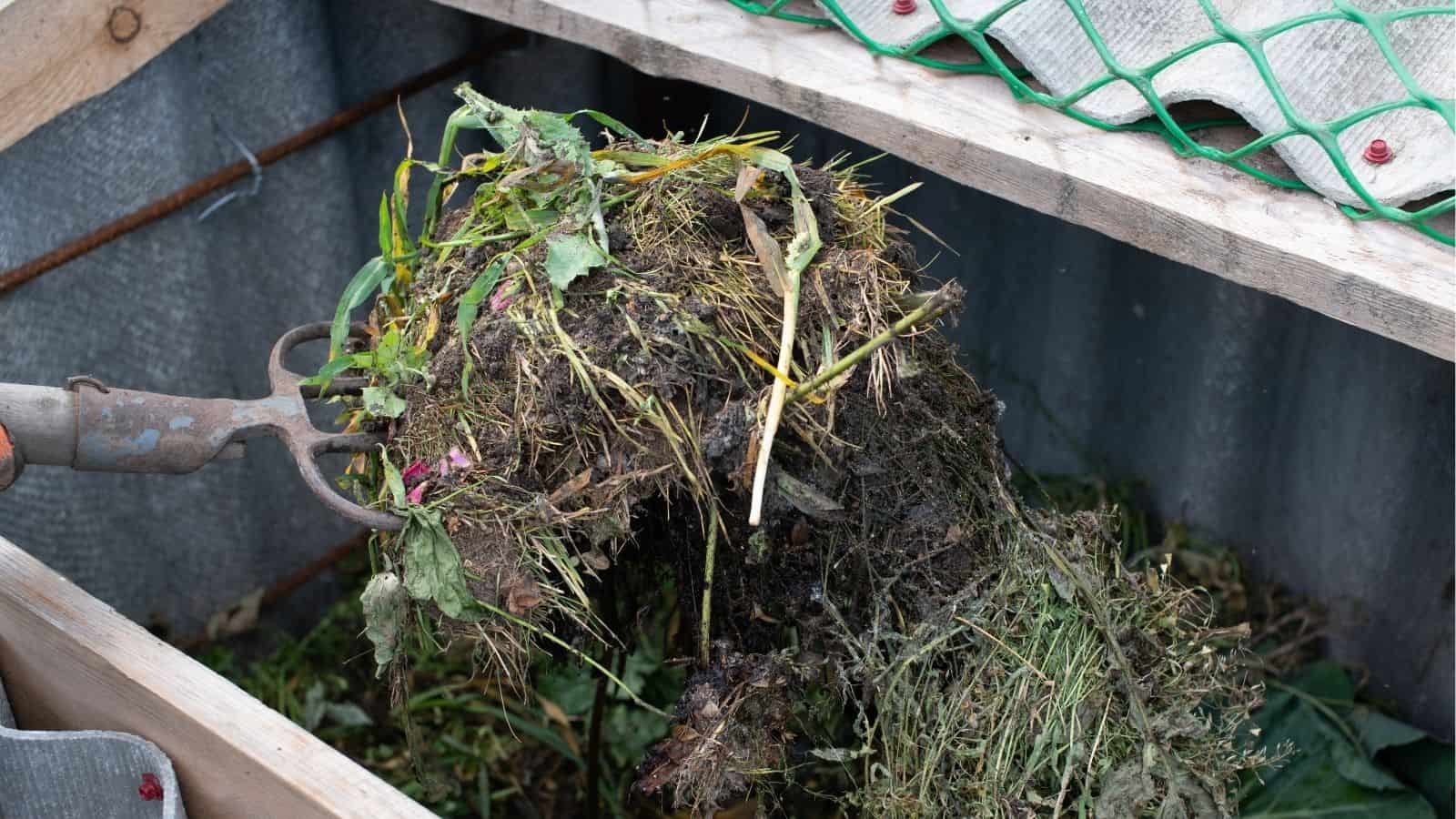
Turning your pile adds oxygen, which is crucial for decomposition. Neglect this and you risk a cold, compacted pile that takes forever to break down.
Tossing in the Wrong Scraps
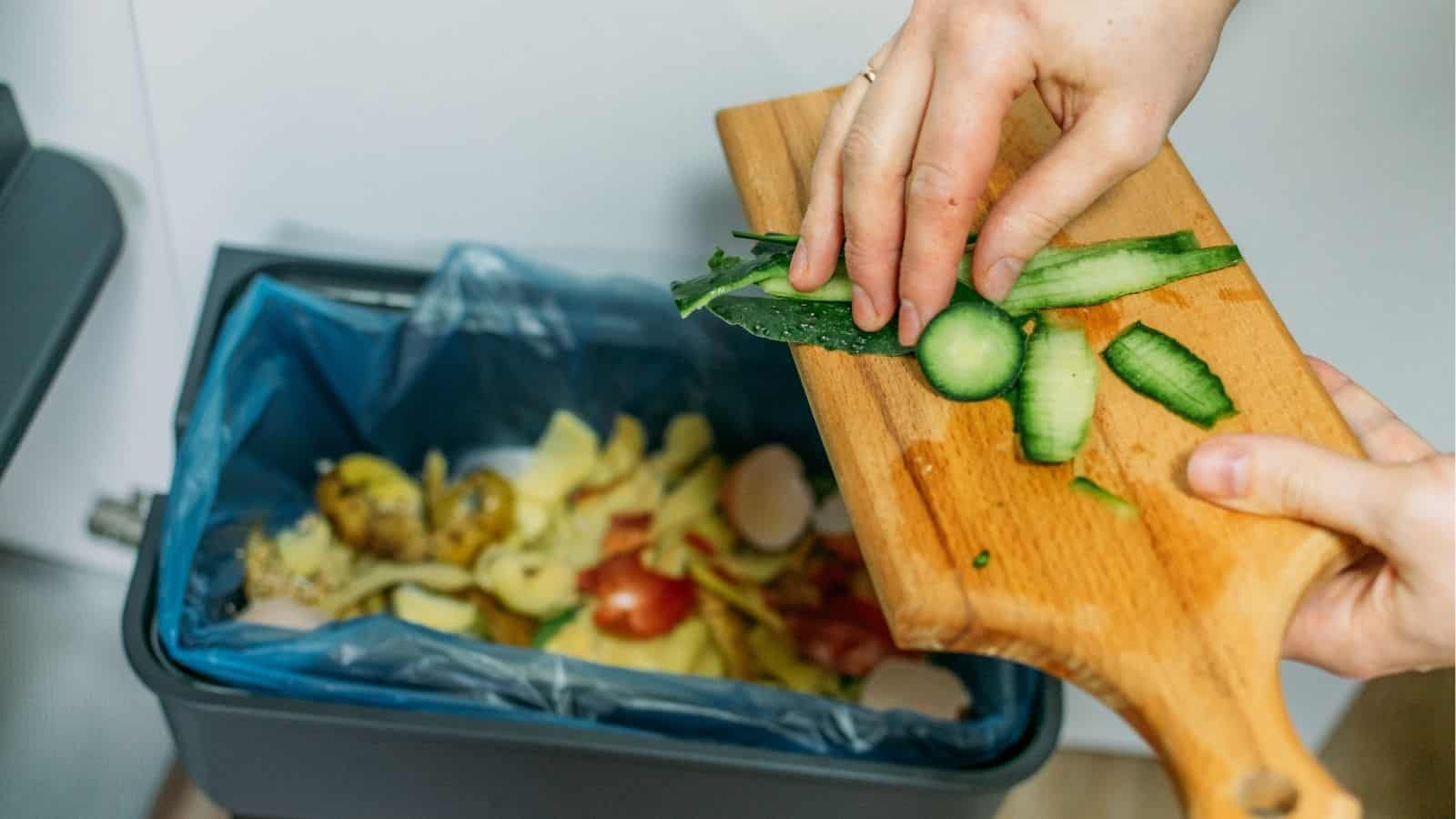
Things like meat, dairy, and oily foods attract pests and slow the process. Stick with fruit and veggie scraps, eggshells, coffee grounds, and yard waste.
Ignoring the Size of Your Pile

A tiny pile won’t generate enough heat, while a massive one can be hard to manage. A pile around 3x3x3 feet is just right for most backyard setups.
Forgetting to Shred or Chop Materials

Larger pieces take longer to decompose. Chopping up stems, stalks, and cardboard helps everything break down faster and more evenly.
Letting Weeds and Diseased Plants In

Not all plant waste belongs in the pile. Avoid weeds with seeds or any diseased material—they can survive the composting process and return to haunt your garden.
Not Giving It Time

Compost doesn’t happen overnight. Be patient and resist the urge to use it before it’s fully broken down—finished compost should be dark, crumbly, and earthy-smelling.
Placing It in the Wrong Spot
A shady, out-of-the-way corner is great—but make sure it’s not too far from your kitchen or garden. You’ll be more likely to use it regularly if it’s convenient.
Expecting It to Be Perfect

No pile is perfect, especially at the start. Composting is part science, part art—just keep adjusting and learning as you go.
Backyard composting doesn’t have to be complicated—as long as you avoid these rookie mistakes. With a little care and consistency, you’ll be turning scraps into black gold in no time. Ready to give it a go? Your garden (and the planet) will thank you.




Comments
No Comments