

Energy bills can spike during colder months, but simple habits make a noticeable difference. Small changes in how you heat, light, and manage your home add up quickly. With a little planning, you can save money while keeping your home warm and comfortable.
These practical strategies help reduce energy use without sacrificing comfort. They’re simple, actionable, and effective for any household.
Lower Your Thermostat by a Few Degrees

Jump to a Section
Even a small reduction can cut heating costs significantly. Layering clothing and using blankets keeps you cozy without extra energy use. Over the course of the season, this adds up to real savings.
Use a Programmable Thermostat

Setting schedules ensures your heat runs only when needed. It prevents wasting energy when the house is empty or everyone is asleep. Programming your thermostat is a simple step that pays off quickly.
Seal Drafts Around Doors and Windows

Drafty spots let warm air escape and cold air enter. Weatherstripping or caulking seals leaks and keeps heat inside. Fixing drafts improves comfort and lowers your heating bills.
Add Thermal Curtains

Thick curtains reduce heat loss through windows. They also help block cold drafts in winter evenings. This inexpensive update keeps rooms warmer without cranking the thermostat.
Reverse Ceiling Fans

Running fans clockwise pushes warm air down into living spaces. It improves heating efficiency without extra energy use. Fans help distribute warmth evenly throughout the room.
Keep Heating Vents Clear
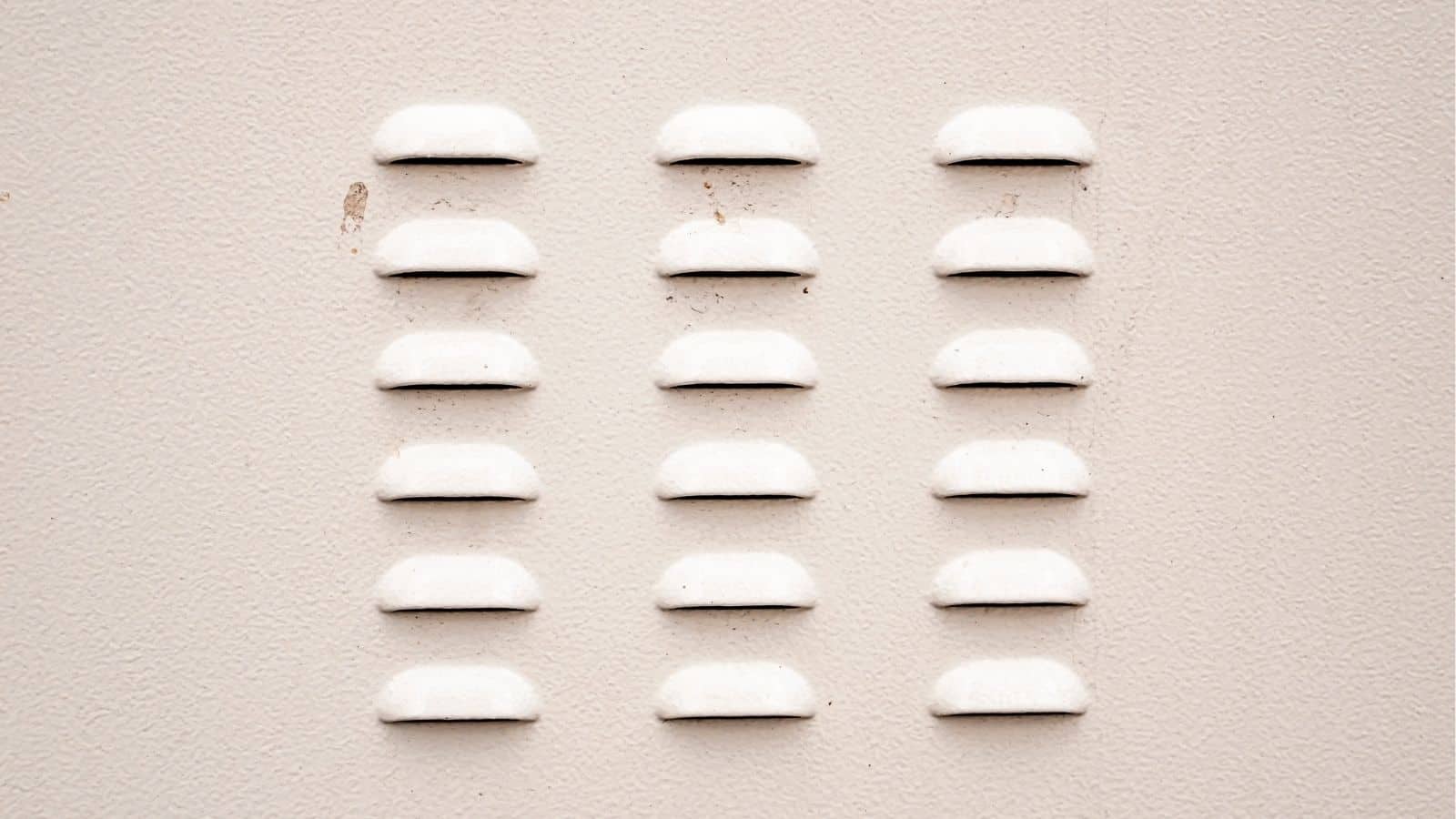
Blocked vents prevent heat from circulating properly. Furniture or clutter in front of vents forces your system to work harder. Keeping vents unobstructed helps maintain consistent warmth efficiently.
Use Energy-Efficient LED Bulbs

LEDs consume far less electricity than traditional bulbs. Switching lighting throughout your home reduces energy use. They last longer, saving money on replacements too.
Unplug Idle Electronics

Even when off, many devices draw power in standby mode. Unplugging or using a power strip prevents “phantom” energy consumption. This small habit reduces bills over time.
Maintain Your HVAC System

Regularly changing filters and cleaning ducts keeps your system running efficiently. A well-maintained HVAC unit uses less energy to heat your home. Preventive care avoids costly breakdowns as well.
Insulate Your Water Heater

Wrapping your water heater with an insulating blanket reduces heat loss. It keeps water warmer longer and cuts energy use. This simple DIY project is especially useful during the winter season.
Cook with Lids On Pots

Covering pots and pans keeps heat contained while cooking. It shortens cooking times and reduces energy use. This small adjustment makes everyday meals more efficient.
Use Microwave or Slow Cooker for Meals

Microwaves and slow cookers require less energy than ovens. They also prevent heating your entire kitchen unnecessarily. Using them can lower your energy footprint while making dinner simple.
Close Unused Rooms

Shutting doors to rooms you’re not using keeps heat concentrated where it’s needed. This prevents wasted energy on empty spaces. It’s an easy way to make your heating system work smarter.
Add Rugs to Hard Floors

Rugs provide insulation and reduce the feeling of cold underfoot. They help rooms stay warmer without raising the thermostat. Cozy floors contribute to comfort and energy savings.
Air-Dry Laundry When Possible

Skipping the dryer conserves electricity and prevents extra heat loss from venting warm air outside. Even partial air-drying reduces energy use substantially. It’s a low-effort, eco-friendly habit for the season.
These easy energy-saving strategies help lower costs while keeping your home comfortable. Simple adjustments now make a big difference on your winter utility bills.





Comments
No Comments