

As the days get shorter and temperatures begin to drop, it’s time to prepare your yard for the upcoming frost. A little care now can make a big difference in how your lawn, garden, and landscaping bounce back in the spring. By tackling a few essential tasks, you’ll protect your plants, improve soil health, and reduce winter damage.
Taking action before the first frost ensures your outdoor space stays resilient through the cold months. These practical steps will save you time, effort, and money once warmer weather returns.
Rake and Remove Fallen Leaves

Jump to a Section
Leaves left on the lawn can trap moisture and block sunlight, leading to dead patches and disease. Rake regularly or use a mulching mower to break them down into natural fertilizer. Keeping your yard clear now prevents bigger problems later.
Mow the Lawn One Last Time

Give your grass a final trim before frost hits. Cutting it slightly shorter helps prevent snow mold and keeps your yard looking tidy through winter. Just avoid cutting it too short, which can stress the grass.
Aerate the Soil

Aerating before frost allows water, nutrients, and oxygen to reach the roots more effectively. This strengthens your lawn for the cold months ahead. It’s especially helpful if your soil is compacted from summer activity.
Fertilize for Winter Protection

A slow-release fertilizer in late fall provides essential nutrients your lawn will use to survive winter and thrive in spring. Focus on potassium-rich blends, which improve cold tolerance. Think of it as giving your lawn a final meal before hibernation.
Protect Delicate Plants

Cover sensitive shrubs, perennials, and young trees with burlap, frost cloths, or mulch. These protective layers insulate against freezing temperatures and harsh winds. Taking the time to wrap them ensures they’ll come back strong next year.
Clean and Store Garden Tools

Before frost arrives, clean dirt and sap from your tools to prevent rust. Sharpen blades and store them in a dry place for winter. Proper care now means your tools will be ready when spring gardening begins.
Drain and Store Hoses

Frozen water left in hoses or outdoor faucets can cause cracks and costly damage. Drain and coil hoses neatly, then shut off outdoor water valves. This simple step protects your plumbing all winter long.
Mulch Flower Beds and Trees

A thick layer of mulch around trees, shrubs, and garden beds insulates roots from freezing. It also helps retain moisture and prevent soil erosion. Mulching is one of the easiest ways to protect your plants before frost.
Plant Spring Bulbs
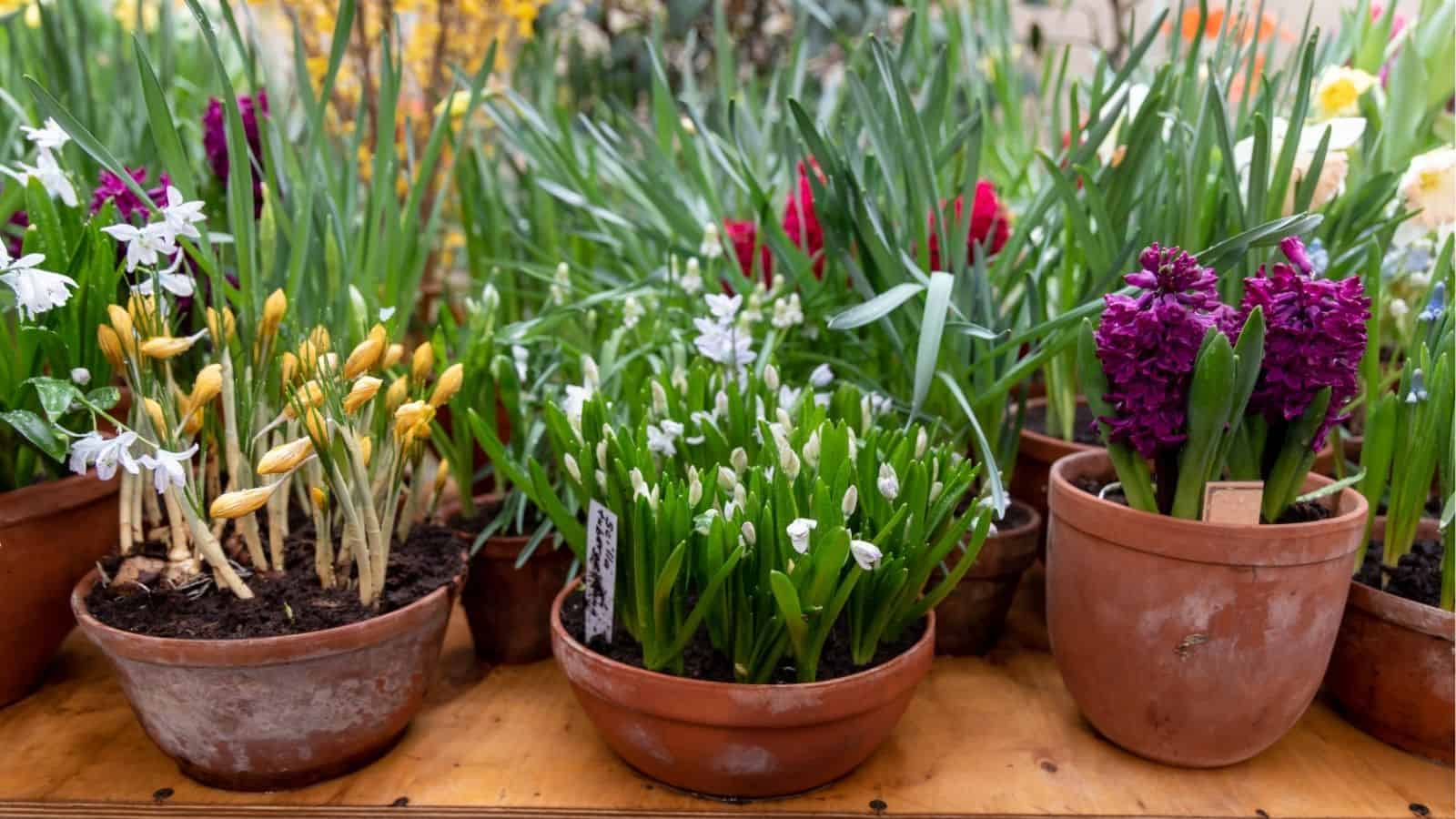
Before the ground freezes, plant tulips, daffodils, and other spring bulbs. They’ll lie dormant over winter and burst into color as soon as temperatures warm up. It’s a rewarding way to prepare your yard for next season.
Clean Up the Vegetable Garden

Remove spent plants, weeds, and debris to prevent pests and disease from overwintering. Compost healthy plant material and discard diseased stems or leaves. A clean garden bed sets the stage for a strong start in spring.
Preparing your yard before the first frost may feel like extra work now, but it pays off in the long run. These essential tasks protect your lawn, plants, and tools, ensuring everything survives the winter and thrives in the spring.





Comments
No Comments