
• Skip to main content
  • Skip to primary sidebar

Schisandra & Bergamot logo

menu icon
go to homepage
  • Index
  • Subscribe
  • About
  • Contact
  • Videos
    • Facebook
    • Instagram
    • Pinterest
  • subscribe
    search icon
    Homepage link
    • Index
    • Subscribe
    • About
    • Contact
    • Videos
    • Facebook
    • Instagram
    • Pinterest
  • ×
    Home » Trending

    Published: Oct 23, 2025 by Kristen Wood · This post may contain affiliate links. If you make a purchase through links on our site, we may earn a commission. ·

    15 Everyday Items From the Past That Were Surprisingly Sustainable

    1 shares
    • Facebook
    • Reddit

    Before “sustainable living” became a buzzword, people simply lived that way out of necessity. Everyday items were made to last, repair, and reuse—crafted with care rather than convenience.

    Looking back, it’s clear that our grandparents’ homes held a quiet kind of wisdom that modern life could use more of. Here are 15 timeless household items from the past that prove simple living was sustainable all along.

    Cloth Handkerchiefs

    Five microfiber cloths in pink, green, yellow, blue, and orange are laid out flat, with one yellow cloth rolled up on the right against a white background.
    Photo Credit: weerapat/Deposit Photos

    Instead of disposable tissues, people once carried soft cotton handkerchiefs. They were washable, long-lasting, and often beautifully embroidered. A simple square of fabric saved endless paper waste.

    Glass Milk Bottles

    Two glass bottles filled with milk are placed side by side in a wooden crate against a light blue background.
    Photo Credit: alebloshka/Deposit Photos

    Milk used to come in reusable glass bottles delivered to your doorstep. Once empty, they were washed, refilled, and reused countless times. It was a closed-loop system that wasted nothing.

    Cast Iron Cookware

    A person places a raw piece of meat into a black frying pan on a gas stove.
    Photo Credit: DC_Studio/Envato

    A single cast iron pan could last a lifetime—and often did. With proper care, it only gets better with age. Unlike modern nonstick pans, it’s endlessly repairable and chemical-free.

    Bar Soap

    Rows of handmade soap bars, including yellow and marbled varieties, displayed on a shelf with brown paper labels reading "Natural & Handmade Soap" and "Not About Nature.
    Photo Credit: instantaneous_cube/Pixabay

    Bar soap came wrapped in paper or not at all, reducing packaging waste. It lasted longer and cleaned just as well as bottled versions. Its simplicity made it both effective and sustainable.

    Wooden Clothespins

    Nine wooden clothespins are clipped onto a rope, all arranged vertically against a white background.
    Photo Credit: DeKiR/Deposit Photos

    Before dryers, laundry was hung outside with sturdy wooden clothespins. They were reusable for decades and made from renewable materials. Plus, they gave clothes that fresh, sun-dried scent.

    Refillable Fountain Pens

    A silver fountain pen with a removable cap rests on a dark textured surface, with the cap placed beside the pen.
    Photo Credit: Ha4ipiri/Deposit Photos

    Fountain pens replaced endless disposable plastics with one durable tool. Ink could be refilled, nibs replaced, and barrels polished. Writing felt more intentional—and far less wasteful.

    Wool Blankets

    Two folded wool blankets on a white background, one in brown and beige plaid with fringe, and the other in red and black plaid.
    Photo Credit: serezniy/Deposit Photos

    Wool blankets offered natural warmth, breathability, and durability. They didn’t rely on synthetics and could last for generations. Even now, they’re one of the most sustainable materials around.

    Cloth Diapers

    Three cloth diapers in pastel yellow, purple, and green colors are arranged side by side. A small safety pin is attached to the purple diaper in the center.
    Photo Credit: kitchbain/Deposit Photos

    Before disposable ones, cloth diapers were washed, reused, and shared among siblings. They reduced waste and cost far less in the long run. A little extra effort made a big environmental difference.

    Canning Jars
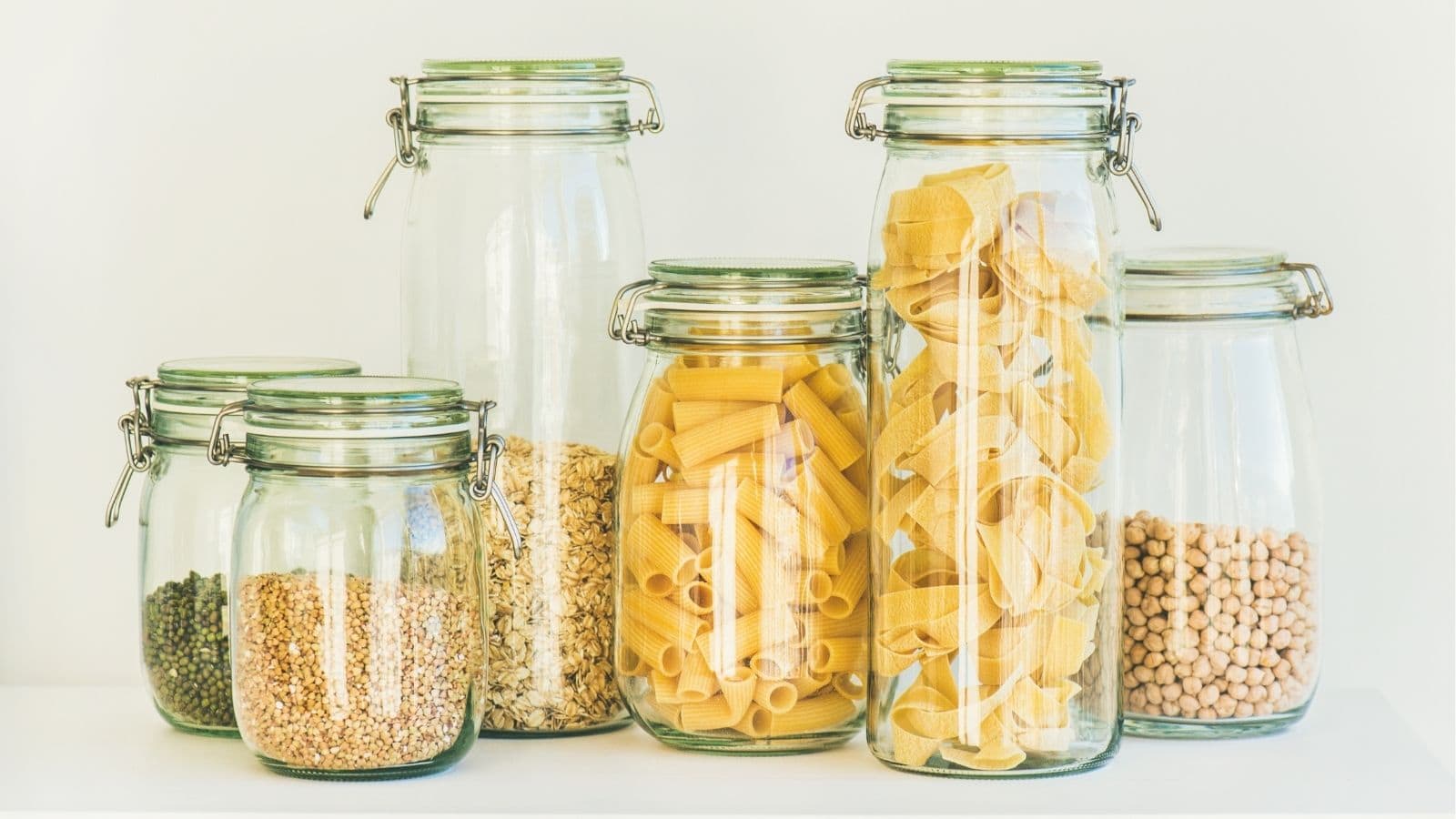
    Six glass jars filled with various dry pantry staples, including green lentils, oats, rigatoni pasta, shell pasta, and chickpeas, arranged on a white surface against a light background.
    Photo Credit: sonyakamoz/Envato

    Glass jars were staples for preserving harvests through winter. They were endlessly reusable and reduced reliance on packaged goods. Today, they’re just as handy for storage and decor.

    Wooden Hairbrushes

    A selection of wooden combs and brushes with various shapes and bristle styles arranged on a gray stone surface.
    Photo Credit: serezniy/Deposit Photos

    Solid wooden brushes with natural bristles were made to last for years. They reduced plastic use and were easier on both hair and scalp. Even better—they were repairable, not disposable.

    Metal Lunchboxes

    A rectangular, empty stainless steel food container with brown side clips is shown on a white background.
    Photo Credit: somdul/Deposit Photos

    Long before single-use bags, metal lunchboxes carried meals safely day after day. They were sturdy, washable, and often passed down between kids. A practical, waste-free way to pack food.

    Reusable Shopping Baskets

    Three red plastic shopping baskets stacked together next to a metal fence and a tiled floor inside a store.
    Photo Credit: namak/Deposit Photos

    Market baskets made of straw or wicker were the original reusable bags. They held up beautifully and were biodegradable when their time was done. Simple, sturdy, and perfectly sustainable.

    Mason Jars for Drinking Glasses

    Two glass jars filled with assorted chopped fruits, including green apple, orange, kiwi, and pineapple, are placed in front of whole apples and a pink background.
    Photo Credit: FabrikaPhoto/Envato

    Mason jars served double duty—preserving food in the pantry and functioning as drinkware. They were strong, versatile, and completely plastic-free. Even today, they make a rustic, eco-friendly choice.

    Beeswax Wraps

    A piece of green checkered fabric is being brushed with melted beeswax from a white bowl; another bowl with yellow beeswax pellets is nearby on fabric squares.
    Photo Credit: HeikeRau/Deposit Photos

    Long before plastic wrap, beeswax-coated cloth kept food fresh naturally. It was washable, reusable, and compostable. This old idea is making a well-deserved modern comeback.

    Hand-Powered Tools

    Several manual coffee grinders with wooden bases and metal bowls are arranged in rows, with their handles positioned at various angles.
    Photo Credit: VelesStudio/Deposit Photos

    Manual coffee grinders, egg beaters, and push mowers all worked without electricity. They built a sense of rhythm and connection to the task. And they never added a cent to the energy bill.

    Sustainability isn’t a new invention—it’s a rediscovery. These everyday items from the past remind us that living lightly can also mean living beautifully. Sometimes, progress simply means returning to what already worked.

    More Trending

    • A wooden bowl filled with brown sugar, perfect for a DIY body polish recipe, sits on a wooden surface with a wooden scoop inside. Nearby, oat flakes are scattered artfully.
      15 autumn-inspired scrubs and exfoliants made at home
    • A woman in a blue coat sits on a metal fence holding autumn leaves, with yellow-leaved trees and a street in the background.
      15 autumn garden rituals that feel grounding
    • Person sorting items for a swap event at home, with a sign reading "SWAP not SHOP" and various household items and clothes on tables.
      15 gentle, low-waste swaps for a more mindful home
    • A ceramic bowl filled with a mixture of coarse salt, dried rosebuds, and berries, with a wooden scoop resting on the edge.
      15 homemade skincare ideas that feel gentle and nourishing

    About Kristen Wood

    Kristen is a plant lover, gardener, certified functional nutritional expert, cookbook author, writer, and photographer. Her work has been featured in many online and print publications including Willow & Sage Magazine, Forbes, NBC, New York Daily News, Healthline, MSN, Elle, Yoga Journal, and many more. She is also a syndicated writer for The Associated Press.

    Reader Interactions

    Comments

    No Comments

    Leave a Reply Cancel reply

    Your email address will not be published. Required fields are marked *

    Recipe Rating


    Primary Sidebar

    A close up of a woman's face in the sun, radiating with the gentle glow of schisandra and bergamot home.

    About Kristen Wood

    Kristen is a plant lover, gardener, certified functional nutritional expert, cookbook author, writer, and photographer. Her work has been featured in many online and print publications including Willow & Sage Magazine, Forbes, NBC, New York Daily News, Healthline, MSN, Elle, Yoga Journal, and many more. She is also a syndicated writer for The Associated Press.

    Learn more about me →

    Follow us!

    Footer

    ↑ back to top

    About

    • Privacy Policy
    • Google Web Stories
    • Accessibility Statement
    • Disclaimer

    Newsletter

    • Sign up for our newsletter to receive our latest posts!

    Contact

    • Contact

    Copyright © 2025 Schisandra & Bergamot
    Disclaimer: As An Amazon Associate I Earn From Qualifying Purchases.

    1 shares