
• Skip to main content
  • Skip to primary sidebar

Schisandra & Bergamot logo

menu icon
go to homepage
  • Index
  • Subscribe
  • About
  • Contact
  • Daily Herb
    • Facebook
    • Instagram
    • Pinterest
  • subscribe
    search icon
    Homepage link
    • Index
    • Subscribe
    • About
    • Contact
    • Daily Herb
    • Facebook
    • Instagram
    • Pinterest
  • ร—
    Home ยป Trending

    Published: Nov 25, 2025 by Kristen Wood ยท This post may contain affiliate links. If you make a purchase through links on our site, we may earn a commission. ยท

    15 everyday items with hidden folklore and meaning

    0 shares
    • Facebook
    • Reddit

    Many ordinary objects you see every day carry centuries of symbolism, superstition, and cultural meaning. What seems simple or practical often has roots in ancient folklore, spiritual traditions, or old-world beliefs passed down through generations. Exploring these hidden stories adds a deeper layer of appreciation to the items we use without thinking.

    These meanings bring small moments of wonder into daily life and connect us to traditions that came long before us. Here are 15 everyday items with surprisingly rich folklore behind them.

    Keys

    A hand holding a set of keys against a plain white background.
    Photo Credit: IgorTishenko/Deposit Photos

    Keys have long symbolized protection, opportunity, and the unlocking of new paths. In folklore, receiving a key was believed to open the way to good fortune. Many cultures also used keys as talismans to guard against harmful spirits.

    Mirrors

    A large ornate rectangular mirror hangs on a white wall, with circular patterned light and shadow on the adjacent wall and wooden flooring below.
    Photo Credit: krooogle/Deposit Photos

    Mirrors were once thought to reflect not just your image, but your soul. Breaking one was believed to cause seven years of bad luck because it fractured spiritual energy. In some traditions, mirrors were covered during mourning to prevent spirits from becoming trapped.

    Salt

    A wooden bowl filled with coarse white sea salt crystals, isolated on a white background.
    Photo Credit: kornienkoalex/Deposit Photos

    Salt was treasured as a purifier and protector against negativity. Spilling it was considered bad luck, but tossing a pinch over your left shoulder was said to reverse the curse. Many cultures used salt at thresholds to keep evil away.

    Brooms

    Several straw brooms with red handles are displayed upright on the ground, next to woven wicker baskets, in bright sunlight.
    Photo Credit: nevenm/Deposit Photos

    A broom represents both cleansing and protection. In old folklore, sweeping at night was discouraged because it might chase away good spirits. Brooms were also placed across doorways to block unwanted energy from entering the home.

    Candles

    A brown glass jar labeled "Sandalwood" contains a scented candle and sits on a speckled countertop near a window.
    Photo Credit: Chris Reyem/Unsplash

    Candles symbolize guidance, hope, and spiritual connection. For centuries, people believed candle flames revealed messages or omens, especially during rituals. A flickering flame was often interpreted as a sign that a spirit was near.

    Shoes

    A person pours white powder from an orange container into a pair of black leather shoes.
    Photo Credit: ggw1962/Deposit Photos

    Shoes were considered powerful objects because they traveled between worldsโ€”indoors and outdoors. Some traditions warned against placing shoes on a table, saying it invited misfortune. Tying shoes together and throwing them over a branch symbolized transitions or blessings for a journey.

    Coins

    Two hands cupped together holding a pile of assorted coins over a wooden surface.
    Photo Credit: AntonMatyukha/Deposit Photos

    Coins have always carried symbolic luck and prosperity. Placing a coin in a new wallet or purse was believed to attract ongoing wealth. Lucky pennies, especially those found face-up, were seen as messages of good fortune

    Knives

    Two folding knives with black textured handles and shiny blades are placed side by side on a rustic wooden surface.
    Photo Credit: vzwer/Deposit Photos

    Knives hold meanings of strength, protection, and separation. Giving a knife as a gift was said to "cut" the friendship unless a coin was exchanged. They were also used in rituals to ward off harmful spirits or negative energy.

    Bells

    A row of brass bells hangs in a line, each with a clapper visible, set against a blurred background.
    Photo Credit: s.belinska/Deposit Photos

    Bell chimes were believed to clear spaces of lingering spirits. Their sound symbolized purity and was used to mark beginnings, endings, and important transitions. Many cultures rang bells to celebrate good news or protect against misfortune.

    Feathers

    Five large bird feathers with dark tips and lighter bases are arranged in a row on a white background.
    Photo Credit: kzwwsko/Deposit Photos

    Feathers often symbolize messages from the spiritual world. Finding one was considered a sign of protection or guidance. Different colors and shapes carried specific meanings in folklore and indigenous traditions.

    Buttons
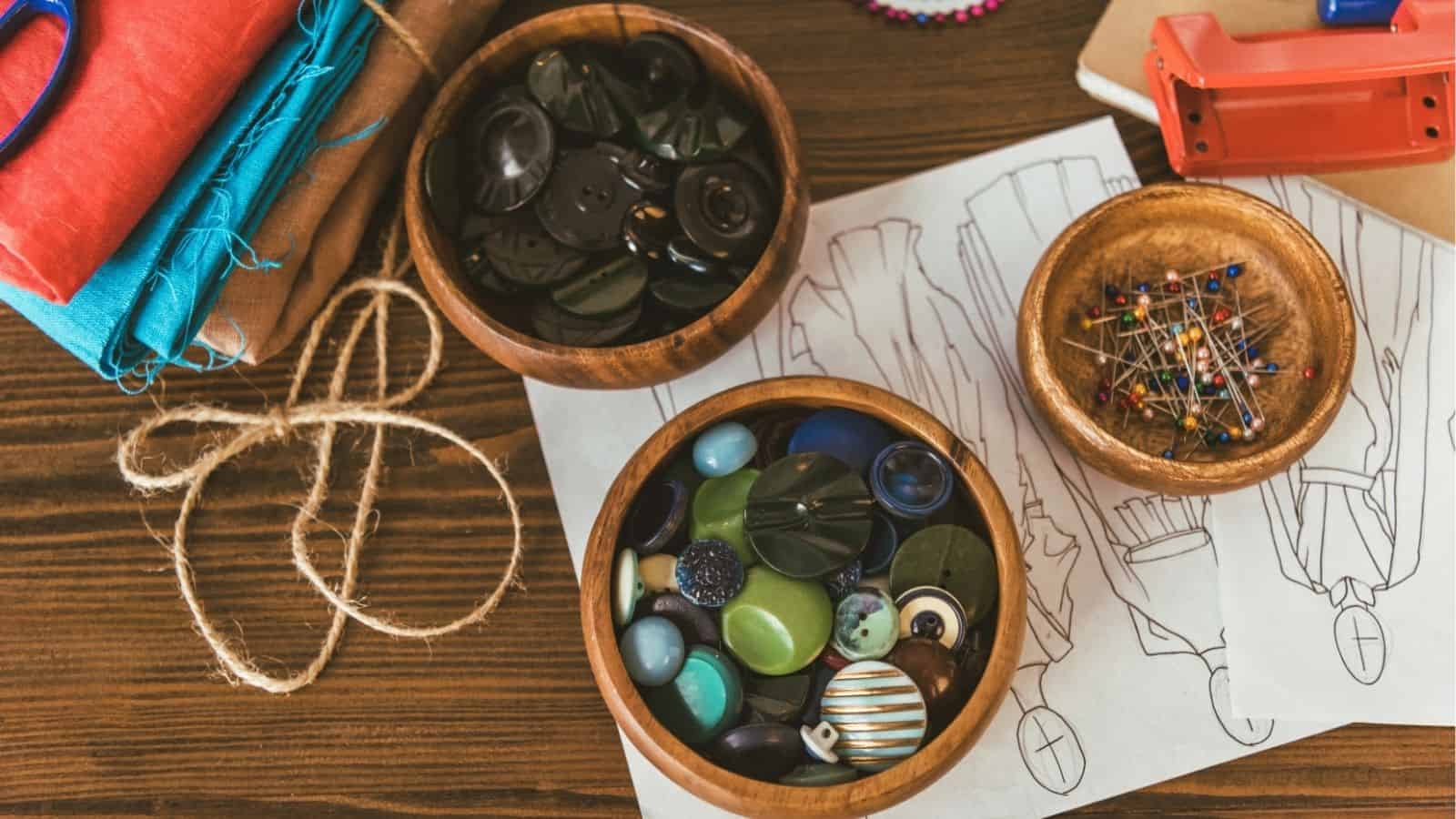
    Wooden bowls filled with assorted buttons and sewing pins on a table with fabric, string, scissors, and fashion sketches.
    Photo Credit: VitalikRadko/Deposit Photos

    Buttons were once used as charms to attract love, luck, and protection. Folklore warned against losing a button, as it meant losing good fortune. Brightly colored buttons were stitched onto clothing to ward off evil eyes.

    Bread

    Four slices of white bread on a wooden rack, partially covered by a blue and yellow cloth, placed on a dark wooden surface.
    Photo Credit: Sasajo/Deposit Photos

    Bread symbolized nourishment, abundance, and hospitality. In many cultures, giving someone bread was a blessing for good health and prosperity. Dropping bread was seen as disrespectful to the spirits who provided sustenance.

    Ribbons

    A pink satin ribbon lies curved and loosely arranged on a white background.
    Photo Credit: serezniy/Deposit Photos

    Ribbons have long represented wishes, promises, and protection. Tying a ribbon to a tree or object was believed to send hopes into the spirit world. Different colors carried meanings tied to love, healing, or courage.

    Rings

    Two plain gold wedding bands rest on a white envelope placed on a light-colored surface.
    Photo Credit: VadimVasenin/Deposit Photos

    Rings are symbols of eternity and unbroken bonds. They were worn as protective charms long before becoming wedding symbols. In folklore, wearing a ring on a specific finger influenced oneโ€™s fate or fortune.

    Knots

    A length of brown rope tied with three evenly spaced knots on a white background.
    Photo Credit: ronstik/Deposit Photos

    Knots have long symbolized binding, protection, and intention in folklore. People tied knots into ribbons, cords, or fabric to seal wishes, protect a home, or strengthen commitments. Untying a knot was often seen as releasing a burden, clearing obstacles, or letting go of old energy.

    These everyday items carry stories that connect us to generations of folklore and shared beliefs. Keeping these meanings in mind brings a little magic and curiosity into daily life.


    More Trending

    • A woman in winter clothing sits cross-legged on a sofa, holding a yellow apple in one hand and a white mug in the other, and smiling at the camera.
      15 simple slow-living ideas to help you ease into the colder months
    • A gazelle stands in tall, dry grass with several other gazelles in the background.
      15 small outdoor habits that support wildlife all winter
    • Woman standing in a modern kitchen, smiling and pointing at a wall-mounted touchscreen control panel with various smart home icons displayed.
      15 easy ways to keep energy costs down this season
    • A man in work overalls stands in a kitchen, scratching his head in confusion while looking at pipes and tools on the counter.
      15 winter home maintenance tasks youโ€™ll be glad you handled early

    About Kristen Wood

    Kristen is a plant lover, gardener, certified functional nutritional expert, cookbook author, writer, and photographer. Her work has been featured in many online and print publications including Willow & Sage Magazine, Forbes, NBC, New York Daily News, Healthline, MSN, Elle, Yoga Journal, and many more. She is also a syndicated writer for The Associated Press.

    Reader Interactions

    Comments

    No Comments

    Leave a Reply Cancel reply

    Your email address will not be published. Required fields are marked *

    Recipe Rating


    Primary Sidebar

    A close up of a woman's face in the sun, radiating with the gentle glow of schisandra and bergamot home.

    About Kristen Wood

    Kristen is a plant lover, gardener, certified functional nutritional expert, cookbook author, writer, and photographer. Her work has been featured in many online and print publications including Willow & Sage Magazine, Forbes, NBC, New York Daily News, Healthline, MSN, Elle, Yoga Journal, and many more. She is also a syndicated writer for The Associated Press.

    Learn more about me โ†’

    Herb of the Day

    Meet todayโ€™s featured herb with gentle kitchen ideas, botanical notes, folklore, and a quiet reflection to take with you.

    Explore Todayโ€™s Herb

    Follow us!

    Footer

    โ†‘ back to top

    About

    • Privacy Policy
    • Google Web Stories
    • Accessibility Statement
    • Disclaimer

    Newsletter

    • Sign up for our newsletter to receive our latest posts!

    Contact

    • Contact

    Copyright ยฉ 2025 Schisandra & Bergamot
    Disclaimer: As An Amazon Associate I Earn From Qualifying Purchases.

    Herb of the Day

    Discover todayโ€™s featured herb with simple kitchen ideas, botanical notes, folklore, and a reflective message.

    Explore
    0 shares