

Winter may seem like a quiet time in the garden, but what you do now quietly shapes spring success. Many small tasks are often overlooked once plants go dormant. Taking care of them during winter saves time and effort later.
These 15 forgotten winter garden tasks help prepare your space for smoother planting and healthier growth. A little attention now makes spring far less overwhelming.
Clean and Sharpen Garden Tools

Jump to a Section
Winter is ideal for tool maintenance. Sharp tools make spring work easier and cleaner. Proper care also extends their lifespan.
Label Perennials Clearly

Dormant beds can be confusing come spring. Clear labels prevent accidental digging or removal. This saves time and protects established plants.
Check Garden Bed Edges

Winter weather can shift borders and edging. Straightening them now prevents soil loss. Defined beds warm faster in spring.
Add Compost to Empty Beds

Compost improves soil structure over winter. It has time to break down naturally. Spring planting becomes easier and more productive.
Mulch Vulnerable Areas

Mulch protects soil from erosion and temperature swings. It also suppresses early weeds. Winter mulching reduces spring cleanup.
Inspect Garden Structures

Trellises, stakes, and supports may weaken over winter. Fixing them now avoids delays later. Strong structures support healthier plants.
Organize Seeds and Supplies

Winter is perfect for sorting seeds. Checking expiration dates prevents wasted planting time. Organized supplies streamline spring tasks.
Clean Pots and Containers
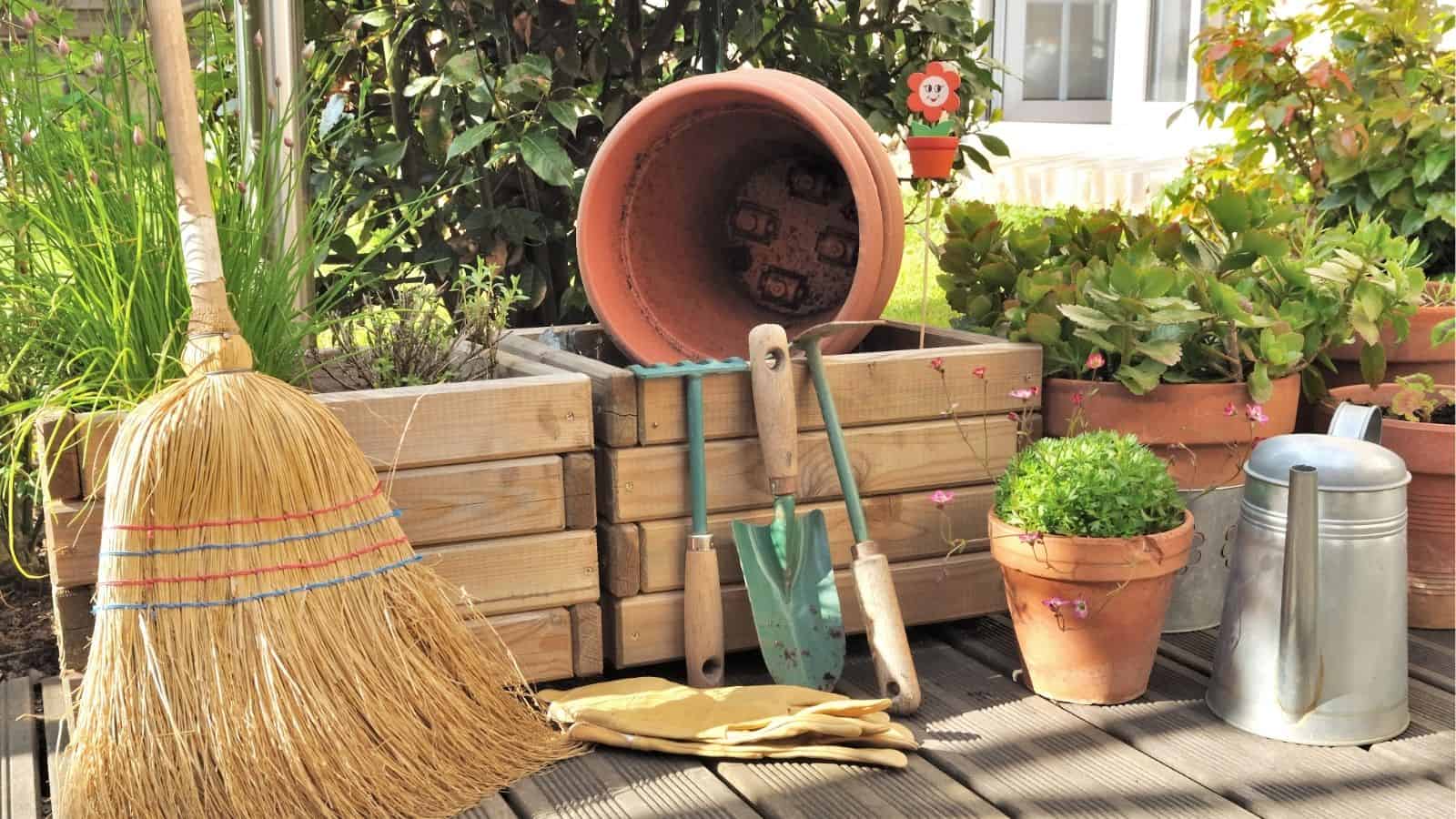
Old soil and residue can harbor disease. Washing containers now prevents future problems. Clean pots are ready when planting begins.
Prune Dead or Damaged Branches

Winter pruning improves plant structure. Removing dead growth prevents disease spread. It also encourages healthier spring growth.
Check Drainage After Heavy Rains

Winter rain reveals problem areas. Addressing drainage issues now protects roots later. Dry, well-drained soil warms faster.
Repair Raised Beds

Boards can shift or rot during winter. Early repairs prevent soil loss. Sturdy beds make spring planting smoother.
Plan Crop Rotation

Winter planning reduces spring guesswork. Rotating crops improves soil health. It also minimizes pest and disease issues.
Protect Exposed Roots
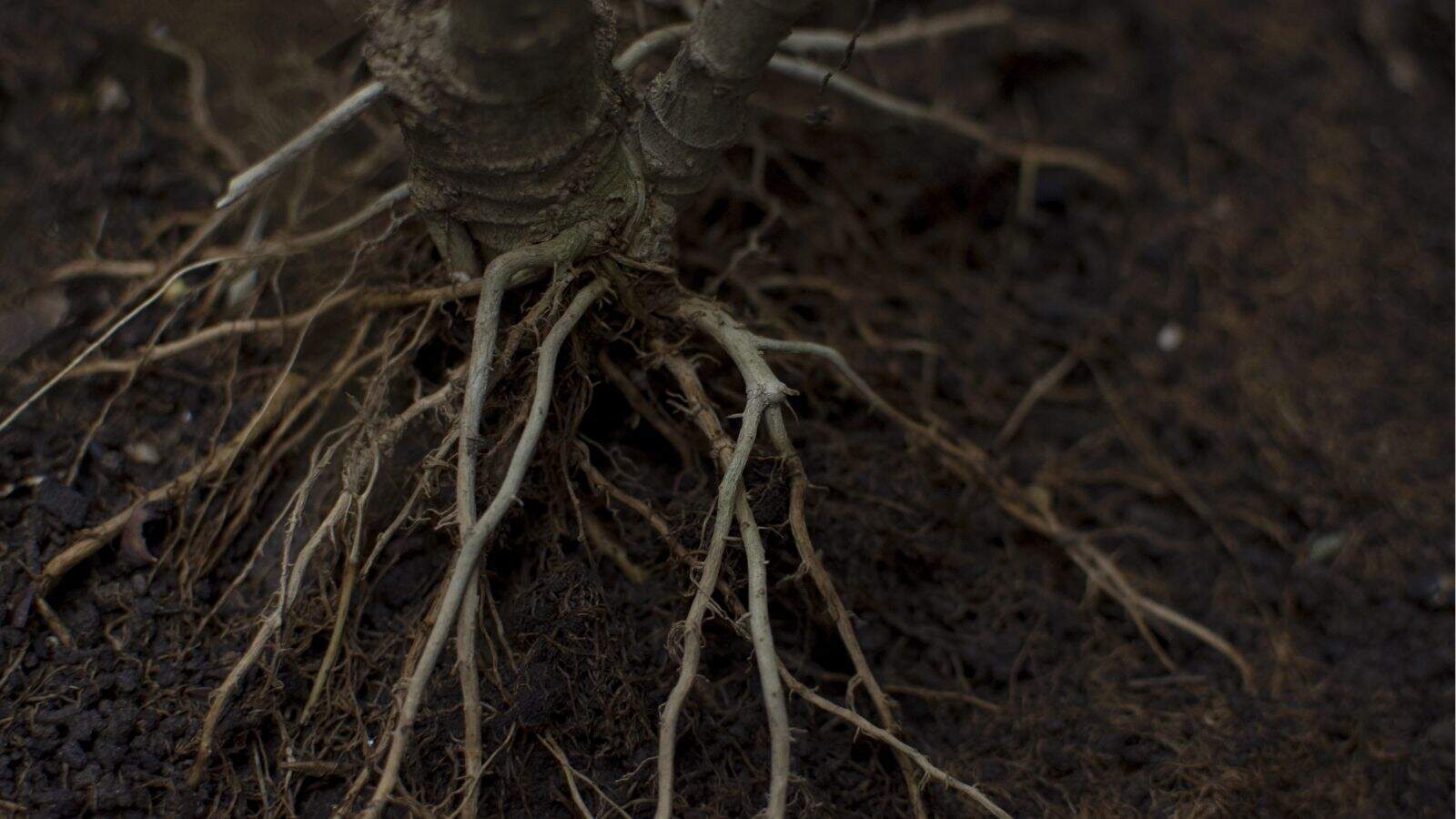
Freeze-thaw cycles can uncover roots. Gently cover exposed areas with soil or mulch. This prevents winter damage.
Remove Broken or Fallen Branches

Storms leave debris behind. Clearing it prevents damage and pests. This keeps beds tidy without heavy cleanup later.
Observe Sun Patterns

Bare trees reveal winter sunlight changes. Watching light patterns helps plan spring planting. Good placement leads to stronger plants.
Winter gardening isn’t about constant activity but thoughtful preparation. These small tasks make spring gardening smoother, faster, and far more enjoyable.





Comments
No Comments