

Starting a garden is exciting, but it’s surprisingly easy to make mistakes that slow your progress. Many beginners dive in with enthusiasm but overlook simple planning steps that make all the difference.
With a little awareness, you can skip the frustration and grow a healthier, more productive garden from the start. By watching out for these common pitfalls, you’ll set yourself up for success right away. A thoughtful plan ensures your garden thrives through every season.
Ignoring Your Sunlight Conditions

Jump to a Section
Many gardeners plant based on preference rather than the actual light in their yard. Sun-loving plants won’t thrive in shade, and shade plants struggle under direct heat. Observing several days of sunlight patterns helps you make the right choices.
Planting Too Early in the Season

Spring enthusiasm often leads to putting seedlings outside before temperatures are stable. A sudden frost can undo weeks of work instantly. Check your frost dates and weather forecasts before planting.
Choosing Plants That Don’t Fit Your Climate

Buying pretty plants without checking their growing zone is a common beginner mistake. Some varieties simply won’t survive your region’s temperature swings. Always pick plants suited to your zone for better resilience and growth.
Overcrowding Plants in Beds
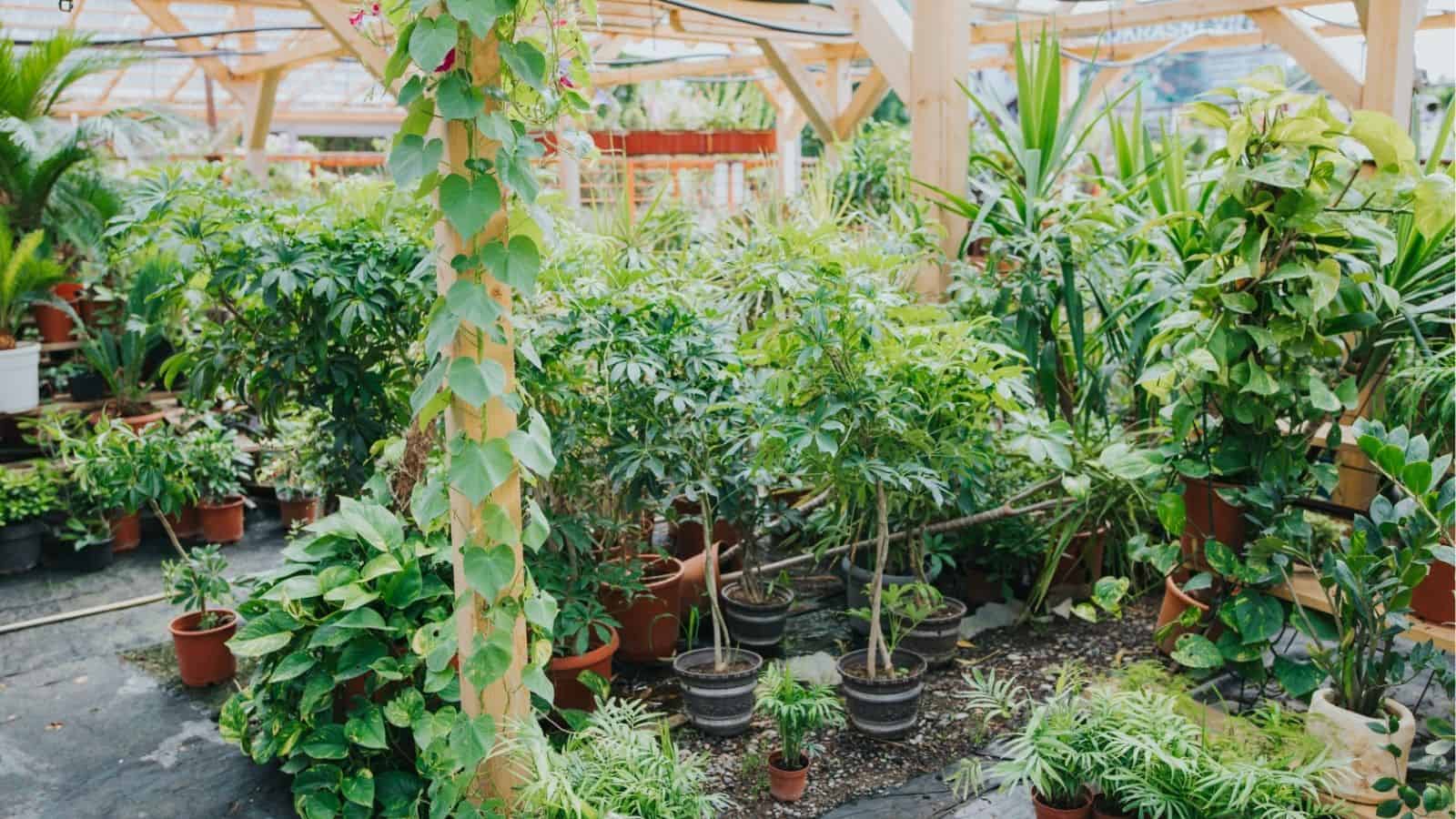
Cramped spacing keeps plants from receiving the airflow and root space they need. Over time, this can lead to disease and weaker harvests. Give each plant its recommended space for better, healthier growth.
Forgetting to Amend the Soil Before Planting

Even new soil can lack the nutrients your plants need to thrive. Adding compost boosts structure, drainage, and fertility. Preparing the soil ahead of time gives plants a strong start.
Placing Beds Too Far from a Water Source

Carrying watering cans long distances becomes tiresome fast. This often leads to skipped waterings and stressed plants. Position your garden close to a hose or rain barrel to simplify care.
Skipping Mulch

Bare soil loses moisture quickly and invites weeds. Mulch protects the soil and keeps root zones insulated. A few minutes of mulching prevents hours of future maintenance.
Choosing Aesthetic Over Function

It’s tempting to design purely based on appearance. But a beautiful layout doesn’t help if the plants need different care routines. Prioritize practicality first, then layer in aesthetics.
Not Planning for Plant Growth Size

Seedlings look tiny, but they expand more than many expect. Large plants can overshadow smaller ones, stealing sunlight and nutrients. Always check mature size before assigning a spot.
Forgetting Crop Rotation in Vegetable Gardens

Planting the same crop in the same place each year drains specific nutrients. It can also increase pests and disease. Rotating crops keeps the soil balanced and healthier.
Overlooking Drainage Issues

Waterlogged soil suffocates roots and encourages rot. Raised beds, channels, or amended soil can improve drainage. Identifying low spots early prevents plant losses later.
Using Low-Quality Seeds or Seedlings

Bargain seeds aren’t always worth the savings. Poor germination rates lead to wasted time and uneven harvests. Invest in reputable sources for better results.
Not Considering Pollinators in Your Layout

Pollinators greatly influence fruiting and vegetable yields. Adding flowers that bloom throughout the season supports them and boosts garden productivity. A pollinator-friendly space benefits every part of your garden.
Ignoring Tool Maintenance

Dull, rusty tools make gardening harder and can even damage plants. A little upkeep—like sharpening blades and cleaning dirt—keeps everything running smoothly. Well-maintained tools also last much longer.
Starting Too Big Too Fast

Enthusiasm can push beginners to take on more than they can manage. Large gardens require time, money, and consistent care. Starting small keeps gardening enjoyable and sustainable.
Avoiding these simple planning mistakes helps create a more successful and stress-free gardening season. With thoughtful preparation, your garden can flourish from the very first planting.



Comments
No Comments