

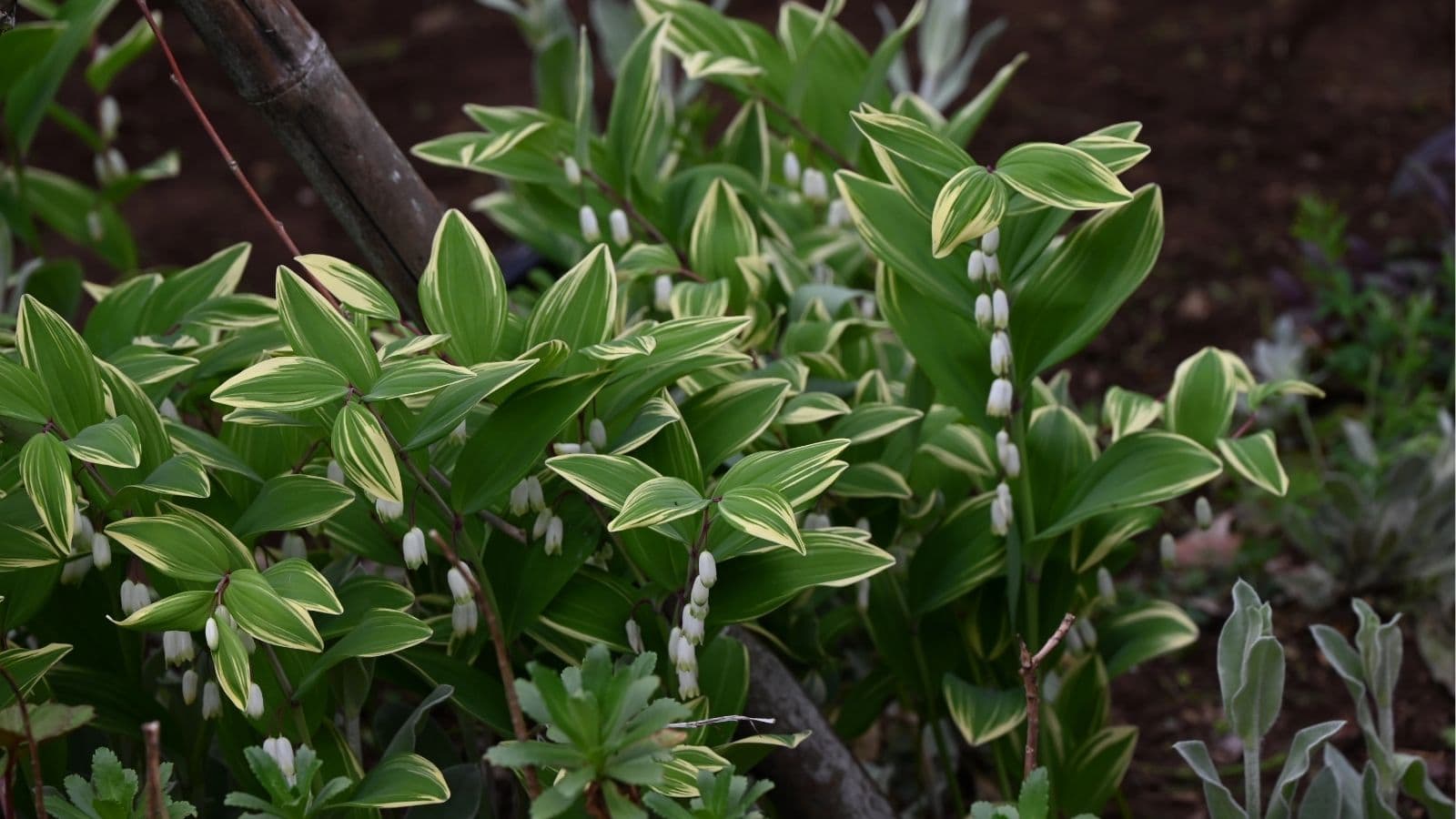
A backyard garden can be beautiful without consuming all your free time. With thoughtful planning and smart plant choices, you can create a space that thrives with minimal upkeep. Low-maintenance gardens save effort, reduce stress, and still provide color, texture, and wildlife benefits.
These 15 genius tips will help you design a backyard garden that’s easy to care for. From plant selection to layout ideas, you’ll learn how to enjoy a flourishing garden without constant work.
Choose Native Plants
Jump to a Section
Native plants are adapted to your local climate and soil conditions. They require less watering, fertilizing, and overall care than non-native varieties. Plus, they support local wildlife like bees and butterflies.
Group Plants by Water Needs

Place plants with similar water requirements together to make irrigation more efficient. This prevents overwatering or underwatering individual plants. It also reduces maintenance time and water waste.
Use Mulch Generously

Mulch helps retain soil moisture, suppress weeds, and regulate soil temperature. Organic mulch like bark or straw decomposes slowly, adding nutrients to the soil. Applying a thick layer can significantly reduce garden upkeep.
Opt for Perennials Over Annuals

Perennials come back year after year, eliminating the need for yearly replanting. Choose varieties that are hardy in your climate to reduce extra care. They provide long-term structure and color in the garden.
Plan for Seasonal Interest

Select plants that bloom at different times or have colorful foliage. This ensures your garden looks attractive throughout the year. Combining textures and heights also adds visual interest with minimal effort.
Incorporate Low-Maintenance Lawns or Ground Covers

Consider alternatives like clover, creeping thyme, or ornamental grasses. They require less mowing and watering than traditional turf. Ground covers can fill gaps while controlling weeds naturally.
Invest in Drip Irrigation or Soaker Hoses

These systems deliver water directly to the plant roots. They reduce evaporation and save both time and water. Automating irrigation minimizes the daily maintenance burden.
Minimize Lawn Size

Lawns demand frequent mowing, watering, and fertilizing. Replacing sections with shrubs, perennials, or hardscaping reduces this work. Smaller lawns also free up space for more sustainable planting.
Choose Disease-Resistant Varieties

Select plants known for resisting pests and diseases in your area. This reduces the need for chemical treatments and frequent monitoring. It also keeps your garden healthier with less effort.
Use Raised Beds or Containers

Raised beds improve drainage and reduce weeding. Containers allow for better soil control and easy repositioning. Both options make maintenance simpler and more manageable.
Add Hardscape Elements

Paths, patios, and stone features cut down on plant maintenance areas. They also make your garden more accessible and visually appealing. Hardscape creates structure while reducing upkeep.
Limit High-Maintenance Plants

Avoid fussy exotics that require frequent pruning or special care. Stick to resilient, well-adapted varieties instead. These plants thrive with minimal intervention, saving you time and effort.
Incorporate Evergreens

Evergreens provide year-round structure and greenery. They reduce the need for seasonal planting and create natural visual interest. Their durability makes them low-maintenance focal points.
Plan for Easy Access

Design wide paths for watering, pruning, and harvesting. Easy access reduces strain and simplifies garden chores. It also ensures you can enjoy the garden comfortably all year.
Practice Smart Fertilization

Use slow-release fertilizers or compost to provide nutrients steadily. This minimizes frequent feeding and improves plant health. Healthy plants are naturally more resilient, cutting down on maintenance needs.
A well-planned low-maintenance garden allows you to enjoy beauty and nature without the stress of constant work. These tips make it simple to create a backyard that’s thriving, sustainable, and effortless to care for.



Comments
No Comments