

• Skip to main content
  • Skip to primary sidebar

Schisandra & Bergamot logo

menu icon
go to homepage
  • Index
  • Subscribe
  • About
  • Contact
  • Daily Herb
    • Facebook
    • Instagram
    • Pinterest
  • subscribe
    search icon
    Homepage link
    • Index
    • Subscribe
    • About
    • Contact
    • Daily Herb
    • Facebook
    • Instagram
    • Pinterest
  • ×
    Home » Trending

    Published: Nov 18, 2025 by Kristen Wood · This post may contain affiliate links. If you make a purchase through links on our site, we may earn a commission. ·

    15 gentle methods to help your yard support more wildlife

    0 shares
    • Facebook
    • Reddit

    Your backyard can be more than a green space—it can be a thriving sanctuary for birds, bees, butterflies, and other wildlife. Even small, gentle changes encourage biodiversity and help local ecosystems flourish.

    By observing and working with nature rather than against it, your yard can provide food, shelter, and safe passage for a variety of creatures. Here are 15 simple ways to make your outdoor space more welcoming to wildlife.

    Plant Native Flowers

    Purple wildflowers grow on a sandy forest floor with tall trees and sparse green vegetation in the background.
    Photo Credit: YuriArcursPeopleimages/Envato

    Native plants provide the right nectar, seeds, and pollen for local pollinators. They’re low-maintenance and naturally adapted to your region.

    Create a Pollinator Garden

    Two hummingbirds and an orange butterfly hover near vibrant orange roses with green leaves in the background.
    Photo Credit: IvaCastro/Pixabay

    Include a mix of flowering herbs, shrubs, and perennials. Bees, butterflies, and hummingbirds will thank you for the continuous food sources.

    Add a Water Source

    A small stream of clear water flows over rocks surrounded by green grass and yellow wildflowers.
    Photo Credit: hpgruesen/Pixabay

    Even a shallow birdbath or small pond offers drinking and bathing opportunities for birds and insects. Change the water regularly to keep it fresh.

    Install Bird Feeders and Nesting Boxes
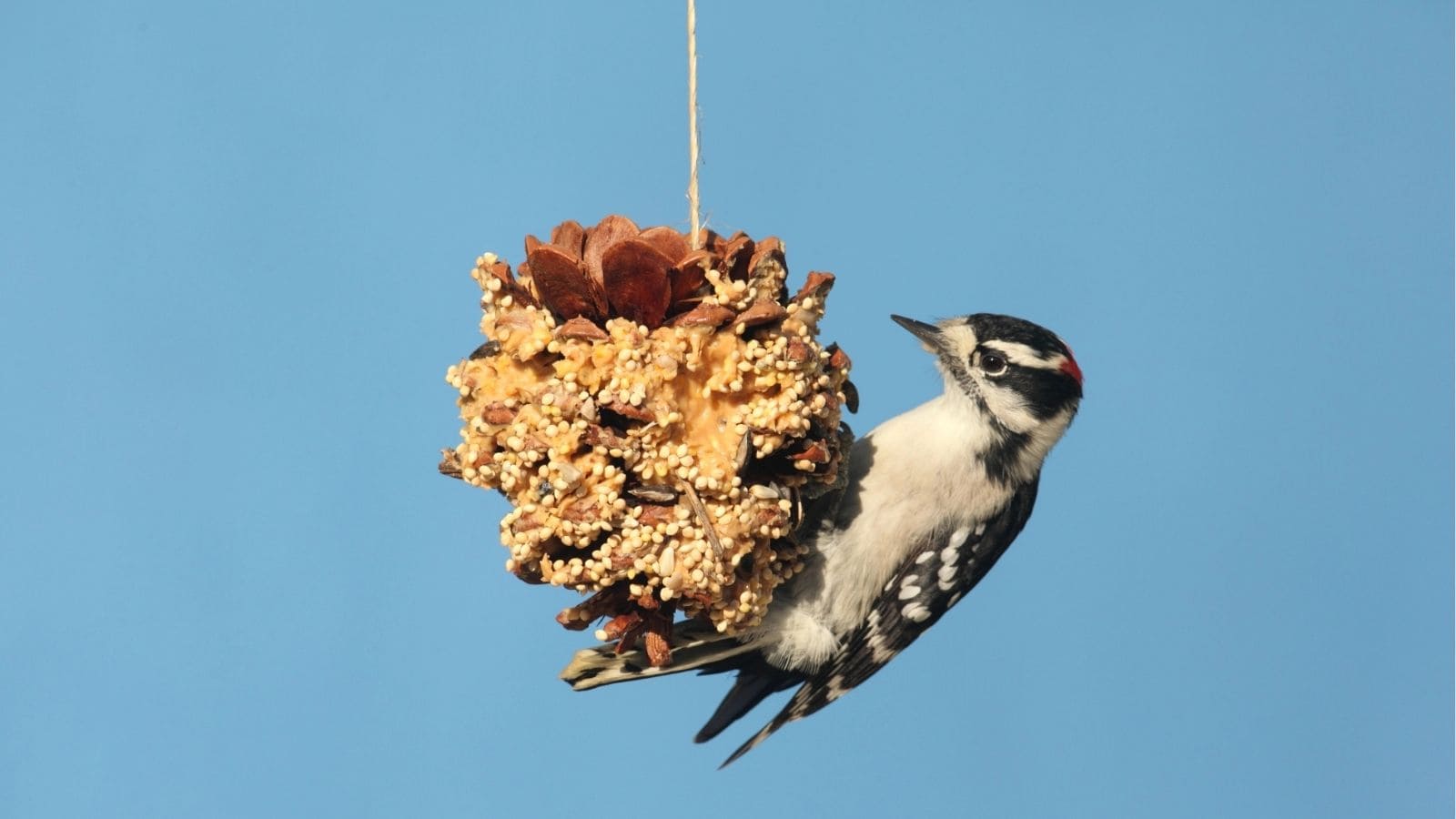
    A woodpecker clings to a pine cone coated with seeds and hung by a string against a clear blue sky.
    Photo Credit: steve_byland/Deposit Photos

    Feeders provide supplemental food, especially in colder months, while nesting boxes offer shelter and breeding spots.

    Leave Deadwood and Logs

    A close-up of a tree log with rough, cracked bark surrounded by grass and dried vegetation.
    Photo Credit: khlongwangchao/Deposit Photos

    Decaying wood shelters insects and small animals, which in turn support birds and other wildlife. A natural brush pile can serve the same purpose.

    Grow a Diversity of Plants

    A variety of potted indoor and outdoor plants arranged on the ground and hanging from baskets in a garden setting.
    Photo Credit: Simol1407/Envato

    Layered plantings—trees, shrubs, ground covers—create habitats for a variety of creatures. Each layer offers shelter, food, or nesting sites.

    Plant Fruit-Bearing Shrubs and Trees

    A dense shrub with clusters of round, yellow and orange berries among green leaves, photographed outdoors in natural light.
    Photo Credit: Nadtochii/Envato

    Berries, apples, and serviceberries feed birds, squirrels, and insects. They also attract pollinators during blooming periods.

    Avoid Chemical Pesticides

    A person wearing a blue hoodie sprays pesticide on green crops in a field using a backpack sprayer.
    Photo Credit: Dinuka Gunawardana/Pexels

    Natural predators thrive when chemicals are minimized. Allowing insects to live supports the food web for larger wildlife.

    Provide Shelter for Pollinators

    A wooden insect hotel with various compartments is mounted on a tree branch surrounded by green leaves.
    Photo Credit: souslesoleil/Envato

    Install bee hotels or leave bare soil patches for ground-nesting bees. These gentle interventions help pollinators reproduce safely.

    Mulch With Natural Materials

    Two hands hold and sift through brown wood mulch, with more mulch spread on the ground in the background.
    Photo Credit: larisikstefania/Envato

    Leaves, straw, and bark provide cover for insects and small mammals. Mulching also improves soil health, which benefits all plant life.

    Create Wildflower Borders

    A field of wildflowers with yellow, orange, and purple blooms grows on a grassy hillside under a cloudy sky in a rural landscape.
    Photo Credit: snehitdesign/Deposit Photos

    Edges filled with wildflowers encourage butterflies and beneficial insects. They also add visual beauty and seasonal interest.

    Incorporate Native Grasses

    Tall, thin grasses with feathery, purple-tinged seed heads grow densely together, set against a blurred, green natural background.
    Photo Credit: ignartonosbg/Pixabay

    Tall, seed-producing grasses give birds shelter and food while supporting insect populations. They mimic natural habitats.

    Plant Cover Crops

    A lush green field with a house in the background, surrounded by trees under a clear sky.
    Photo Credit: Hans/Pixabay

    Fast-growing cover crops like clover or vetch provide nectar, seeds, and soil enrichment. They also feed bees and other pollinators.

    Leave Seasonal Leaf Litter

    A variety of dry autumn leaves in shades of yellow, brown, and green scattered on the ground.
    Photo Credit: Arcaion/Pixabay

    Rather than raking everything up, let some leaves remain. They provide habitats for insects, amphibians, and beneficial microbes.

    Observe and Adjust

    A landscaped garden with winding stone paths, small garden lights, various plants, and trees, with modern houses visible in the background.
    Photo Credit: diczman/Envato

    Spend time noticing which plants and features attract wildlife. Adapt your planting and care routines to encourage species diversity naturally.

    Even small, gentle changes in your yard can create a rich haven for wildlife. By planting native species, providing shelter, and avoiding chemicals, you can support local ecosystems while enjoying the sights and sounds of nature up close. Every thoughtful choice helps your yard become a thriving sanctuary.


    More Trending

    • A wooden spoon rests on a jar filled with coarse, textured scrub, placed on a blue plate atop a wooden surface with scrub granules scattered around.
      15 simple bath and body gifts infused with herbs and botanicals
    • A woman in winter clothing sits cross-legged on a sofa, holding a yellow apple in one hand and a white mug in the other, and smiling at the camera.
      15 simple slow-living ideas to help you ease into the colder months
    • A gazelle stands in tall, dry grass with several other gazelles in the background.
      15 small outdoor habits that support wildlife all winter
    • Woman standing in a modern kitchen, smiling and pointing at a wall-mounted touchscreen control panel with various smart home icons displayed.
      15 easy ways to keep energy costs down this season

    About Kristen Wood

    Kristen is a plant lover, gardener, certified functional nutritional expert, cookbook author, writer, and photographer. Her work has been featured in many online and print publications including Willow & Sage Magazine, Forbes, NBC, New York Daily News, Healthline, MSN, Elle, Yoga Journal, and many more. She is also a syndicated writer for The Associated Press.

    Reader Interactions

    Comments

    No Comments

    Leave a Reply Cancel reply

    Your email address will not be published. Required fields are marked *

    Recipe Rating


    Primary Sidebar

    A close up of a woman's face in the sun, radiating with the gentle glow of schisandra and bergamot home.

    About Kristen Wood

    Kristen is a plant lover, gardener, certified functional nutritional expert, cookbook author, writer, and photographer. Her work has been featured in many online and print publications including Willow & Sage Magazine, Forbes, NBC, New York Daily News, Healthline, MSN, Elle, Yoga Journal, and many more. She is also a syndicated writer for The Associated Press.

    Learn more about me →

    Herb of the Day

    Meet today’s featured herb with gentle kitchen ideas, botanical notes, folklore, and a quiet reflection to take with you.

    Explore Today’s Herb

    Follow us!

    Footer

    ↑ back to top

    About

    • Privacy Policy
    • Google Web Stories
    • Accessibility Statement
    • Disclaimer

    Newsletter

    • Sign up for our newsletter to receive our latest posts!

    Contact

    • Contact

    Copyright © 2025 Schisandra & Bergamot
    Disclaimer: As An Amazon Associate I Earn From Qualifying Purchases.

    Herb of the Day

    Discover today’s featured herb with simple kitchen ideas, botanical notes, folklore, and a reflective message.

    Explore
    0 shares