

Home improvement projects can boost your home’s value, but small mistakes often lead to big, unexpected costs. From choosing the wrong materials to skipping crucial prep work, these missteps can quietly drain your budget without you realizing it. Understanding what to avoid can save you time, money, and stress in the long run.
With a little planning and awareness, you can keep your projects running smoothly and your home in great shape. These common mistakes highlight what to watch out for so you can tackle every upgrade confidently.
Ignoring the Real Budget

Jump to a Section
Many homeowners underestimate costs and leave out labor, tools, or material upgrades. This leads to surprise expenses halfway through the project. Planning a buffer of at least 10–20% helps protect your wallet.
Skipping the Prep Work

Rushing into a project without proper preparation usually creates bigger problems later. Cleaning, sanding, leveling, or priming makes a major difference in the final result. Skipping these steps often leads to premature repairs.
Choosing Cheap Materials
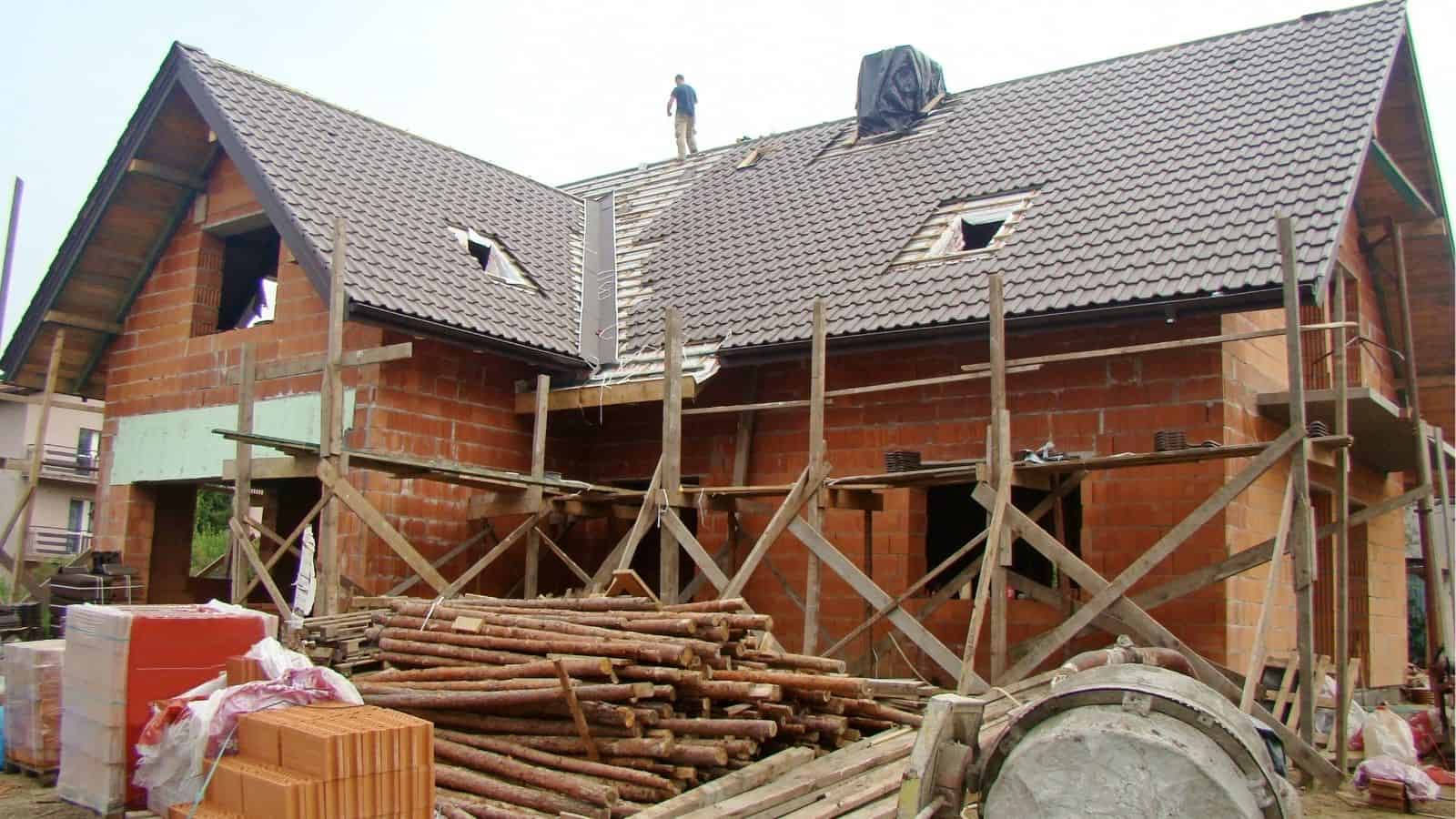
Low-cost materials may look appealing at first, but they wear out faster and cost more in the long term. Investing in higher-quality options reduces maintenance and replacement needs. It’s a simple way to avoid recurring expenses.
Taking On More DIY Than You Can Handle

Some projects look easy until you start them. Going beyond your skill level can lead to costly mistakes, damage, or safety risks. Knowing when to call a professional saves time and money.
Forgetting to Pull Permits

Skipping necessary permits may speed things up temporarily, but it can cause expensive issues later. Unpermitted work can block home sales or lead to fines. It’s always worth checking local requirements.
Overlooking Moisture Problems

Water damage spreads quietly and causes structural issues, mold, and expensive repairs. Fixing leaks or improving ventilation early prevents bigger headaches. Moisture problems should never be ignored.
Not Measuring Correctly
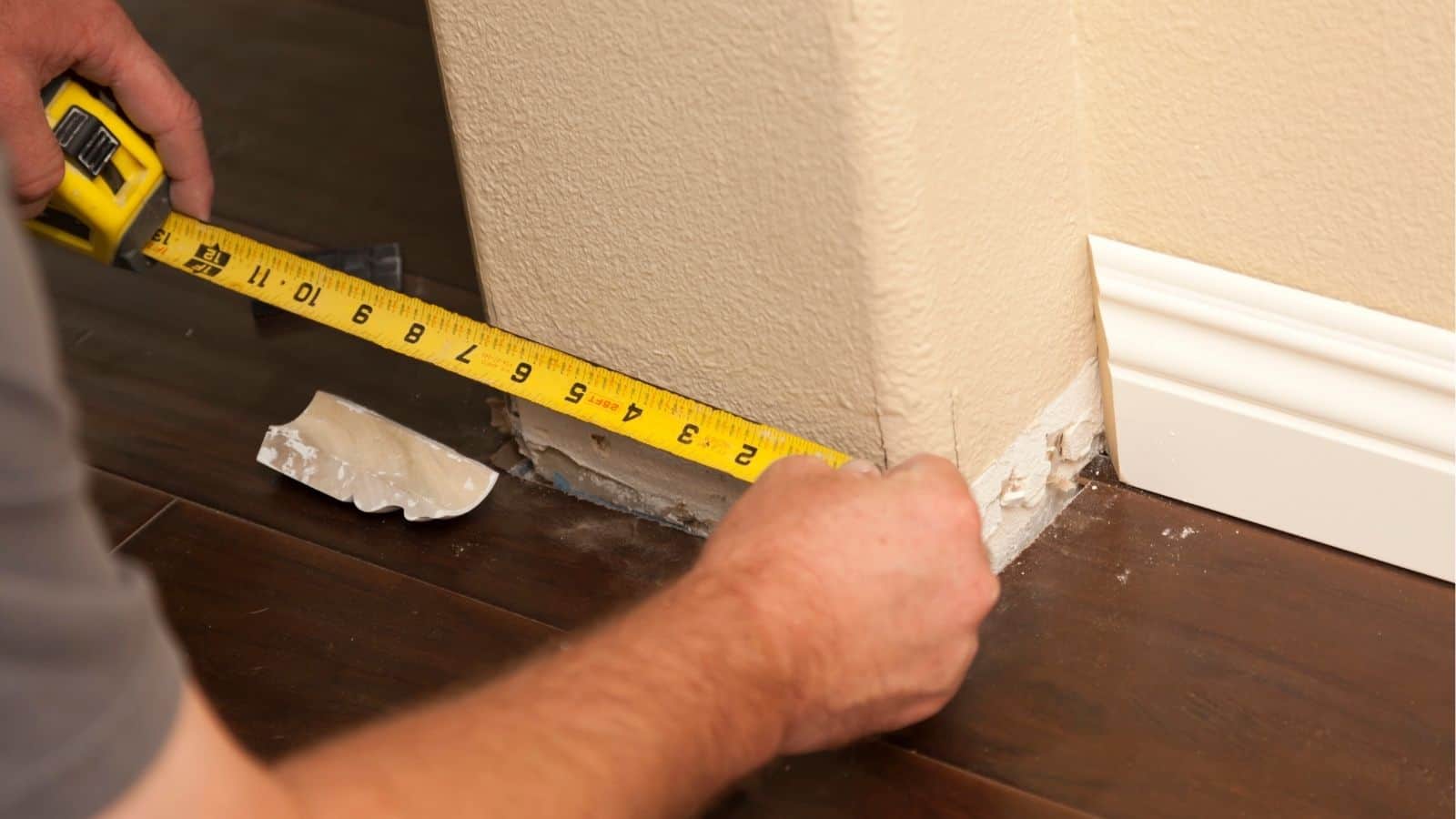
Even small measurement errors cause wasted materials, sizing issues, and delays. The “measure twice, cut once” rule saves money every time. Precise measurements are essential for accuracy and efficiency.
Ignoring Energy Efficiency

Old appliances, poor insulation, or drafty windows quietly raise utility bills. Small upgrades can significantly reduce long-term costs. Energy efficiency pays off year after year.
Choosing Trendy Over Timeless

Trendy colors or finishes may look stylish today but can age quickly. When they fall out of style, replacements add up. Timeless choices offer better value and longevity.
Over Improving Your Home

Spending too much on upgrades that don’t match your neighborhood can reduce resale value. It’s easy to invest more than you’ll ever get back. Make improvements that fit your home and local market.
Forgetting Maintenance After Upgrades

New installations still require regular care. Neglecting maintenance shortens the lifespan of appliances, flooring, or fixtures. A simple upkeep routine protects your investment.
Poor Lighting Choices

Inadequate or harsh lighting can make a space feel uninviting and require costly adjustments later. Planning a balanced lighting layout avoids unnecessary rewiring. The right lighting elevates both function and style.
Not Ventilating During Projects

Paint fumes, dust, and chemicals can cause long-term indoor air issues. Proper ventilation keeps your home safe and prevents lingering odors. It also protects your health during renovations.
Hiring the Cheapest Contractor

Low bids are tempting, but they often signal incomplete work, poor materials, or inexperience. Paying a bit more for reputable professionals saves money in the end. Quality workmanship matters.
Ignoring Small Problems Until They Grow

Tiny cracks, minor leaks, or loose fixtures may not seem urgent, but they worsen over time. Fixing issues early prevents expensive repairs. A little attention now avoids big costs later.
Avoiding these common home improvement mistakes helps protect both your budget and your home’s long-term value. With smart planning and careful decisions, you can tackle projects confidently and prevent costly surprises. Stay proactive and attentive, and your improvements will pay off in lasting results.





Comments
No Comments