

An herbal garden can be more than just a source of flavor for your kitchen—it can be a sustainable, eco-friendly oasis right in your backyard or windowsill. By growing your own herbs, you reduce packaging waste, cut down on store-bought produce, and enjoy fresh, chemical-free ingredients all year round.
With the right planning and a few sustainable practices, you can create a garden that’s both beautiful and beneficial to the environment. These tips will help you choose the right herbs, use resources wisely, and maintain a thriving, planet-friendly herb garden at home.
Choose Perennial Herbs

Jump to a Section
Opt for perennial herbs like rosemary, thyme, oregano, and mint. These plants come back year after year, saving you the effort and resources needed for replanting. They’re also hardy and require less maintenance than annual varieties.
Start with Organic or Heirloom Seeds

Selecting organic or heirloom seeds ensures your herbs are grown without synthetic chemicals and supports biodiversity. These seeds often produce more flavorful plants and can be saved for future planting.
Use Compost to Enrich Soil

Skip chemical fertilizers and nourish your herbs with compost. Kitchen scraps like vegetable peels, coffee grounds, and eggshells break down into nutrient-rich soil, reducing waste and boosting plant health naturally.
Collect Rainwater for Irrigation

Set up a rain barrel to collect water from your roof or gutters. Using rainwater conserves tap water, reduces your utility bill, and provides plants with soft, chemical-free hydration.
Practice Companion Planting

Pair herbs that benefit each other’s growth, such as basil with parsley or rosemary with sage. This method improves soil health, deters pests, and makes your garden more productive without extra inputs.
Control Pests Naturally

Avoid harsh pesticides by using natural solutions like neem oil, garlic spray, or insect-repelling plants such as lavender. These methods keep your herbs safe for consumption while protecting pollinators.
Grow in Recycled Containers

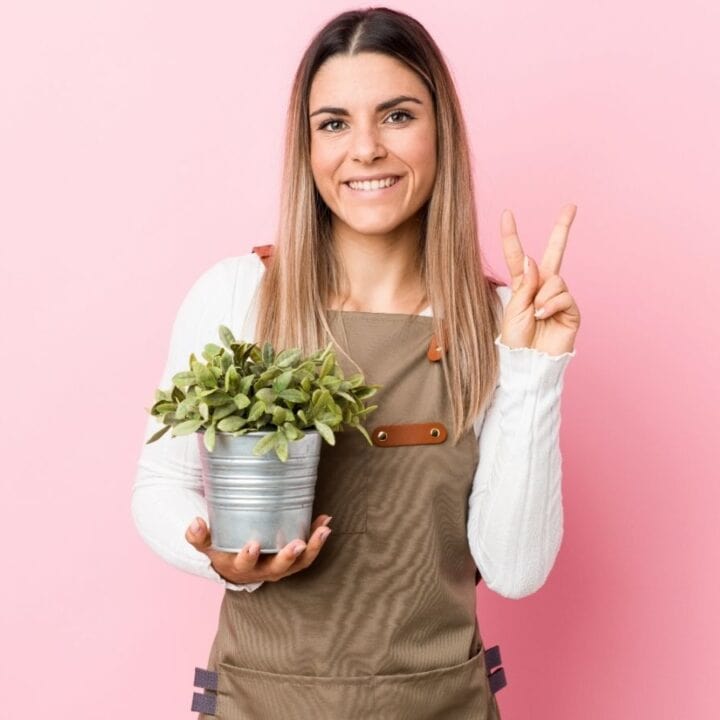
Repurpose items like old buckets, wooden crates, or tin cans into herb planters. Not only does this reduce waste, but it also adds a rustic charm to your garden space.
Harvest Mindfully

Take only what you need and trim herbs in a way that encourages healthy regrowth. Regular, gentle harvesting helps maintain plant vigor and ensures a steady supply throughout the season.
Build a sustainable herbal garden with mindful planting, natural pest control, and water-wise habits for fresh flavors and long-term growth.



Comments
No Comments