

As blackberry season winds to a close, I grab my basket and head back out—because late summer still has plenty to offer for foragers. While most people stop at berries, there’s a whole second wave of wild edibles hiding in plain sight.
These lesser-known finds are flavorful, useful, and often easier to spot once the brambles die back. Here are the plants I start looking for every year as the blackberries begin to fade—and why you might want to do the same.
Elderberries

Jump to a Section
These deep purple clusters ripen just after blackberries and are packed with antioxidants. I use them for syrup and jam, but only after cooking—they’re not safe raw.
Rose Hips

After the roses drop their petals, rose hips begin to form. Tart and rich in vitamin C, I harvest these to dry for tea or make a soothing syrup.
Pineapple Weed

A wild cousin of chamomile, this little plant smells sweet and grows along gravel paths and open fields. I gather the flowers for calming tea.
Lamb’s Quarters

Still thriving in late summer, this wild green tastes like spinach and grows just about anywhere. I sauté the leaves or toss them into soups and omelets.
Wild Grapes

These tangy, deeply colored fruits cling to vines in late summer. They're too sour for some palates, but I love turning them into jelly or homemade vinegar.
Hawthorn Berries

Once overlooked, these red berries are packed with heart-healthy benefits. I dry them to use in tea blends or simmer them into syrup.
Chickweed (Late Blooms)

While chickweed thrives in spring, patches often linger into late summer in shaded spots. I harvest the tender tops for salads and sandwiches.
Goldenrod

Not just a weed—goldenrod’s yellow plumes can be steeped into tea for seasonal allergies. I always make sure I’m harvesting goldenrod, not look-alike ragweed.
Yarrow
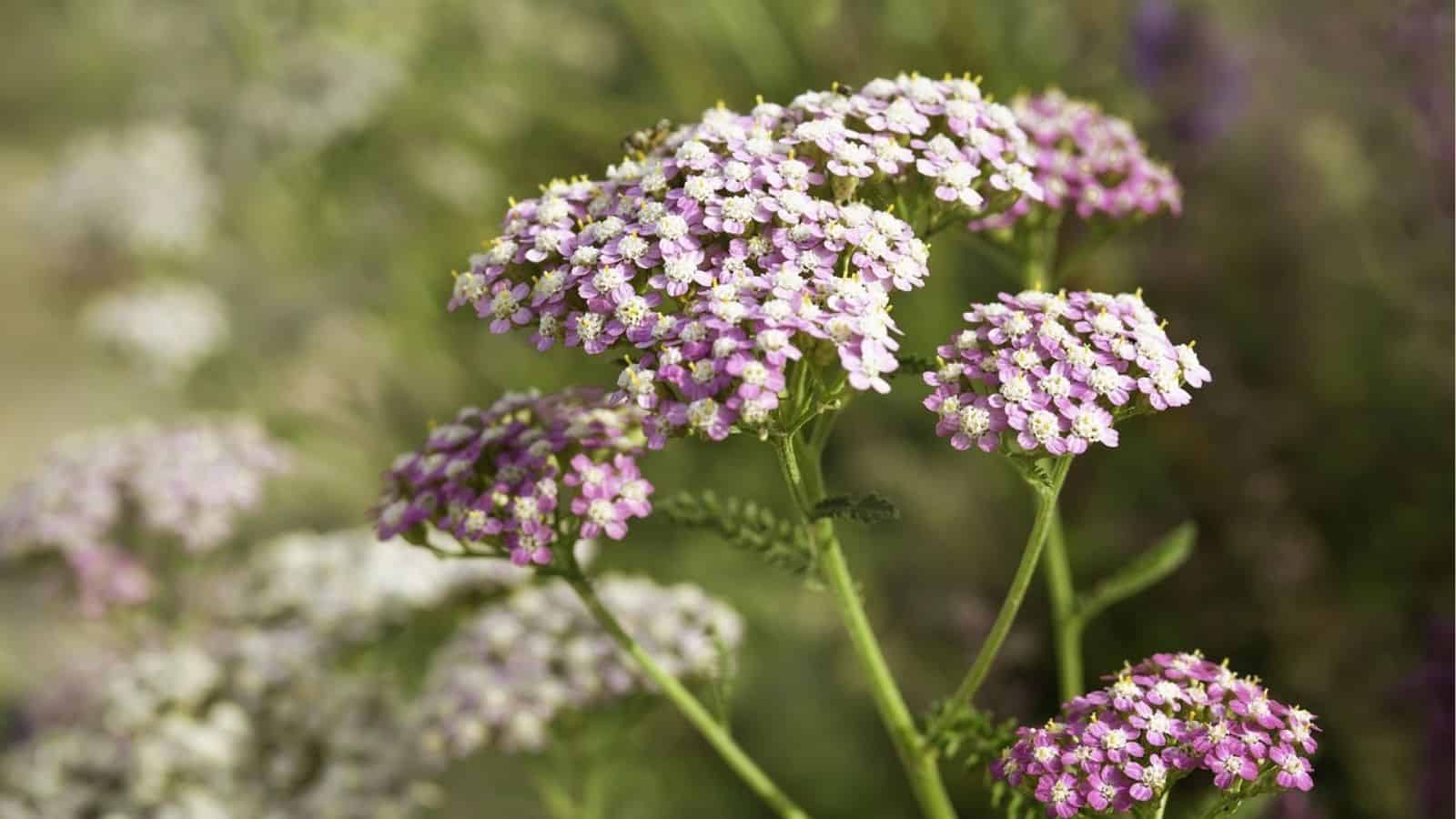
Still flowering in open meadows, yarrow is a go-to for homemade salves and first-aid remedies. I snip a few blossoms to dry for winter use.
Purslane

This succulent, often dismissed as a weed, is rich in omega-3s and adds a lemony crunch to salads. It thrives in dry soil and hot weather, making it a reliable late-season edible.
Crabapples

These small, sour fruits ripen just as summer fades. I collect them for jellies, shrub syrups, or even fermented vinegar.
Just because blackberry season ends doesn’t mean the foraging stops. Late summer offers a surprising variety of wild plants ready to be gathered, preserved, and enjoyed. Grab a basket, bring your field guide, and see what the season still has in store.



Comments
No Comments