
• Skip to main content
  • Skip to primary sidebar

Schisandra & Bergamot logo

menu icon
go to homepage
  • Index
  • Subscribe
  • About
  • Contact
  • Soap Calculator
    • Facebook
    • Instagram
    • Pinterest
  • subscribe
    search icon
    Homepage link
    • Index
    • Subscribe
    • About
    • Contact
    • Soap Calculator
    • Facebook
    • Instagram
    • Pinterest
  • ×
    Home » Trending

    Published: Aug 15, 2025 by Kristen Wood · This post may contain affiliate links.

    I Gave Up Mulch for These Natural Alternatives

    13 shares
    • Facebook
    • Reddit

    For years, I relied on store-bought mulch to keep weeds down and moisture in—but I found it costly and sometimes messy. After a few growing seasons of experimenting, I discovered natural alternatives that worked just as well (and often better).

    These low-cost, earth-friendly options not only keep my garden thriving, but they also make cleanup easier and help support soil health.

    Fallen Leaves

    A pile of colorful autumn leaves, in shades of red, yellow, and orange, rests on a wooden bench with a patch of green grass visible in the background.
    Photo Credit: congerdesign/Pixabay

    Jump to a Section

    • Fallen Leaves
    • Grass Clippings
    • Straw or Hay
    • Compost
    • Wood Chips from Tree Trimmings
    • Pine Needles
    • Cardboard or Newspaper
    • Weed-Free Garden Trimmings
    • Living Mulch (Ground Covers)
    • Cocoa Bean Hulls or Other Crop Byproducts

    Instead of bagging up autumn leaves, I shred and scatter them around plants. They break down slowly, add nutrients, and mimic forest floor mulch.

    Grass Clippings

    Person wearing white boots and jeans uses a pitchfork to move a pile of freshly cut grass or hay on a concrete surface.
    Photo Credit: LightFieldStudios/Envato

    Freshly mowed grass creates an effective moisture barrier. Just let them dry out a bit first so they don’t form a dense, moldy mat.

    Straw or Hay
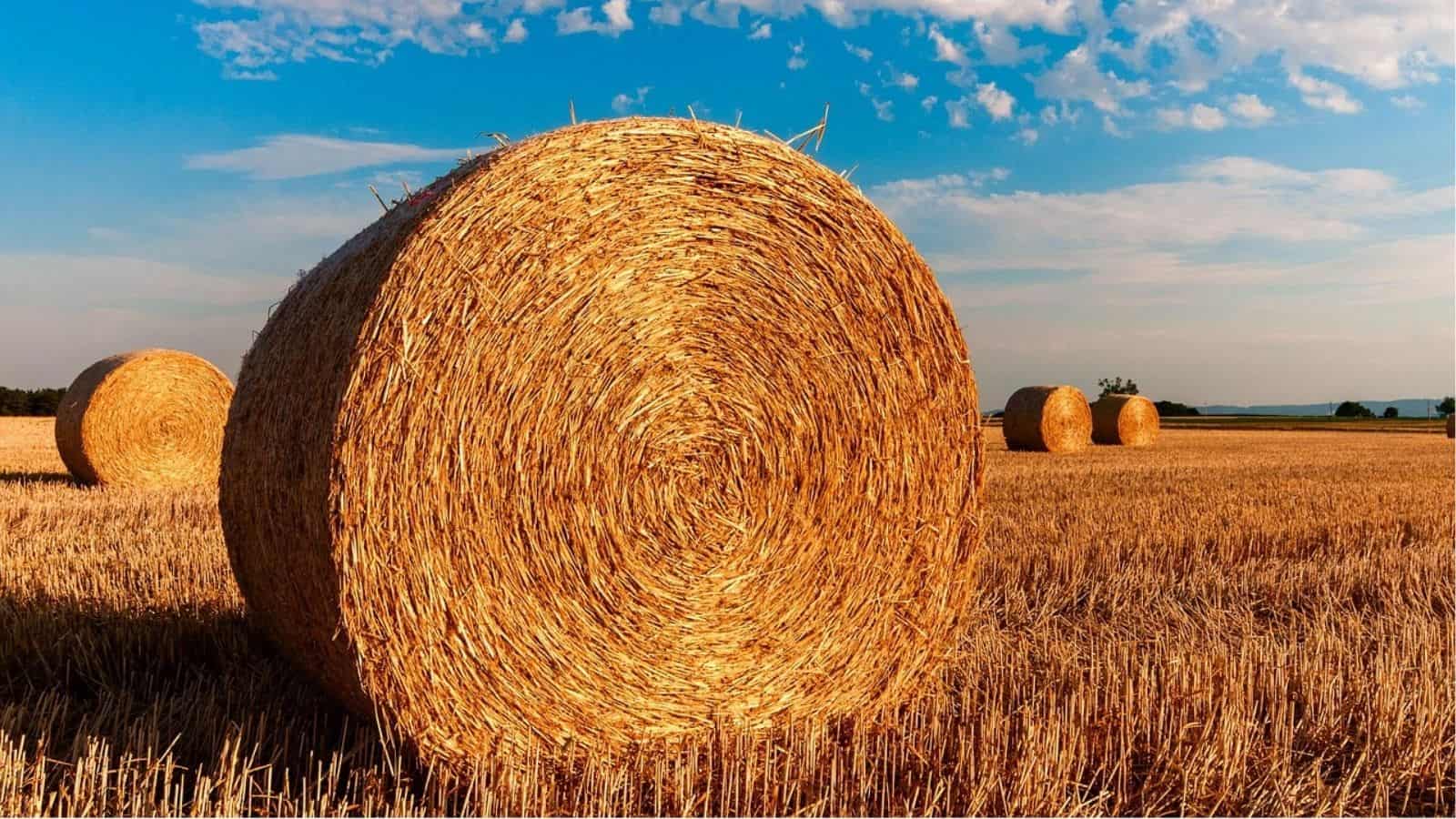
    Large round hay bales sit in a harvested field under a blue sky with scattered clouds.
    Photo Credit: bogitw/Pixabay

    Clean straw is great for veggie gardens. It suppresses weeds, decomposes nicely, and adds organic matter to the soil.

    Compost

    A close-up of a compost pile with food scraps including orange peels, egg shells, vegetable skins, and plant stems in various stages of decomposition.
    Photo Credit: Ben_Kerckx/Pixabay

    A layer of compost does double duty—feeding the soil and acting like mulch. It also attracts beneficial organisms like worms.

    Wood Chips from Tree Trimmings

    A close-up view of a pile of light brown wood chips scattered across the ground.
    Photo Credit: geralt/Pixabay

    Local arborists often give away free wood chips. They’re perfect for paths, beds, and around trees and shrubs.

    Pine Needles
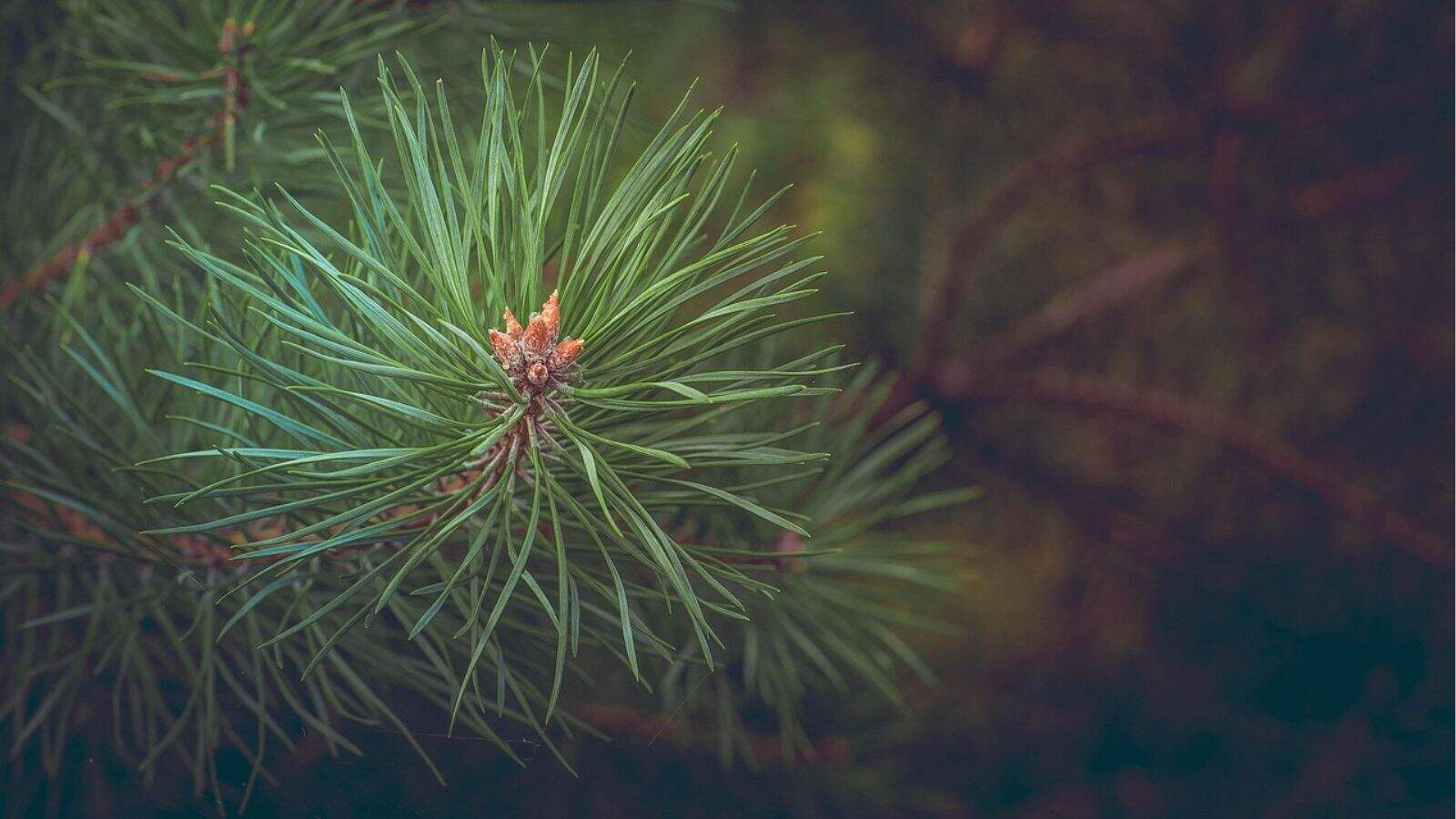
    Close-up of a pine tree branch with green needles and small brown buds, set against a blurred dark green background.
    Photo Credit: RondellMelling/Pixabay

    Pine straw is lightweight, easy to spread, and slow to decompose. It’s especially great for acid-loving plants like blueberries.

    Cardboard or Newspaper

    A stack of folded newspapers with Japanese text lies on a light-colored wooden surface.
    Photo Credit: fas/Pixabay

    Layered beneath another mulch or used alone, cardboard and newspaper block weeds and slowly break down into the soil.

    Weed-Free Garden Trimmings
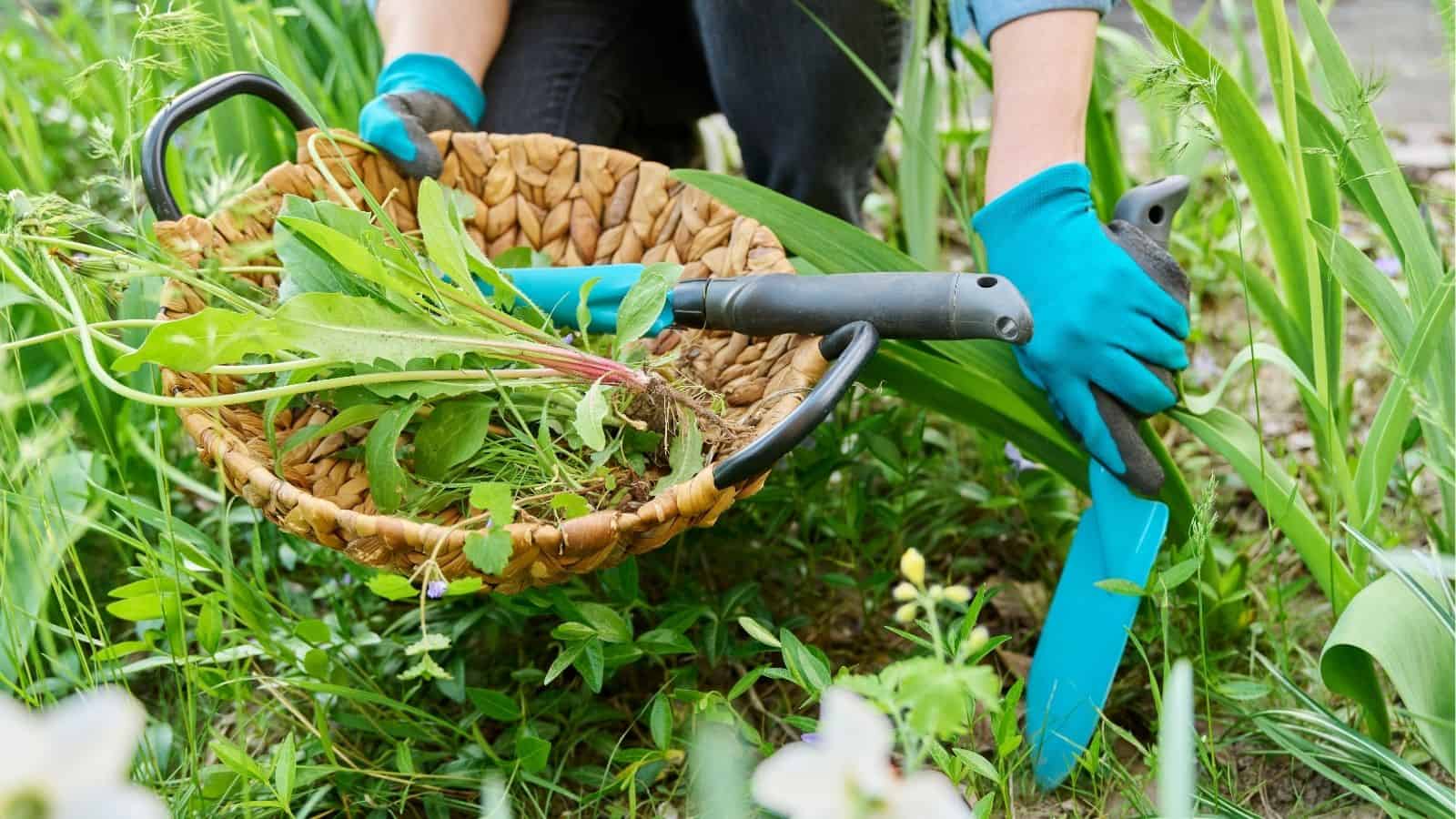
    Person wearing blue gloves weeding a garden, holding a basket with pulled weeds and using a small hand shovel among green plants.
    Photo Credit: valeriygoncharukphoto/Envato

    Spent plant stalks and soft clippings can be chopped and laid around garden beds. Just avoid anything seedy or diseased.

    Living Mulch (Ground Covers)

    Close-up view of green star-shaped moss plants densely covering the ground.
    Photo Credit: cocoparisienne/Pixabay

    Low-growing plants like clover, creeping thyme, or oregano shade the soil, crowd out weeds, and benefit pollinators too.

    Cocoa Bean Hulls or Other Crop Byproducts

    A close-up of dried cacao beans inside a cacao pod shell, with additional beans scattered around.
    Photo Credit: allybally4b/Pixabay

    If available locally, cocoa hulls, rice hulls, or nut shells make a beautiful, fragrant, and effective mulch—just be sure they’re pet-safe.

    You don’t need bagged mulch to give your garden what it needs. These natural alternatives keep your soil healthy, your weeds in check, and your garden looking great. Try mixing a few methods this season—you might never go back to store-bought mulch again.

    More Trending

    • A woman talking on a cell phone.
      15 overlooked spots in your home that need winter attention
    • Person holding a potted plant and a spray bottle stands in a kitchen with green cabinetry and wooden shelves in the background.
      15 indoor gardening habits that pay off year-round
    • An older woman and a young girl sit on a couch smiling at each other while looking at an open book in the girl's lap.
      15 practical skills grandparents learned early that still matter
    • A woman in an apron holds a potted plant in one hand and makes a peace sign with the other, standing against a pink background.
      15 plants that symbolize renewal, rest, and winter wisdom

    About Kristen Wood

    Kristen is a plant lover, gardener, self-taught herbalist, cookbook author, writer, and photographer with a certification in functional nutrition. Every recipe and DIY project is tested at least three times before it's published. Her work has been featured in Willow and Sage Magazine, Forbes, NBC, New York Daily News, Healthline, MSN, Elle, Yoga Journal, and more. She is also a syndicated writer for The Associated Press.

    Reader Interactions

    Comments

    No Comments

    Leave a Reply Cancel reply

    Your email address will not be published. Required fields are marked *

    Recipe Rating


    Primary Sidebar

    A close up of a woman's face in the sun, radiating with the gentle glow of schisandra and bergamot home.

    About Kristen Wood

    Kristen is a plant lover, gardener, cookbook author, writer, and photographer with a certification in functional nutrition. Her work has been featured in many online and print publications including Willow and Sage Magazine, Forbes, NBC, New York Daily News, Healthline, MSN, Elle, Yoga Journal, and many more. She is also a syndicated writer for The Associated Press Wire.

    Learn more about me →

    Follow us!

    Footer

    ↑ back to top

    About

    • About Schisandra and Bergamot
    • Privacy Policy
    • Accessibility Statement
    • Disclaimer
    • Contact

    Newsletter

    • Sign up for our newsletter to receive our latest posts!

    Resources

    • Melt and Pour Soap Calculator

    Copyright © 2026 Schisandra & Bergamot
    Disclaimer: As An Amazon Associate I Earn From Qualifying Purchases.

    13 shares