

Composting doesn’t have to be complicated, especially when you make use of the kitchen scraps you already produce every day. These simple leftovers break down quickly, enrich your compost pile, and help create the dark, crumbly soil your plants love. By saving the right scraps, you can reduce waste and boost your garden at the same time.
With just a little effort, these everyday items transform into valuable nutrients that improve soil structure and plant health. Start collecting them now and composting becomes effortless.
Fruit Peels

Jump to a Section
Banana, apple, and orange peels break down quickly and add essential nutrients. They’re rich in potassium, which plants love. Chop them up to speed the process.
Vegetable Ends and Peels

Carrot tops, onion skins, and potato peels are composting classics. They provide vital minerals and moisture. Keep a countertop bin to collect them easily.
Coffee Grounds

Used coffee grounds add nitrogen to your compost. They help balance carbon-heavy materials. Worms also love them, which speeds decomposition.
Tea Bags and Loose Tea Leaves

Tea leaves offer nitrogen, and many bags are compostable. Just remove staples or synthetic materials. They break down fast and enrich your pile.
Eggshells

Crushed eggshells add calcium, helping prevent blossom-end rot in tomatoes and peppers. They break down slowly but improve soil structure. Rinse them first to reduce odors.
Stale Bread and Grains

Old bread, rice, pasta, and crackers can be composted. Break them into smaller pieces for quicker decomposition. Avoid moldy items that may attract pests.
Nut Shells

Non-oily nut shells like peanuts, almonds, and pistachios add texture and aeration. Crush them for faster breakdown. They help loosen dense compost.
Wilted Greens

Limp lettuce, spinach, and herbs add moisture and nutrients. They help keep compost active. Just avoid adding greens coated in heavy dressings.
Corn Cobs and Husks
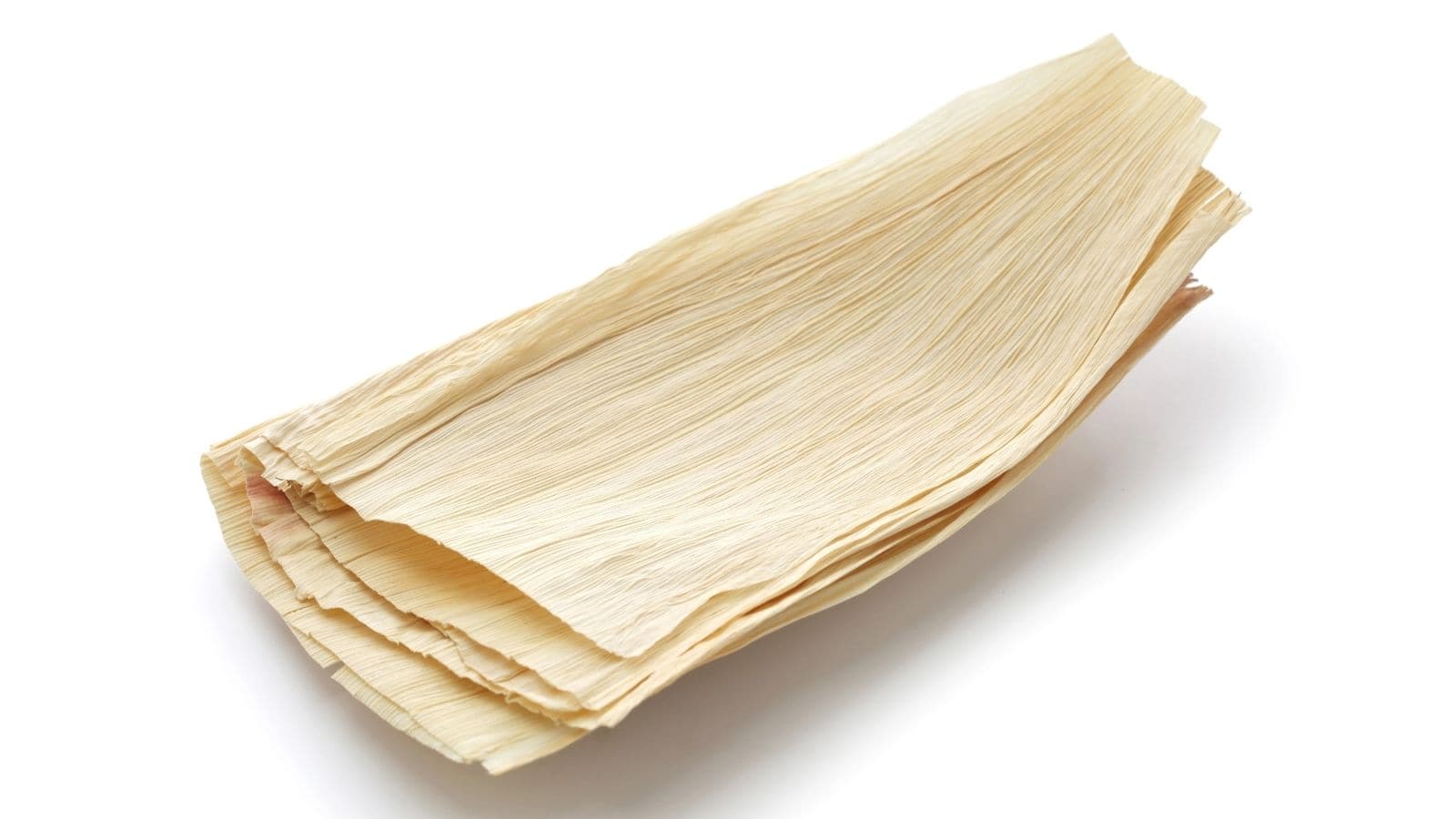
These take longer to break down but are excellent carbon sources. Shredding or cutting them speeds up the process. They add structure and airflow.
Banana Strings and Fibers

The stringy parts of bananas are often tossed but compost beautifully. They’re rich in nutrients and break down quickly. Add them along with the peel.
Citrus Rinds

In moderation, citrus rinds add fragrance and nutrients. Chop them into smaller pieces for faster composting. Too many can affect pH, so balance with browns.
Herb Stems

Thick stems from parsley, cilantro, and basil compost easily. They add both green matter and subtle fragrance. Save them after prepping meals.
Avocado Skins and Pits

Though slower to break down, avocado leftovers still offer nutrients. Crush pits or score skins to help the process. They enrich compost over time.
Cooked Vegetables Without Oil

Steamed or boiled veggies can be composted if they’re free of seasonings. They provide moisture and nutrients. Avoid anything oily or heavily flavored.
Pumpkin and Squash Guts

Seeds, fibers, and leftover pumpkin flesh compost beautifully. They break down into rich organic material. They’re a great way to reduce holiday or seasonal waste.
Saving the right kitchen scraps makes composting easy, efficient, and incredibly rewarding. These simple ingredients turn into nutrient-rich compost that boosts your garden naturally. Once you build the habit, you’ll cut down on waste and enjoy healthier soil all year long.



Comments
No Comments