
• Skip to main content
  • Skip to primary sidebar

Schisandra & Bergamot logo

menu icon
go to homepage
  • Index
  • Subscribe
  • About
  • Contact
  • Daily Plant
    • Facebook
    • Instagram
    • Pinterest
  • subscribe
    search icon
    Homepage link
    • Index
    • Subscribe
    • About
    • Contact
    • Daily Plant
    • Facebook
    • Instagram
    • Pinterest
  • ×
    Home » Trending

    Published: Sep 16, 2025 by Kristen Wood · This post may contain affiliate links. If you make a purchase through links on our site, we may earn a commission. ·

    11 Landscaping Tips That Actually Save Money Over Time

    11 shares
    • Facebook
    • Reddit

    Landscaping can feel expensive, but the right choices can save you money year after year. From planting low-maintenance greenery to making smarter use of natural resources, thoughtful landscaping is both practical and beautiful. These tips focus on creating outdoor spaces that are easy to care for and budget-friendly.

    By planning wisely, you can enjoy a yard that looks great without draining your wallet. Here are 11 landscaping strategies that actually pay off over time.

    Plant Native Species
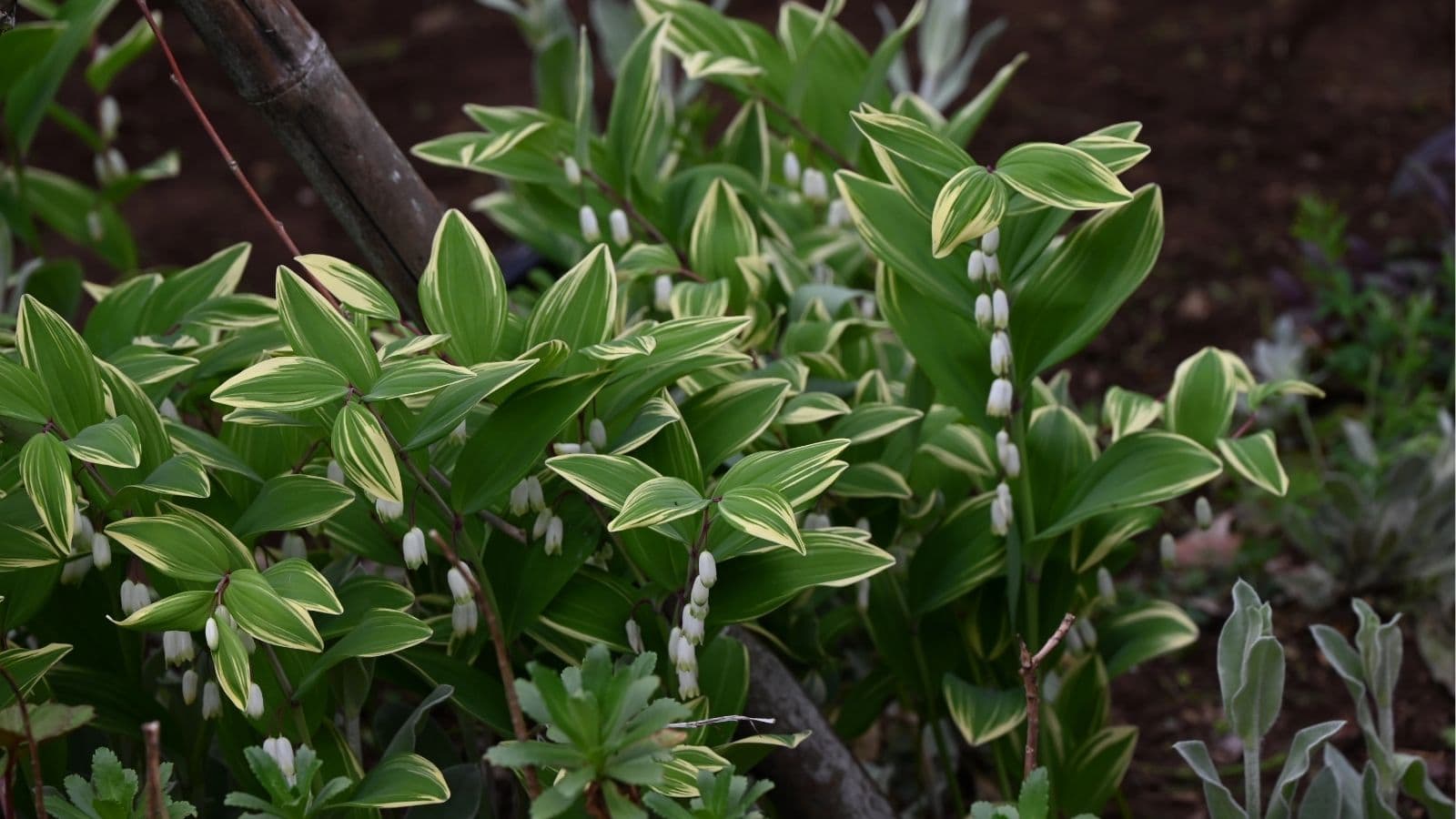
    Variegated green leaves with white edges and small white bell-shaped flowers growing in a garden bed.
    Photo Credit: YK1500/Deposit Photos

    Native plants are naturally adapted to your local climate, meaning they need less water and maintenance. They resist common pests and diseases, saving you money on treatments. Over time, they thrive with minimal care compared to non-native plants.

    Use Mulch to Retain Moisture

    A close-up view of a pile of brown wood chips and mulch pieces, showing rough, uneven textures and various shades of brown.
    Photo Credit: Paul Green/Unsplash

    Mulch helps soil retain water, reducing how often you need to irrigate. It also suppresses weeds, saving time and money on weeding products. Plus, it breaks down into nutrients that improve soil health over time.

    HERB OF THE DAY · Explore today’s herb →

    Install Drip Irrigation

    Row of young seedlings growing in dark soil beside a black drip irrigation pipe, surrounded by dry, lighter soil.
    Photo Credit: FotoHelin/Deposit Photos

    Drip irrigation delivers water directly to plant roots, minimizing waste. This method lowers your water bill compared to sprinklers. It also promotes healthier plant growth by preventing overwatering.

    Choose Perennials Over Annuals

    Potted plants with colorful flowers and green foliage arranged closely together on a stone surface.
    Photo Credit: Studio_OMG/Envato

    Perennials return year after year, eliminating the need to replant every season. While they may cost a little more upfront, they save money in the long run. They also provide consistent beauty and structure in your landscape.

    Collect Rainwater for Irrigation

    A blue plastic barrel stands upright on wet ground in the rain, with some grass and wooden planks nearby and a blurred dirt road in the background.
    Photo Credit: mauriciotoro10/Envato

    Rain barrels or collection systems provide free water for your garden. Using rainwater reduces your utility costs while conserving resources. It’s a simple investment that pays off quickly.

    Go With Ground Covers Instead of Grass

    A dense green field of clover leaves fills the entire frame with varying hues of green.
    Photo Credit: soramang/Pixabay

    Grass lawns demand constant watering, mowing, and fertilizing. Ground covers like clover or creeping thyme require far less maintenance. They save money while still keeping your yard green and attractive.

    Plant Shade Trees Strategically

    Photo Credit: senencov/Envato

    Trees placed near your home can reduce cooling costs in the summer. They provide natural shade and help regulate temperatures indoors. Over time, this landscaping choice can significantly cut energy bills.

    Use Compost Instead of Store-Bought Fertilizer

    Person adding food scraps to a wooden compost bin filled with fruit and vegetable waste.
    Photo Credit: Aaaarianne/Envato

    Homemade compost recycles food and yard waste into nutrient-rich soil. It eliminates the need for expensive fertilizers and soil amendments. Plus, it improves soil health naturally and sustainably.

    Group Plants by Water Needs

    A collection of houseplants in various pots on a wooden surface, with a light gray background.
    Photo Credit: NewAfrica/Deposit Photos

    Planting species with similar water requirements together makes irrigation more efficient. This prevents overwatering and reduces waste. It also helps your plants grow stronger and healthier.

    Limit Lawn Size

    A well-maintained front yard features a lush green lawn, circular flower beds with colorful blooms, and a porch with potted plants in front of a house.
    Photo Credit: fotomine/Deposit Photos

    Large lawns can be costly to maintain. Reducing lawn space with flower beds, shrubs, or decorative stones saves money on water and upkeep. It also creates a more interesting and diverse landscape.

    Invest in Durable Hardscaping

    A worker in a red cap and gloves is kneeling while installing gray paving stones on a walkway, with stacks of unused stones nearby.
    Photo Credit: welcomia/Deposit Photos

    Patios, walkways, and stone borders may cost more upfront but last for decades. They require little to no maintenance compared to cheaper materials. Over time, durable hardscaping prevents costly replacements.

    Landscaping doesn’t have to mean high costs and endless maintenance. By choosing smart, long-term strategies, you can enjoy a beautiful outdoor space that saves money year after year.

    More Trending

    • A woman talking on a cell phone.
      15 overlooked spots in your home that need winter attention
    • Person holding a potted plant and a spray bottle stands in a kitchen with green cabinetry and wooden shelves in the background.
      15 indoor gardening habits that pay off year-round
    • An older woman and a young girl sit on a couch smiling at each other while looking at an open book in the girl's lap.
      15 practical skills grandparents learned early that still matter
    • A woman in an apron holds a potted plant in one hand and makes a peace sign with the other, standing against a pink background.
      15 plants that symbolize renewal, rest, and winter wisdom

    About Kristen Wood

    Kristen is a plant lover, gardener, certified functional nutritional expert, cookbook author, writer, and photographer. Her work has been featured in many online and print publications including Willow & Sage Magazine, Forbes, NBC, New York Daily News, Healthline, MSN, Elle, Yoga Journal, and many more. She is also a syndicated writer for The Associated Press.

    Reader Interactions

    Comments

    No Comments

    Leave a Reply Cancel reply

    Your email address will not be published. Required fields are marked *

    Recipe Rating


    Primary Sidebar

    A close up of a woman's face in the sun, radiating with the gentle glow of schisandra and bergamot home.

    About Kristen Wood

    Kristen is a plant lover, gardener, certified functional nutritional expert, cookbook author, writer, and photographer. Her work has been featured in many online and print publications including Willow & Sage Magazine, Forbes, NBC, New York Daily News, Healthline, MSN, Elle, Yoga Journal, and many more. She is also a syndicated writer for The Associated Press.

    Learn more about me →

    Herb of the Day

    Meet today’s featured herb with gentle kitchen ideas, botanical notes, folklore, and a quiet reflection to take with you.

    Explore Today’s Herb

    Follow us!

    Footer

    ↑ back to top

    About

    • Privacy Policy
    • Google Web Stories
    • Accessibility Statement
    • Disclaimer

    Newsletter

    • Sign up for our newsletter to receive our latest posts!

    Contact

    • Contact

    Copyright © 2026 Schisandra & Bergamot
    Disclaimer: As An Amazon Associate I Earn From Qualifying Purchases.

    Herb of the Day

    Discover today’s featured herb with simple kitchen ideas, botanical notes, folklore, and a reflective message.

    Explore
    11 shares