

As the growing season winds down, it’s the perfect time to prepare your garden for a strong start next spring. Late-season tasks may not feel urgent now, but they make a huge impact once the weather warms up.
With a little planning and cleanup, you can save time, prevent problems, and boost your garden’s productivity. These simple end-of-season steps help your garden rest, recover, and get ready for new growth. Tackle a few now and enjoy a healthier, more vibrant spring garden.
Clear Out Spent Plants

Jump to a Section
Removing faded annuals and dead vegetable crops prevents pests and diseases from overwintering. It also frees up space for soil improvement. A clean garden bed makes spring planting much easier.
Add a Layer of Compost

Spreading compost in fall allows nutrients to break down and enrich the soil all winter. By spring, your garden beds will be naturally refreshed. It’s one of the simplest ways to boost soil health.
Plant Cover Crops

Cover crops like clover or winter rye protect bare soil from erosion. They also add organic matter as they decompose. This improves soil fertility for the next growing season.
Mulch Garden Beds

A thick layer of mulch insulates soil, protects roots, and prevents weeds. It also helps retain moisture during dry winter periods. Mulching now reduces spring maintenance significantly.
Divide Perennials

Fall is the ideal time to divide overcrowded perennials. This keeps plants healthy and encourages better blooming next year. It’s also a great way to expand your garden for free.
Plant Spring-Flowering Bulbs

Tulips, daffodils, and crocuses need cold soil to develop healthy blooms. Planting them now ensures a colorful early-spring display. Just tuck them into well-drained soil before the ground freezes.
Prune Diseased or Damaged Branches

Removing unhealthy branches prevents disease from spreading through winter. It also reduces the risk of breakage in storms or heavy winds. Only prune what’s clearly damaged and save major shaping for spring.
Clean and Store Garden Tools
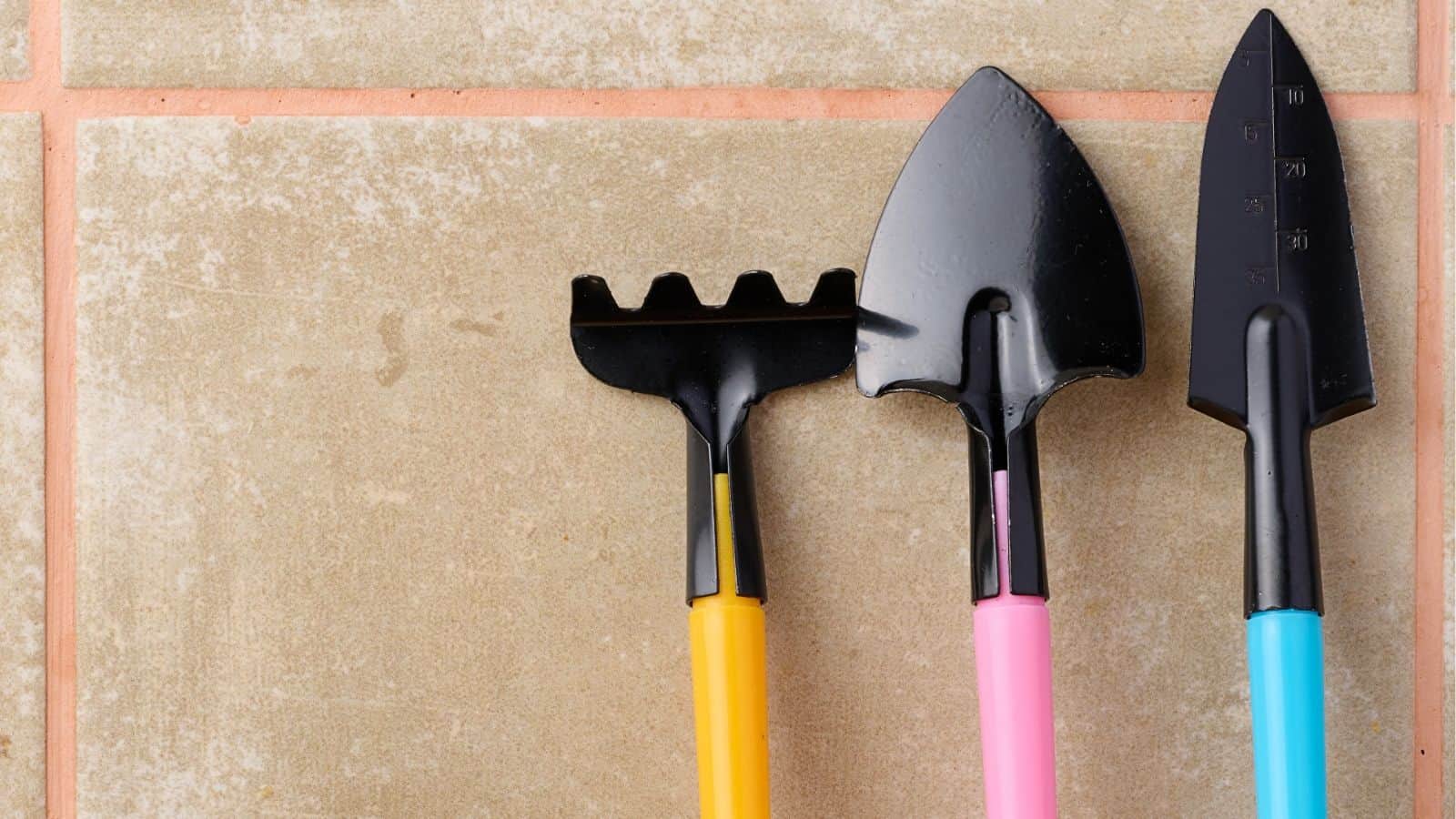
Washing and drying tools keeps them from rusting over winter. A quick coat of oil on metal parts helps them last longer. Proper storage ensures they’re ready to use when spring arrives.
Protect Tender Plants

Use frost cloth, mulch, or burlap to shield sensitive plants from winter temperatures. This prevents dieback and helps them rebound more quickly. Even a simple wind barrier can make a big difference.
Empty and Store Garden Containers

Soil left in pots can freeze and crack containers. Emptying and cleaning them extends their lifespan. Stack them neatly so they’re ready for spring planting.
Drain and Winterize Hoses

Water left in hoses or irrigation lines can freeze and cause damage. Draining them ensures they stay functional for next season. Store hoses coiled and out of the elements.
Rake Fallen Leaves

Leaves left in thick piles can smother grass and create mold issues. Compost them or use them as mulch instead. This keeps your yard healthy and reduces spring cleanup.
Refresh Raised Beds

Top off raised beds with fresh soil or compost to replenish nutrients. This prepares them for early planting next year. A quick refresh now prevents soil compaction over winter.
Check Your Garden Layout

Late-season is the perfect time to assess what worked and what didn’t. Make notes for next year’s plant placement and spacing. A little planning helps you avoid repeat issues.
Clean Out the Greenhouse or Shed

A tidy garden workspace helps you start spring on the right foot. Organizing tools, pots, and supplies saves time later. It also prevents pests from settling in during colder months.
A bit of end-of-season care goes a long way when it comes to preparing your garden for spring. With these simple tasks, you’ll step into the new growing season ready, organized, and excited for fresh growth.





Comments
No Comments