Want a garden that feels natural, lush, and low-maintenance? These wild beauties practically grow themselves while still putting on a stunning show. Perfect for gardeners who want a little less stress and a lot more bloom.
Let your landscape take on a relaxed, cottage-meets-meadow vibe—no pruning, fussing, or perfection required.
Blanket Flower (Gaillardia)

Jump to a Section
This sun-loving perennial blooms in fiery reds and oranges, thriving in poor soil and full heat. It attracts pollinators and keeps blooming without much water. Once it’s in the ground, it’s a true set-it-and-forget-it plant.
Bee Balm (Monarda)

Bee balm’s shaggy, vibrant blooms draw in bees, butterflies, and hummingbirds alike. It spreads easily, making it ideal for naturalizing in wilder corners of your garden. It also has fragrant foliage and is great for herbal teas.
Coreopsis (Tickseed)

These cheerful daisy-like flowers bloom for months with little help from you. They tolerate drought, poor soil, and still manage to glow in yellow, pink, or red. They self-seed easily, filling in bare patches beautifully.
Yarrow (Achillea millefolium)

A rugged perennial with clusters of flat-topped flowers and ferny foliage. Yarrow tolerates heat, drought, and neglect like a champ. Bees adore it, and it adds a soft, meadow-like feel to any planting.
Wild Columbine (Aquilegia canadensis)

This native flower has nodding red and yellow blooms perfect for shade or dappled sunlight. It reseeds itself freely and adds delicate texture to woodland gardens. Hummingbirds can’t get enough of it.
Cup Plant (Silphium perfoliatum)

This towering native wildflower collects rainwater at its leaf bases, making it a haven for insects and birds. It requires zero pampering once established and creates a bold statement in the back of borders. It’s perfect for adding wild prairie charm.
Goldenrod (Solidago)

Often misunderstood, goldenrod is not the allergy culprit it’s made out to be. This bright yellow bloomer attracts beneficial insects and thrives in poor conditions. It’s a powerful pollinator plant with late-season appeal.
Purple Love Grass (Eragrostis spectabilis)
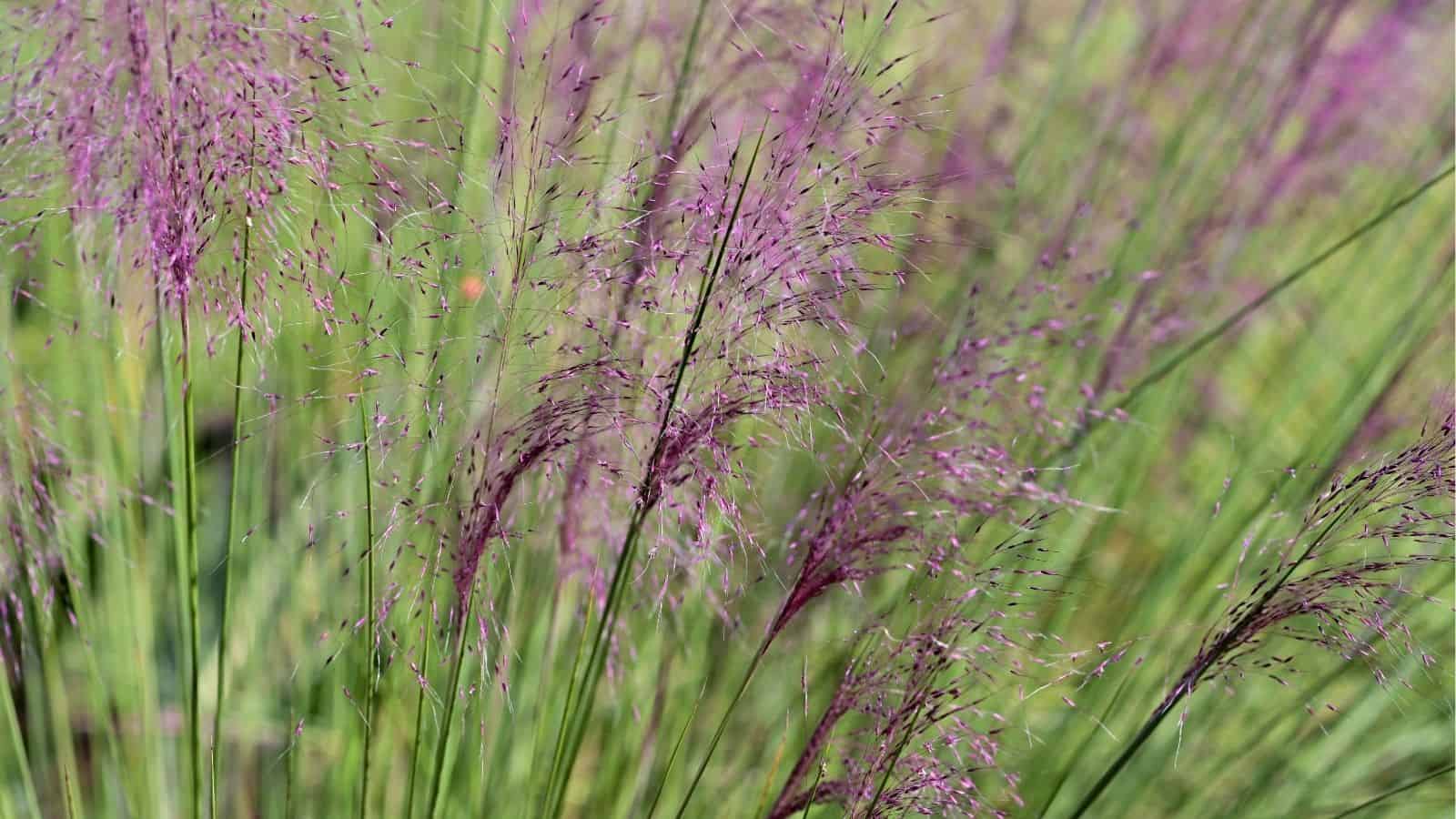
This ornamental native grass creates a hazy purple cloud in late summer and early fall. It’s drought-tolerant and perfect for weaving through flowerbeds or wild edges. It offers both movement and soft color without maintenance.
Spiderwort (Tradescantia ohiensis)

This early-season perennial offers vibrant blue-purple flowers that open in the morning and close by afternoon. It’s nearly indestructible and spreads naturally over time. It’s ideal for filling shady, damp spots.
Anise Hyssop (Agastache foeniculum)

With fragrant licorice-scented leaves and tall spikes of purple flowers, this herbaceous perennial thrives on neglect. It’s a magnet for bees and butterflies, and deer usually leave it alone. Plus, it’s great for homemade teas.
Prairie Coneflower (Ratibida columnifera)
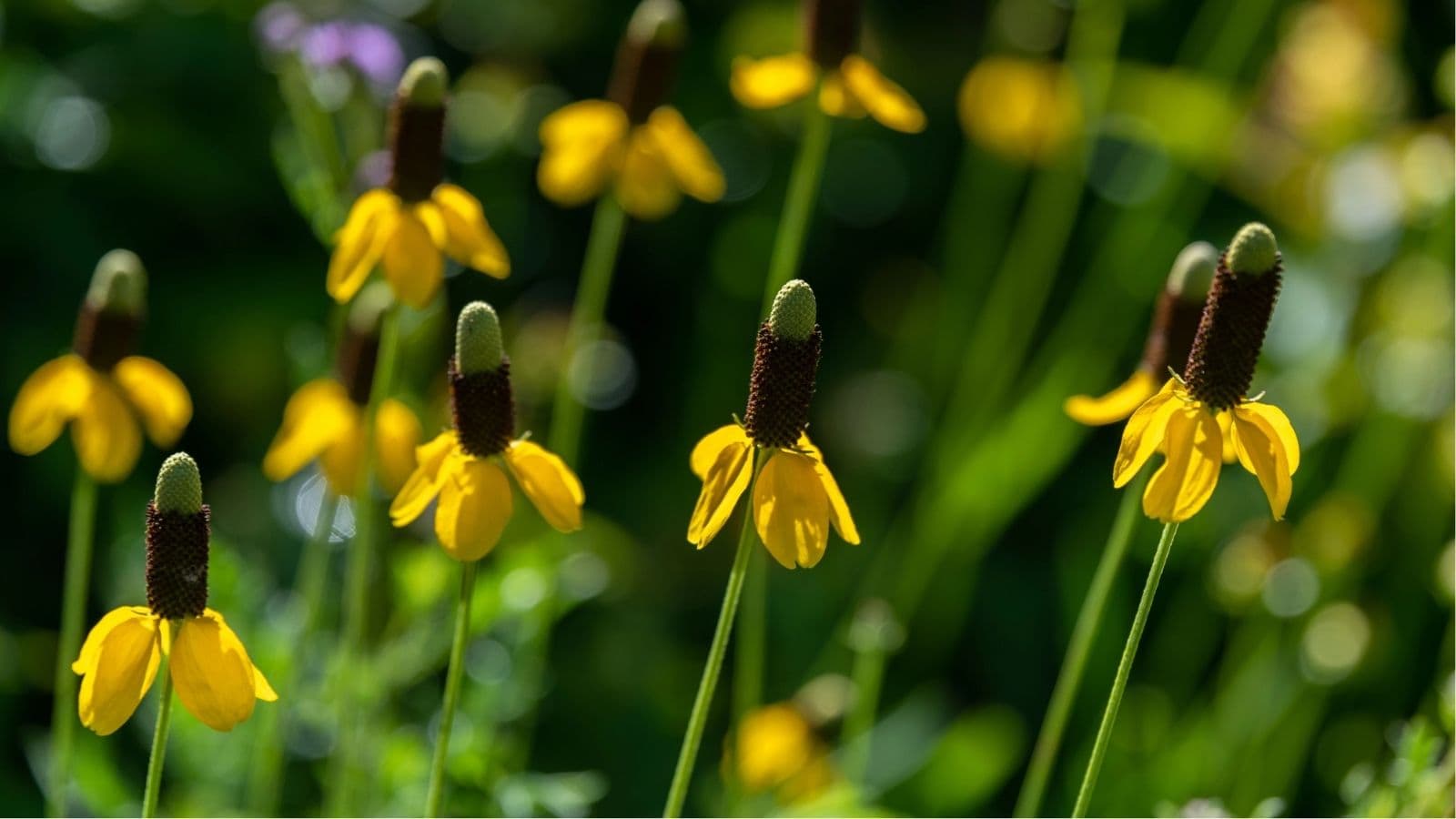
This native wildflower boasts whimsical, sombrero-like blooms in yellow or red. It thrives in tough conditions and adds a sense of playfulness to wild gardens. Once planted, it returns reliably year after year.
Who says beauty has to come with high effort? These effortless plants bring vibrant color, natural movement, and wildlife to your garden with minimal upkeep. Let your yard grow a little wilder—you might just love the results.



Comments
No Comments