

Modern kitchens are filled with gadgets and shortcuts, but many traditional cooking skills have quietly faded away. These old-fashioned methods weren’t just practical—they added flavor, preserved food, and made meals more meaningful. Bringing them back can save money, reduce waste, and connect us to a slower, more intentional way of living.
Whether it’s baking bread from scratch or fermenting vegetables, these skills offer more than just good food—they bring satisfaction and self-reliance. Here are 13 kitchen skills worth reviving in today’s homes.
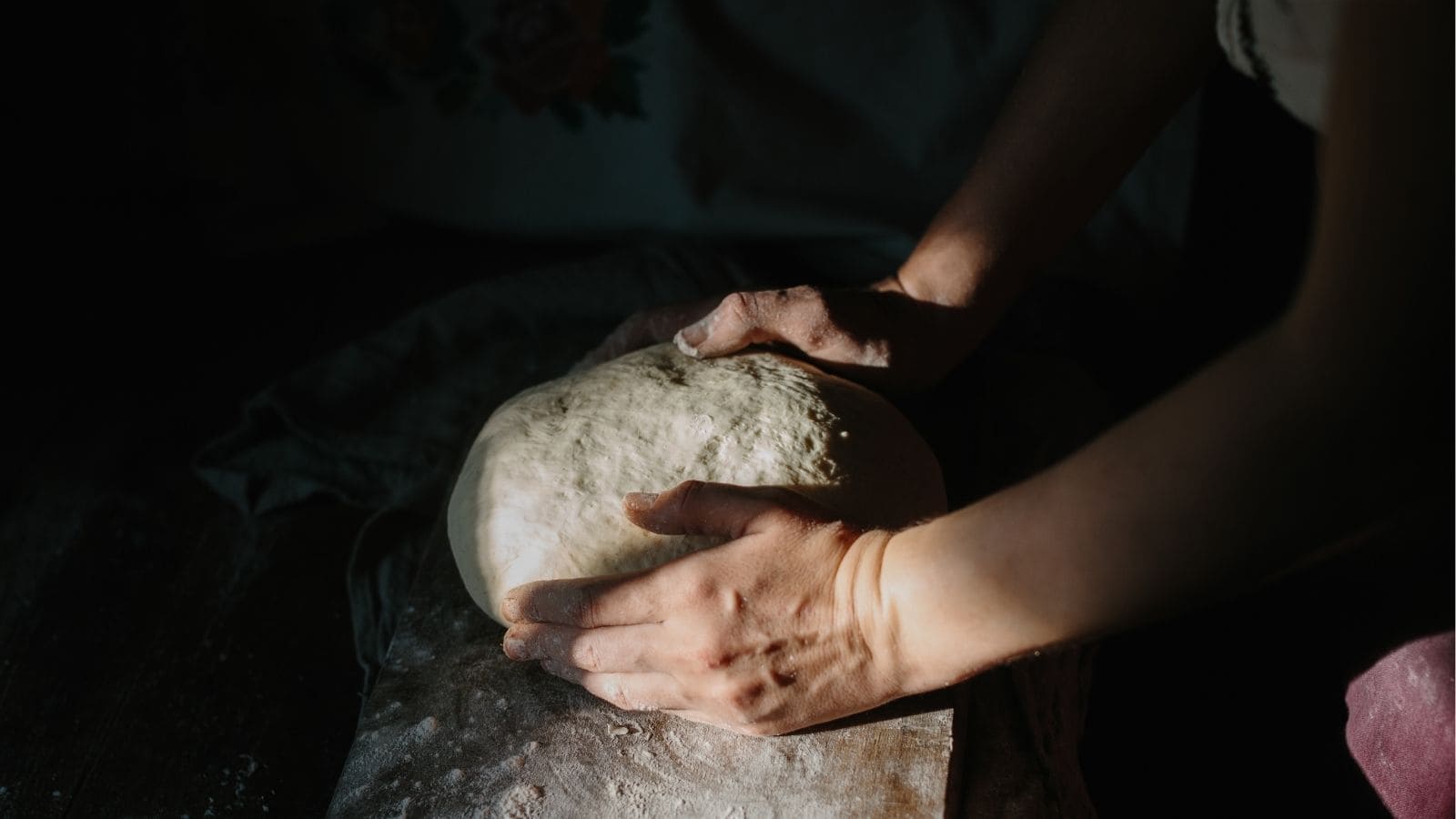
Baking Bread by Hand
Jump to a Section
Kneading dough by hand creates a connection to the process that no bread machine can match. Freshly baked bread also has unbeatable taste and texture.
Canning Fruits and Vegetables

Canning lets you preserve the harvest and reduce food waste. Instead of relying on store-bought canned goods, you can stock your pantry with jars of homemade jams, pickles, and sauces. It’s a skill that brings comfort during the colder months when fresh produce is scarce.
Making Homemade Butter

Churning cream into butter is surprisingly easy and requires minimal tools. The process produces not only butter but also fresh buttermilk that can be used in baking. The result is a richer, fresher flavor that surpasses store-bought options.
Fermenting Vegetables

Fermentation is one of the oldest food preservation methods, creating tangy and nutrient-packed results. Foods like sauerkraut and kimchi add probiotics to your diet, improving gut health. This method also extends the life of your vegetables and adds bold flavor to meals.
Rendering Animal Fat

Instead of tossing out kitchen scraps, rendering fat transforms them into useful cooking ingredients like lard or tallow. These traditional fats are ideal for frying, baking, and adding depth to dishes. It’s a skill that makes the most of every part of an animal, reducing waste.
Making Stock from Scraps

Homemade stock is a kitchen essential that saves money and reduces food waste. Bones, vegetable ends, and herbs can all be simmered slowly into a flavorful base for soups, stews, and sauces. Unlike store-bought versions, you control the ingredients and flavor.
Drying Herbs Naturally

Drying herbs the old-fashioned way preserves their freshness without needing fancy equipment. Whether hung in bundles or laid out on racks, the method is simple and effective. Properly dried herbs keep their flavor for months and enhance dishes all year long.
Grinding Spices Fresh

Freshly ground spices have far more aroma and flavor than pre-packaged versions. Using a mortar and pestle or spice grinder gives you control over texture and strength. This small step elevates even the simplest recipes into something special.
Pickling Vegetables

Pickling is a quick and tasty way to preserve produce before it spoils. The brine adds tang and crunch, turning ordinary cucumbers, carrots, or beans into flavorful sides. It’s also highly customizable, letting you experiment with spices and vinegar blends.
Brewing Herbal Teas

Herbal teas made from fresh or dried plants are soothing and healthful. You can craft blends for relaxation, digestion, or energy, depending on the herbs you choose. This skill not only reduces reliance on store-bought tea bags but also lets you enjoy your garden year-round.
Cooking Over Cast Iron

Cast iron pans are durable, versatile, and improve with age. They retain heat beautifully, making them perfect for frying, baking, or slow-cooking. Learning to season and care for cast iron ensures you’ll have a reliable pan that can last generations.
Making Yogurt at Home

Homemade yogurt is simple to prepare with just milk and a starter culture. You can control the thickness, flavor, and sweetness, making it healthier than most store options. It’s also more economical, especially if your family eats yogurt regularly.
Sourdough Starter Keeping

Maintaining a sourdough starter is like nurturing a living kitchen companion. It requires feeding and care, but the payoff is tangy, hearty bread with incredible texture. This tradition connects you to centuries of bakers who relied on wild yeast for their loaves.
These kitchen skills may feel old-fashioned, but they’re practical, sustainable, and deeply satisfying. By bringing them back, we add more flavor, meaning, and resourcefulness to our daily lives.



Comments
No Comments