

A thriving spring garden starts with a few simple habits done during the quieter seasons. These low-effort tasks help improve soil health, protect plants, and reduce the workload when warm weather returns.
With just a little attention now, your garden will greet spring stronger and more resilient than ever.
Clear Away Spent Annuals

Jump to a Section
Removing dead annuals prevents pests and diseases from overwintering. It also gives your beds a clean, fresh start. This simple step makes planting easier when spring arrives.
Add a Light Layer of Mulch

A thin mulch layer helps insulate soil and protect roots over winter. It reduces erosion and keeps moisture from evaporating too quickly. This small task pays off with healthier soil come spring.
Top Off Beds With Compost

Adding compost now allows nutrients to break down and enrich the soil. Over winter, it settles into the beds naturally. By spring, your plants will have a fertile foundation to grow in.
Water Perennials Before the First Freeze

A deep watering helps perennials withstand winter stress. Hydrated roots are less likely to suffer cold damage. This simple step ensures stronger regrowth in the spring.
Prune Dead or Damaged Branches

Removing broken or diseased branches prevents further spread of problems. It also encourages healthier growth during the next season. Winter pruning makes your plants safer and more productive.
Clean and Store Garden Tools

Wiping down tools prevents rust and extends their life. Well-maintained tools make spring gardening much smoother. It’s a quick job with long-lasting benefits.
Protect Vulnerable Plants With a Frost Cover

Tender shrubs and perennials benefit from a simple wrap or cloth covering. This adds insulation during sudden temperature drops. It keeps your plants healthy until spring.
Plant Spring-Blooming Bulbs

Bulbs like tulips, crocuses, and daffodils thrive when planted in cool soil. They establish roots over winter and bloom beautifully in spring. A few minutes of planting now brings months of color later.
Gather and Save Fallen Leaves
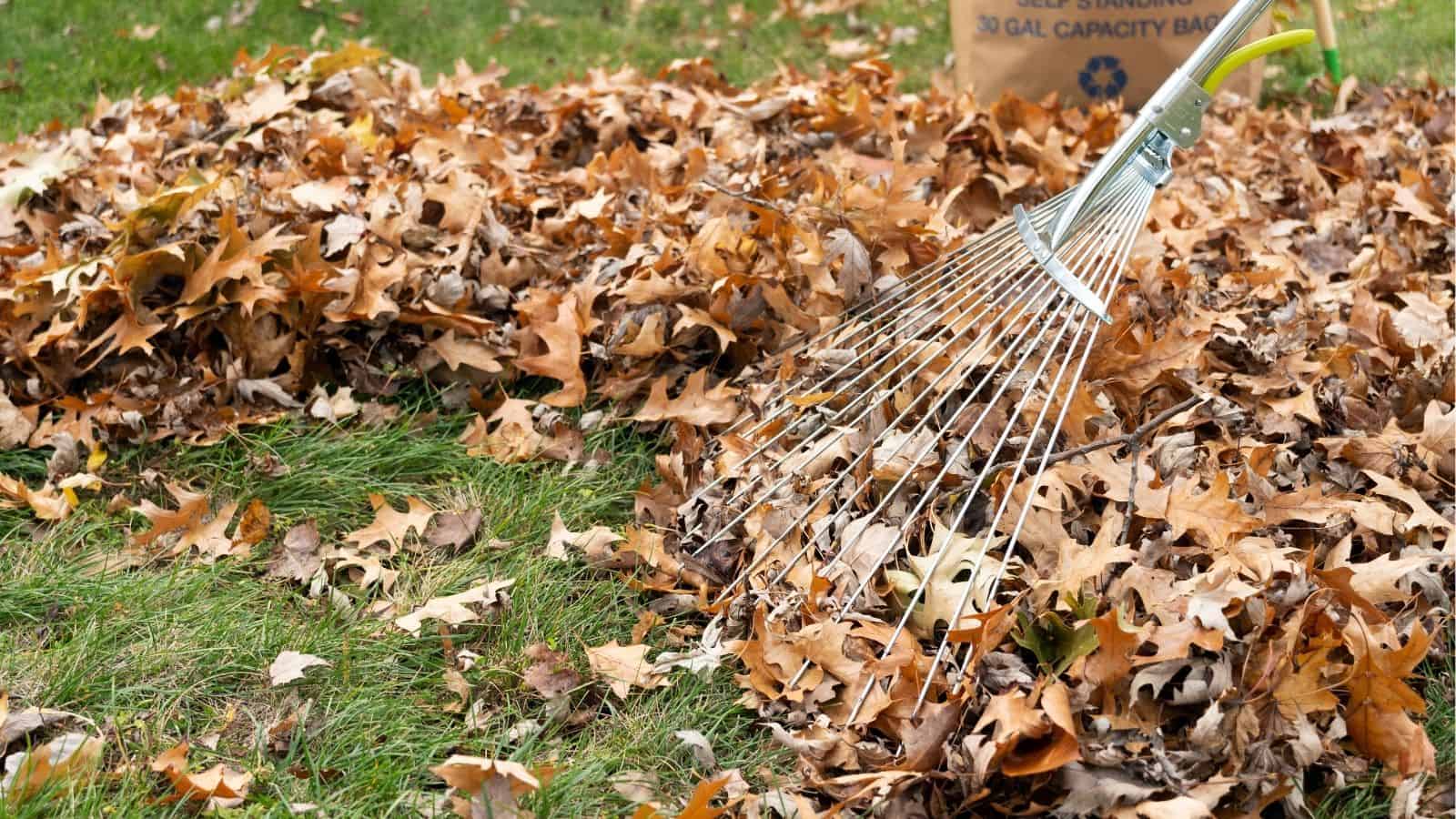
Leaves can be shredded for mulch or added to compost. They break down into rich organic matter that improves soil structure. Using leaves wisely supports your garden for free.
Empty and Store Garden Pots

Cleaning and stacking pots prevents cracking and mold growth. It keeps your supplies organized for spring planting. This small task saves money and time down the road.
Check Your Irrigation System

A quick inspection ensures your hoses and lines are free of leaks. Fixing issues now prevents frustration when spring watering begins. It’s a tiny task that prevents bigger problems later.
Cut Back Dying Perennials

Removing spent stems helps reduce pests and makes space for new spring shoots. Some perennials benefit from a gentle trim before winter. It sets the stage for strong, tidy growth.
Start a Garden Journal

Jotting down what worked and what didn’t helps you plan better for spring. A few notes can save you time and effort next season. It’s an easy habit that boosts success.
Organize Your Seeds

Sorting seeds now ensures you’re ready when planting begins. Checking expiration dates prevents wasted effort. This small winter task keeps your spring garden on track.
Leave Some Seed Heads for Wildlife

While tidying the garden, leave a few seed heads for birds and beneficial insects. These provide food and shelter during winter. It creates a healthier ecosystem for spring growth.
A little winter preparation goes a long way in creating a vibrant spring garden. These low-effort tasks make the season ahead easier, healthier, and more rewarding. With a few simple steps, you’ll step into spring with confidence and fresh inspiration.





Comments
No Comments